Lupus and mental health: Understanding the connection

October 1, 2026

- Many people with lupus experience mental health symptoms like anxiety and depression.
- Researchers are trying to understand the link between lupus and mental health. They think it may be related to inflammation, medication side effects, and the challenge of living with a chronic health condition.
- Changes in your mental well-being can happen quickly. Tracking your mood and energy levels can help identify where your treatment plan needs to be adjusted.
Living with lupus can be challenging and overwhelming, whether you were diagnosed yesterday or 20 years ago.
Because of the systemic and often draining nature of lupus symptoms, it is essential for people living with the condition to monitor for changes in their mental and emotional well-being.
We put together this article to be your guide to everything lupus and mental health, getting into the connection, the common symptoms, and what options you have to better manage your condition.
Let’s get into it.
What is lupus?
Lupus, also known as systemic lupus erythematosus (SLE), is an autoimmune condition that affects multiple parts of the body and causes a range of symptoms.
When working as expected, the immune system protects you from potentially harmful bacteria and viruses. But in people with lupus, it becomes overactive. This is known as a “flare.”
During a flare, the immune system attacks healthy organ and tissue cells. This causes symptoms related to different body systems, including the skin, blood vessels, joints, kidneys, heart, lungs, and brain.
Understanding the connection between lupus and your mental health
People with lupus have been found to have a higher risk of experiencing depression and anxiety. According to the Lupus Foundation of America, 80–90% of people living with lupus experience neuropsychiatric symptoms of some kind.
The connection between lupus and mental health is not fully understood, but researchers have some theories.
- Lupus can cause inflammation in the brain, which can lead to mental health symptoms over time.
- Living with lupus can be mentally draining. Coping with symptoms alongside medical appointments, triggers, treatments, and general uncertainty about your health may lead to feelings of fatigue and hopelessness.
- Medications used to treat lupus, particularly corticosteroids like prednisone, can cause mental health side effects.
Lupus and anxiety
Anxiety is common in people with lupus. A 2023 study found that around 23% of people with SLE experienced anxiety, compared to 12% of the general population. Other researchers believe the incidence rate is higher.
Symptoms of anxiety can include:
- Excessive worrying
- Feeling “on edge”
- Restlessness
- Difficult concentrating
- Changes in sleep quality
It’s normal to experience feelings of anxiety from time to time. But if your anxiety symptoms persist for long periods or start impacting your daily life, it’s best to speak to a doctor.
{{pro-tip-1}}
Lupus and depression
Depression has been found to affect around 1 in 4 people with lupus.
Common symptoms of depression include:
- Persistent feelings of sadness or emptiness
- Hopelessness or pessimism
- Irritability, frustration, or restlessness
- Loss of interest in hobbies or things you once enjoyed
- Fatigue
- Difficulty concentrating
- Changes in sleep quality
- Changes in appetite
Important note: Thinking about suicide or self-harm can be a serious symptom of depression. If you or someone you love is experiencing these thoughts, contact a specialist crisis helpline in your country (for example, 988 in the US or Samaritans in the UK and Ireland). If a life-threatening situation arises, call the emergency services immediately.
Lupus and other neurological and cognitive symptoms
Lupus can also affect the brain and nervous system. These symptoms are sometimes referred to as neuropsychiatric lupus, and can impact thinking, mood, and behavior.
- Brain fog: Sometimes called lupus fog, brain fog is an umbrella term for a wide range of cognitive symptoms, including difficulty focusing, confusion, poor memory, and difficulty multitasking. Brain fog can worsen during a lupus flare, but may also linger for months or even years at a time.
- Headaches: About 20% of people with lupus experience migraine-like headaches. They can range in severity from mild to debilitating, and can significantly impact quality of life.
- Psychosis: 0.6–11% of people with lupus experience psychosis. This is a serious but uncommon symptom that affects a person’s sense of reality. It can involve seeing or hearing things that are not there, becoming confused about what is real, or developing strong beliefs that others don’t share.
Ways to manage your mental health while living with lupus
If you are living with lupus and have noticed changes in your mood or mental health, it’s important to speak to your doctor about how you can manage this.
Depending on your symptoms and specific health needs, they may recommend some of the following treatment options:
Therapy
Therapy can be a very helpful resource for improving mental health. There are many different types of support you can explore under the therapy umbrella, including:
- Psychotherapy: A trained professional can support you through talk therapy, where you are gently encouraged to unpack your feelings and experiences.
- Cognitive behavioral therapy (CBT): Some people benefit from receiving therapy in group settings, as it helps build a sense of community and connection.
- Speaking to a psychiatrist: Speaking with a psychiatrist allows you to be assessed, diagnosed, and possibly prescribed medications to help with your mental health symptoms.
Medications
Some people with lupus are prescribed medications to help manage their mental health symptoms. Examples can include:
- Tricyclic antidepressants (TCAs)
- Selective serotonin reuptake inhibitors (SSRIs)
- Selective serotonin and norepinephrine reuptake inhibitors (SNRIs)
- Lithium
{{pro-tip-2}}
Other ways to support your mental health
Some people with lupus find that simple changes help ease their mental health challenges.
Examples of things that can help include:
- Getting as much high-quality sleep as possible
- Doing physical exercise regularly
- Allowing yourself to rest when you need to
- Treating and managing pain as well as possible
Living with lupus can sometimes feel isolating, which can impact mental health. Virtual and in-person lupus support groups are a great resource to help you find community and encouragement.
Track your mood to unlock patterns over time
Living with a lifelong chronic health condition like lupus doesn’t just take a toll on your physical health. Changes in mood, stress levels, energy, sleep, and cognitive symptoms are all common, and they can fluctuate alongside lupus symptoms and flares.
Because these changes are not always easy to recognize or explain in the moment, tracking them over time with a tool like the Human Health app can help you build a clearer picture of your mental and emotional well-being.
{{inline-cta-1}}
Frequently asked questions
How does it feel to live with lupus?
Living with lupus is different from person to person. During a period of remission, you might experience mild symptoms or none at all. During a flare-up, symptoms can quickly become intense and debilitating.
Some of the most common symptoms of lupus include fatigue, joint pain, and skin rash. Managing these symptoms through regular monitoring and treatment is essential to improving your quality of life and preventing serious health complications.
Can lupus cause mental health issues?
Yes, lupus can cause people to develop symptoms of mental health conditions like anxiety and depression.
The exact connection between lupus and mental health is not known, but inflammation in the body and the psychological burden of living with a chronic condition are thought to be contributing factors.
Is it common for people with lupus to have depression?
Yes, it’s very common for people with lupus to have depression or anxiety. Research shows that people living with lupus are almost twice as likely to experience symptoms of depression or anxiety as the general population.
Disclaimer: Human Health is a health tracking platform and does not provide medical advice, diagnosis, or treatment. The information in this guide is for educational purposes only and is not a substitute for professional medical care. Always consult your doctor or healthcare provider with questions about your health.
Sources:
- Depression and anxiety in systemic lupus erythematosus (2018)
- Generalized anxiety disorder: what you need to know, The National Institute of Mental Health
- Depressed Symptomatology Persists Over Time in Systemic Lupus Erythematosus Patients (2022)
- Depression, The National Institute of Mental Health
- 5 facts about lupus & mental health, The Lupus Research Alliance
- Lupus nervous system, Johns Hopkins Lupus Center
- Neuropsychiatric Systemic Lupus Erythematosus: A 2021 Update on Diagnosis, Management, and Current Challenges (2021)
- Neuropsychiatric lupus: new mechanistic insights and future treatment directions (2019)
- Managing your mental health with lupus, The Lupus Foundation of America
- Antidepressants, Johns Hopkins Lupus Center
- Lupus support groups, The Lupus Foundation of America
- Depression, anxiety, and quality of life in patients with systemic lupus erythematosus (2023)
This is a div block with a Webflow interaction that will be triggered when the heading is in the view.

Learn more

Lupus and pregnancy: What you need to know


Antiphospholipid syndrome (APS): Causes, symptoms, and treatment options

Hydroxychloroquine: Overview, side effects, and use cases

Lupus and brain fog: What you need to know

Lupus and fatigue: Understanding the connection
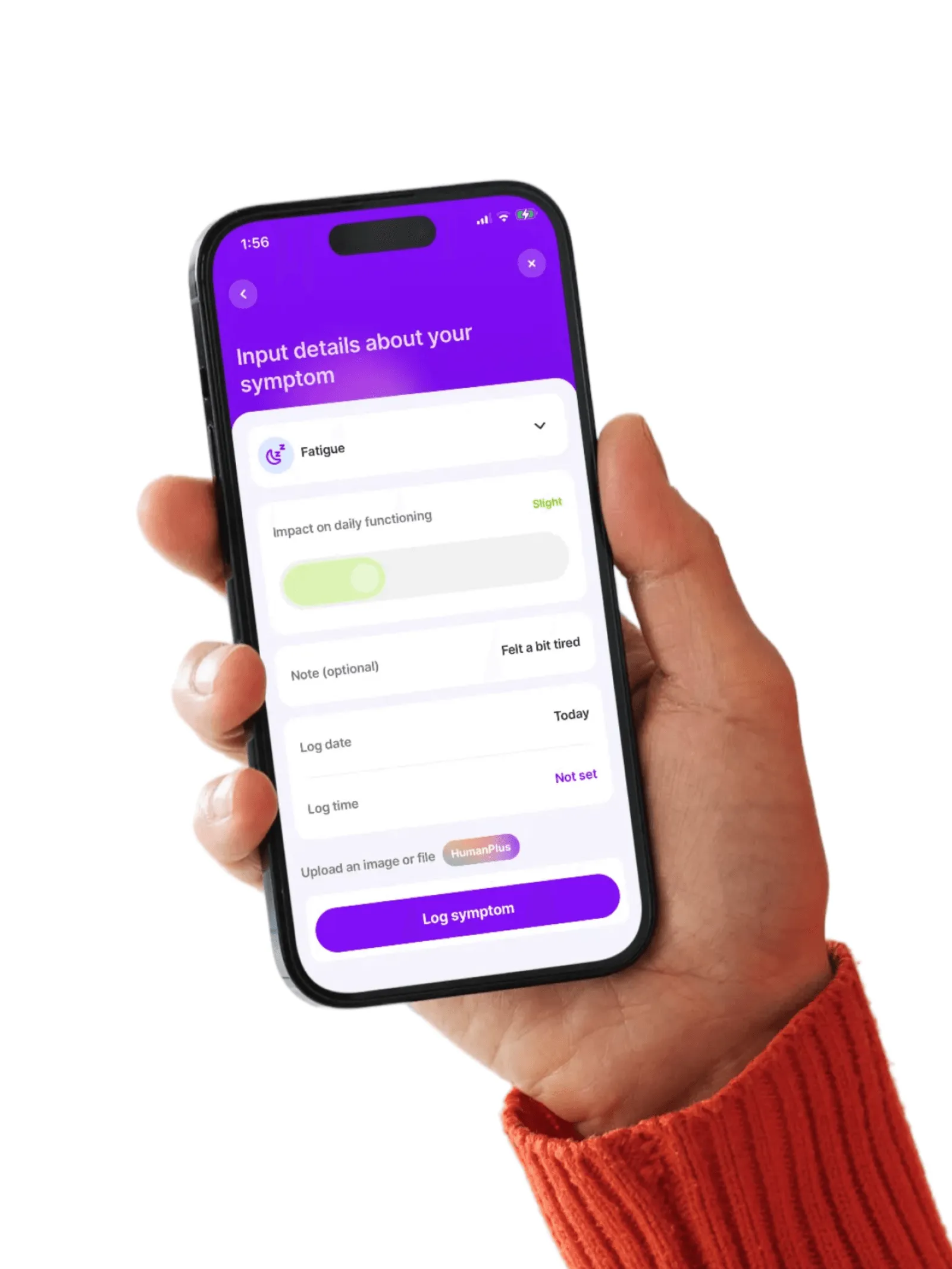
Track changes as they happen
Managing a chronic illness is exhausting — physically and emotionally. Having a clear record of your symptoms can reduce the mental load of trying to remember and communicate how you've been feeling.


Pro tip
Managing a chronic illness is exhausting, both physically and emotionally. Having a clear record of your symptoms can reduce the mental load of trying to remember and communicate how you’ve been feeling in medical appointments.
Pro tip
It can take weeks for antidepressant medication to reach its peak effect. That’s why keeping a symptom and side effect journal can help determine if any new medication is the right fit for your needs.
.png)


