Migraine prevention: The medications and lifestyle changes that can help

October 1, 2026

- There is no definitive way to cure or prevent migraine. Instead, treatment falls into two categories: things you can do to reduce your migraine frequency and things you can do to ease active migraine symptoms.
- The most common migraine prevention strategies include making lifestyle changes, taking supplements, and using preventative medications.
- Understanding your baseline using a symptom journal is the best way to determine if preventative strategies are working or not.
If you’re experiencing frequent migraine attacks, your doctor may recommend preventative treatment to reduce how often they happen.
Unlike rescue medications, which are taken during an attack, preventative treatments are used regularly to lower the frequency and, in some cases, the severity of future migraines.
In this article, we’ll explain the main migraine prevention options, including lifestyle changes, supplements, and preventative medications. We’ll also explore why tracking your migraine days before and after starting treatment is one of the best ways to tell whether it’s actually working.
Here’s what you need to know.
Migraine prevention isn’t an exact science
Migraine is a complex neurological condition that is so much more than “just a headache.”
There is no cure for migraine or a way to ensure that you will never have an episode again.
Treatment is about mitigating risk and alleviating discomfort. Migraine prevention aims to extend remission periods between episodes, while migraine management focuses on reducing symptoms to make an active episode less disruptive.
Migraine presents differently from person to person and attack to attack. Because of this, the process of figuring out what migraine prevention strategies work best for you will involve trial and error.
Before trialing anything, you need to understand your baseline
Before you begin any preventative strategies for your migraines, we suggest using a symptom journal to understand your baseline.
This data will be used as a key comparison point. You and your doctor can evaluate these metrics to determine if preventative measures like lifestyle changes, supplements, and medications are having any positive effect.
Tracking changes from your baseline is particularly important when using prescribed preventative medications. These often take 6–8 weeks to work. The only way to know if your medication is helping is to know how your migraines affected you beforehand.
For instance, if you notice there are more days or weeks between episodes, that suggests the medication is working. If your episodes are just as regular as before, you might need to try something different.
{{pro-tip-1}}
Migraine prevention strategies
Everyone experiences migraine differently. What works for one person may not work for you, which can be confusing and a bit frustrating when all you want is answers.
Let’s go through some of the different migraine prevention options.
Lifestyle changes for migraine
Many people with migraine have identifiable triggers that increase their risk of having an episode.
Some migraine triggers are out of your control. For instance, weather changes can trigger migraines, but that’s not something you can easily avoid. However, for the migraine triggers you can control, intentional lifestyle changes could make a real difference.
For instance, you might try to follow the mnemonic SEEDS from the American Migraine Foundation:
- Sleep: Poor sleep can increase the risk of migraine in some people. Whenever possible, keep a consistent sleep schedule. That means going to sleep at a similar time every day and getting a similar amount of sleep every night when possible.
- Exercise: Regular exercise, such as walking or yoga, may help reduce the frequency of migraine episodes. However, some people find that exercise triggers attacks. Tracking your symptoms can help you determine how your body responds.
- Eat (food and hydration): Some people get migraines when they are dehydrated or skip meals. Keep a water bottle and snacks with you at all times to avoid this.
- Diary: Many migraine prevention strategies take weeks or months to show their full effect. Keeping a headache journal before and after starting a new medication, supplement, or lifestyle change can help you understand whether it is actually working—or whether you might need to try something else.
- Stress: Emotional stress is a common trigger for migraines. While avoiding all sources of stress in life is impossible, finding ways to cope with stress, including limiting social media exposure, meditating, and practicing mindfulness, can help. See what works for you.
Supplements for migraines
Some people find that supplements help reduce the frequency of migraine episodes. Common migraine supplements include:
- Magnesium: Magnesium is an essential mineral in cellular function. Research shows that magnesium deficiencies may be connected to migraines. It is believed to help reduce the overactivity of neural synapses that can cause episodes.
- Riboflavin: The cells in the body need riboflavin (vitamin B2) to function. Some studies suggest that riboflavin supplements can help reduce the frequency of migraine episodes when taken regularly.
- Co-enzyme Q10: Co-enzyme Q10 (CoQ10) is a natural antioxidant. Recent research has found that taking CoQ10 supplements may help decrease the frequency and duration of migraine attacks. They may also help manage pain and nausea during episodes.
Medications for preventing migraine
Preventative medications are commonly prescribed to people who experience 4+ migraine days per month. If you have migraines that frequently, your doctor will also assess how much of an impact migraine has on your daily life when deciding whether to prescribe these drugs.
These medications do not help during active attacks, but they can help extend remission periods between episodes.
Important note: Always speak to your doctor before starting a new supplement or medication. Some medications and supplements can interact with other treatments, may not be suitable during pregnancy, and can be unsafe for people with certain health conditions. Your doctor can help you weigh the potential risks and benefits based on your individual circumstances.
How to tell if preventative migraine treatments are working
Not all of these preventative strategies will work right away, and some might not work for you at all. Migraine affects everyone differently, making results variable.
If you are starting a new medication to reduce your migraine frequency, it can take months before it reaches its peak effect. Bear this in mind, and don’t give up before you know for sure whether it’s working.
This is why diligently tracking your migraine days and symptoms before and after starting any preventative strategies is so important. Having that baseline information is the only way to determine if the changes you are making or the medications you are taking are having a positive effect.
Using the Human Health app, it’s simple to track information about your migraines and get a full before-and-after picture. It’s also the easiest way to share insights and patterns with your doctor so they can better personalize your care.
{{inline-cta-1}}
Frequently asked questions
Can you cure migraine?
There is no definitive cure for migraine. Instead, treatment focuses on two main goals: reducing the frequency of attacks and managing symptoms when attacks occur.
Many people with migraine use different strategies to extend their remission periods. Making lifestyle changes, taking supplements, and using preventive medications are all options that may help reduce the frequency of your episodes.
How can I get rid of a migraine?
During an active migraine episode, making your symptoms less disruptive is the primary goal. Some examples of techniques that can help get rid of a migraine include lying down in a quiet, dark room, staying hydrated and resting, taking over-the-counter pain medications, or using prescribed rescue medications.
How can I tell whether my migraine medication is working?
Most preventive migraine medications take 6–8 weeks or longer to work. Tracking your migraine days, symptom severity, and attack duration before and after starting treatment can help you determine whether the medication is making a meaningful difference.
What is chronic migraine?
Chronic migraine is a subcategory of the condition. It may be diagnosed when you have 15 or more migraine episodes a month for at least three months. It is one of the more debilitating forms of the condition and can significantly impact a person’s ability to function.
Disclaimer: Human Health is a health tracking platform and does not provide medical advice, diagnosis, or treatment. The information in this guide is for educational purposes only and is not a substitute for professional medical care. Always consult your doctor or healthcare provider with questions about your health.
Sources:
- Migraine: learn more - migraine prevention in adults (2022)
- Migraine Triggers: An Overview of the Pharmacology, Biochemistry, Atmospherics, and Their Effects on Neural Networks (2021)
- Lifestyle changes for migraine management, The American Migraine Foundation
- Magnesium and Migraine (2025)
- Riboflavin, The National Institutes of Health Office of Dietary Supplements
- Evaluating the Role of Coenzyme Q10 in Migraine Therapy—A Narrative Review (2025)
- Preventative medicines for migraine, The Migraine Trust
- Botulinum toxin in the management of chronic migraine: clinical evidence and experience (2016)
This is a div block with a Webflow interaction that will be triggered when the heading is in the view.

Learn more

Migraine with aura: What it is and what it feels like


Hemiplegic migraine: When migraine mimics a stroke

Migraine symptoms: What an attack feels like

Vestibular migraine: When migraine causes dizziness

Silent migraine: Aura without the headache
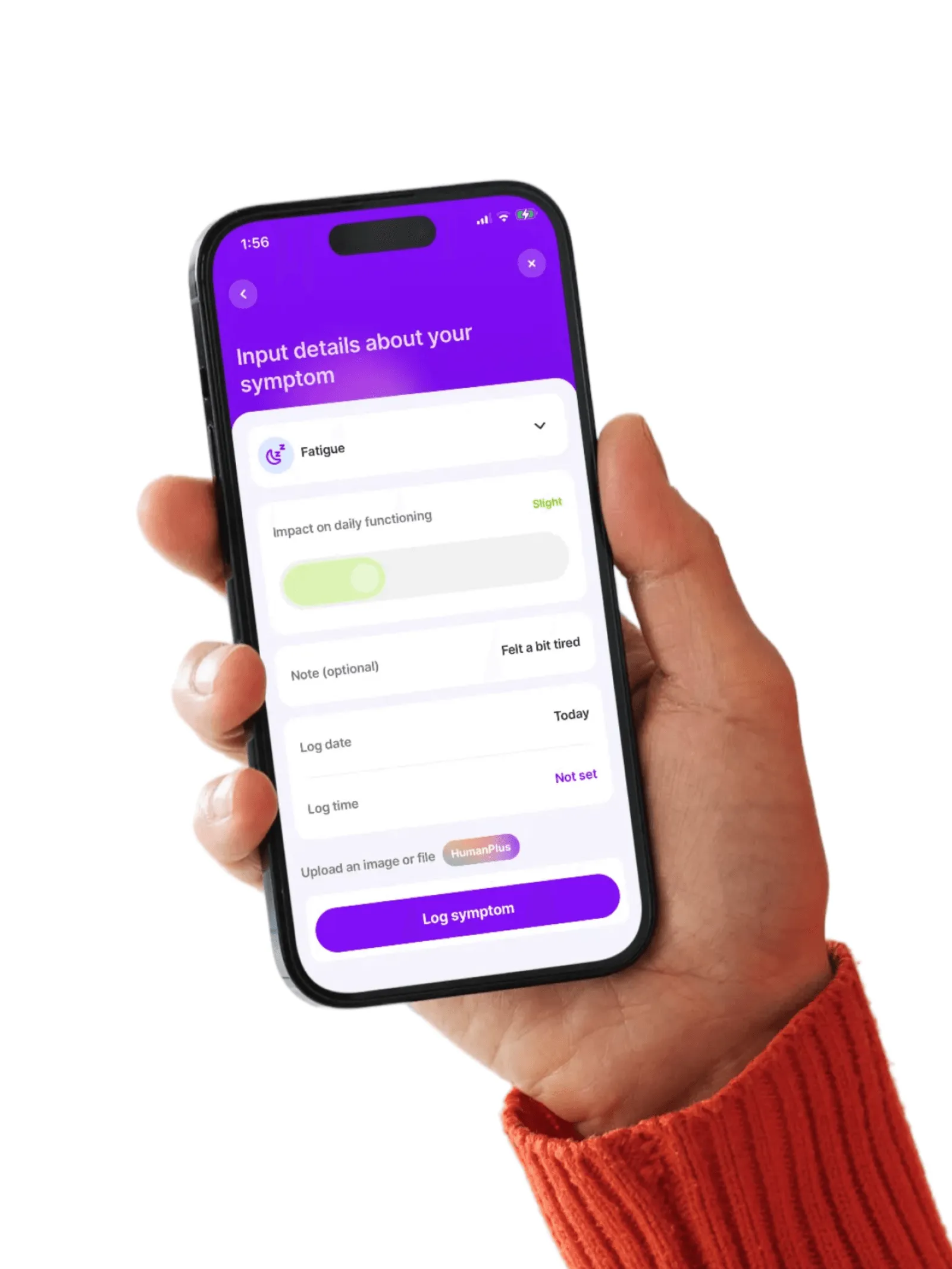
Keep a Daily Symptom Journal
Most preventive medications take 6-8 weeks to work. The only way to know if yours is helping is to know what your headache days looked like before you started.


Pro tip
The more detail you record in your symptom journal, the easier it will be to assess the impact of your preventative treatment.
.png)


