How to get rid of a migraine: What can help and what’s worth tracking

October 1, 2026

- Migraine is a neurological condition that can cause severe head pain alongside symptoms like nausea, light sensitivity, and vomiting.
- Treating a migraine is often about timing. Many medications work best when taken early in an attack, before symptoms become severe.
- There is no treatment that works for everyone. Migraine relief often involves finding the right combination of medications and self-care strategies for you.
While there is no guaranteed way to stop a migraine once it starts, there are strategies that may help reduce symptom severity and make an attack easier to manage.
In this article, we’ll be exploring how to get rid of a migraine, including things you can do at home and medications you can take. We’ll also look at how tracking your response to different treatments can help you identify what works best for you.
Let’s get into it.
What is a migraine?
Migraine is a neurological condition that causes a wide range of symptoms, often including pulsating, moderate to severe pain that occurs on one side of the head.
Migraine episodes often feel like they come out of nowhere, and the symptoms can be debilitating. People often experience three or four phases, with each stage characterized by different symptoms:
- Prodrome: This is the early stage of migraine featuring symptoms that act a bit like “warning signs” that develop a few hours or days before the attack. Symptoms include fatigue, difficulty concentrating, and light sensitivity.
- Aura: Only about 25% of people with migraine experience aura. Symptoms develop 5–60 minutes before an attack or during the headache stage itself. Visual aura symptoms are most common. Other types include sensory, motor, and speech/language.
- Headache: When someone says they have a migraine, they are probably referring to this stage. Migraines cause severe, throbbing head pain that can last for a few hours to several days. Other common symptoms during this phase include nausea, vomiting, and light sensitivity.
- Postdrome: Known as a “migraine hangover,” this stage can last for two days after the headache has eased. Symptoms include fatigue, difficulty concentrating, and mood changes.
{{pro-tip-1}}
Medications to take during a migraine
Your doctor may recommend taking medications during an active migraine episode to make the symptoms more manageable.
Over-the-counter medications for migraine
Over-the-counter (OTC) medications are an accessible way to manage migraine symptoms, as you can buy them without a prescription.
The most common OTC migraine medications are analgesics (pain medications). They tend to be most effective when taken early in a migraine attack, before symptoms become severe.
Examples include:
- Ibuprofen, including Advil® and Motrin®
- Naproxen, including Aleve®
- Acetaminophen, including Tylenol® and Excedrin® (includes caffeine)
- Aspirin, including Bayer and Anacin® (includes caffeine)
Some OTC pain medications include more than one type of active ingredient (like Excedrin Migraine®, which combines aspirin, acetaminophen, and caffeine). Be sure to read all drug labels and avoid consuming more than the recommended dosage.
Important note: Using pain medications too frequently can sometimes lead to medication-overuse headaches, which may increase headache frequency over time. If you find yourself relying on OTC medications regularly, speak to your doctor.
Prescription medications for migraine
If you experience severe or frequent migraines, your doctor may prescribe rescue medications to help ease the intensity of symptoms.
Not all prescription migraine medications work for everyone. It will likely take some trial and error to figure out the best type and dosage of medication for you.
Examples of prescription migraine medications your doctor may recommend include:
- Non-steroidal anti-inflammatory drugs (NSAIDs), like diclofenac and ketorolac
- Triptans, like sumatriptan (Imitrex®, Tosymra®)
- Anti-nausea medications, like chlorpromazine and metoclopramide (Reglan®)
These medications serve different purposes. For example, triptans are designed specifically to treat migraine attacks, while anti-nausea medications can help manage nausea and vomiting and may make it easier to take other medications.
What to do during an active episode
During an active episode, the goal is to reduce pain and make your symptoms as manageable as possible.
Here are some of the most commonly used strategies that can make your migraine episode easier to cope with:
How to find the most effective migraine relief
During an active episode, you might not feel like recording information. All you’ll want to focus on is resting and feeling better.
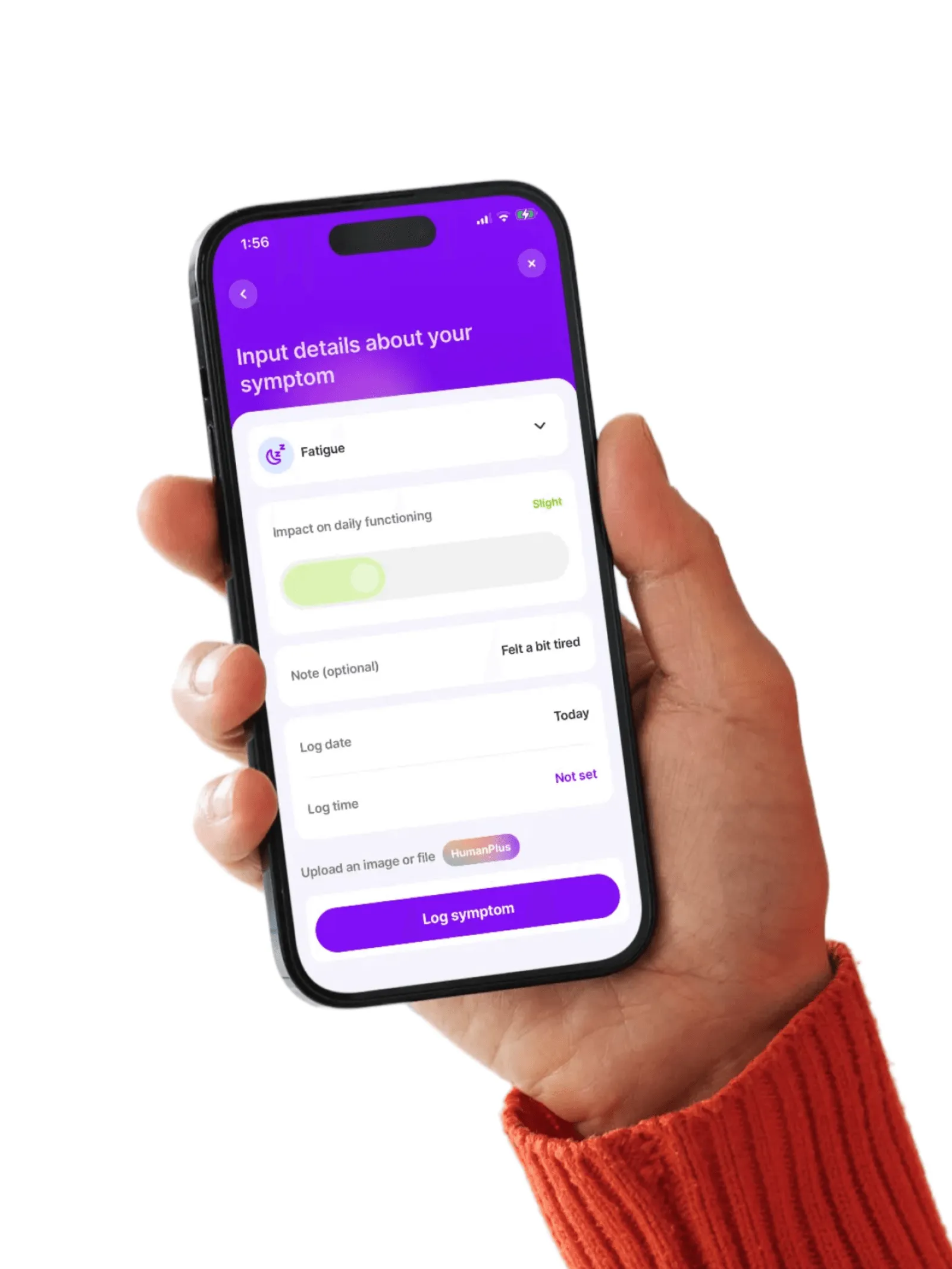
But once you recover, it can be helpful to record what you tried, when you tried it, and whether it made a meaningful difference.
Over time, data from multiple episodes can help you identify which treatments provide the most relief, how quickly they tend to work, and which approaches may not be worth repeating. This information can also be valuable when discussing treatment options with your doctor.
Migraine treatment involves trial and error
Figuring out what provides meaningful relief during a migraine often involves experimentation, trying different things that may or may not work.
For anyone struggling with debilitating migraines, treatment and management can be frustrating and sometimes demoralizing. Keeping a record of what you tried during each episode and whether it actually helped can make those decisions feel less like guesswork over time.
Using the Human Health app, you can easily and quickly log what you took or did, when you did it, and how you felt afterward to build a picture of what’s helping and what’s not.
{{inline-cta-1}}
Frequently asked questions
What triggers migraines?
Some people with migraine have identifiable triggers that increase their risk of having an episode. Some of the most commonly reported migraine triggers include:
- Emotional stress
- Bright lights
- Poor sleep quality
- Skipping meals or fasting
- Weather changes
- Certain foods, like red wine, caffeine, or chocolate
- Hormonal fluctuations, including changes during menstruation
Is there a cure for migraine?
No, there is no definitive cure for migraine. Instead, treatment focuses on prevention (reducing the frequency and severity of episodes) and managing symptoms when they occur.
Depending on your symptoms and medical history, this may involve lifestyle changes, OTC medications, prescription treatments, or a combination of approaches.
Do vitamins and supplements help with migraines?
Some people find that vitamins and supplements can help manage migraines. If you or someone you love gets migraines and is considering trying a supplement, speak to your doctor first to ensure that it’s safe. In some cases, supplements could be a trigger for migraine attacks.
Disclaimer: Human Health is a health tracking platform and does not provide medical advice, diagnosis, or treatment. The information in this guide is for educational purposes only and is not a substitute for professional medical care. Always consult your doctor or healthcare provider with questions about your health.
Sources:
- Migraine, The National Institute of Neurological Disorders and Stroke
- Migraine with aura (2024)
- Migraine home remedies, The American Migraine Foundation
- Over-the-counter migraine medication, The American Migraine Foundation
- Migraine medications (2023)
- Migraine Triggers: An Overview of the Pharmacology, Biochemistry, Atmospherics, and Their Effects on Neural Networks (2021)
- Supplements for migraine, The Migraine Trust
This is a div block with a Webflow interaction that will be triggered when the heading is in the view.

Learn more

Migraine with aura: What it is and what it feels like


Hemiplegic migraine: When migraine mimics a stroke

Migraine symptoms: What an attack feels like
Vestibular migraine: When migraine causes dizziness
Silent migraine: Aura without the headache
Journal & Track Your Condition Inside Our App
After each migraine, jot down what you took and how long it took to help. Within a few months, you’ll have a much better sense of what actually works for you.


Pro tip
After each migraine, jot down what you did, what medications you took, and how much time passed before you noticed a difference. Within a few months, you’ll have a much better sense of what actually works for you.
.png)


