How long does a migraine last? And what is a “migraine hangover”?

October 1, 2026

- Migraine is a neurological condition that causes moderate to severe headaches with other symptoms.
- Migraines vary from person to person, but typically present in three or four stages: prodrome, aura, headache, and postdrome.
- Understanding the stages of migraine can make the condition easier to manage. Tracking when each stage starts and ends can help you build a clearer picture of your migraine duration and how your attacks change over time.
Most people assume migraine is “just a bad headache.” But migraine attacks often involve symptoms before, during, and after the head pain itself.
As a result, many people underestimate how long their migraines actually last. While the headache stage may last for a few hours or days, the full attack can last for much longer.
Understanding the duration of your migraine attacks can help you recognize changes in your condition, have more informed conversations with your doctor, and better judge whether your current treatment plan is working.
This guide explains the different stages of migraine, how long each one typically lasts, and why tracking the full attack, not just the headache, can give you a much clearer picture of your condition.
How long does a migraine last?
Migraine is a complex neurological condition that can significantly affect everyday life. Attacks often involve much more than head pain alone, making it difficult to work, socialize, drive, or carry out normal activities.
Unlike many other types of headache, migraine develops in stages. Symptoms can begin hours or even days before the headache itself and continue after the pain has eased, which means the full attack often lasts much longer than people realize.
When people ask how long a migraine lasts, they are often thinking about the headache stage. But migraine attacks can involve symptoms before, during, and after the head pain itself.
Not everyone experiences every stage of migraine, so the duration and symptoms can vary widely from person to person and even from one attack to the next. Understanding the different stages of migraine can help you build a more accurate picture of how long your attacks last and which symptoms belong to each stage.
{{pro-tip-1}}
Understanding the stages of migraine
Prodrome
Prodrome, also known as the premonitory phase, is the first stage of a migraine attack. It occurs anywhere from 2 to 24 hours before the headache.
For some people, prodrome acts as an early warning sign that a migraine is developing. Recognizing these symptoms can help you prepare for an attack and take steps to reduce its impact.
Prodrome symptoms range in severity and duration, and can include:
- Increased anxiety
- Low mood
- Irritability
- Fatigue
- Difficulty focusing
- Sensitivity to light, sound, or scent
- Pain from light touch
- Bloating
- Nausea
- Constipation
- Feeling more thirsty than usual
- Urinating more than usual
- Excessive yawning
- Stiff neck
- Eye discomfort
Only about one-third of people with migraine experience prodrome symptoms, and not everyone knows this stage of migraine exists. This lack of awareness impacts how people understand their condition, especially when considering the full extent and duration of an episode.
Treating prodrome symptoms can help reduce the severity of the headache that comes later. This is often the best time to take preventative medications, as guided by your doctor.
Aura
There are two primary categories of migraine:
- Migraine with aura
- Migraine without aura
Around 25–30% of people who get migraines experience aura symptoms.
Aura symptoms commonly appear 5–60 minutes before the headache stage, and they don’t always end before the headache begins.
Like prodrome symptoms, aura symptoms can be helpful warning signs of an incoming migraine. Over time, recognizing your typical aura symptoms can help you better understand how your migraines progress from one stage to the next.
Aura symptoms fall into six categories: visual, sensory, speech and language, motor, brainstem, and retinal.
Visual symptoms, such as flashing lights, zigzag patterns, and blind spots, are the most common.
Other aura symptoms include:
- Ringing in the ears
- Numbness
- Tingling
- Difficulty speaking
- Slurred speech
- Difficulty understanding others
Less commonly, some people experience muscle weakness as part of a rare subtype called hemiplegic migraine.
Because aura often occurs before the headache stage, it can give you time to prepare for what comes next. Some people find it helpful to move to a quiet, dark environment, stay hydrated, avoid additional triggers, or adjust their plans if they know a migraine is developing.
If your doctor has prescribed medications to take at the start of an attack, aura symptoms may also act as a useful signal that it’s time to follow your treatment plan.
Headache
Headache is the aspect of migraine that most people associate with the condition. This phase can last anywhere from 4 to 72 hours.
This is when you are likely to experience the most intense symptoms, and you might find it difficult to keep up with your regular routine.
Migraine episodes range in intensity and differ from episode to episode. But tracking symptom duration can help you better understand your condition, identify patterns, and assess if your current treatment plan is working.
Common headache phase symptoms include:
- A dull ache that gets worse within minutes or hours
- Throbbing, pulsating, or pounding head pain
- Pain that’s worse on one side of the head, sometimes behind the eye or at the back of the head
- Nausea
- Vomiting
- Sensitivity to light
Some people also experience:
- Chills
- Fatigue
- Increased urination
- Loss of appetite
- Sweating
During this stage, your goal is to reduce the severity of your symptoms so you can get on with your day. In addition to taking any abortive medications as prescribed by your doctor, like pain relievers, triptans, or anti-nausea medications, management techniques you can try include:
- Resting in a cold, dark room
- Wearing sunglasses and avoiding bright light
- Using earplugs
- Applying cold or hot compresses to your head and neck
- Keeping well-hydrated
- Eating when you can manage it
- Doing gentle exercise, if possible
- Gentle neck massage
- Meditation
{{pro-tip-2}}
Postdrome
Many people assume a migraine episode finishes after the headache pain disappears. That is not the case.
Postdrome is often referred to as a “migraine hangover.” It’s the final phase of a migraine episode and functions a bit like a recovery period. Prodrome is part of the migraine, so tracking symptoms is essential to give your doctor a full picture of your condition.
Symptoms during the postdrome phase are less intense than during the headache phase, but they can still be disruptive. They can last up to 48 hours after the headache has subsided.
Examples of common postdrome symptoms include:
- Fatigue
- Neck pain
- Light sensitivity
- Difficulty focusing
- Nausea
- Irritability
- Changes in mood
- Dizziness
There is no specific treatment for managing postdrome. However, there are things you can do to make the experience less intense:
- Taking your medications as prescribed
- Getting plenty of rest
- Eating balanced meals
- Staying hydrated
- Doing light exercise
- Avoiding known triggers
When migraine duration may be a concern
Tracking the length of your migraines, especially stage by stage, is incredibly helpful for better understanding your baseline. This information becomes even more helpful if your condition is changing—especially if your migraines are lasting longer or occurring more often.
If you notice any of the following changes, speak to your doctor:
- Aura symptoms lasting longer than 60 minutes
- Headache lasting longer than 72 hours
- Postdrome symptoms lasting longer than 48 hours
Sharing this data with your doctor is essential. They may decide to adjust your current care plan, run additional assessments, or reassess your current diagnosis. In some cases, increasing frequency or duration of attacks may be a sign of migraine chronification, where episodic migraine gradually becomes more frequent over time.
Why it’s important to track migraine duration
Living with migraine can be a debilitating and confusing experience, and there’s no cure. Fully understanding your condition can help you manage it.
One of the most important parts of that process is understanding how your migraines progress over time.
Tracking symptoms across all stages of an attack, not just the headache phase, can help you build a clearer picture of your baseline, identify patterns, and recognize meaningful changes in your condition.
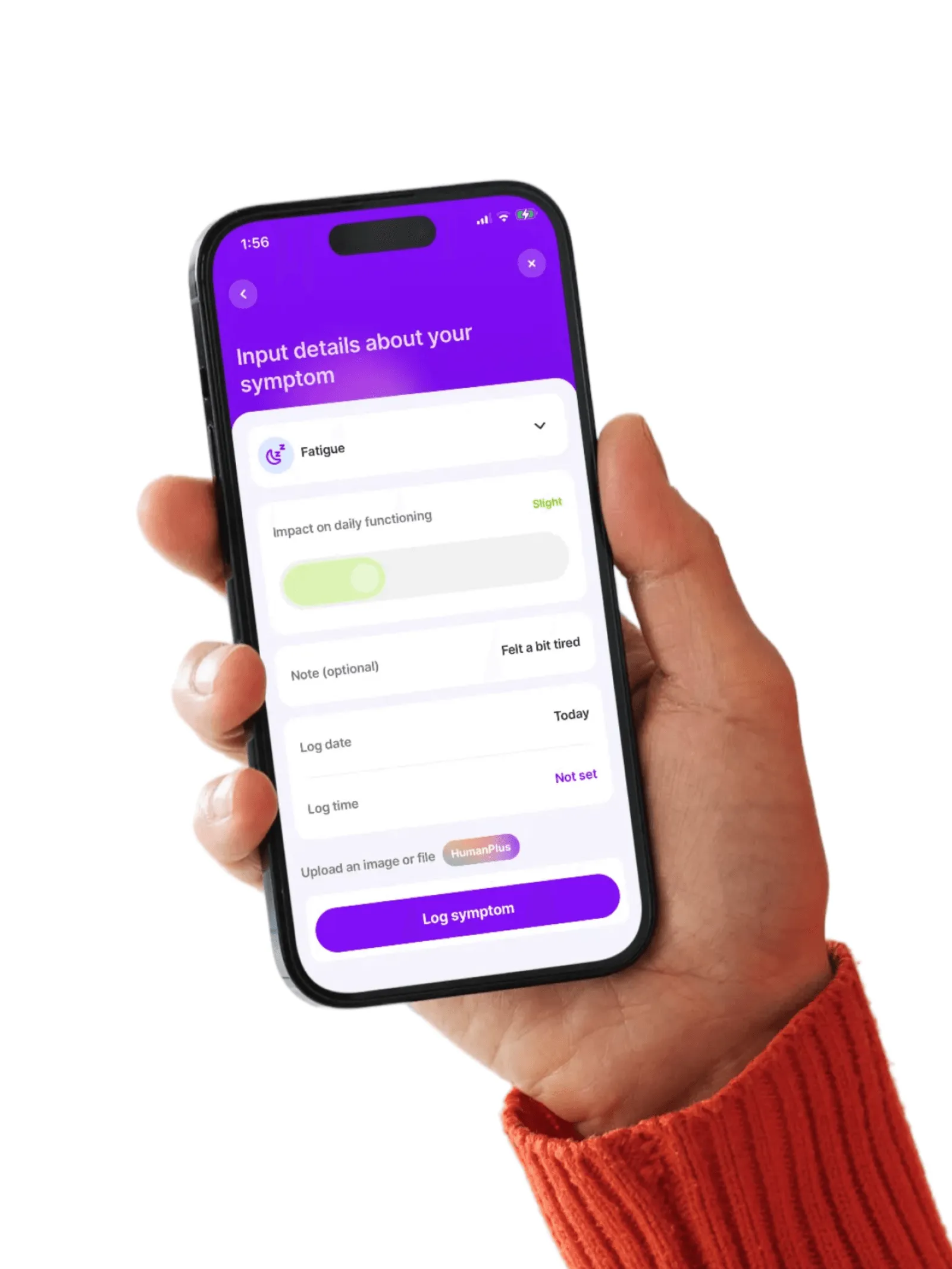
Using the Human Health app, you can track each stage of a migraine attack and create a detailed symptom history to share with your doctor. Over time, this information can help guide treatment decisions and monitor for changes such as migraine chronification.
{{inline-cta-1}}
Frequently asked questions
How long do migraines last?
The duration of a migraine attack differs from person to person.
On average, the active headache stage lasts anywhere from 4 to 72 hours, with additional hours or even days being added for the prodrome and postdrome symptoms.
What does a migraine aura feel like?
A migraine aura is a neurological event that causes a wide range of symptoms. Visual symptoms, like flashing lights, blind spots, and zigzags, are most common.
Aura is often considered a “warning stage” of an impending migraine.
Can I have a migraine without a headache?
Yes, it is possible to have a migraine without a headache or head pain. A silent migraine, also known as a typical aura without headache or acephalgic migraine, is a rare form of migraine that presents with prodrome, aura, and postdrome symptoms, skipping over the headache stage.
Disclaimer: Human Health is a health tracking platform and does not provide medical advice, diagnosis, or treatment. The information in this guide is for educational purposes only and is not a substitute for professional medical care. Always consult your doctor or healthcare provider with questions about your health.
Sources:
- Migraine, The National Institute of Neurological Disorders and Stroke
- Pre- and post-headache phases of migraine: multi-country results from the CaMEO – International Study (2023)
- Characterizing Prodrome (Premonitory Phase) in Migraine (2024)
- The prodrome of migraine: mechanistic insights and emerging therapeutic strategies (2024)
- Migraine prodrome: symptoms and prevention, The American Migraine Foundation
- Migraine with aura (2024)
- Migraine With Aura: Types, Symptoms & Treatments, The American Migraine Foundation
- Migraine with aura – Diagnosis & treatment, Mayo Clinic
- Migraine headache, StatPearls (2024)
- Postdromal symptoms in migraine: a REFORM study (2024)
- How early can we treat migraine attacks? A perspective based on prodrome (2024)
- Diagnostic and therapeutic aspects of hemiplegic migraine (2020)
- Coping with a migraine attack, The Migraine Trust
- Migraine hangover (postdrome), The Cleveland Clinic
This is a div block with a Webflow interaction that will be triggered when the heading is in the view.

Learn more

Migraine with aura: What it is and what it feels like


Hemiplegic migraine: When migraine mimics a stroke

Migraine symptoms: What an attack feels like
Vestibular migraine: When migraine causes dizziness
Silent migraine: Aura without the headache
Track Your Health Daily
Duration tracking is useful for telling whether attacks are getting longer (a sign of chronification) or shorter (a sign treatment is working).


Pro tip
Tracking your symptoms by stage, rather than focusing only on the headache itself, can help you better understand your migraines and give your doctor a more complete picture of your condition.
Pro tip
Many people assume migraines only last for as long as the head pain. That means it’s easy to underestimate how long a true migraine episode lasts. Tracking your migraine, from prodrome to postdrome, gives you the full picture.
.png)


