Migraine symptoms: What an attack feels like

October 1, 2026

- Migraine is a recurring neurological condition that causes a variety of symptoms, including a throbbing, pulsing pain on one side of the head.
- Migraines often occur in four stages: prodrome, aura, headache, and postdrome. However, not everyone experiences migraines in the same way.
- Each stage of a migraine has different symptoms. Tracking these symptoms, including their intensity and frequency, can help unlock patterns to share with your doctor.
Many people think that a migraine is just a “bad headache.” That’s not quite accurate, and anyone who experiences migraines knows they can involve far more than head pain.
Migraine is a recurring neurological condition that can significantly impact your quality of life. Migraine symptoms can range in frequency and severity, with experiences varying from person to person and attack to attack. This variability makes migraine difficult to recognize, understand, and manage consistently.
In this guide, we explore what a migraine attack might feel like and the importance of symptom tracking to help you feel confident in migraine appointments.
What is a migraine?
Migraine is a neurological condition characterized by recurring symptoms that usually include pulsing or throbbing pain on one side of the head.
The frequency and severity of migraines differ from person to person. Many people find that certain triggers bring on migraine episodes, including:
- Stress
- Hormonal changes, including menstruation, ovulation, and pregnancy
- Missing meals
- Weather changes
- Poor sleep or changes in sleep patterns
- Strong smells
- Neck pain
- Bright lights
- Certain noises, including low- or high-frequency sounds
- Alcohol
- Heat
- Particular foods, including aged cheese, red wine, chocolate, and processed meats
- Caffeine
- Exercise
{{pro-tip-1}}
Migraine symptoms: An overview
Head pain is the symptom most people associate with migraine, but it is only one part of a migraine attack. Many people experience symptoms before the headache begins and continue to feel unwell after the pain has eased.
Thinking about migraine in stages can make it easier to recognize early warning signs, understand how your symptoms change over time, and identify patterns that may help you and your doctor better manage the condition.
Prodrome symptoms
Around one-third of people with migraine experience symptoms of prodrome—the first stage of a migraine episode.
Prodrome symptoms act as “early signs” of an incoming episode. In most cases, symptoms present 2–24 hours before head pain begins, but in some, they can present earlier.
Prodrome symptoms can include:
- Increased anxiety, low mood, or irritability
- Fatigue or difficulty concentrating
- Sensitivity to light, sound, or smells
- Nausea, bloating, constipation, or increased thirst
- Urinating more often than usual
- Excessive yawning
- A stiff neck
- Eye discomfort
Aura symptoms
An aura is a collection of temporary neurological symptoms that can occur before or during a migraine attack.
About 25% of people with migraine experience aura, although symptoms vary considerably from person to person.
Some of the most common aura symptoms include:
Visual symptoms
- Flashing lights
- Zigzag patterns
- Blind spots
- Shimmering or wavy vision
Sensory symptoms
- Tingling or “pins and needles”
- Numbness, often affecting the face or hands
Speech and language symptoms
- Difficulty speaking
- Difficulty finding the right words
- Difficulty understanding language
Less commonly, some people experience temporary muscle weakness, which is a defining feature of hemiplegic migraine.
Headache symptoms
Headache symptoms can range in severity from moderate to debilitating and severe. Pain and other symptoms can last for 4–72 hours.
Headache symptoms
- A dull ache that gets worse within minutes or hours
- Throbbing, pulsating, or pounding head pain
- Pain that’s worse on one side of the head, sometimes behind the eye or at the back of the head
Other symptoms during the headache phase
- Chills
- Fatigue
- Urinating more often than usual
- Loss of appetite
- Nausea
- Vomiting
- Sensitivity to light
- Sweatin
Important note: Not everyone experiences a headache during a migraine attack. Some people experience “silent migraine” (also called migraine aura without headache), where neurological and sensory symptoms occur without significant head pain.
Postdrome symptoms
Postdrome is sometimes compared to a “hangover” after a migraine attack because many people feel drained and mentally foggy.
This final stage can last from a few hours to 48 hours after headache symptoms have eased.
In most cases, postdromal symptoms are less intense. Examples include:
- Fatigue
- Neck pain
- Light sensitivity
- Difficulty focusing
- Nausea
- Irritability
- Changes in mood
- Dizziness
Getting diagnosed with migraine
Even if you experience symptoms that are typical of every stage of migraine, no single test can diagnose the condition. Instead, your doctor will assess the pattern, timing, and combination of symptoms you experience.
There are several different types of migraine, but your doctor will likely start their assessment by working out whether you have migraine with or without aura.
Diagnostic criteria for migraine without aura
Diagnostic criteria for migraine with aura
Migraine treatment options
There is no cure for migraine, but some lifestyle changes and medications can help you reduce the frequency and severity of attacks. Some people also benefit from taking medications once a migraine attack starts to ease symptoms.
No single treatment plan works well for everyone. The right medications depend on factors such as your migraine type, how often attacks occur, your overall health, and whether you are pregnant or planning a pregnancy. Your doctor can help determine which options are appropriate for you.
Preventative medications
These medications are taken regularly to reduce the frequency and severity of migraine episodes.
Rescue medications
The following medications can help reduce the severity of symptoms during an active attack:
Lifestyle adjustments
Migraine triggers are highly individual, but some are more common. Some people find that identifying and managing these triggers helps reduce migraine frequency or severity.
The American Migraine Foundation has a helpful mnemonic, SEEDS, which highlights lifestyle factors that may help some people manage migraine symptoms:
- Sleep: Maintaining a consistent sleep schedule can help reduce the risk of migraines.
- Exercise: Some people find that regular exercise helps reduce the frequency of migraine episodes.
- Eat (food/hydration): Avoiding trigger foods, eating regularly, and staying hydrated can help manage migraine.
- Diary: Keeping a headache journal can help identify symptoms, patterns, and possible triggers.
- Stress: Managing emotional stress can help reduce migraine severity and frequency.
Migraine isn’t “just” a bad headache
Migraine is a sometimes debilitating neurological condition—much more than just a bad headache.
Symptoms can begin before head pain develops and continue after the main phase of an attack has passed. Because symptoms, triggers, and attack patterns can vary over time, tracking changes consistently can help you build a clearer picture of your condition.
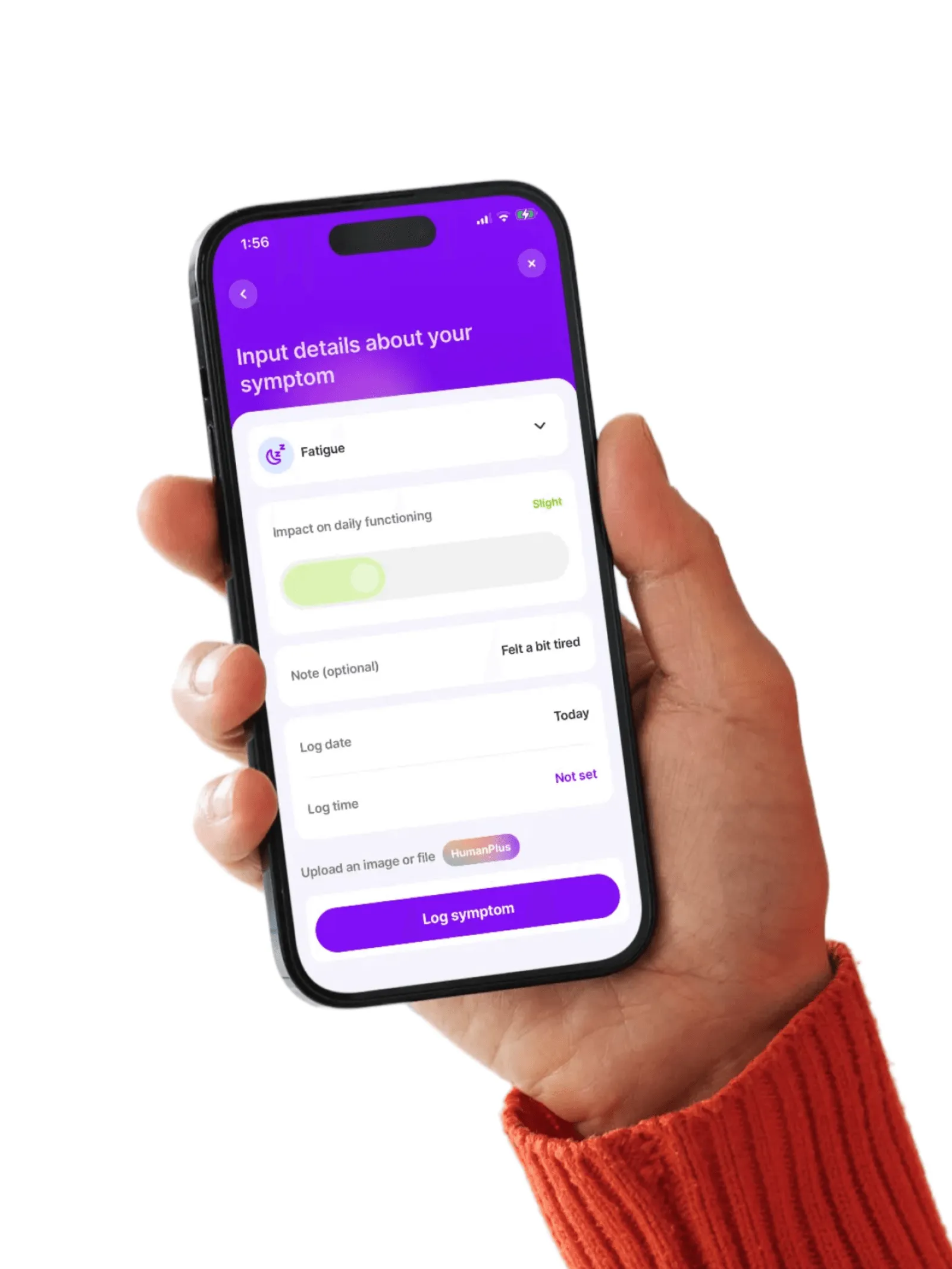
Using the Human Health app, you can quickly document your symptoms and create a detailed overview you can share with your doctor at your next appointment.
{{inline-cta-1}}
Frequently asked questions
What’s the difference between a headache and a migraine?
Headache and migraine are terms that are commonly used interchangeably, but there are differences.
A migraine isn’t just a bad headache. It’s a neurological condition that often causes head pain alongside other symptoms, such as nausea, sensory sensitivity, visual disturbances, and dizziness. Some people experience migraine symptoms without significant head pain (although this is rare).
A headache is a symptom involving pain in the head or face. Headaches can happen on their own or as part of another condition.
Can migraine symptoms change over time?
Yes. Migraine symptoms can change from one attack to the next and throughout your life. You might notice new triggers, changes in attack frequency, different aura symptoms, or shifts in how severe your attacks feel. Tracking these changes over time can help you and your doctor identify patterns and decide whether your treatment plan needs adjusting.
How can I stop a migraine?
There is no definitive way to stop an active migraine attack. This being said, taking medications like over-the-counter pain meds and prescription triptans can help ease the attack. Making changes to your environment, like dimming the lights, finding a quiet space, and resting, can also help the attack pass.
Disclaimer: Human Health is a health tracking platform and does not provide medical advice, diagnosis, or treatment. The information in this guide is for educational purposes only and is not a substitute for professional medical care. Always consult your doctor or healthcare provider with questions about your health.
Sources:
- Migraine, The National Institute of Neurological Disorders and Stroke
- Migraine Triggers: An Overview of the Pharmacology, Biochemistry, Atmospherics, and Their Effects on Neural Networks (2021)
- Pre- and post-headache phases of migraine: multi-country results from the CaMEO – International Study (2023)
- The prodrome of migraine: mechanistic insights and emerging therapeutic strategies (2024)
- Migraine prodrome: symptoms and prevention, The American Migraine Foundation
- Migraine with aura (2024)
- Migraine, MedlinePlus
- Postdromal symptoms in migraine: a REFORM study (2024)
- Migraine without aura, The International Classification of Headache Disorders
- Migraine with aura, The International Classification of Headache Disorders
- Migraine management (2020)
- Lifestyle changes for migraine management, The American Migraine Foundation
This is a div block with a Webflow interaction that will be triggered when the heading is in the view.

Learn more

Migraine with aura: What it is and what it feels like


Hemiplegic migraine: When migraine mimics a stroke
Vestibular migraine: When migraine causes dizziness
Silent migraine: Aura without the headache

What is an ocular migraine? Understanding your visual migraine symptoms
Journal & Track Your Condition Inside Our App
Migraine symptoms often start hours before the headache and linger for a day after. If you can, jot down anything that feels off, even mild symptoms, to see if a pattern emerges.


Pro tip
Migraine symptoms can begin hours before head pain develops and may continue after the main phase of an attack has passed. If you can, jot down anything that feels off, even mild symptoms, to see if a pattern emerges.
.png)


