Hemiplegic migraine: When migraine mimics a stroke

October 1, 2026

- Hemiplegic migraine is a rare type of migraine with aura that can cause one-sided muscle weakness during an attack.
- While the symptoms can mimic a stroke, hemiplegic migraine attacks are not typically considered medical emergencies, though they can be very frightening.
- Diligent symptom tracking is the best way to understand your condition’s baseline. From there, you can share that information with your doctor so they can optimize your care.
Hemiplegic migraines are a rare form of migraine that causes one-sided muscle weakness during an active attack. Their symptoms can mimic strokes, which, especially during your first episode, can be overwhelming for you and your loved ones.
With this in mind, we created this article to break down everything you need to know about hemiplegic migraines, particularly how they differ from strokes, including their symptoms, what to watch for, and when you should seek medical care.
Here’s what you need to know.
What is a hemiplegic migraine?
A hemiplegic migraine is a rare type of migraine with aura. It causes typical migraine symptoms with muscle weakness on one side of the body. In most cases, muscle weakness occurs during the aura stage.
The onset of hemiplegic migraines typically occurs between the ages of 10 and 20, but it can also occur from birth up until the age of 45.
There are two different types of hemiplegic migraines:
Familial hemiplegic migraine
Familial hemiplegic migraine (FHM) is passed down genetically in families.
The three known subtypes of familial hemiplegic migraine are each associated with specific gene mutations:
- FHM1, the most common type, is associated with mutations of gene CACNA1A.
- FHM2 is associated with mutations of gene ATP1A2.
- FHM3 is associated with mutations of gene SCN1A.
Some people with familial hemiplegic migraine experience multiple attacks in a short period. Others may have only a few episodes throughout their entire lives.
Long symptom-free periods between attacks are also common, and attacks often become less frequent with age.
Sporadic hemiplegic migraine
Sporadic hemiplegic migraine (SHM) occurs in people without a known family history of the condition.
{{pro-tip-1}}
Symptoms of hemiplegic migraine
The symptoms of hemiplegic migraine can be quite frightening, especially if you’ve never had one before.
The most identifiable symptom is one-sided muscle weakness. This is the primary reason why many people confuse a hemiplegic migraine episode with a stroke.
Symptoms can present before, during, or after the headache stage of the migraine. Someone may have a hemiplegic migraine without head pain, but this is very uncommon.
Other symptoms of hemiplegic migraine include:
- Tingling or numbness in the affected limbs
- Difficulty speaking
- Slurred speech
- Blind spots or loss of vision in one eye
- Vertigo
- Ringing in the ears
- Poor coordination
Symptoms of hemiplegic migraine typically last anywhere from 20 to 60 minutes, often completely resolving after the migraine episode is over. But, in severe, very rare cases, hemiplegic migraines can cause altered consciousness, seizures, or coma, which can take multiple weeks to fully recover from.
Hemiplegic migraine vs. stroke
A hemiplegic migraine is not a stroke, but its symptoms can easily be misinterpreted as one—especially before diagnosis.
If you or someone you love is experiencing symptoms for the first time, seek medical advice urgently. It’s important to rule out stroke.
The key difference between a stroke and a hemiplegic migraine is that stroke symptoms are the result of damage in the brain, which can be permanent. Hemiplegic migraine symptoms are reversible and often resolve at the end of an attack or in the weeks following.
If you are concerned that you or someone you love may be having a stroke, remember the acronym BE FAST:
- Balance loss: People who have a stroke may experience changes in balance.
- Eye (vision) changes: During a stroke, a person’s vision may change or worsen.
- Face: Strokes can cause one side of the face to droop. If you ask them to smile and only one side moves, this could be a sign.
- Arms: A stroke can affect motor skills. If a person can only lift one arm to full height, this could indicate they are having a stroke.
- Speech: Some people have slurred, mumbled, or confused speech during a stroke.
- Time: If you notice any of these symptoms (and they are out of the norm for someone with diagnosed and well-documented hemiplegic migraine), call the emergency medical services immediately.
Because having a stroke is a serious medical event, self-diagnosing symptoms is not advised. If any symptoms are new or more severe than usual, call the emergency medical services immediately—even if the person has been diagnosed with hemiplegic migraines.
{{pro-tip-2}}
What causes hemiplegic migraine?
The exact cause of hemiplegic migraines is not known. However, there is a genetic factor that plays a role in familial hemiplegic migraine.
In people with sporadic hemiplegic migraine, neurotransmitters, which are chemical messengers in the brain, like serotonin, can be released abnormally. When this occurs, channels in the brain can dysfunction, which is a proposed cause of hemiplegic migraine.
Some people are aware of triggers that increase their risk of experiencing a hemiplegic migraine attack. Triggers vary from person to person and can be tricky to identify without close tracking.
Examples of hemiplegic migraine triggers include:
- Emotional stress
- Intense physical effort
- Viral infections
- Fever
- Head trauma
Diagnosing hemiplegic migraine
No definitive blood test or scan can diagnose hemiplegic migraine. The process involves neurological assessments, often done by specialists, and testing to rule out other possible causes.
To be diagnosed with hemiplegic migraine, you need to meet the following criteria:
- Meet all diagnostic criteria for migraine with aura
- Have aura with both:
- Fully reversible motor weakness
- Fully reversible motor, visual, and/or sensory symptoms
You may undergo other tests to rule out medical conditions that could be causing your symptoms. Examples include:
- Genetic testing, if familial hemiplegic migraine is suspected
- CT scan
- MRI
- Lumbar puncture
- Electroencephalogram (EEG)
Treating hemiplegic migraine
Treating hemiplegic migraine is complex, and there’s no cure. Instead, approaches focus on reducing the frequency and severity of attacks.
Your doctor will likely recommend lifestyle changes to avoid possible triggers first and foremost. For some people, simple changes, like avoiding fasting, staying hydrated, having a consistent sleep schedule, and avoiding emotional and physical stress, can extend the time between episodes.
Many people with hemiplegic migraines also find that keeping a symptom journal helps them better understand their condition, particularly for identifying triggers and tracking the severity and duration of attacks.
If appropriate for you and your condition, your doctor may prescribe medications. Preventative medications aim to reduce episode frequency. Rescue medications help ease symptoms once an attack has started.
Understanding your baseline
Hemiplegic migraine episodes can be overwhelming and scary, especially if it’s your first time or your symptoms last for longer than usual.
Seeking emergency medical care is advised, as it’s important to confirm that you are not having a stroke.
Once stroke and other serious causes have been ruled out, getting an accurate diagnosis can help you understand what you're experiencing and access appropriate treatment and support.
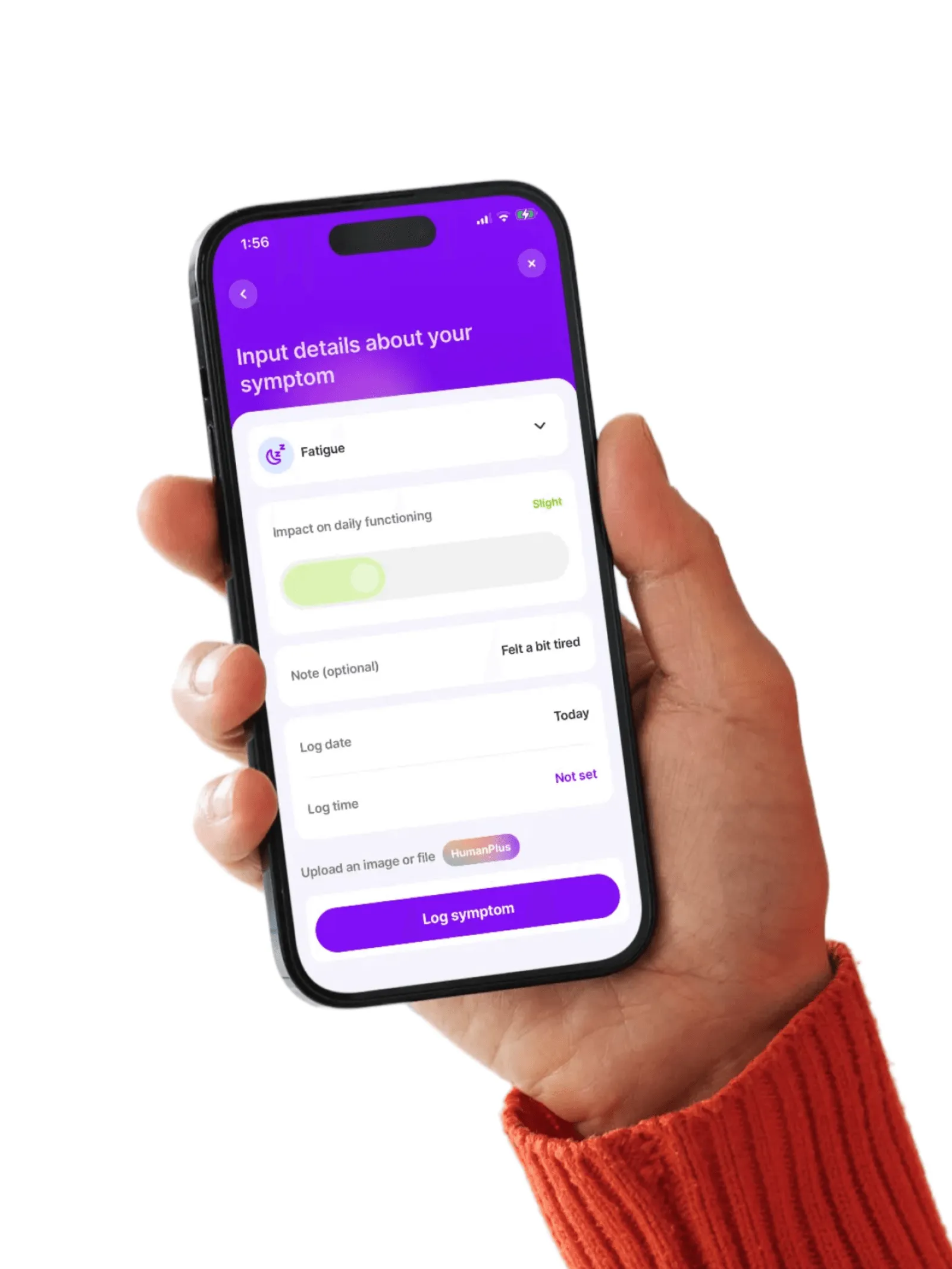
Using the Human Health app, you can easily and quickly create a log of your symptoms from day to day, documenting their severity, frequency, possible triggers, and which side of your body they affect. This data gives your medical team real evidence to work with and can help speed up the diagnostic process so you get the answers you need faster.
{{inline-cta-1}}
Frequently asked questions
Are hemiplegic migraines dangerous?
In most cases, hemiplegic migraines are not considered dangerous.
While they can present with symptoms that mimic a stroke, these symptoms are temporary and disappear once the episode is over.
In rare, severe cases, hemiplegic migraines can cause seizures, confusion, or coma. If you or someone you love is experiencing extreme symptoms during a hemiplegic migraine, or they are noticeably worse than usual, call the emergency services immediately.
Can hemiplegic migraines cause strokes?
Hemiplegic migraines do not directly cause strokes, but people who experience migraines, especially those with migraine with aura, are at an increased risk of experiencing a stroke in their lifetime.
This is why understanding your symptom baseline through daily symptom tracking is essential. It helps you identify changes over time.
How long do hemiplegic migraines last?
Like other forms of migraines, hemiplegic migraines can last anywhere from a few hours to multiple days. In rare cases, symptoms can persist for weeks at a time. If you notice changes in your symptoms, including longer durations, contact your doctor.
Disclaimer: Human Health is a health tracking platform and does not provide medical advice, diagnosis, or treatment. The information in this guide is for educational purposes only and is not a substitute for professional medical care. Always consult your doctor or healthcare provider with questions about your health.
Sources:
- Hemiplegic migraine (2023)
- First Attack and Clinical Presentation of Hemiplegic Migraine in Pediatric Age: A Multicenter Retrospective Study and Literature Review (2019)
- Familial hemiplegic migraine (2024)
- Diagnostic and therapeutic aspects of hemiplegic migraine (2020)
- Signs and symptoms of stroke, The Centers for Disease Control and Prevention
- Hemiplegic migraine, The Migraine Trust
- Hemiplegic migraine, Cleveland Clinic
- Hemiplegic migraine, The International Classification of Headache Disorders
- Hemiplegic migraine: paralysis with migraine, Migraine Canada
- Migraine and Stroke: A Scoping Review (2024)
This is a div block with a Webflow interaction that will be triggered when the heading is in the view.

Learn more

Migraine with aura: What it is and what it feels like


Migraine symptoms: What an attack feels like
Vestibular migraine: When migraine causes dizziness
Silent migraine: Aura without the headache

What is an ocular migraine? Understanding your visual migraine symptoms
See how your symptoms connect
If you have hemiplegic migraine, a written record of each episode, symptoms, side affects, and duration, helps both you and your neurologist track frequency and recovery.


Pro tip
Keeping a written record of each episode’s symptoms and duration helps you and your neurologist track frequency and recovery.
Pro tip
Once you’ve been diagnosed with hemiplegic migraine, understanding what a typical attack looks like for you can be incredibly valuable. Knowing which symptoms you usually experience, how severe they are, and how long they tend to last can make it easier to spot changes and recognize when you may need urgent medical attention.
.png)


