Silent migraine: Aura without the headache

October 1, 2026
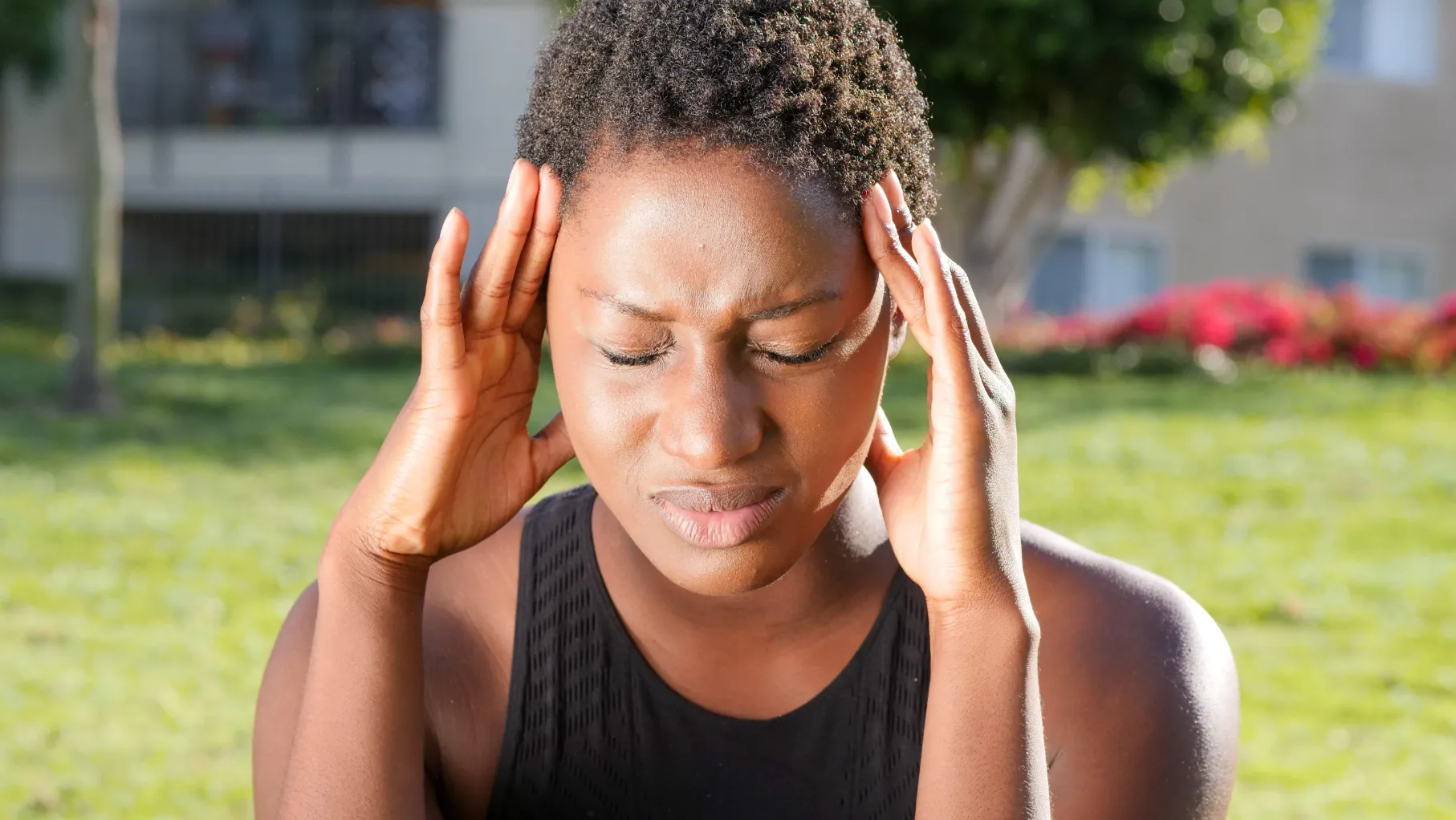
- Silent migraine, also known as typical aura without headache, is a rare type of migraine that doesn’t cause headache symptoms.
- Symptoms usually last 5–60 minutes and commonly include visual changes, numbness or tingling, speech changes, dizziness, and other neurological symptoms.
- Because there is no headache, silent migraine can be mistaken for other conditions. Tracking your symptoms and sharing them with your doctor can help support an accurate diagnosis.
Most people think migraine always involves a severe headache. So if you’ve experienced flashing lights, numbness, or speech changes without any head pain, it’s easy to wonder whether it was really a migraine at all, or something more serious.
Migraine is a neurological condition with several different subtypes. While most people experience head pain during an attack, that isn’t always the case.
In this article, we explain everything you need to know about silent migraine, including what it feels like, how to get diagnosed, and when to see a doctor.
Let’s get into it.
What is a silent migraine?
Most people with migraine experience a pulsating, throbbing headache. However, this doesn’t occur in all cases.
Silent migraine, also known as typical aura without headache or acephalgic migraine, is a rare form of migraine that doesn’t cause a headache.
Instead of the typical headache, people with silent migraine experience aura symptoms. Aura symptoms are often visual (flickering or flashing lights, zig-zags, blind spots), but they can also fall under the sensory, motor, or speech/language categories.
Only about 4% of people with migraine experience silent migraines.
Symptoms of silent migraine
Silent migraine causes the same aura symptoms as migraine with aura, but without the typical headache phase.
Symptoms usually last from 5–60 minutes and range in severity.
Common silent migraine symptoms include:
- Visual disturbances: Visual aura symptoms are the most common type. You might see bright lights, wavy or zig-zagging patterns, flashing dots, or sparkles. Silent migraines can also cause blind spots, which can move or grow larger during an attack.
- Speech and language changes: Some people find that their ability to communicate changes during a silent migraine. They might slur their words, have difficulty reading or writing, and have trouble understanding instructions.
- Auditory disturbances: Silent migraine can cause a temporary ringing in the ears (tinnitus).
- Sensory changes: Some people experience sensory changes throughout the body, including numbness or tingling (paresthesia) in the limbs and face, muscle weakness, or the sensation of being touched or grabbed.
- Balance disturbances: Some people experience dizziness or light-headedness during an attack. If this happens, be sure to sit or lie down to reduce your risk of falls and injury.
Important note: Migraine aura can closely resemble a stroke. If these symptoms are new, severe, or different from your usual migraine attacks, seek emergency medical attention immediately.
Warning signs of silent migraine
Some people notice early warning signs before the aura begins. This is known as the prodrome stage of migraine and can happen hours before an attack. Examples include:
- Mood changes
- Fatigue
- Excessive yawning
- Urinating more than usual
- Craving specific foods
- Insomnia
- Nausea
- Sensitivity to light or sounds
- Difficulty focusing
{{pro-tip-1}}
What causes silent migraine?
The cause of silent migraine is not fully understood. Researchers believe that migraine aura is connected to a neurological process where temporary waves of electrical activity spread across parts of the brain.
Genetic and environmental factors are also linked to migraines, and many people with silent migraine have identifiable triggers that make an episode more likely.
Not all people with silent migraines have the same triggers, but examples include:
- Stress
- Bright lights
- Poor sleep quality
- Skipping meals or fasting
- Weather changes
- Certain foods, like red wine, caffeine, or chocolate
- Hormonal fluctuations, including changes during menstruation
How silent migraine is diagnosed
To be diagnosed with silent migraine, your doctor will assess whether you meet the criteria below:
No blood test or single examination will lead to a silent migraine diagnosis. Like other forms of migraine, diagnosis typically involves multiple assessments, sometimes with several doctors and specialists.
During these appointments, you will likely be asked some of the following questions, so it’s a good idea to prepare for them:
- When did your symptoms start?
- How long did they last?
- What symptoms did you experience, and did they change over time?
- Do you think anything triggered your symptoms?
- Did anything make them better or worse?
Many people with silent migraine keep a symptom journal, which helps them share clear information with their doctor. If you don’t jot things down, it can be tricky to remember exact dates and experiences later on—especially if you haven’t been feeling your best.
Treatment options for silent migraine
If you are regularly experiencing more severe silent migraine episodes that impact your quality of life, your doctor may recommend preventative treatments.
Preventative medications for silent migraine
No specific drug has been developed to treat silent migraine, but some people find the following medications help prolong the time between attacks:
- Antidepressants, like amitriptyline (Elavil®) and venlafaxine (Effexor®)
- Calcium channel blockers, like verapamil (prescribed in the US) and flunarizine (more common across Europe and Canada)
- Antiseizure medications, like topiramate (Topamax®) and sodium valproate (Depakote®)
- Beta blockers, like propranolol (Inderal®) and metoprolol (Lopressor®)
Lifestyle changes for silent migraine
Some people find that lifestyle changes help manage their condition, often because they have identifiable triggers.
Examples of common lifestyle adjustments include:
- Stopping smoking
- Avoiding trigger foods
- Staying well-hydrated
- Eating consistently and avoiding fasting
- Exercising consistently
- Reducing stress levels
Get your symptoms addressed, not dismissed
Getting diagnosed with silent migraine can be challenging, as there is no obvious headache symptom to point to. That’s why it’s so important for people with silent migraine to track their symptoms and possible triggers.
Using the Human Health app, it’s easy to log information about each episode, including what you experienced, how long it lasted, and the circumstances surrounding the attack, such as how you slept, what you ate, and how stressed you felt.
From there, the app turns these isolated data points into a pattern your doctor can use to better understand your condition.
{{inline-cta-1}}
Frequently asked questions
Are silent migraines real?
Yes, silent migraine is a recognized diagnosable condition. It’s also called typical aura without headache or acephalgic migraine.
What do silent migraines feel like?
Silent migraine typically presents with aura symptoms but without head pain.
Common symptoms of silent migraine include numbness or tingling in the limbs, changes in speech, ringing in the ears, and sudden dizziness.
How can I prevent silent migraine?
There is no specific way to prevent silent migraine. Managing the condition is similar to managing other forms of migraine with aura.
Your doctor will likely recommend preventative medications and lifestyle changes, like avoiding your known triggers.
Disclaimer: Human Health is a health tracking platform and does not provide medical advice, diagnosis, or treatment. The information in this guide is for educational purposes only and is not a substitute for professional medical care. Always consult your doctor or healthcare provider with questions about your health.
Sources:
- Acephalgic Migraine Presenting as Episodic Fatigue and Nausea: A Case Report (2025)
- Migraine with aura (2024)
- Migraine aura without headache, The American Migraine Foundation
- Clinical features of migraine with aura: a REFORM study (2024)
- The prodrome of migraine: mechanistic insights and emerging therapeutic strategies, (2024)
- Cortical spreading depression: origins and paths as inferred from the sequence of events during migraine aura (2014)
- Migraine Triggers: An Overview of the Pharmacology, Biochemistry, Atmospherics, and Their Effects on Neural Networks (2021)
- Typical aura without headache, The International Classification of Headache Disorders
- Migraine with typical aura, The International Classification of Headache Disorders
- Silent migraine, Healthline
- Differences in treatment response between migraine with aura and migraine without aura: lessons from clinical practice and RCTs (2019)
This is a div block with a Webflow interaction that will be triggered when the heading is in the view.

Learn more

Migraine with aura: What it is and what it feels like


Hemiplegic migraine: When migraine mimics a stroke

Migraine symptoms: What an attack feels like
Vestibular migraine: When migraine causes dizziness

What is an ocular migraine? Understanding your visual migraine symptoms

Journal & Track Your Condition Inside Our App
If you've had visual or sensory symptoms with no headache, write them down. Doctors take silent migraine more seriously when you can describe a pattern.


Pro tip
If you’ve had visual or sensory symptoms, write them down, even if you don’t have a headache. These kinds of symptoms can be difficult to assess in isolation, so patterns over time can be especially helpful during diagnosis.
.png)


