Vestibular migraine: When migraine causes dizziness

October 1, 2026
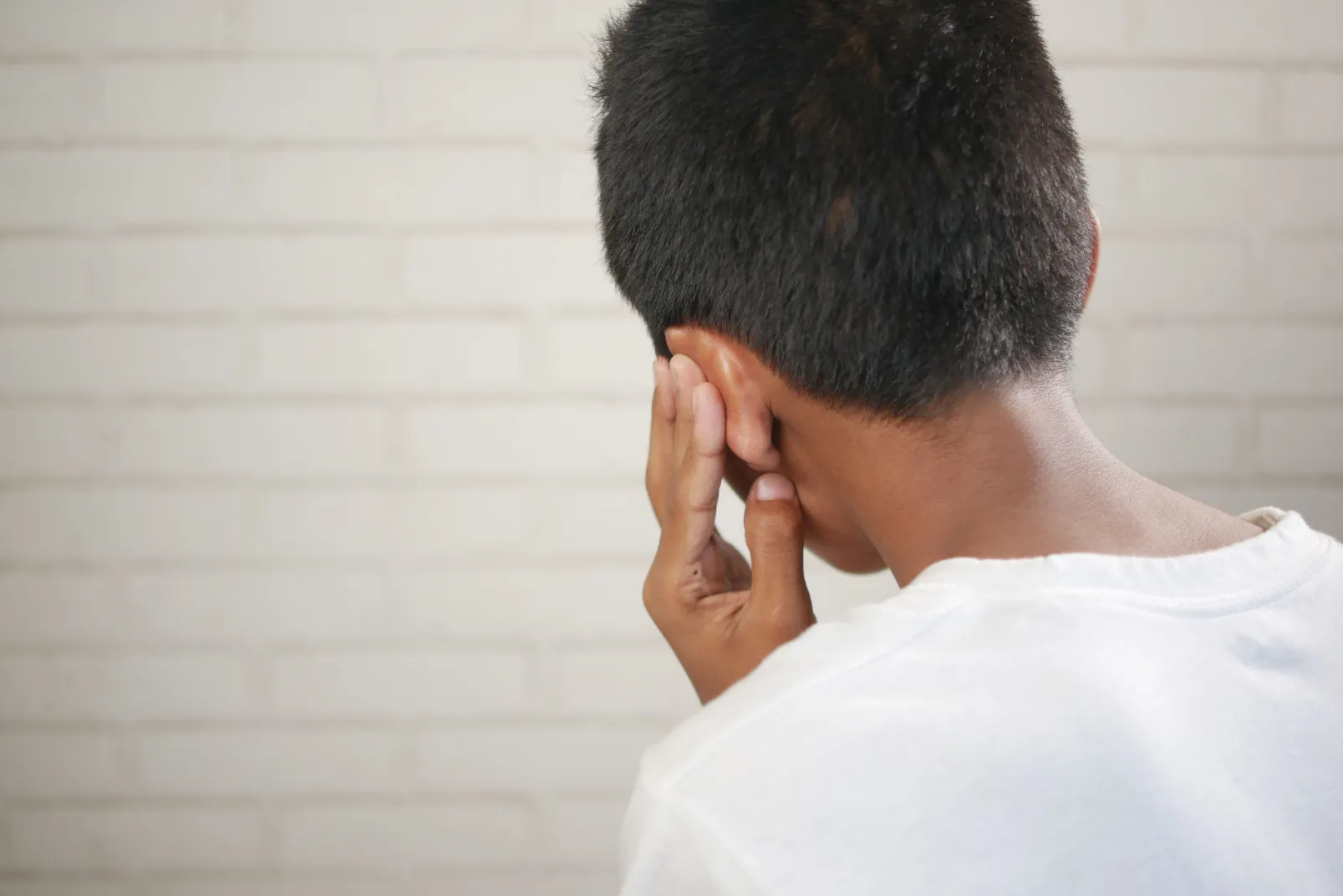
- Vestibular migraine is a type of migraine that causes dizziness, vertigo, and changes to your balance.
- Because symptoms overlap with inner-ear disorders and other conditions, vestibular migraine can take time to diagnose.
- Keeping a record of when episodes happen, how long they last, and the symptoms you experience can help your doctor build a clearer picture of your condition.
Sudden dizziness, vertigo, and balance problems can be frightening, especially if you don’t have the severe headache most people associate with migraine. You might wonder what’s causing your symptoms, and many people spend months looking for answers before receiving the correct diagnosis.
Vestibular migraine is a type of migraine where dizziness, vertigo, and balance problems are often the most noticeable symptoms.
In this article, we’ll explain what vestibular migraine is, how it’s diagnosed, and why documenting your episodes can make it easier to communicate what you’re experiencing and get the right support.
What is a vestibular migraine?
Vestibular migraine is a type of migraine that causes balance- and orientation-related (vestibular) symptoms. It is thought to be the second most common cause of dizziness worldwide, affecting 3% of the population.
Vestibular symptoms can appear before, during, or after an active migraine episode. Dizziness and vertigo symptoms can last anywhere from a few seconds to minutes, hours, or even days.
Stages of vestibular migraine
Like other forms of migraine, vestibular migraines typically present in four stages in the following order:
- Prodrome: This stage takes place before the headache phase begins. Symptoms include increased fatigue, difficulty concentrating, mood changes, excessive yawning, and specific food cravings.
- Aura: Aura refers to neurological symptoms, including seeing flashing or flickering lights, numbness or tingling, speech problems, and hearing changes. Auras can last anywhere from 5–60 minutes and usually occur before or alongside the headache phase. Only 25% of migraines are thought to occur with auras.
- Headache: This is when vestibular symptoms are usually most noticeable. You may experience vertigo, dizziness, unsteadiness, motion sensitivity, or loss of balance. Some people also develop moderate to severe throbbing head pain, nausea, or sensitivity to light and sound, while others have little or no headache.
- Postdrome: The final stage of a migraine attack, often called a “migraine hangover.” Common symptoms include fatigue, difficulty concentrating, and feeling generally drained. It can last from a few hours to up to 48 hours after the main phase of the attack.
Symptoms of vestibular migraine
Vestibular migraine shares many symptoms with other types of migraine, but it also causes vestibular symptoms that affect balance and your sense of movement.
Some of the most common symptoms of a vestibular migraine include:
- Vertigo (dizziness)
- Unsteadiness
- Loss of balance
- Sensitivity to motion
- Ringing in the ears
- Pressure in one or both ears
{{pro-tip-1}}
Causes of vestibular migraine
The exact cause of vestibular migraine is not fully understood. Experts believe it likely involves interactions between migraine-related neurological changes and the body’s balance system.
Like other types of migraine, a vestibular migraine can be triggered by specific environmental factors. Not everyone has the same triggers, but some common examples include:
- Stress
- Bright lights
- Poor sleep quality
- Skipping meals or fasting
- Weather changes
- Certain foods, like red wine, caffeine, or chocolate
- Hormonal fluctuations, including changes during menstruation
How vestibular migraine is diagnosed
No single test can diagnose vestibular migraine. Instead, diagnosis is usually a gradual process involving multiple appointments. Besides your doctor, you might see specialists, including neurologists, neuro-otologists, and ENT doctors.
Vestibular migraine symptoms can be difficult to describe. Not everyone experiences classic “room spinning” vertigo. Some people describe feeling suddenly unsteady, disconnected from their surroundings, pulled to one side, or as though the ground briefly disappeared beneath them.
Diagnosis can become even more complicated because some people don’t experience the headache that’s often expected with migraine. In these cases, dizziness, vertigo, motion sensitivity, or balance problems may feel like the main symptom, making the connection to migraine less obvious.
Because these sensations are subjective and can overlap with anxiety, inner-ear conditions, or other neurological disorders, vestibular migraine is often misdiagnosed. It can take a long time to get to the right answers.
Tracking your symptoms helps you remember every aspect of what you have experienced. Being able to refer back to notes makes it easier to get through a medical appointment and explain your symptoms. Your doctor may find it much easier to understand your condition.
Diagnostic criteria
The diagnostic criteria for vestibular migraine are as follows:
- At least 5 migraine episodes with moderate to severe vestibular symptoms lasting for up to 72 hours
- A current or previous medical history of confirmed migraine with or without aura
- Having one or more of the following migraine features during vestibular symptom episodes:
- Headache that has at least two of the following characteristics: one-sided, pulsating, moderate to severe in intensity, impacts activities of daily life
- Light or sound sensitivity
- Visual disturbances or aura
Other tests
Your doctor may order the following tests to rule out other conditions that could be causing your symptoms:
- CT scan
- MRI
- Electronystagmography (to test the health of your cranial nerves)
- Videonystagmography (to test your vestibular system)
- Hearing loss testing
Treating vestibular migraine
Managing vestibular migraine depends on the frequency and severity of episodes, and whether you have any co-existing medical conditions.
Preventative medications
Preventative (prophylactic) medications help reduce the frequency of migraine attacks. They are often taken daily to help extend the time between migraine episodes.
Examples include:
- Antidepressants, like amitriptyline (Elavil®) and venlafaxine (Effexor®)
- Calcium channel blockers, like verapamil in the US and flunarizine across parts of Europe and Canada
- Antiseizure medications, like topiramate (Topamax®) and sodium valproate (Depakote®)
- Beta blockers, like propranolol (Inderal®) and metoprolol (Lopressor®)
Medications to help manage symptoms during an attack
During a vestibular migraine attack, you might find it helpful to take medications that ease symptoms like head pain, nausea, dizziness, and vertigo.
Examples include:
- Pain medications, like ibuprofen or acetaminophen, can help offset the severity of headache pain.
- Prescription anti-nausea medications, like ondansetron (Zofran®) and metoclopramide (Reglan®), can help reduce nausea and vomiting associated with dizziness.
Vestibular rehabilitation
Vestibular rehabilitation is a form of physical therapy centered on supporting the vestibular system. It involves exercises focused on balance, movement, coordination, and motion sensitivity.
For some people, this therapy helps reduce dizziness, improve balance confidence, and make day-to-day activities feel more manageable. It may be especially helpful for people whose symptoms have become more chronic or who continue to feel dizzy between episodes.
Results can vary from person to person. Some people notice improvement within the first few weeks. Others find that certain exercises temporarily worsen symptoms before things improve.
If you or someone you love is struggling with ongoing dizziness, ask your doctor for more information on vestibular rehabilitation.
Lifestyle changes
Many people with vestibular migraine identify specific triggers that make attacks more likely. Because of this, lifestyle adjustments are often recommended to help reduce attack frequency and make the condition easier to manage over time.
Common lifestyle changes include:
- Stopping smoking
- Staying hydrated
- Eating consistently and avoiding fasting
- Exercising regularly
- Avoiding trigger foods
- Reducing stress levels
Get an accurate diagnosis faster
Getting diagnosed and treated for vestibular migraine is rarely straightforward. Symptoms often overlap with other balance, inner-ear, and neurological conditions, and not everyone experiences the same symptom patterns or migraine features. In many cases, it takes time and multiple appointments with different specialists to get the right diagnosis.
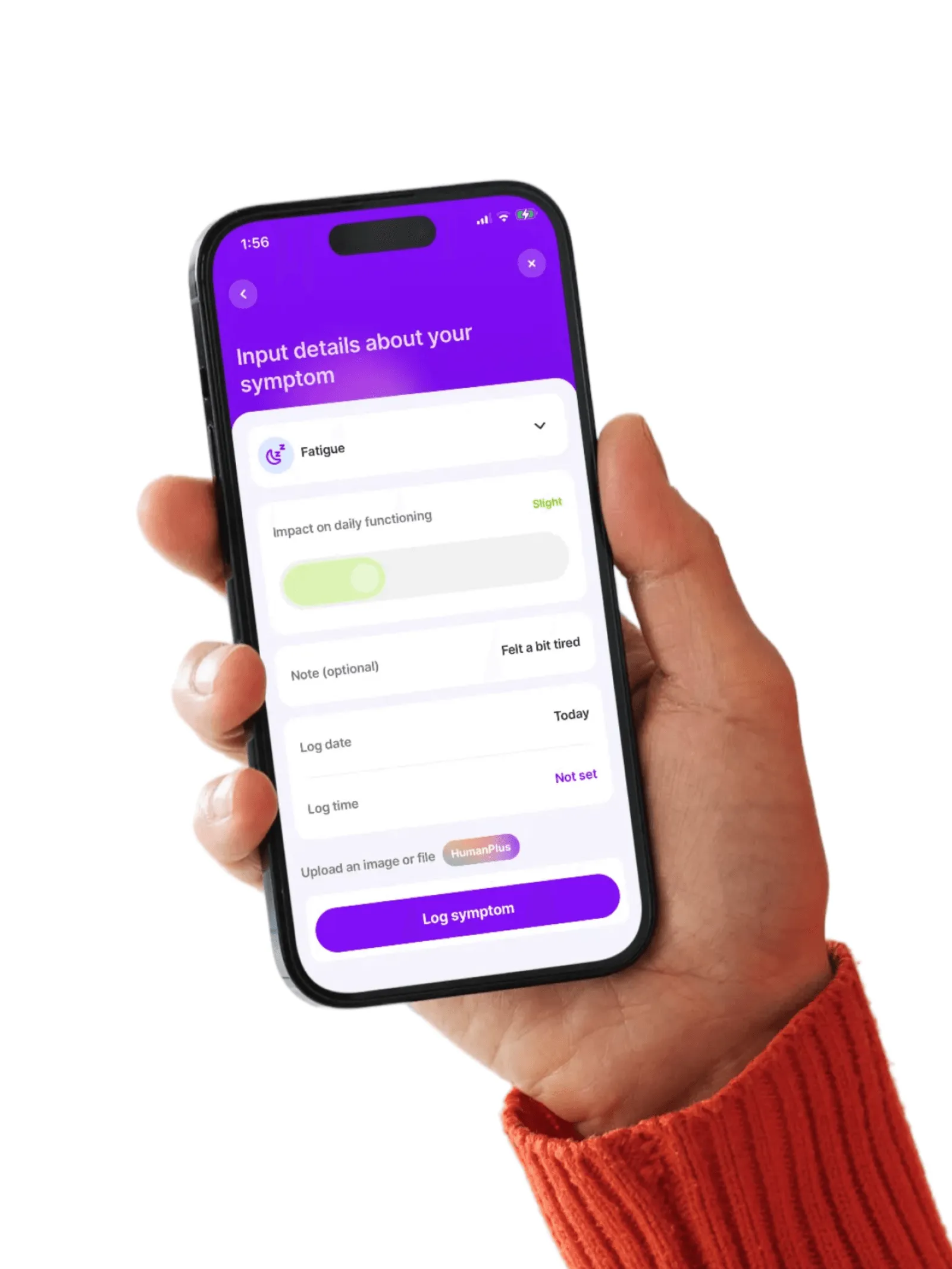
It can also be challenging to put your experiences into words. That’s why keeping a migraine diary, including details about your vestibular symptoms, can be so helpful. Using the Human Health app, you can compile all the information in one place and transform notes into PDFs to share with your doctor.
{{inline-cta-1}}
Frequently asked questions
Can you have a vestibular migraine without a headache?
Yes. Some people experience vestibular migraine primarily as dizziness, vertigo, motion sensitivity, or balance problems without severe headache pain. This is one reason the condition is often mistaken for an inner-ear disorder or anxiety-related condition.
Are vestibular migraines dangerous?
Vestibular migraines themselves are not dangerous or life-threatening, but they can put you in a dangerous situation depending on when they occur and where you are.
Symptoms like dizziness and vertigo escalate risk if an attack occurs while you are driving, on stairs, or in an unsafe location, as it increases your risk of accidents or falls.
What should you track during a vestibular migraine episode?
Tracking episode duration, dizziness or vertigo symptoms, other migraine symptoms (like headache, light sensitivity, or aura), possible triggers, and recovery time can help build a clearer picture of your condition over time.
Disclaimer: Human Health is a health tracking platform and does not provide medical advice, diagnosis, or treatment. The information in this guide is for educational purposes only and is not a substitute for professional medical care. Always consult your doctor or healthcare provider with questions about your health.
Sources:
- Vestibular migraine: an update (2024)
- Migraine With Aura, StatPearls (2024)
- Stages of a migraine attack, The Migraine Trust
- Migraine, MedlinePlus
- Vestibular migraine, Johns Hopkins Medicine
- Vestibular migraine (2022)
- Vestibular Migraine: How to Sort it Out and What to Do About it (2019)
- Vestibular migraine: diagnostic criteria (update) (2022)
- Vestibular migraine, Cleveland Clinic
- Vestibular migraine treatment: a comprehensive practical review (2022)
This is a div block with a Webflow interaction that will be triggered when the heading is in the view.

Learn more

Migraine with aura: What it is and what it feels like


Hemiplegic migraine: When migraine mimics a stroke

Migraine symptoms: What an attack feels like
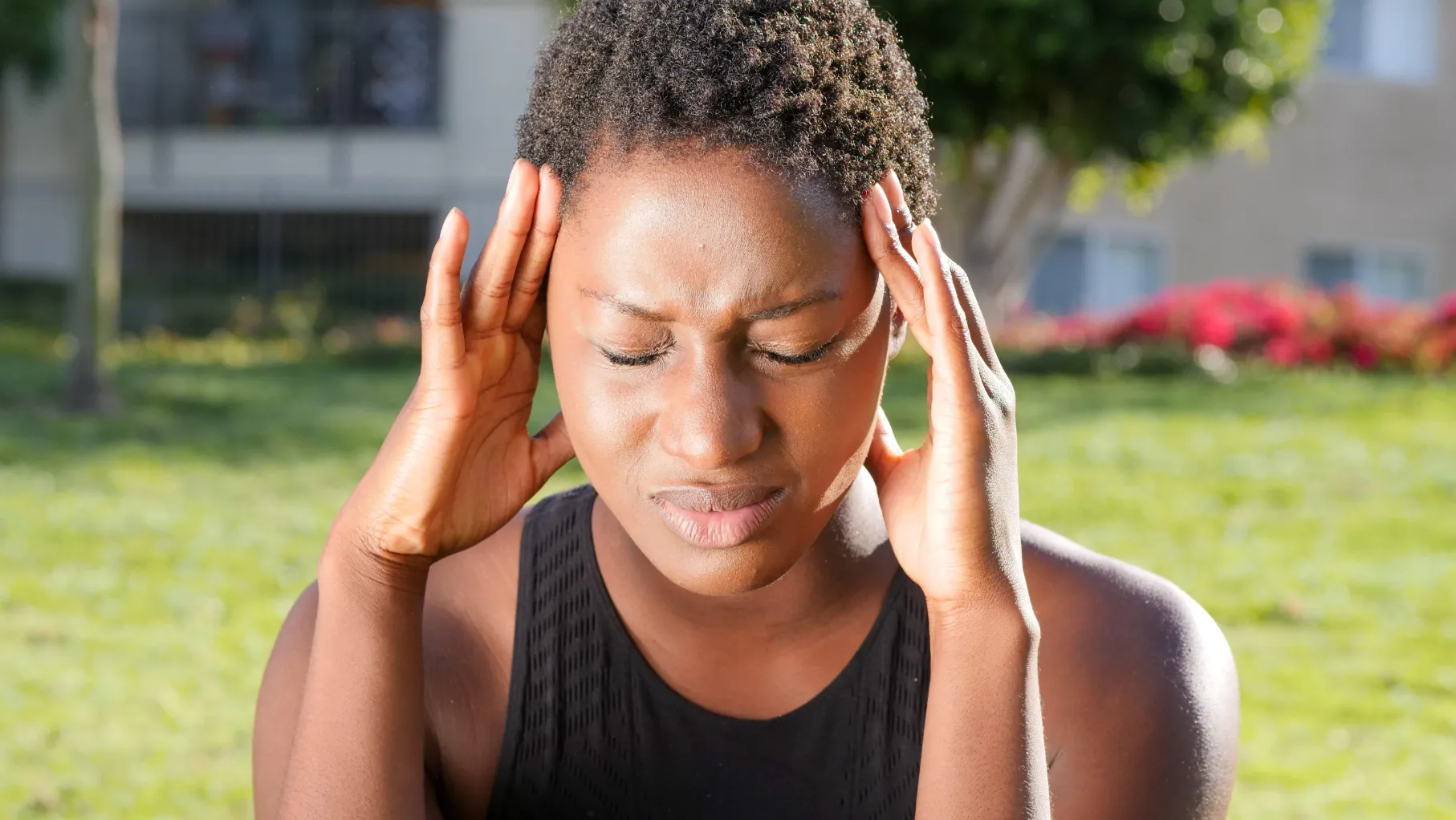
Silent migraine: Aura without the headache

What is an ocular migraine? Understanding your visual migraine symptoms
Track changes as they happen
Vestibular episodes can come and go in unpredictable ways. A simple log of when they happen and how long they last is useful both for spotting patterns and for explaining what you're experiencing to a specialist.


Pro tip
Vestibular episodes can be unpredictable. A simple log of when they happen and how long they last is useful both for spotting patterns and explaining what you’re experiencing to your doctor.
.png)


