Abdominal migraine in children: A guide for parents and carers

October 1, 2026

- Abdominal migraine is a type of migraine that typically affects children.
- It causes sudden episodes of moderate to severe abdominal pain alongside other symptoms like nausea, vomiting, pallor, and loss of appetite.
- Getting an abdominal migraine diagnosis for a child is difficult because it shares symptoms with other conditions. Keeping a detailed symptom journal is the best way to advocate for their care.
As a parent or carer, getting answers when your child is unwell is always a priority.
That is one reason abdominal migraine can be so frustrating. Although it is a recognized condition that primarily affects children, getting an accurate diagnosis can take time because its symptoms overlap with many other childhood conditions. Meanwhile, your child may continue to experience episodes of pain, nausea, or other symptoms while you search for answers.
If you suspect that your child may have abdominal migraine, this guide explains what it is, the symptoms to look out for, how it is diagnosed, and the treatment options available.
What is abdominal migraine?
Abdominal migraine is a type of migraine that primarily impacts children aged 3–10. It’s more common in children born female. Abdominal migraine in adults is rare.
If you’re wondering why this condition is called a migraine when it doesn’t usually involve a headache, you’re not alone. It’s often one of the first questions parents ask.
Abdominal migraine is considered a migraine disorder because it shares many characteristics with other forms of migraine, including recurring attacks, similar triggers, and a strong family link to migraine.
Some children with abdominal migraine develop more typical migraine headaches as they get older.
Abdominal migraine is characterized by the sudden onset of moderate to severe abdominal pain that lasts anywhere from 1 to 72 hours at a time. In many cases, this pain is enough to prevent a child from being able to participate in their typical routine.
Symptoms usually resolve after the abdominal migraine episode has finished. Lingering symptoms may point to an alternative diagnosis.
{{pro-tip-1}}
What is “stomach migraine”?
You might hear abdominal migraine referred to as a “stomach migraine.” While this isn’t a formal medical term, it is sometimes used to describe the condition because the symptoms primarily affect the abdomen rather than the head.
Symptoms of abdominal migraine in children
The primary symptom of abdominal migraine is moderate to severe pain in the abdomen, commonly occurring at the center or near the belly button.
This pain is often described as a dull ache that comes out of nowhere and can resolve just as quickly. Abdominal pain usually lasts between 1 and 72 hours at a time.
Pain isn’t the only symptom the child might experience. Other common symptoms include:
- Loss of appetite
- Nausea
- Vomiting
- Pallor (pale-looking skin)
Head pain—the symptom most people associate with migraine—is not a common feature of abdominal migraine. In some cases, children may experience other migraine symptoms, including aura symptoms like vision changes, during an episode.
{{pro-tip-2}}
How abdominal migraine is diagnosed in children
No definitive test can diagnose abdominal migraine. Instead, doctors diagnose the condition by reviewing the child’s symptoms, medical history, and family history, while also considering other possible causes of recurring abdominal pain.
Because abdominal migraine shares symptoms with many childhood conditions, getting an accurate diagnosis takes time and often requires multiple assessments.
Keeping a record of your child’s symptoms can be particularly helpful, as doctors often look for patterns in how symptoms occur over time.
Abdominal migraine diagnostic criteria
To help determine whether abdominal migraine is the most likely explanation, doctors compare the child’s symptoms against established diagnostic criteria:
- At least five attacks of abdominal pain that:
- Are located in the midline, around the belly button, or are difficult to pinpoint
- Feel “dull” or “just sore”
- Are moderate to severe in intensity
- Have at least two of the following associated symptoms:
- Loss of appetite
- Nausea
- Vomiting
- Pale skin
- Episodes last 2–72 hours when left untreated or treated unsuccessfully
- Symptoms completely resolve between attacks
Causes of abdominal migraine
The exact cause of abdominal migraine is not yet well understood. This uncertainty can be frustrating for parents and carers who simply want to understand what’s happening and help their child feel better.
Researchers have suggested that an overactive immune system, immune factors, and the connection between neurotransmitters in the brain and the gastrointestinal system may contribute.
Some children with abdominal migraine have identifiable triggers that increase their risk of having an episode. Examples include:
- Emotional stress
- Anxiety
- Swallowing excessive amounts of air
- Fatigue
- Motion sickness
- A change in sleep patterns
- Exposure to flickering lights
- Skipping meals or prolonged periods of fasting
- Excitement
Some families also notice that certain foods seem to be associated with episodes.
Commonly reported examples include chocolate, processed meats, and foods containing additives such as MSG, flavorings, or colorings. However, food triggers vary considerably from child to child, and many children with abdominal migraine do not have any obvious food triggers at all.
Rather than removing foods unnecessarily, it’s usually more helpful to track symptoms over time and look for consistent patterns before making dietary changes.
Treating abdominal migraine
Lifestyle strategies are the first line of treatment for abdominal migraine. Your child’s doctor might suggest following the STRESS mnemonic framework:
- Stress management: Reducing sources of stress in the child’s life can help reduce their risk of experiencing an episode. Some children benefit from learning coping strategies for stress and anxiety, sometimes with support from a healthcare professional.
- Travel: Avoiding triggers when traveling is essential. Packing anti-nausea medications, healthy snacks, and keeping sleep schedules consistent can help reduce risk.
- Rest: Ensuring your child gets plenty of rest before and after an episode is important. Keeping a consistent bedtime can help reduce the risk of fatigue-fueled flare-ups.
- Emergency signs: If your child develops a fever, has pain that wakes them at night, has difficulty swallowing, or is losing weight, get emergency medical care.
- Sparkling lights: Avoiding light stimuli, such as flashing or sparkling lights, can help reduce the risk of episodes.
- Snacks: Ensuring your child eats regular meals and snacks can help reduce the risk of episodes. Long periods without eating are a commonly reported trigger, so having healthy snacks available when you’re out and about can be helpful.
Depending on the child’s age and medical history, your family doctor may recommend pain medications such as non-steroidal anti-inflammatory drugs (NSAIDs), anti-nausea medications, and triptans to help reduce symptom severity.
In severe cases of recurring abdominal migraine with vomiting, hospital treatment may be needed. This can involve hydration therapy (fluids given via IV) to prevent dehydration.
For some children, lifestyle strategies and symptom management are enough to keep episodes under control. However, if attacks are frequent, severe, or significantly affect your child’s daily life, a doctor may recommend preventative treatments to help extend the time between episodes.
Getting an abdominal migraine diagnosis can be frustrating
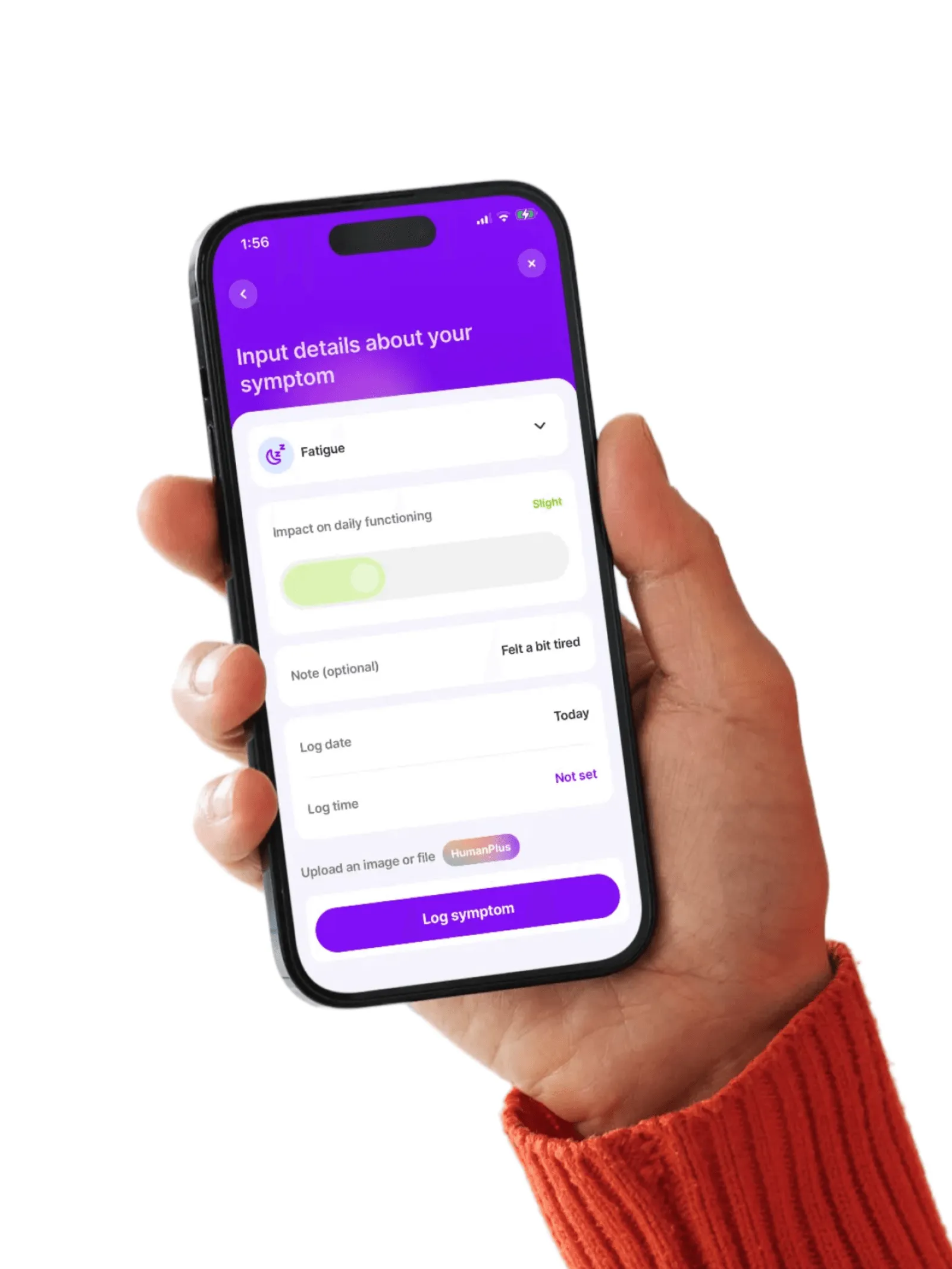
Keeping a record of your child’s episodes can help them get a diagnosis. Using the Human Health app, you can easily track your child’s episodes, including when they occur, how long they last, how your child describes their symptoms, and what seems to help during an episode.
This record is the strongest tool you can use to advocate for your child’s needs in an appointment with a healthcare professional. Having this information readily available can make appointments more productive and help ensure important details are not forgotten.
{{inline-cta-1}}
Frequently asked questions
Will my child outgrow their abdominal migraine?
Most children with abdominal migraine outgrow the condition as they enter their teens.
This being said, it is common for children with abdominal migraine to develop typical migraines as they age.
Monitoring symptoms, especially if your child begins to experience head pain during an episode, can help you better understand the transition.
What does abdominal migraine feel like?
Abdominal migraine causes sudden pain, often in the middle of the abdomen, near the belly button. It can feel like a dull ache and often has moderate to severe intensity, impacting the child’s ability to function and enjoy daily life. The abdominal pain may be accompanied by pale skin, loss of appetite, nausea, and vomiting.
What are the risk factors for developing abdominal migraine?
Abdominal migraine impacts 1–4% of school-aged children under the age of 10. Children with a family history of migraine and who were born female have an increased risk of developing the condition.
Should I take my child to the doctor for recurring stomach pain?
Yes. Recurring abdominal pain should always be discussed with a healthcare professional, especially if it is affecting your child’s daily life, causing them to miss school, or occurring alongside symptoms such as nausea, vomiting, or loss of appetite.
Disclaimer: Human Health is a health tracking platform and does not provide medical advice, diagnosis, or treatment. The information in this guide is for educational purposes only and is not a substitute for professional medical care. Always consult your doctor or healthcare provider with questions about your health.
Sources:
- Pediatric abdominal migraine: current perspectives on a lesser known entity (2018)
- Review of abdominal migraine in children (2020)
- Abdominal migraine, The Cleveland Clinic
- Abdominal migraine in a pediatric patient (2020)
- Abdominal migraine, The International Classification of Headache Disorders
- Abdominal migraine, Migraine Canada
- Abdominal migraine: causes, symptoms, and treatment, The American Migraine Foundation
- Q&A: Children’s migraine, The Migraine Trust
- Clinical features of abdominal migraine: a systematic review and summary of data from 662 patients (2026)
This is a div block with a Webflow interaction that will be triggered when the heading is in the view.


Learn more

Migraine with aura: What it is and what it feels like


Hemiplegic migraine: When migraine mimics a stroke

Migraine symptoms: What an attack feels like
Vestibular migraine: When migraine causes dizziness

Silent migraine: Aura without the headache
See patterns in your child's episodes over time
If you're a parent watching this happen, even rough notes of when it started, how long it lasted, and what your child described will be useful when you next see a pediatrician.


Pro tip
Keeping records of your child’s abdominal migraine episodes can be helpful. Even rough notes detailing how long the episode lasted and what your child describes it feeling like will be useful when you speak to a doctor.
Pro tip
Abdominal migraine often changes over time. Many children experience fewer episodes as they age, while some later develop more typical migraine headaches. Keeping track of symptom changes can help you and your child’s doctor understand how the condition is evolving.
.png)


