Cymbalta for Fibromyalgia: How It Works & What to Expect
.jpg)
September 29, 2026

- Cymbalta is the brand name for duloxetine, a medication approved in the US for fibromyalgia syndrome.
- Studies have compared Cymbalta with a placebo and found differences in pain, mood, and daily functioning for some people.
- People can respond differently. Some notice side effects, especially when starting the medication or changing the dose.
- Only a doctor can decide if Cymbalta is right for you and explain the possible benefits and risks.
Disclaimer: This guide is for informational purposes only. It is not medical advice and should not be used to diagnose, treat, or manage any condition. Always speak with a doctor or qualified healthcare provider about any symptoms or health concerns.
Living with fibromyalgia can feel overwhelming, especially when pain and fatigue interfere with daily life.
If you’re looking into Cymbalta for fibromyalgia, you’re likely trying to understand what it is and what to expect. Cymbalta is a medication approved for fibromyalgia and has been studied in clinical trials.
This article explains what Cymbalta is, what the research has examined, and why it’s important to discuss this option with a healthcare provider.
What is Cymbalta?
Cymbalta is the brand name for duloxetine. It is a prescription antidepressant that belongs to a group of medicines called SNRIs (short for serotonin and norepinephrine reuptake inhibitors).
SNRIs affect how certain chemical messengers work in the brain and spinal cord. These messengers are involved in how nerve signals are sent, including signals linked to pain and mood. Because fibromyalgia is thought to involve changes in how pain signals are processed, Cymbalta has been studied in this condition.
Cymbalta is approved by the US Food and Drug Administration (FDA) for fibromyalgia syndrome, as well as for depression and anxiety.
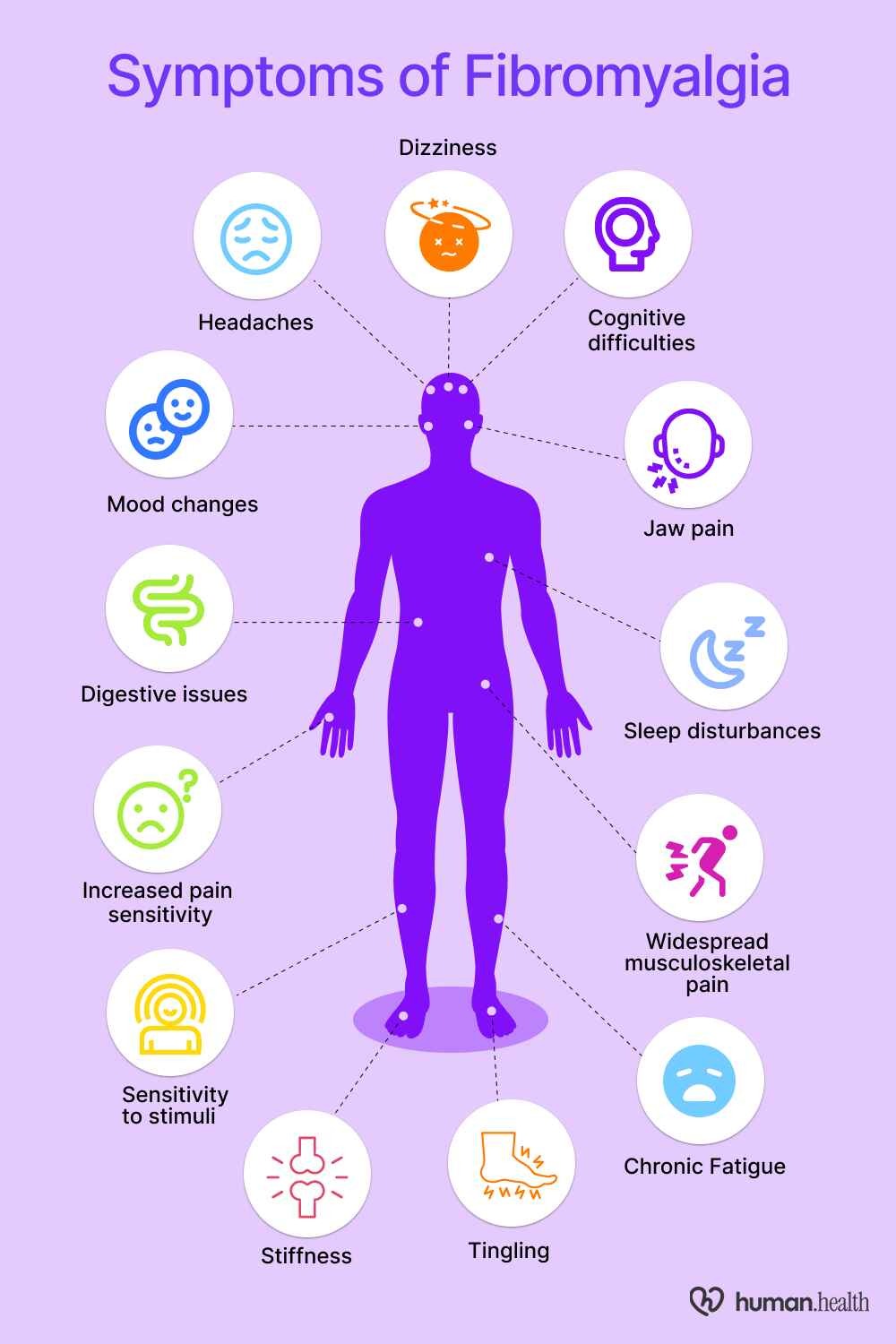
How Cymbalta may help fibromyalgia symptoms
Cymbalta affects two chemical messengers, serotonin and norepinephrine, which are involved in how nerve signals are sent in the body. Research has explored whether this dual action may be linked to changes in pain sensitivity and other fibromyalgia-related symptoms. Some studies have also looked at mood, sleep, and fatigue alongside pain.
Daily function
Ongoing pain can limit daily activities. Clinical trials used questionnaires to measure how pain affected everyday life. People taking Cymbalta reported different levels of pain interference than those taking placebo, meaning daily function changed for some, but not for everyone.
Mood and emotional health
Cymbalta is also approved for depression and anxiety. In fibromyalgia studies, mood-related measures changed alongside pain outcomes for some participants. This suggests possible links between Cymbalta and emotional health, though individual responses vary and need medical review.
Mental fatigue and “fibrofog”
Problems with focus and mental tiredness are common in fibromyalgia. Some studies found changes in mental fatigue scores among people taking Cymbalta compared with placebo. These findings suggest attention or concentration may change for some individuals.
Sleep and fatigue
Sleep issues and fatigue are often part of fibromyalgia. Studies included questions about sleep and energy as part of overall symptom impact. Results showed changes for some people, though Cymbalta was also linked to worsened sleep or fatigue in others.
Overall, research suggests Cymbalta may affect pain and related symptoms in some people with fibromyalgia, but responses vary widely. Because benefits and side effects can differ from person to person, these findings highlight the importance of individual medical assessment rather than general expectations.
{{inline-cta-1}}
Cymbalta dosage for fibromyalgia
When Cymbalta is prescribed for fibromyalgia, doctors usually adjust the dose gradually rather than starting at a full amount right away. This step-by-step approach is called titration. It allows your body time to respond and helps your doctor observe how you react to the medication.
Titration matters because side effects are more common when doses are increased too quickly. Studies note that tolerability can vary widely between people, so dose decisions are individualized.
Research shows that symptom changes are not immediate for everyone. In clinical trials, some effects were measured over several weeks, meaning improvement can take time.
Because Cymbalta doses are adjusted gradually, keeping track of when you start, change, or pause a dose can be helpful. The Human Health medication tracker lets you log medications alongside symptoms and daily experiences, so you can see how changes line up over time and discuss them more clearly with your healthcare provider.
{{pro-tip-1}}
Possible side effects and considerations
Like many medications, Cymbalta is linked to side effects in some people. Experiences vary, and only a doctor can assess risks in your case.
#1: Nausea
Nausea is the most commonly reported side effect in studies of Cymbalta. It can appear soon after starting the medication. Clinical trial data notes that nausea usually lessens or resolves within about one week for many people.

#2: Dizziness and drowsiness
Some people taking Cymbalta reported dizziness, fatigue, or feeling unusually sleepy. These effects were more frequent when compared with placebo in trials. Because fibromyalgia itself can involve fatigue, these changes may feel more noticeable for some individuals. Responses differ, and not everyone experiences these effects.
#3: Sleep disturbances
Sleep-related changes, including insomnia or daytime sleepiness, were reported in clinical studies. Since fibromyalgia often involves poor sleep quality, Cymbalta may affect sleep patterns in different ways. Some people reported worsening sleep issues, while others noted changes alongside shifts in pain or fatigue levels.
#4: Liver and blood pressure concerns
Less common but more serious considerations include effects on liver health and small increases in blood pressure or heart rate. Cymbalta is processed by the liver, and studies advise caution in people with liver problems or heavy alcohol use. Monitoring requirements are determined by a healthcare provider.
#5: Stopping or changing the dose
Clinical sources note that stopping Cymbalta suddenly can lead to uncomfortable symptoms such as dizziness, nausea, or headache. For this reason, dose reductions are described as gradual and supervised. Any changes in how Cymbalta is taken should be discussed with a doctor to reduce potential risks.
Taken together, these considerations show that while Cymbalta may help some people, side effects and risks vary. Discussing symptoms, medical history, and any changes you notice with a healthcare provider is essential when starting, adjusting, or stopping this medication.
{{pro-tip-2}}
Real patient experiences
People often look for real-world perspectives when learning about Cymbalta. Clinical trials do not include personal stories, but they do record how groups of people reported changes and challenges over time.
Positive outcomes
In studies, some people reported lower pain scores and less disruption to daily activities compared with placebo. Improvements were also seen in overall function and some mood-related measures. These results describe group trends, not individual outcomes.
“I've been taking it for years and it's been very helpful with brain fog in particular, which is my worst symptom. I still get flareups when the brain goes offline and the body wants me to sleep all day, but it was near constant before I started Cymbalta.” - poster in Reddit forum.
Mixed or neutral responses
Other participants reported little or no noticeable change. Research highlights that responses varied widely, even among people taking the same dose. This shows that Cymbalta does not affect everyone in the same way.
“I take 90mg of cymbalta and it helps with my anxiety/panic symptoms and depression, and doesn’t really do anything for my fibro pain. It seems to be a crapshoot with your body chemistry whether it actually helps or not, I happened to get success in the brain but not in the body.” - poster in a Reddit forum.
Difficulties or side effects
Side effects were common in trials, especially early on. Nausea, dizziness, fatigue, and sleep problems were frequent reasons some people stopped taking the medication. Higher doses were linked to more side effects without clear added benefit.
“Cymbalta made me extremely nauseous and i had stomach pain and headaches, extreme weakness, etc. My doctor said it would go away in 2 weeks after starting it, but it didn't get better for me.” - poster in a Reddit forum.
Tracking symptoms over time may help you notice personal patterns. The Human Health app lets you track symptoms, daily habits, and experiences, and export this information to share with your healthcare provider.
Alternatives to Cymbalta for fibromyalgia
Cymbalta is one option for fibromyalgia, but it is not the only one studied. Other medications and non-drug approaches have also been examined. A doctor can help explain how these options differ and which may be appropriate to discuss.
Alternative #1: Lyrica (pregabalin)
Lyrica is another medication approved by the FDA for fibromyalgia. It belongs to a different drug class than Cymbalta and has been studied for its effects on pain and fatigue. Side effects and responses vary between individuals.
Alternative #2: Savella (milnacipran)
Savella is also approved for fibromyalgia and is in the same general drug class as Cymbalta. Studies have compared its effects with other medications, showing differences in how symptoms like pain and fatigue may change across groups.
Alternative #3: non-drug approaches
Research guidelines describe non-drug options such as exercise programs, education, and cognitive behavioral therapy as part of fibromyalgia care. These approaches focus on coping and daily function rather than medication effects.
Together, these options highlight that fibromyalgia management is not limited to a single medication. Reviewing both drug and non-drug approaches with a healthcare provider can help you understand what to consider based on your symptoms and preferences.
Track your response to Cymbalta inside the Human Health App
If Cymbalta is part of your conversation with a doctor, tracking what you notice day to day can help you stay organized and informed.
The Human Health app lets you track symptoms, daily habits, and experiences in one place. You can export your information to share with your healthcare provider during appointments.
Download the Human Health app to start tracking, or read another article to learn more about fibromyalgia symptoms and options.
References
Hauser W, Petzke F, Sommer C. “Comparative efficacy and harms of duloxetine, milnacipran, and pregabalin in fibromyalgia syndrome” 2010; https://www.crd.york.ac.uk/CRDWeb/ShowRecord.asp?ID=12010004707
Chappell AS, Bradley LA et al. “A six-month double-blind, placebo-controlled, randomized clinical trial of duloxetine for the treatment of fibromyalgia” 2009; https://pmc.ncbi.nlm.nih.gov/articles/PMC2840539/
Scholz BA, Hammonds CL, Boomershine CS “Duloxetine for the management of fibromyalgia syndrome” 2009; https://pmc.ncbi.nlm.nih.gov/articles/PMC3004624/
Arnold LM, Clauw DJ et al. “Efficacy of Duloxetine in Patients With Fibromyalgia: Pooled Analysis of 4 Placebo-Controlled Clinical Trials” 2009; https://pmc.ncbi.nlm.nih.gov/articles/PMC2781036/
Wright CL, Mist SD et al. “Duloxetine for the treatment of fibromyalgia” 2011; https://pmc.ncbi.nlm.nih.gov/articles/PMC3056054/
Migliorini F, Maffulli N et al. “Duloxetine for fibromyalgia syndrome: a systematic review and meta-analysis” 2023; https://pmc.ncbi.nlm.nih.gov/articles/PMC10351165/
https://www.reddit.com/r/Fibromyalgia/comments/1ldc1vb/cymbalta_good_experiences/
https://www.reddit.com/r/Fibromyalgia/comments/zlznlm/deleted_by_user/
Disclaimer: The Human Health app is a health tracking platform and does not provide medical advice, diagnosis, or treatment. The information on this site is intended to support, not replace, conversations with your healthcare provider.
This is a div block with a Webflow interaction that will be triggered when the heading is in the view.

Learn more

Fibromyalgia and arthritis: Overlaps & management advice


Fibromyalgia ear pain: Causes, symptoms, and relief tips

Fibromyalgia and Sleep: Impact, Causes & 5 Management Tips

What are the differences between fibromyalgia and migraines?

Differences Between Fibromyalgia and Chronic Fatigue Syndrome
Track Your Fibromyalgia Symptoms with the Human Health App
Log pain levels, fatigue, mood, and sleep to see how Cymbalta affects your symptoms over time.


Pro tip
Pay attention to when changes happen, not just what changes.
When starting or adjusting Cymbalta, note when symptoms or side effects appear and how they change over time. Timing can matter as much as the symptom itself and can help your doctor decide whether changes are expected, temporary, or worth reviewing.
Pro tip
Separate fibromyalgia symptoms from medication effects when possible.
Because fibromyalgia symptoms can fluctuate on their own, it can help to note which changes started after beginning Cymbalta and which were present before. This can make it easier to discuss whether a symptom may be part of the condition or a medication-related effect.
.png)


