Fibromyalgia ear pain: Causes, symptoms, and relief tips
.jpg)
October 1, 2026

- Some people who live with fibromyalgia also report ear-related symptoms. These can include ear pain, a feeling of fullness in the ear, ringing sounds, sound sensitivity, dizziness, or balance issues.
- Ear pain linked to fibromyalgia may be connected to how the brain and nervous system handle sensory signals. This process is often described as central sensitization, where sounds or sensations may feel stronger or more uncomfortable.
- Ear pain does not always come from fibromyalgia. Ear infections, jaw joint problems, dental issues, or other conditions can also cause ear pain and need to be checked by a health professional.
- Tracking your symptoms over time may help you notice patterns and explain your experience more clearly during healthcare visits.
Fibromyalgia ear pain can feel frustrating, especially when ear exams do not show a clear cause. Some people with fibromyalgia report ear pain or discomfort as part of their symptom experience.
This guide explains how fibromyalgia and ear pain may be connected, which ear symptoms are commonly reported, what else might cause ear pain, and when to consider speaking with a doctor.
The fibromyalgia–ear pain connection: what’s really going on?
Some people living with fibromyalgia report ear pain or discomfort. In many cases, the pain does not seem to come from a problem inside the ear itself, and ear exams show no abnormality.
Instead, these symptoms may be linked to how the brain and nervous system process sensory signals. Fibromyalgia is often associated with central sensitization. This means the nervous system may amplify sensations, including pain, pressure, or sound around the ear. As a result, ear pain may feel very real even without visible ear disease.
{{pro-tip-1}}
What are the symptoms of fibromyalgia ear pain?
Ear symptoms linked with fibromyalgia can vary from person to person. They may involve pain, sound changes, or balance issues, even when ear exams appear normal.
Ear pain or earache
Some people with fibromyalgia may notice a dull or aching pain around the ear. This pain might be constant or come and go without signs of infection.
Feeling of ear fullness
A sensation of pressure or fullness in the ear may occur. This feeling may be uncomfortable and happen without fluid or blockage in the ear.
Ringing or buzzing sounds
Tinnitus, often described as ringing, buzzing, or hissing, may be present. These sounds can occur without any external noise and may vary in intensity.
Sound sensitivity
Some people may become more sensitive to everyday sounds. Noises that seem normal to others might feel uncomfortable or even painful.
Dizziness or balance issues
Dizziness or vertigo may also be reported. These symptoms can affect balance and may appear alongside other ear-related sensations.
Jaw-related ear discomfort
Ear pain may sometimes feel worse with chewing, talking, or jaw movement. This discomfort may come from the jaw or nearby muscles rather than the ear itself.
With the Human Health app, you can note symptoms and day-to-day experiences in one place. You can export this information to share with your healthcare provider to help describe patterns you observe over time.
{{inline-cta-1}}
Ways to manage fibromyalgia ear pain
Living with fibromyalgia-related ear pain can be frustrating. While only a health professional can guide care decisions, some approaches are commonly discussed with healthcare providers when ear symptoms appear alongside fibromyalgia.
1. Discussing overall fibromyalgia symptom patterns
Ear pain may be part of broader fibromyalgia symptom flares. Talking with your doctor about changes in pain, sleep, fatigue, or stress levels may help place ear symptoms in a wider context.
2. Exploring jaw or muscle involvement
Ear pain may sometimes be linked to jaw or muscle tension rather than the ear itself. If pain changes with chewing or talking, your doctor might consider whether jaw-related conditions are involved.
3. Reviewing sound and balance symptoms
Ringing sounds, sound sensitivity, or dizziness may occur alongside ear pain. Describing when these symptoms appear and how intense they feel can help guide further medical evaluation.
4. Reviewing current medications and treatments
Some people notice changes in their ear symptoms while taking medication. Your doctor may review treatments you are already using to understand possible patterns or side effects.
The Human Health app lets you track symptoms alongside your treatments, daily habits, and experiences. You can then export everything to share with your doctor.
{{pro-tip-2}}
When ear pain might not be caused by fibromyalgia
Ear pain does not always come from fibromyalgia. Sometimes, it may be linked to a separate condition that needs medical evaluation. This is especially important if the pain feels new, sharp, or different from your usual symptoms.
Possible causes of ear pain that are not directly related to fibromyalgia include:
- Ear infections, such as middle ear or outer ear infections
- Physical injury or trauma affecting the ear
- Pressure-related issues, including barotrauma or Eustachian tube problems
- Jaw joint conditions, such as temporomandibular disorder
- Dental problems that refer pain to the ear
- Pain referred from the neck or surrounding areas
Only a doctor can determine the true cause of ear pain and whether further tests are needed.
When should you see a doctor?
You should consider speaking with a doctor if ear pain is new, worsening, persistent, or different from what you usually experience with fibromyalgia. Medical review is important if you notice hearing changes, dizziness that affects balance, jaw pain with movement, or visible signs like swelling or discharge from the ear.
A doctor can help decide next steps. They may involve an ear, nose, and throat specialist for ear-related symptoms, or another healthcare provider if jaw, dental, or nerve-related causes are suspected.
{{pro-tip-3}}
Use the Human Health app to track your symptoms and flares
If ear pain is part of your fibromyalgia experience, keeping a clear record can support better conversations with your healthcare provider. The Human Health app gives you a space to log symptoms, habits, and day-to-day experiences. You can export these details to help your healthcare provider better understand symptom trends.
Start building a clear record of your symptoms by downloading the Human Health app, or browse other Human Health resources to learn more about tracking and fibromyalgia.
{{inline-cta-2}}
References
Iikuni F, Nomura Y et al. “Why do patients with fibromyalgia complain of ear-related symptoms? Ear-related symptoms and otological findings in patients with fibromyalgia” 2013; https://pubmed.ncbi.nlm.nih.gov/23700040/
Maini K, Dua A “Temporomandibular Syndrome” 2023; https://www.ncbi.nlm.nih.gov/books/NBK551612/
Bhargava J, Goldin J “Fibromyalgia” 2025; https://www.ncbi.nlm.nih.gov/books/NBK540974/
Earwood JS, Rogers TS, Rathjen NA “Ear Pain: Diagnosing Common and Uncommon Causes” 2018; https://pubmed.ncbi.nlm.nih.gov/29365233/
Skare TL, Freire de Carvalho J “Ear Complaints in Fibromyalgia: A Narrative Review” 2024; https://pmc.ncbi.nlm.nih.gov/articles/PMC11422319/
Disclaimer: Human Health is a health tracking platform and does not provide medical advice, diagnosis, or treatment. The information below is for educational purposes only and is not a substitute for professional medical care. Always consult your doctor or healthcare provider with questions about your health.
This is a div block with a Webflow interaction that will be triggered when the heading is in the view.

Learn more

Fibromyalgia and arthritis: Overlaps & management advice


Fibromyalgia and Sleep: Impact, Causes & 5 Management Tips

What are the differences between fibromyalgia and migraines?

Differences Between Fibromyalgia and Chronic Fatigue Syndrome

8 Tips for Fibromyalgia Stress Management in 2026
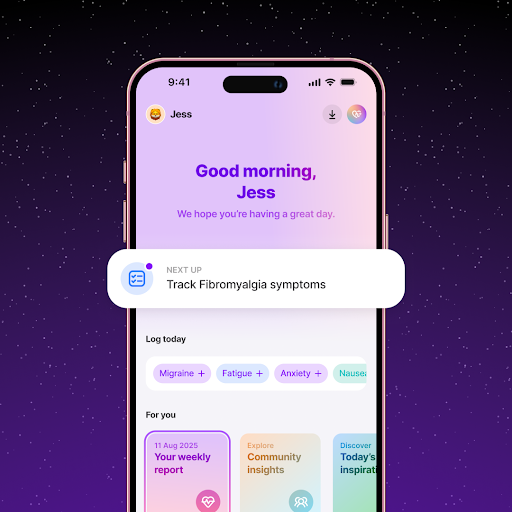
Track Your Ear Pain and Fibromyalgia Symptoms with the Human Health app
Using the Human Health app, you can log ear pain intensity, duration, and related symptoms to understand how they connect with fibromyalgia flare-ups.
Monitor Symptom Changes Over Time
The Human Health app helps you track when ear pain improves or worsens to see how treatments or lifestyle changes affect your symptoms.


Pro tip
If ear pain feels real but tests come back normal, that experience is still valid. Noting how the pain feels and when it appears can help you explain your symptoms more clearly during medical visits.
Pro tip
Keeping a clear record of ear pain, sound sensitivity, dizziness, and related symptoms can make medical conversations easier. Tracking can make it easier to notice changes and trends over time instead of trying to recall details later.
Pro tip
Before your appointment, write down when the ear pain started, how it feels, and what seems to make it better or worse. Bringing clear notes can help your doctor understand your symptoms more quickly and decide what to look into next.
.png)


