What are the differences between fibromyalgia and migraines?
.jpg)
October 1, 2026

- Fibromyalgia and migraine are long-term pain conditions that can happen together and may place a heavier strain on daily life than having just one of them.
- Both conditions are linked to changes in pain processing and increased sensitivity in the nervous system, which may help explain why they often occur together.
- Having both conditions can affect symptoms and daily life in different ways, so recognizing and tracking changes can help you and your healthcare provider build a clearer picture of your health.
Living with fibromyalgia and migraine can mean dealing with different types of pain, fatigue, poor sleep, and sensory sensitivity—sometimes at the same time. When symptoms overlap or worsen together, it can be difficult to understand what’s causing them and how one condition may be affecting the other.
Research suggests that fibromyalgia and migraine are closely linked, and having both conditions may increase the frequency and impact of symptoms.
In this article, we get into what researchers know about the connection, what having both conditions may mean for your daily life, and how tracking symptoms can help you spot patterns and have clearer conversations with your doctor.
What are the key symptoms of fibromyalgia and migraine?
Fibromyalgia symptoms
Fibromyalgia is characterized by widespread pain and increased sensitivity to pain.
Other common symptoms include:
- Muscle stiffness
- Fatigue
- Poor sleep
- Difficulty concentrating or remembering things
People with fibromyalgia may also experience frequent headaches, including migraine attacks, as well as digestive symptoms such as irritable bowel syndrome (IBS).
Migraine symptoms
Migraine causes recurrent attacks that can last from several hours to days.
Head pain is often throbbing or pulsing, typically affecting one side of the head. Pain often worsens with movement.
Other common symptoms include:
- Nausea
- Vomiting
- Sensitivity to light, sound, and odors
Around 1 in 4 people with migraine also also experience aura, which can cause visual changes, numbness, or difficulty speaking before or during an attack.
{{pro-tip-1}}
Fibromyalgia and migraine: What’s the link?
A large population study found that people with fibromyalgia had an increased risk of later developing migraine, while people with migraine also had an increased risk of developing fibromyalgia.
However, the association was stronger in people with fibromyalgia, who were more likely to later develop migraine than the other way around.
Researchers don’t fully understand why the conditions are linked, but shared changes in pain processing and other biological mechanisms may help explain their overlap.
Shared changes in pain processing
Both conditions are associated with changes in how the nervous system processes pain and other sensory signals. Increased sensitivity within the central nervous system, along with changes in neurotransmitters involved in pain signaling, may help explain why fibromyalgia and migraine often occur together.
Having both conditions may increase symptom burden
A 2026 study found that people with both conditions had more migraine days and were more likely to have chronic migraine (headaches on 15+ days each month).
They were also more likely to experience pain from normally non-painful sensations, such as light touch against the skin. The more severe their fibromyalgia symptoms were, the more frequent and disruptive their migraine attacks tended to be.
Mental health symptoms may affect both conditions
People with both fibromyalgia and migraine reported higher levels of depression, anxiety, and stress than those with migraine alone.
These psychological symptoms were associated with more frequent migraine attacks and a greater impact from headaches.
This shows why it is so helpful for doctors to consider both physical and mental health when managing the two conditions together.
How can you tell the difference between fibromyalgia and migraine?
Headaches are common in people with fibromyalgia, but not every headache is a migraine attack. Migraine has specific features that can help distinguish it from other types of headache.
Migraine pain is often throbbing or pulsing, may affect one side of the head, and can worsen with movement. Attacks may also cause nausea, vomiting, or sensitivity to light, sound, and odors. Some people experience aura symptoms, such as visual changes or numbness.
Other headaches may cause pressure, aching, or tightness without these additional symptoms. However, headache symptoms can overlap, and having fibromyalgia doesn’t make it possible to tell the cause of a headache based on pain alone.
Tracking when headaches occur, how long they last, accompanying symptoms, and possible triggers can help your healthcare provider identify patterns and determine whether you may be experiencing migraine or another type of headache.
Looking at the conditions side by side can make it easier to understand how they affect the body in different ways.
How these two conditions may affect daily life
Living with fibromyalgia and migraine may affect many parts of daily life. Ongoing body pain, fatigue, and poor sleep can make routine tasks feel harder to manage.
Migraine attacks may interrupt work, social plans, or family time because of strong head pain and sensitivity to light or sound.
When both conditions occur together, people often report a greater emotional strain, lower energy, and more difficulty keeping a regular daily routine.
{{inline-cta-1}}
Tips for managing migraines with fibromyalgia
Living with both conditions can feel overwhelming. These tips focus on awareness and communication, not treatment, and may support clearer discussions with your healthcare provider.
Tip 1: Notice symptom patterns
Pay attention to when migraines and body pain appear close together. Writing this down may help you describe possible patterns during medical appointments.
Tip 2: Track sleep and energy changes
Changes in sleep quality or daily energy often happen alongside pain. Tracking these shifts may help you explain how symptoms affect your day-to-day life.
Tip 3: Observe sensitivity to light or sound
Some people notice increased sensitivity before or during pain episodes. Recording these experiences may provide useful context for your healthcare provider.
Tip 4: Use symptom tracking tools consistently
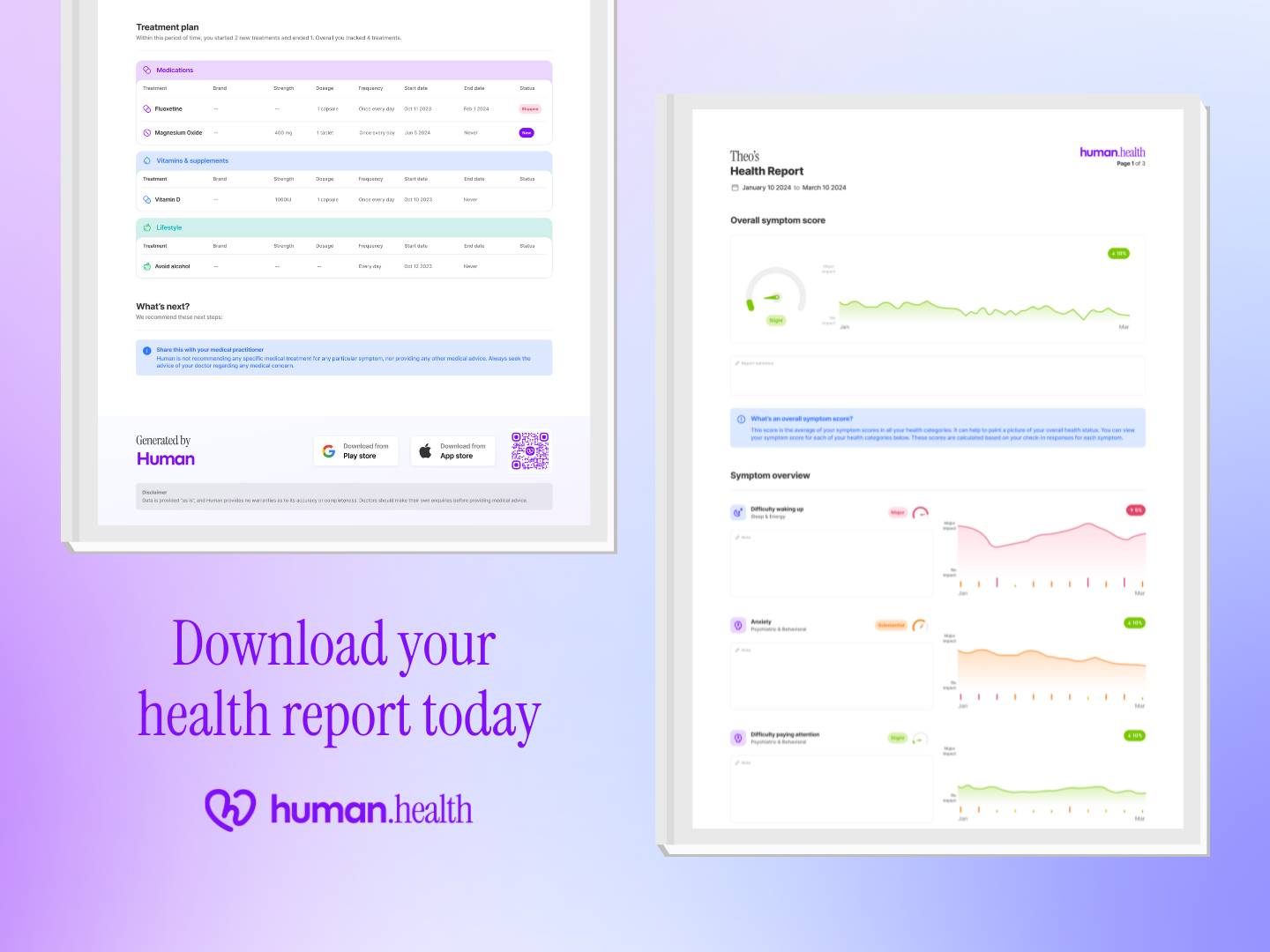
The Human Health app lets you track symptoms, daily habits, and experiences. Keeping records in one place may make it easier to share accurate information with your doctor.
Together, these approaches focus on building a clearer picture of how migraine and fibromyalgia symptoms show up over time. Having this information can support more informed conversations with a healthcare provider and help guide next steps.
When to seek medical advice
- If you have ongoing, widespread body pain that lasts for several months.
- If headaches are frequent, severe, or interfere with work, sleep, or daily activities.
- If pain is combined with long-term fatigue, poor sleep, or difficulty concentrating.
- If symptoms feel confusing, overwhelming, or are changing over time.
{{pro-tip-2}}
Track your fibromyalgia and migraine symptoms easily with the Human Health app
The Human Health app lets you track symptoms, daily habits, and experiences. You can export your information to share with your healthcare provider, helping support clearer conversations during appointments.
Start tracking your symptoms today, or read another blog to learn more about living with long-term pain.
{{inline-cta-2}}
Frequently asked questions
Can fibromyalgia cause migraines?
There’s no evidence that fibromyalgia directly causes migraine. However, the conditions often occur together and may share underlying mechanisms, including changes in how the nervous system processes pain.
Research also suggests that having either condition is associated with an increased risk of developing the other.
How can I tell if my headache is migraine or part of fibromyalgia?
Fibromyalgia can include frequent headaches, but there isn’t a specific type of “fibromyalgia headache.” Migraine attacks often involve throbbing or pulsing pain, nausea, and sensitivity to light or sound, but symptoms vary between people.
Tracking your headaches and accompanying symptoms can help your healthcare provider determine what type of headache you may be experiencing.
What’s the difference between a migraine and a headache?
Many people assume that migraines are just bad headaches. That’s not the case.
A headache is pain felt in the head or face and can have many different causes.
Migraine is a neurological condition that causes attacks involving symptoms beyond head pain, such as nausea and sensitivity to light or sound. Migraine attacks often involve throbbing or pulsing pain that worsens with movement, although symptoms can vary from person to person.
What does a fibromyalgia migraine feel like?
There isn’t a specific type of migraine called a “fibromyalgia migraine.” People with fibromyalgia can experience migraine attacks with symptoms such as throbbing or pulsing head pain, nausea, and sensitivity to light, sound, or odors.
Some research suggests that people with both conditions may have more frequent migraine attacks and greater sensitivity to touch or other normally non-painful sensations.
Disclaimer: Human Health is a health tracking platform and does not provide medical advice, diagnosis, or treatment. The information in this guide is for educational purposes only and is not a substitute for professional medical care. Always consult your doctor or healthcare provider with questions about your health.
Sources:
- The diagnosis of fibromyalgia syndrome, UK clinical guidelines (2022)
- Fibromyalgia, NHS
- Migraine, National Institute of Neurological Disorders and Stroke
- Migraine With Aura: Types, Symptoms & Treatments, American Migraine Foundation
- Bidirectional association between migraine and fibromyalgia: retrospective cohort analyses of two populations (2019)
- Migraine with comorbid fibromyalgia: psychological burden and impact on frequency and severity of migraine attacks (2026)
- The Impact of Fibromyalgia on Disability, Anxiety, Depression, Sleep Disturbance, and Quality of Life in Patients with Migraine (2018)
- Psychosocial Variables and Healthcare Resources in Patients with Fibromyalgia, Migraine and Comorbid Fibromyalgia and Migraine: A Cross-Sectional Study (2022)
- Patient Perspectives on the Impact of Fibromyalgia (2009)
- Migraine management: Non-pharmacological points for patients and health care professionals (2022)
- Impaired functioning and quality of life in severe migraine: the role of catastrophizing and associated symptoms (2007)
- Impact of migraine on fibromyalgia symptoms (2016)
- Fibromyalgia, StatPearls (2025)
- Factors and Reasons Associated with Hesitating to Seek Care for Migraine: Results of the OVERCOME (US) Study (2024)
This is a div block with a Webflow interaction that will be triggered when the heading is in the view.

Learn more

Fibromyalgia and arthritis: Overlaps & management advice


Fibromyalgia ear pain: Causes, symptoms, and relief tips

Fibromyalgia and Sleep: Impact, Causes & 5 Management Tips

Differences Between Fibromyalgia and Chronic Fatigue Syndrome

8 Tips for Fibromyalgia Stress Management in 2026
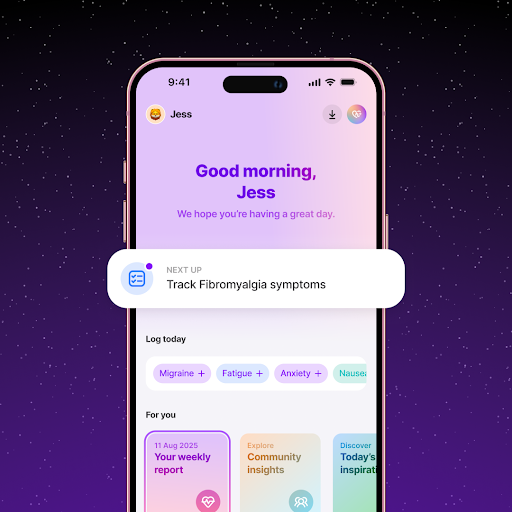
Track migraine and fibromyalgia symptoms together using the Human Health app
With the Human Health app, you can log headache intensity, duration, and pain levels to see how migraines and fibromyalgia flare-ups overlap.

Monitor Frequency and Severity Over Time with the Human Health app
Using the Human Health app, you can track how often migraines occur and how intense they are to evaluate what management strategies are working.


Pro tip
The Human Health app lets you track symptoms, daily habits, and experiences. Writing down when pain, fatigue, or headaches appear may help you notice patterns to share with your healthcare provider.
Pro tip
Tracking symptoms over time may help you describe what you are experiencing more clearly. Notes about pain, sleep, energy, and headaches can support more focused conversations with your healthcare provider.
.png)


