Fibromyalgia and Sleep: Impact, Causes & 5 Management Tips
.jpg)
October 1, 2026

- Fibromyalgia can be linked with sleep problems. People report waking up feeling unrefreshed, having trouble falling asleep, waking often during the night, or feeling that their sleep quality is poor.
- Sleep problems and pain in fibromyalgia may affect each other. Poor sleep can be linked with higher pain, and ongoing pain may interrupt sleep, creating a difficult cycle.
- Ongoing sleep disruption may be linked with fatigue, changes in mood, trouble concentrating, and limits in daily activities. These effects are commonly described by people living with fibromyalgia.
- Keeping track of sleep experiences and related symptoms can help you describe patterns to a doctor. Only a healthcare provider can evaluate symptoms and discuss what they may mean.
Disclaimer: This guide is for informational purposes only. It is not medical advice and should not be used to diagnose, treat, or manage any condition. Always speak with a doctor or qualified healthcare provider about any symptoms or health concerns.
Poor sleep can feel constant when you’re living with fibromyalgia.
Here’s how fibromyalgia and sleep problems are linked, and what you can talk through with your doctor.
How might fibromyalgia affect sleep?
Fibromyalgia may affect sleep in several ways. People with fibromyalgia report that their sleep feels light, broken, or unrefreshing.
Research describes fibromyalgia as involving changes in how the nervous system responds to pain. This heightened sensitivity may make it harder for the body to settle into deep, restful sleep.
Chronic pain linked with fibromyalgia may also disturb sleep in different ways:
- Pain may make it harder to fall asleep.
- Pain may cause frequent awakenings during the night.
- Pain may increase restlessness while sleeping.
- Pain may lead to waking up earlier than planned.
These patterns can vary from person to person.

Possible symptoms of fibromyalgia-related sleep disruptions
Noticing ongoing sleep changes can help you decide when it may be time to speak with a healthcare provider. These signs do not confirm a diagnosis, but they may help you describe your experience.
- Waking up still feeling tired
You might wake up feeling tired or unrested, even after many hours in bed. Sleep may feel light or incomplete rather than deeply restful.
- Trouble falling asleep
You may lie awake for a long time before falling asleep. This may happen even when you feel physically tired or ready for bed.
- Waking often during the night
You might wake up multiple times overnight or have trouble falling back asleep. These interruptions may break the flow of sleep.
- Poor sleep quality
You may feel that your sleep is low quality overall. Even full nights of sleep may not feel restorative or satisfying.
The Human Health app lets you log sleep-related symptoms alongside daily habits, and other experiences. Keeping these details in one place can help you notice patterns over time and make it easier to explain ongoing sleep issues during medical appointments.
{{pro-tip-1}}
{{inline-cta-1}}
Common sleep disorders associated with fibromyalgia
People living with fibromyalgia may report different sleep-related conditions. These do not affect everyone, but they are often discussed when sleep feels poor, broken, or unrefreshing. Experiences can vary widely.
Insomnia
Insomnia may involve trouble falling asleep, staying asleep, or waking too early. Some people with fibromyalgia report these patterns, especially when pain or discomfort interrupts sleep.
Nonrestorative sleep
Nonrestorative sleep means waking up feeling unrefreshed, even after enough time in bed. This experience is commonly described by people with fibromyalgia. Sleep may feel light or shallow.
Altered sleep patterns
Some research describes changes in sleep structure in fibromyalgia. These changes may affect how deeply you sleep and how rested you feel, even if total sleep time seems adequate.
Overlapping sleep conditions
Some people with fibromyalgia may also have other sleep conditions, such as breathing or movement-related sleep disorders. These may worsen sleep disruption and usually require medical evaluation.
Together, these sleep-related conditions highlight why sleep problems in fibromyalgia can feel complex and hard to pin down. Because experiences vary and multiple factors may be involved, discussing ongoing sleep issues with a healthcare provider can help guide appropriate evaluation.
5 ways to help manage sleep disorders caused by fibromyalgia
Sleep concerns linked with fibromyalgia can be addressed through ongoing conversations with a doctor. What is discussed can vary based on symptoms, daily impact, and personal experience.
1. Talking about sleep patterns with your doctor
A doctor may ask detailed questions about how long it takes you to fall asleep, how often you wake up, and how rested you feel in the morning. Describing these patterns clearly may help guide next steps.
2. Discussing pain and sleep together
Pain and sleep may affect each other in fibromyalgia. A healthcare provider might look at how nighttime pain and poor sleep seem to interact, rather than viewing them as separate issues.
3. Exploring behavioral sleep approaches
Some people are referred to structured sleep-focused programs, such as cognitive or behavioral approaches. These are usually discussed with a trained professional and may focus on sleep habits and thought patterns.
4. Reviewing mental and emotional health
Sleep disruption in fibromyalgia may also be linked with mood changes, stress, or anxiety. A doctor might ask about emotional well-being when sleep problems are ongoing.
#5: Considering other sleep conditions
If sleep issues are severe or unusual, a healthcare provider may check for other sleep disorders that can overlap with fibromyalgia. This helps ensure symptoms are fully evaluated.
You can use the Human Health app to track symptoms, daily habits, energy levels, and personal experiences in one place. Your entries can be exported and shared with your healthcare provider during appointments.
{{pro-tip-2}}
When to see a doctor for fibromyalgia-associated sleep disruptions?
You may want to see a doctor if sleep problems feel ongoing, severe, or start to affect your daily life.
This could include regularly waking up unrefreshed, struggling to fall or stay asleep for months, or noticing that poor sleep is linked with worse pain, fatigue, or mood changes.
A doctor can review your symptoms, check for other sleep conditions, and decide if referral to a sleep specialist is appropriate.
{{pro-tip-3}}
Track everything with the Human Health app
Writing things down can make it easier to explain sleep concerns to your doctor.
The Human Health app lets you track symptoms, treatments, and personal experiences in one place. Looking back over time may help you notice patterns that are easy to forget day to day. You can also export your entries to share with your healthcare provider before or during an appointment.
If you are ready to take the next step, try the Human Health symptom tracker today or read another blog to keep learning about related symptoms and experiences.
{{inline-cta-2}}
References
Keskindag B, Karaaziz M “The association between pain and sleep in fibromyalgia” 2017; https://pmc.ncbi.nlm.nih.gov/articles/PMC5447206/
Liedberg GM, Björk M, Börsbo B “Self-reported nonrestorative sleep in fibromyalgia – relationship to impairments of body functions, personal function factors, and quality of life” 2015; https://pmc.ncbi.nlm.nih.gov/articles/PMC4536834/
Bhargava J, Goldin J “Fibromyalgia” 2025; https://www.ncbi.nlm.nih.gov/books/NBK540974/
Martínez MP, Miró E et al. “Cognitive-behavioral therapy for insomnia and sleep hygiene in fibromyalgia: a randomized controlled trial” 2013; https://pubmed.ncbi.nlm.nih.gov/23744045/
McCrae CS, Williams J et al. “Cognitive behavioral treatments for insomnia and pain in adults with comorbid chronic insomnia and fibromyalgia: clinical outcomes from the SPIN randomized controlled trial” 2018; https://pmc.ncbi.nlm.nih.gov/articles/PMC6424087/
Disclaimer: The Human Health app is a health tracking platform and does not provide medical advice, diagnosis, or treatment. The information on this site is intended to support, not replace, conversations with your healthcare provider.
This is a div block with a Webflow interaction that will be triggered when the heading is in the view.

Learn more

Fibromyalgia and arthritis: Overlaps & management advice


Fibromyalgia ear pain: Causes, symptoms, and relief tips

What are the differences between fibromyalgia and migraines?

Differences Between Fibromyalgia and Chronic Fatigue Syndrome

8 Tips for Fibromyalgia Stress Management in 2026
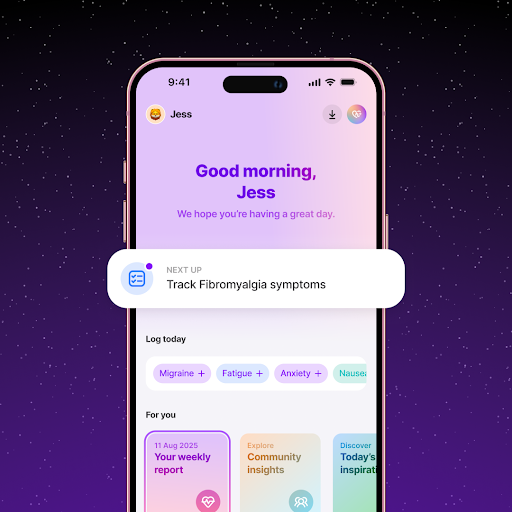
Track Your Sleep and Fibromyalgia Symptoms, Using the Human Health app
In the Human Health app, you can log sleep quality, duration, and pain levels to understand how rest affects your fibromyalgia symptoms.
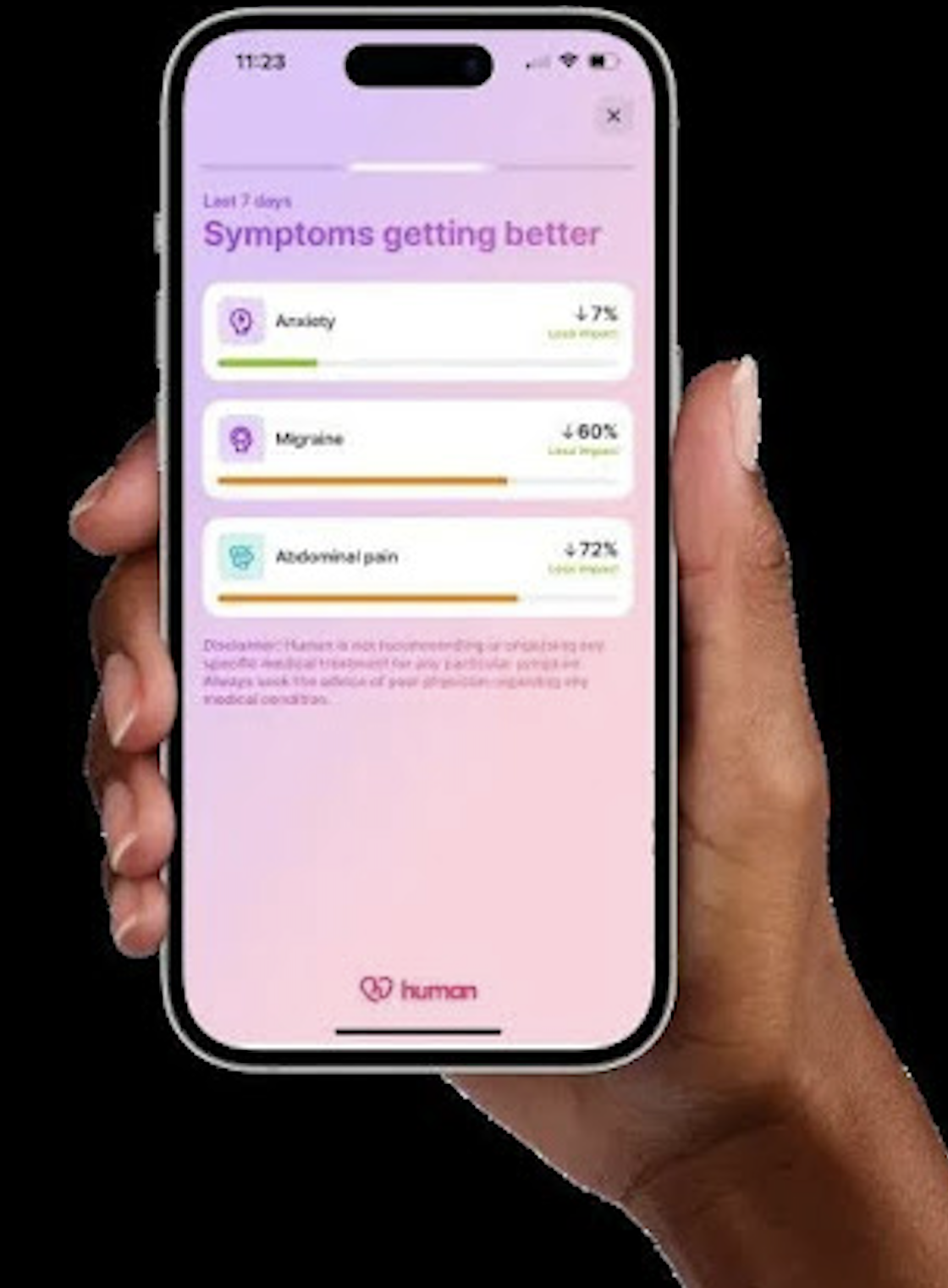
Share Sleep Insights with Your Care Team
With the Human Health app, you can turn your sleep and symptom logs into clear reports that help your healthcare provider personalize your fibromyalgia care plan.


Pro tip
Try noting how you feel when you wake up, not just how long you slept. Feeling unrefreshed can be as important to mention as the number of hours slept.
Pro tip
Writing down when sleep feels worse, how pain feels at night, and how you feel in the morning may make it easier to explain patterns.
Pro tip
Before a doctor visit, review your sleep notes and pick two or three patterns you notice most. This can help you explain your experience more clearly during the appointment.
.png)


