Fibromyalgia and ADHD: Link, Symptoms & How to Manage
.jpg)
October 1, 2026

- Research suggests ADHD symptoms are more common in people with fibromyalgia than in people without it, with studies reporting rates between roughly 25% and 45% in fibromyalgia groups.
- Fibromyalgia and ADHD can share symptoms such as brain fog, trouble concentrating, forgetfulness, and impulsivity, but they are different conditions with different causes and evaluations.
- Overlapping symptoms do not mean the conditions are the same. ADHD usually begins in childhood, while fibromyalgia is typically identified in adulthood and centers on widespread pain.
- Only a healthcare provider can assess symptoms and determine whether fibromyalgia, ADHD, both, or another condition may be involved.
Disclaimer: This guide is for informational purposes only. It is not medical advice and should not be used to diagnose, treat, or manage any condition. Always speak with a doctor or qualified healthcare provider about any symptoms or health concerns.
Living with ongoing pain and brain fog can be confusing and frustrating, especially when symptoms don’t fit neatly into one explanation. Some people notice attention, focus, or organizational difficulties alongside fibromyalgia symptoms.
Research suggests fibromyalgia and ADHD can overlap, and that ADHD symptoms may be more common in people with fibromyalgia.
This article explains what the research says about the possible link, shared symptoms, key differences, and when to talk to a healthcare provider.
What is the possible link between fibromyalgia and ADHD?
Some evidence suggests there may be a meaningful link between fibromyalgia and ADHD, based on how often ADHD symptoms appear in people with fibromyalgia.
Researchers found that ADHD symptoms were more common in women with fibromyalgia than in those without it. In this study, adult ADHD was identified in 29.5% of women with fibromyalgia, compared to 7.4% of the control group.
The same study found that 33.3% of the fibromyalgia group had ADHD symptoms during childhood or adolescence, compared to 11.1% in the control group. Other studies reported adult ADHD symptom rates in fibromyalgia ranging from 25% to 44.7%.
Fibromyalgia and ADHD may share problems related to the central nervous system. Both conditions involve changes in brain chemicals such as dopamine and norepinephrine. These chemicals are linked to pain processing, attention, and decision-making. Because of this overlap, researchers suggest that some people with fibromyalgia may also experience ADHD symptoms that are not always recognized.
Why might people with fibromyalgia experience ADHD-like symptoms?
Some people with fibromyalgia report symptoms that resemble ADHD, such as difficulty concentrating, planning, or remembering things. One possible reason is the ongoing strain of chronic pain and fatigue. Constant pain can demand a great deal of mental attention, leaving fewer mental resources available for focus and organisation.
Many people with fibromyalgia also describe “fibro fog”, a term often used for problems with concentration, forgetfulness, and slower thinking. Sleep problems, which are common in fibromyalgia, may further affect attention and mental clarity and make these symptoms more noticeable.
{{pro-tip-1}}
Shared symptoms between fibromyalgia and ADHD
Fibromyalgia and ADHD can share several symptoms related to attention and thinking. These overlaps can make it hard to tell which condition may be influencing your day-to-day experience. A doctor is needed to assess these symptoms properly.

Brain fog
Many people with fibromyalgia describe “brain fog.” This can include slowed thinking and mental confusion. Similar attention-related difficulties are also commonly reported in ADHD.
Forgetfulness
Forgetfulness is reported in both conditions. This can involve trouble recalling information, losing track of tasks, or forgetting daily activities. These memory issues are described in fibromyalgia and ADHD.
Trouble concentrating
Difficulty focusing is a shared symptom. People with fibromyalgia and ADHD may find it hard to stay on task or maintain attention for long periods.
Restlessness or impulsive behavior
Studies report higher levels of impulsivity in women with fibromyalgia compared to control groups. Impulsivity is also a core feature of some types of ADHD. This can feel like mental or behavioral restlessness.
Tracking when these symptoms appear may help you notice patterns. The Human Health app lets you track symptoms, daily habits, and experiences, which you can export to share with your healthcare provider.
{{pro-tip-2}}
Key differences between ADHD and fibromyalgia
ADHD and fibromyalgia can share symptoms, but they are different conditions. They differ in how they begin, how they are identified, and what doctors focus on during evaluation.
ADHD
ADHD is described as a neurodevelopmental condition that usually begins in childhood. Core features include trouble with attention, impulsivity, and restlessness. For an adult diagnosis, symptoms must have been present earlier in life. Assessment focuses on behavior, attention patterns, and daily functioning.
Fibromyalgia
Fibromyalgia is described as a long-term condition centered on widespread pain. It often includes fatigue, sleep problems, and cognitive symptoms like “fibro fog.” It is usually identified in adulthood. The evaluation focuses on pain patterns, symptom history, and the overall impact on daily life.
While ADHD and fibromyalgia can involve overlapping symptoms, they are defined and evaluated in different ways. Understanding these differences can help guide more focused conversations with a healthcare provider and reduce confusion when symptoms seem similar.
{{inline-cta-1}}
How to manage ADHD and fibromyalgia together
Living with overlapping symptoms can feel challenging. Some people explore supportive strategies to better understand their experiences. These ideas are not treatments and may not work the same way for everyone. A doctor can help guide your next steps.
#1: Structured routines
Simple routines may make daily tasks feel more predictable. Keeping regular times for activities can help you notice when focus or fatigue feels harder than usual.
#2: Pacing and rest
Fatigue is common in fibromyalgia. Paying attention to energy levels and allowing rest periods may help you notice patterns between tiredness and concentration.
#3: Mindfulness and awareness
Some people use mindfulness to notice thoughts, stress, or restlessness without judging them. This can support awareness of mental overload rather than trying to push through it.
#4: Professional consultation
Because symptoms overlap, talking with a healthcare provider is important. Only a doctor can assess whether symptoms relate to fibromyalgia, ADHD, both, or something else.
#5: Symptom tracking
Keeping a record of symptoms may help you spot changes and patterns over time. If you want to bring clearer details to appointments, the Human Health app helps you log what you are experiencing day to day and pull it into a shareable summary for your healthcare provider.
Managing overlapping symptoms often involves observation, adjustment, and ongoing discussion rather than quick fixes.

When to seek professional advice
It may be time to speak with a doctor if symptoms such as pain, fatigue, brain fog, or trouble concentrating are interfering with your daily life. This is especially important if symptoms feel persistent, worsening, or hard to explain.
{{pro-tip-3}}
Log fibromyalgia and ADHD symptoms and spot hidden connections
When symptoms shift from day to day, it can be difficult to explain what is happening in a short appointment. Tracking can help you keep a more reliable timeline, including what you noticed and when it changed.
The Human Health app helps you organize that information and share it with your healthcare provider when needed.
Download the Human Health app to start tracking today.
{{inline-cta-2}}
References
Jones EA, Asaad F et al. “Management of Fibromyalgia: An Update” 2024; https://pmc.ncbi.nlm.nih.gov/articles/PMC11201510/
Ladrón de Guevara CM, Fernández-Serrano MJ et al. “Executive function impairments in fibromyalgia syndrome: Relevance of clinical variables and body mass index” 2018; https://pmc.ncbi.nlm.nih.gov/articles/PMC5918817/
Türkoğlu G, Selvi̇ Y “Attention-deficit hyperactivity disorder symptoms and quality of life in female patients with fibromyalgia” 2021; https://pmc.ncbi.nlm.nih.gov/articles/PMC8569760/
Yılmaz E, Tamam L “Attention-deficit hyperactivity disorder and impulsivity in female patients with fibromyalgia” 2018; https://pmc.ncbi.nlm.nih.gov/articles/PMC6063452/
Bhargava J, Goldin J. Fibromyalgia. [Updated 2025 Jan 31]. In: StatPearls [Internet]. Treasure Island (FL): StatPearls Publishing; 2025 Jan. Available from: https://www.ncbi.nlm.nih.gov/books/NBK540974/
Magnus W, Anilkumar AC, Shaban K. Attention Deficit Hyperactivity Disorder. [Updated 2023 Aug 8]. In: StatPearls [Internet]. Treasure Island (FL): StatPearls Publishing; 2025 Jan-. Available from: https://www.ncbi.nlm.nih.gov/books/NBK441838/
Disclaimer: The Human Health app is a health tracking platform and does not provide medical advice, diagnosis, or treatment. The information on this site is intended to support, not replace, conversations with your healthcare provider.
This is a div block with a Webflow interaction that will be triggered when the heading is in the view.

Learn more

Fibromyalgia and arthritis: Overlaps & management advice


Fibromyalgia ear pain: Causes, symptoms, and relief tips

Fibromyalgia and Sleep: Impact, Causes & 5 Management Tips

What are the differences between fibromyalgia and migraines?

Differences Between Fibromyalgia and Chronic Fatigue Syndrome
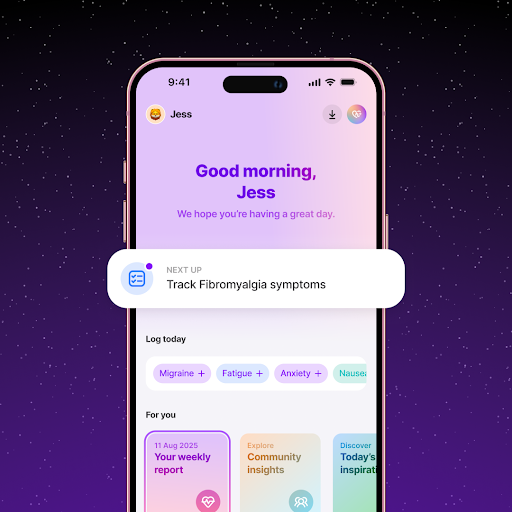
Track Your Fibromyalgia and ADHD Symptoms Together with the Human Health App
Log pain, fatigue, focus issues, and energy levels to understand how these conditions interact in your daily life.
Share Clear Insights with Your Care Team
Turn your symptom data into easy-to-read reports using the Human Health app that help your healthcare provider personalize your management plan.


Pro tip
When symptoms feel similar or hard to separate, writing down when they happen can make them easier to explain to a healthcare provider.
Pro tip
Symptoms can change from day to day. Writing them down when they happen (whether on paper or in the app) can be easier than trying to remember details later during a doctor visit.
Pro tip
Bringing clear notes about symptoms, timing, and impact on daily activities can support a more informed conversation.
.png)


