Fibromyalgia and alcohol: effects, risks & advice
.jpg)
July 29, 2026

- The relationship between drinking alcohol and fibromyalgia (FM) or chronic widespread pain (CWP) is complex and depends on how much you drink.
- Low-to-moderate alcohol consumption is associated with fewer reported symptoms, and better quality of life compared to not drinking at all, but this is an association, not proof that alcohol causes these differences.
- Heavy or excessive drinking and alcohol use disorder are linked with greater pain and new painful conditions.
- Alcohol may interact with common pain medications, so any decisions about drinking should be discussed carefully with your healthcare provider.
Disclaimer: This guide is for informational purposes only. It is not medical advice and should not be used to diagnose, treat, or manage any condition. Always speak with a doctor or qualified healthcare provider about any symptoms or health concerns.
When you ask, “Does drinking alcohol worsen fibromyalgia symptoms?”, the honest answer is that it may depend on how much you drink.
Research shows a complex pattern. Low-to-moderate alcohol consumption is associated with fewer reported symptoms and better quality of life. At the same time, heavy or excessive drinking is linked with more pain and risks, especially with medications.
In this guide, you’ll learn what current studies say about alcohol, fibromyalgia symptoms, medication interactions, and safety considerations to discuss with your healthcare provider.
Does drinking alcohol worsen fibromyalgia symptoms?
The relationship between alcohol and fibromyalgia symptoms is complex. How alcohol may relate to symptoms depends mainly on the amount you drink. Low-to-moderate drinking is associated with fewer reported symptoms, less disability, and better quality of life compared with not drinking at all.
These findings are associations only. They do not prove that alcohol reduces symptoms. People who drink moderately may simply have fewer restrictions, less severe symptoms, or different lifestyle patterns.
Heavy or excessive drinking shows the opposite pattern and is linked with more disabling pain, higher symptom burden, and conditions such as alcohol-related nerve problems and pancreatitis.

Does alcohol interact with fibromyalgia medications?
Alcohol can interact with many medications commonly used for fibromyalgia, and these interactions may pose serious health risks.
Alcohol can increase the sedative effects of opioids and benzodiazepines, which may lead to profound sedation or dangerously slowed breathing. Combining alcohol with acetaminophen may promote liver damage, and using it with non-steroidal anti-inflammatory drugs (NSAIDs), like ibuprofen and aspirin, may increase the risk of gastrointestinal bleeding.
These risks reflect real clinical danger, not just theoretical concerns. If you take prescription or over-the-counter medications, it is important to discuss any alcohol use with your healthcare provider.
{{inline-cta-1}}
Does the type of alcohol consumed make a difference?
Current research on fibromyalgia and chronic widespread pain focuses on how much alcohol you drink, not the type. Researchers explain that health effects are usually linked to ethanol itself rather than to other ingredients in beer, wine, or spirits.
There is no clear evidence showing that one type of alcohol affects FM symptoms differently. If you notice personal differences, tracking this and sharing it with your healthcare provider can be useful.
Our tip: Note timing and context
If you choose to drink alcohol, it may help to record when you drink and what else is happening that day, such as stress levels, sleep, or activities. This creates a clearer picture of your lived experience without making assumptions about cause. Bringing these notes to your healthcare provider can support more grounded conversations.
Other possible risks of drinking alcohol if you have fibromyalgia
Heavy or excessive alcohol use may introduce serious risks if you live with fibromyalgia or chronic widespread pain. These risks relate to medication interactions, increased pain, and conditions linked with high alcohol intake. Speaking with your healthcare provider can help you understand your personal safety.
#1: Increased pain and loss of associated benefits
Excessive drinking is linked with greater pain severity, higher disability, and the loss of any benefits seen with low-to-moderate consumption.
#2: Development of other painful conditions
Certain painful conditions are known to be caused by heavy alcohol use. Alcohol-related neuropathy involves nerve damage in which pain is a prominent feature. Alcohol-induced pancreatitis is an inflammatory condition that may cause severe abdominal pain. These conditions reflect clear health risks connected to high alcohol intake.
#3: Increased pain sensitivity during abstinence
Stopping alcohol after long-term heavy use may lead to hyperalgesia, which is an increased sensitivity to pain. Long-term high-level alcohol exposure may also affect the body’s opioid system, which can influence pain perception.
#4: Links with substance misuse
Research shows that past difficulties with alcohol or other substances are linked with a higher chance of misusing opioid medications. Higher alcohol intake may come before these medication-related risks, and alcohol-related problems are commonly reported in people living with chronic pain.
These risks show why it is important to be cautious and speak openly with your healthcare provider about your alcohol use.
{{inline-cta-2}}
Should you avoid alcohol altogether?
There is no simple answer to whether you should avoid alcohol if you live with fibromyalgia (FM).
Research shows that people who do not drink at all often report more pain and disability than those who drink at low-to-moderate levels, but these findings are only associations and do not show that alcohol improves symptoms. Heavy or excessive drinking carries clear risks, including medication interactions and increased pain.
Because everyone’s situation is different, it can help to talk with your healthcare provider about your current alcohol use and any concerns you have. You might also find it useful to note how your symptoms and daily habits change over time.
The Human Health app lets you track symptoms, daily habits, and experiences, and you can export your information to share with your healthcare provider.
Our tip: Use the same wording for your symptoms each time
Describing symptoms consistently can make it easier to notice patterns over weeks or months. Simple repeated labels like “aching,” “heavy,” or “sharp,” used in the same way each time, can help you and your healthcare provider understand how your experiences change over time.
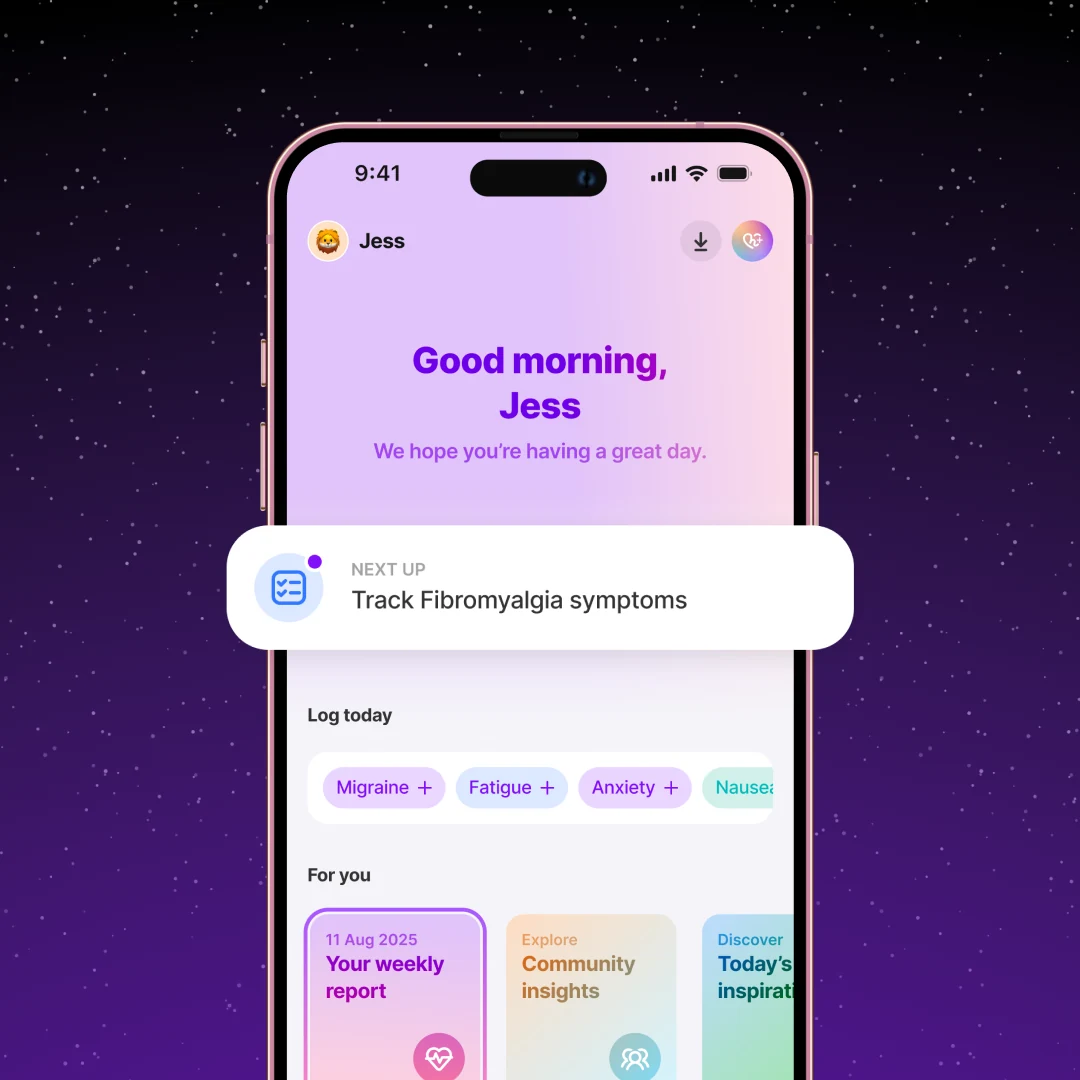
Make note of lifestyle changes & track your flare-ups using the Human Health app
Fibromyalgia can make everyday choices feel uncertain, especially when you’re trying to understand how your body responds over time. Many people say it’s hard to remember what changed on a “good” week versus a “hard” one, and those shifts can feel confusing or overwhelming.
Keeping a simple record of how you feel may help you notice patterns that are meaningful to you.
The Human Health app lets you track symptoms, daily habits, and experiences, and you can export your information to share with your healthcare provider. It’s a way to bring clearer, more organised information to your appointments so you can feel more supported in those conversations.
References
Kim CH et al. “Association between alcohol consumption and symptom severity and quality of life in patients with fibromyalgia”. Arthritis Research & Therapy. 2013;15(2):R42. Doi: https://doi.org/10.1186/ar4200
Zale EL et al. “Interrelations between pain and alcohol: An integrative review”. Clinical Psychology Review. 2015;37:57–71. Doi: https://doi.org/10.1016/j.cpr.2015.02.005
Macfarlane GJ et al “Alcohol consumption in relation to risk and severity of chronic widespread pain: Results from a UK Population-based study”. Arthritis Research & Therapy. 2015;17:136. Doi: https://doi.org/10.1186/s13075-015-0641-9
Disclaimer: The Human Health app is a health tracking platform and does not provide medical advice, diagnosis, or treatment. The information on this site is intended to support, not replace, conversations with your healthcare provider.
This is a div block with a Webflow interaction that will be triggered when the heading is in the view.

Learn more

Fibromyalgia Breast & Armpit Pain: Causes, Relief & More

Myalgia Vs Fibromyalgia: Differences & Management Advice

12 Natural Remedies for Fibromyalgia: Ease Symptoms Now

Fibromyalgia Flare Up: Signs, Symptoms, Triggers & Management

Fibromyalgia nausea: Possible causes & how to manage it
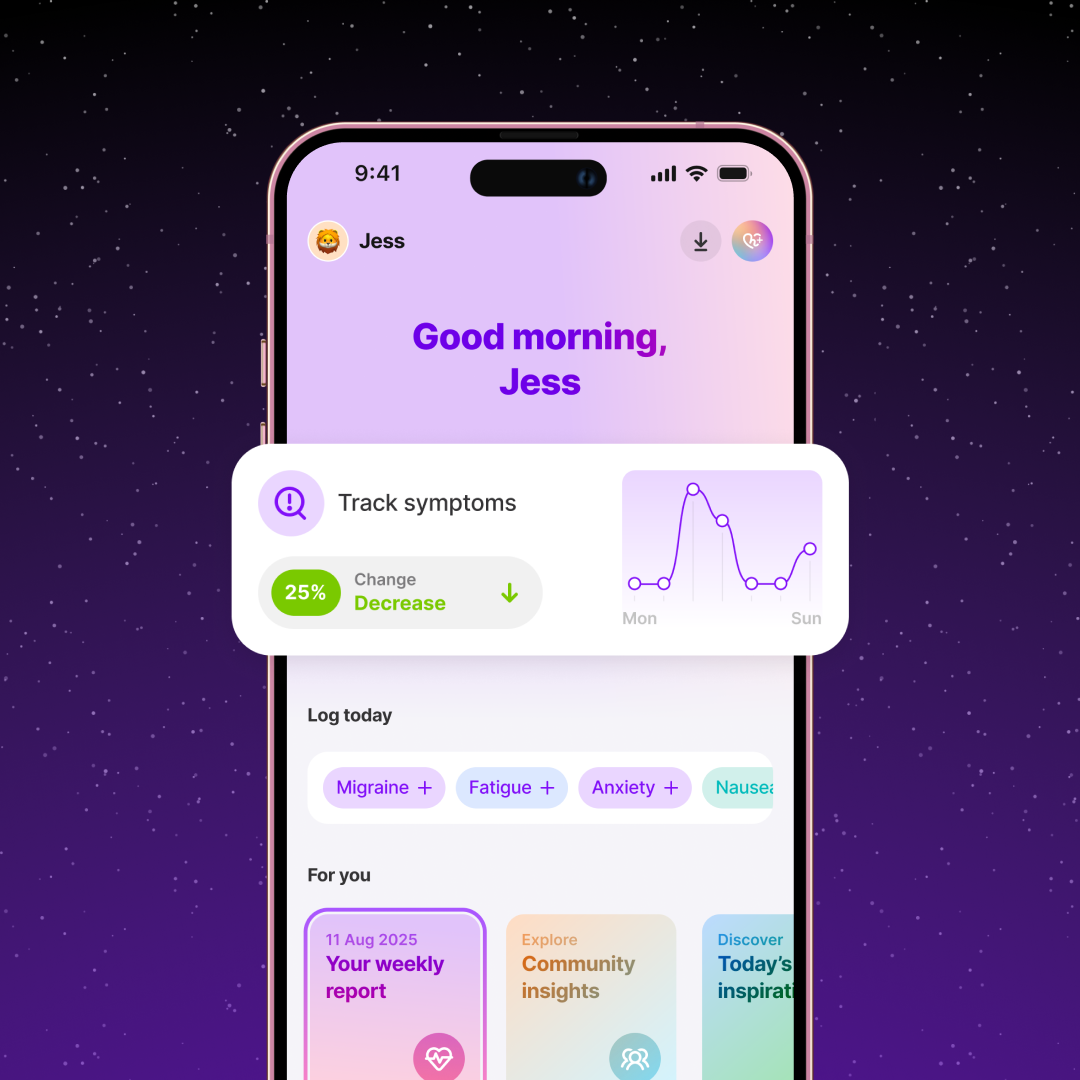
Track Your Flare-ups in the Human Health App
Log your daily symptoms, note possible triggers such as heat or stress, and share a PDF summary with your healthcare team to make each visit more informative.

Share Your Fibromyalgia Progress with Your Doctor
Use the Human Health app to generate clear, detailed symptom reports that make appointments more productive.


.png)


