Gabapentin and Fibromyalgia: Uses, Side Effects & Results
.jpg)
October 1, 2026

- Gabapentin is a medicine that was first used for epilepsy and later found to be useful for some types of nerve pain. It is sometimes prescribed for fibromyalgia, but it is not approved specifically for this condition.
- Evidence for gabapentin in fibromyalgia is very limited. Only one small study exists, and the quality of that evidence is rated as very low. Because of this, it is unclear whether it reduces fibromyalgia pain.
- In the single study available, some people reported moderate pain reduction, but the study did not measure large pain improvements, such as a 50% reduction. There is not enough evidence to support or reject its use for fibromyalgia pain.
- Side effects like dizziness, sleepiness, walking problems, and fluid retention were common in studies. Many people did not get meaningful pain relief but still experienced side effects.
Disclaimer: This guide is for informational purposes only. It is not medical advice and should not be used to diagnose, treat, or manage any condition. Always speak with a doctor or qualified healthcare provider about any symptoms or health concerns.
When fibromyalgia pain is ongoing, it’s common to look into medications that are used for nerve-related symptoms. Gabapentin is sometimes mentioned in this context, which can raise questions about whether it helps and what the evidence actually shows.
Research on gabapentin for fibromyalgia is limited and mixed, and it is not approved specifically for this condition.
This article explains what gabapentin is, what studies have found so far, possible side effects, and when it may be important to speak with a doctor.
What is gabapentin and how does it work?
Gabapentin is a medicine that was first developed to treat epilepsy. Over time, it has also been used for certain types of long-lasting pain caused by damaged or irritated nerves. It is taken by mouth, usually as a tablet or a liquid.
Gabapentin works differently from common pain relievers like anti-inflammatory drugs. Instead of blocking pain at the injury site, it changes how overactive nerves send signals to the brain. By calming these signals, it may reduce abnormal nerve activity linked to ongoing pain.
Gabapentin is not approved specifically for fibromyalgia, but doctors may still prescribe it based on individual symptoms.

Can gabapentin help with fibromyalgia symptoms?
Gabapentin is sometimes considered for fibromyalgia because the condition involves ongoing pain and changes in how the nervous system processes signals. In theory, medicines used for nerve pain may affect similar pathways.
When researchers looked specifically at gabapentin for fibromyalgia, they found very limited evidence. Only one small study was available.
Some participants reported moderate pain reduction and feeling somewhat better, but the study did not measure large pain improvements. Results varied, and it remains unclear whether gabapentin provides meaningful benefit for fibromyalgia.
{{pro-tip-1}}
Potential side effects and risks of gabapentin
Gabapentin can cause side effects, especially during long-term use. Serious side effects are uncommon.
Common side effects reported in studies
Side effects were reported more often by people taking gabapentin than by those taking a placebo. Not everyone experiences these effects, and their intensity can vary from person to person.
- Dizziness
About 19% of people taking gabapentin reported dizziness. This may make it harder to stay balanced or feel steady during everyday activities. - Sleepiness
Around 14% of participants reported feeling unusually sleepy or drowsy during the day. This may affect alertness or energy levels. - Problems with walking
Issues with coordination or walking, sometimes called gait disturbance, were reported by about 14% of people in studies. - Swelling
Fluid retention, also known as peripheral edema, occurred in roughly 7% of people. This is often noticed as swelling in the legs, ankles, or feet. - Headache
Headache was commonly reported in studies of gabapentin and similar medicines used for nerve-related pain.
{{pro-tip-2}}
What gabapentin dosage is recommended for fibromyalgia?
There is no standard gabapentin dose for fibromyalgia. Any dose must be decided by a doctor. Studies describe starting with a low amount and increasing it slowly to watch for side effects.
Always discuss dose changes with your healthcare provider.
Alternatives to gabapentin for fibromyalgia treatment
Fibromyalgia care often involves several options. What one person responds to may differ from another. Doctors may consider medicines and non-medication approaches based on symptoms and tolerance.
Pregabalin
Pregabalin is a medicine similar to gabapentin. It is approved for fibromyalgia in the United States. Studies show it affects nerve signaling linked to pain, but responses vary.
Duloxetine
Duloxetine is an antidepressant approved for fibromyalgia. It is sometimes chosen when pain, fatigue, or low mood are present together. Not everyone experiences the same effects.
{{inline-cta-1}}
Milnacipran
Milnacipran is another antidepressant approved for fibromyalgia. Research suggests it may affect pain and fatigue, but individual experiences can differ.
Cognitive behavioral therapy
Cognitive behavioral therapy focuses on changing thoughts, behaviors, and coping strategies which may help improve symptoms and quality of life. It is often discussed as part of a broader fibromyalgia care plan.
Physical activity and movement
Exercise and gentle movement are commonly included in discussions of fibromyalgia care. The type and intensity are usually tailored to the individual.
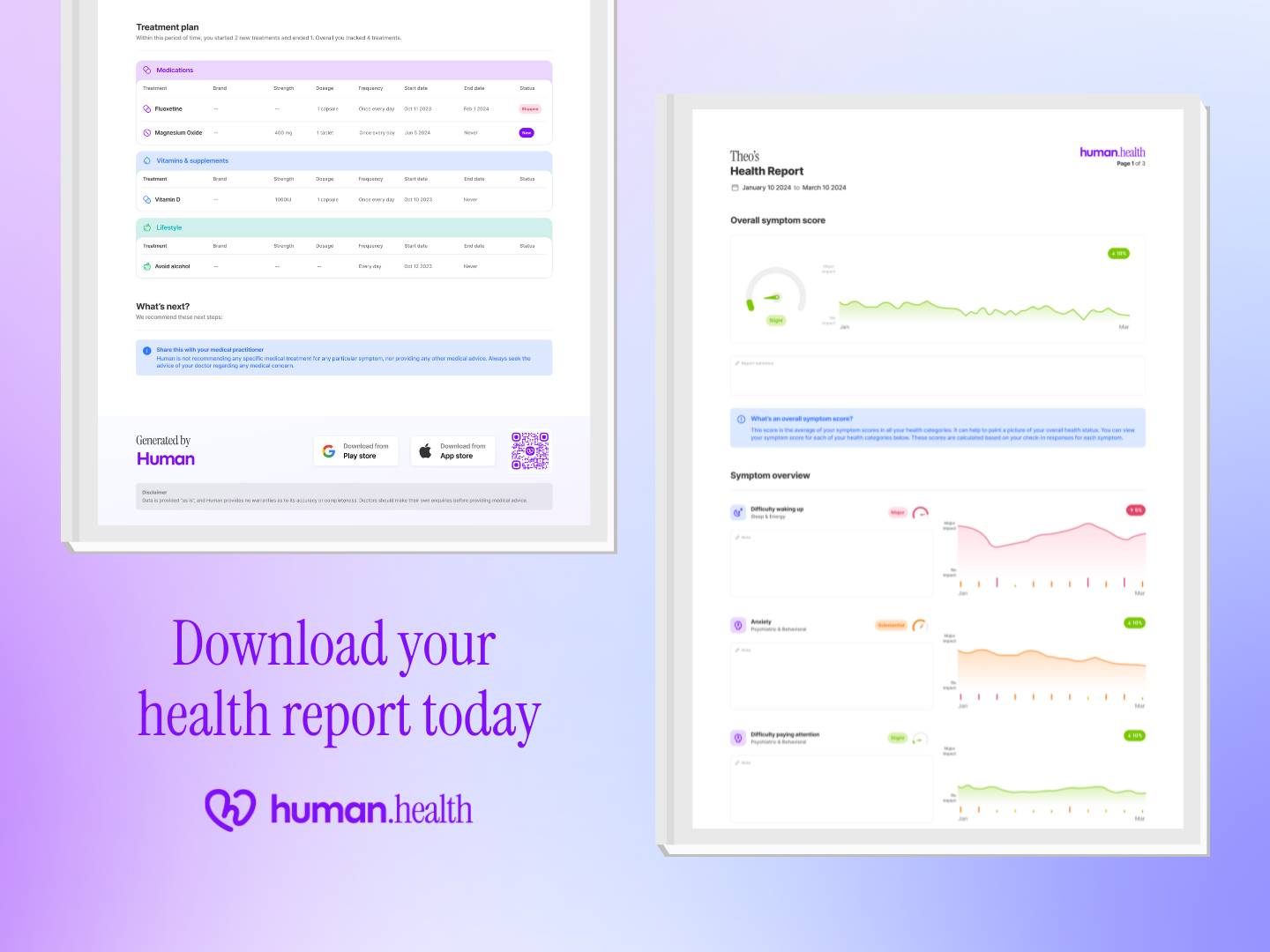
The Human Health app lets you record symptoms, daily habits, and personal experiences, and download this information to review together with your healthcare provider.
When to speak with your doctor?
You should speak with a doctor before starting gabapentin. It is also important to check in if side effects become hard to manage or if symptoms do not change during a trial period.
Only a doctor can assess potential benefits, risks, and whether other options should be considered.
{{pro-tip-3}}
Track your gabapentin use and fibromyalgia symptoms
When symptoms change from day to day, it can be hard to remember what improved, what didn’t, and when things shifted. Having a clear record can take some of that mental load off.
The Human Health app helps you keep track of symptoms, daily habits, and experiences in one place. Over time, this can make it easier to see patterns and bring clearer, more confident information into conversations with your healthcare provider.
If you want a practical way to stay organised and feel more prepared for appointments, you can download the Human Health app and start tracking at your own pace.
References
Yasaei R, Katta S, Patel P, et al. Gabapentin. [Updated 2024 Feb 21]. In: StatPearls [Internet]. Treasure Island (FL): StatPearls Publishing; 2025 Jan-. Available from: https://www.ncbi.nlm.nih.gov/books/NBK493228/
Jones EA, Asaad F “Management of Fibromyalgia: An Update” 2024; https://pmc.ncbi.nlm.nih.gov/articles/PMC11201510/
Cooper TE, Derry S, Wiffen PJ, Moore RA “Gabapentin for pain in adults with fibromyalgia” 2017, https://www.cochrane.org/evidence/CD012188_gabapentin-pain-adults-fibromyalgia
Wiffen PJ, Derry S, Bell RF, Rice ASC, Tölle TR, Phillips T, Moore RA “Gabapentin for chronic neuropathic pain in adults” 2017; https://www.cochrane.org/evidence/CD007938_gabapentin-chronic-neuropathic-pain-adults
Disclaimer: The Human Health app is a health tracking platform and does not provide medical advice, diagnosis, or treatment. The information on this site is intended to support, not replace, conversations with your healthcare provider.
This is a div block with a Webflow interaction that will be triggered when the heading is in the view.

Learn more

Fibromyalgia and arthritis: Overlaps & management advice


Fibromyalgia ear pain: Causes, symptoms, and relief tips

Fibromyalgia and Sleep: Impact, Causes & 5 Management Tips

What are the differences between fibromyalgia and migraines?

Differences Between Fibromyalgia and Chronic Fatigue Syndrome
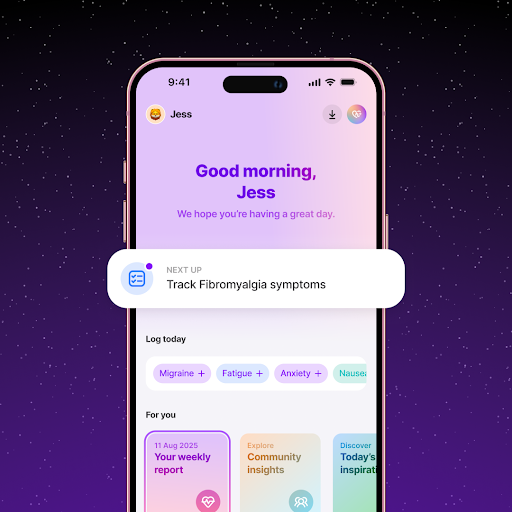
Track Your Fibromyalgia Symptoms With the Human Health App
Record dizziness, brain fog, or drowsiness to understand how your body responds to gabapentin and when side effects appear.


Pro tip
Pain levels alone rarely tell the full story. Noting changes in sleep, energy, daily activities, and side effects over time can help you and your doctor better understand how your body responds during a medication trial.
Pro tip
Keeping track of side effects alongside symptoms can support clearer conversations about whether a medicine feels tolerable for you.
Pro tip
Doctor visits are often short. Having written notes about symptoms, side effects, and daily changes can make it easier to explain what you are experiencing and ask focused questions.
.png)


