The 361 days doctors never see

October 7, 2026
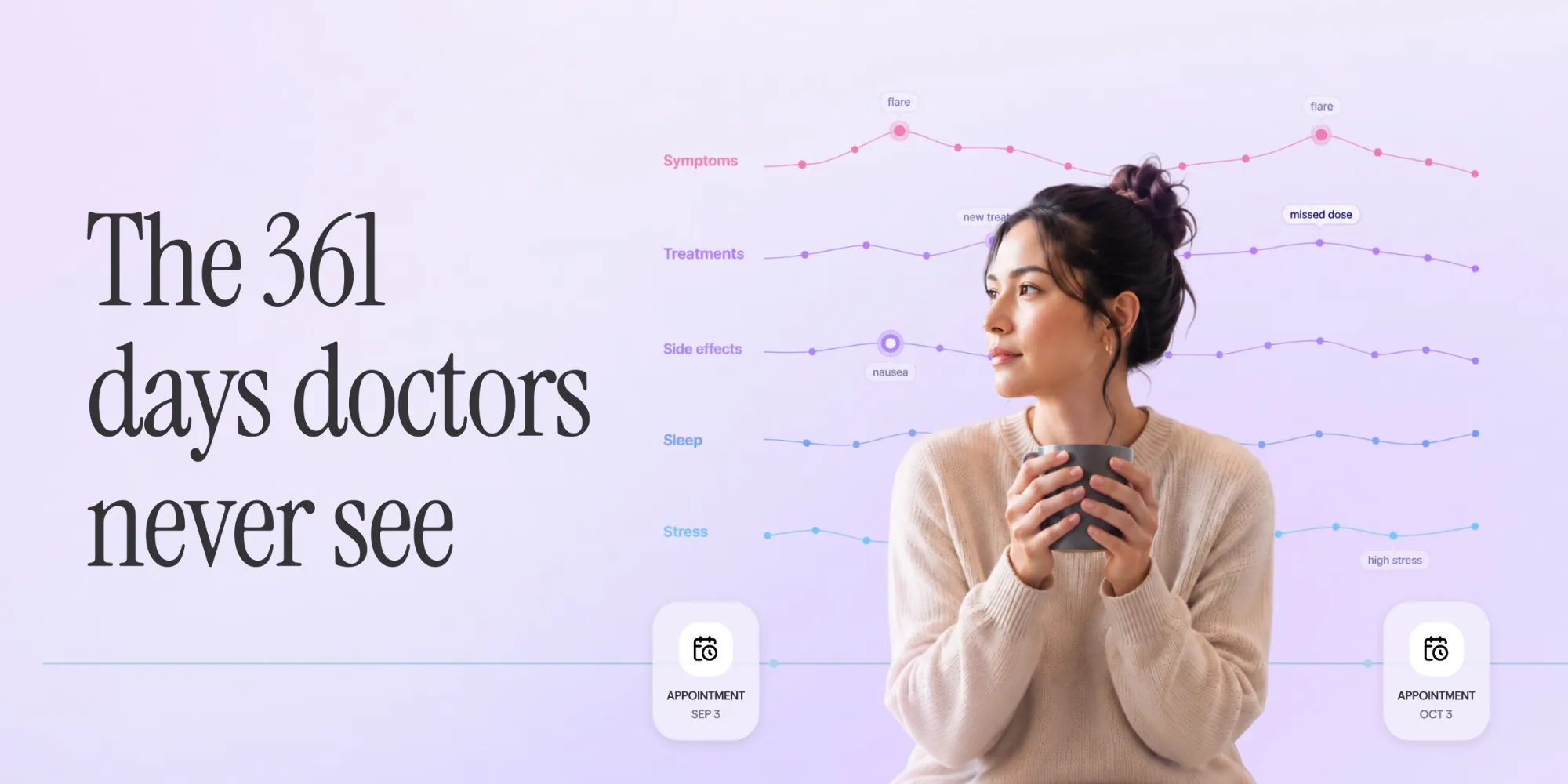
Someone at a patient organization said something recently that stuck with me. Their registry is built on quarterly clinic visits. But between visits, they are missing “361 days of lived experience per patient, every year.”
What’s in those 361 days that we aren’t seeing?
In the data we’re starting to see from that patient community alone: social withdrawal. Loss of identity in patients whose physical symptoms improve on new treatments but whose mental health deteriorates because they no longer know who they are without the illness. The gastrointestinal symptoms that patients discuss in forums but that don’t make it into clinical notes. The off-label effects of drugs that researchers aren’t formally capturing.
These are things patients are dealing with, and trying desperately to make sense of by themselves.
The problem we’re trying to solve at Human Health: the gap between what a patient experiences and what a medical record captures is enormous.
There is a lot of excitement at the moment about the potential for AI and genetic medicine to drive medical breakthroughs. But AI is only as good as the data you train it on. If the data misses most of what happens to a patient, what might its findings miss too?
People carrying the same diagnosis can have very different symptoms, respond differently to treatments, and follow very different paths over time.
If we want to understand those differences, we need to capture them. What changed first? Which symptoms typically happen together? What else was going on at the time?
Electronic health record (EHR) and registry data right now only give us a fraction of that picture.
When we ask people on our platform whether they’d like to contribute to research, 60% say yes. These are people who have been bounced between specialists, been told their symptoms are “in their head” and been left without answers for years.
The data they generate is detailed in ways existing datasets are not. It captures the missing days and the connections no one ever asked about. And at scale, it can help researchers identify patterns they couldn’t otherwise see.
That doesn’t mean every pattern is a definitive answer. It means we have something to investigate: a signal that might never have made it into a clinical note or a research question.
The patient noticing a change at home, wondering whether it matters, and bringing it up in a forum is already paying attention.
At Human Health, we’re trying to build the platform that captures that patient experience at scale. By filling in those gaps, we can drive real medical breakthroughs for the patients who need them most.
This is a div block with a Webflow interaction that will be triggered when the heading is in the view.

Learn more
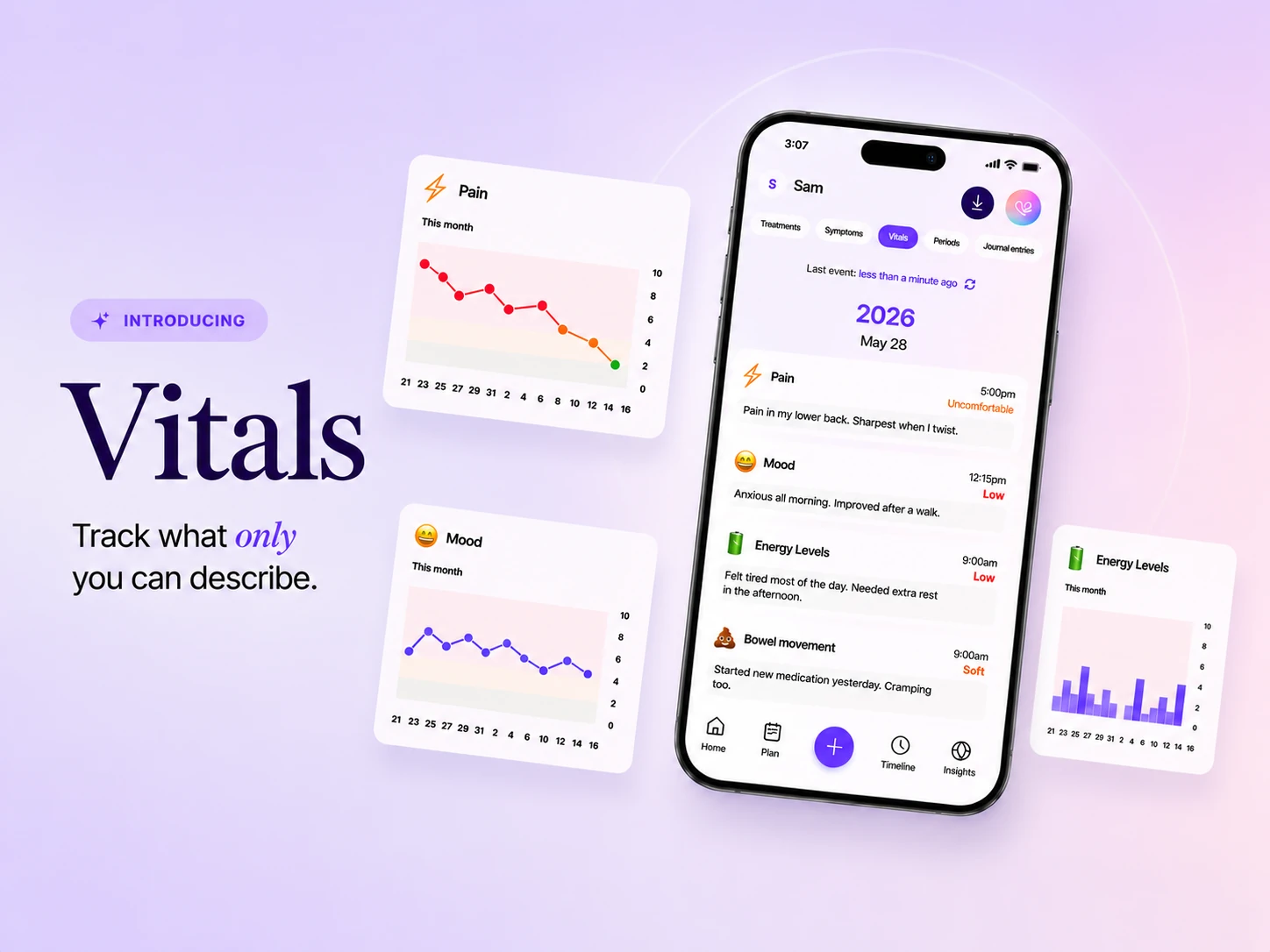
Introducing Vitals: track what only you can describe


Research matching with Human: Your data, new discoveries

Privacy and Security at Human Health

A spreadsheet and two sick kids: why Human Health exists
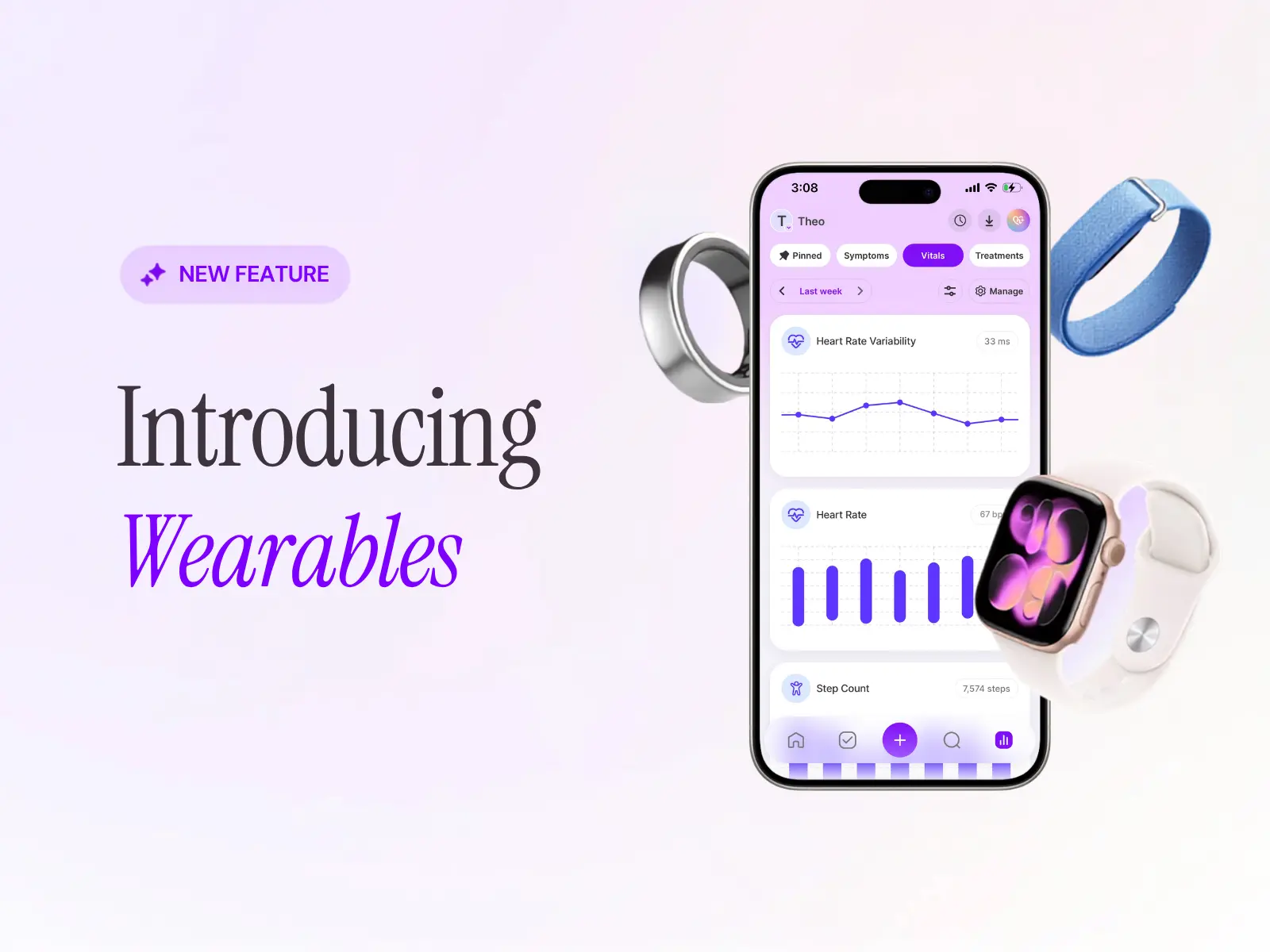
It's already on your phone. Now it's in Human.


.png)


