A spreadsheet and two sick kids: why Human Health exists

September 25, 2026
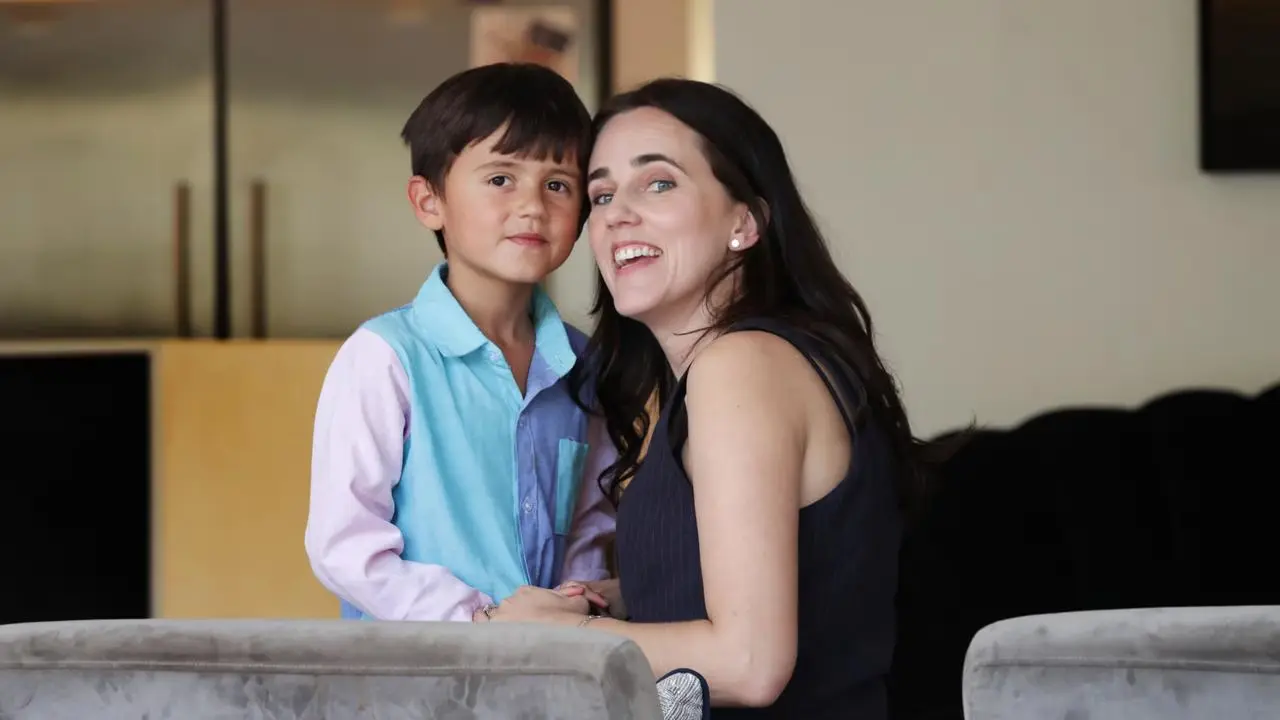
When my daughter Paityn was two years old, a doctor told me she would never speak.
Paityn had a rash and a fever, and then over the following two months she effectively disintegrated or, as I described it at the time, “went off a cliff.”
She stopped sleeping, eating and then talking. She wouldn’t respond to her name. She suddenly hated swings, which she’d previously loved. At first, doctors told us kids develop at different speeds. Over time they admitted something was wrong, but dismissed the connections we’d drawn between the rash and her current state.
We were encouraged to “try speech therapy” and were given very little hope about her future.
We realized no one was coming to save us, so I started trying to figure it out in a spreadsheet.
We trawled through PubMed, ClinicalTrials.gov, Reddit threads and Facebook groups. We contacted doctors in other countries and started tracking how her symptoms changed as we worked through a list of treatments. We repeated this cycle for years, slowly crossing off symptoms on the list.
A few years later, 10 months after we moved to Australia, in the middle of COVID, my son broke out in a rash.
I took a photo and sent it to my husband: “Leo’s not well.” I had this sick feeling in my stomach that it was happening again. And it was. The same fever and then regression we’d seen in our daughter.
I can’t explain what it’s like to go through something that difficult once, to survive it, to defy the odds and then to be right back at the bottom of the mountain again.
During this horrific time for our family, I caught up with my friend Georgia, who later became my co-founder. She said this spreadsheet should be a product.
So we built it. After about a year of tracking my son’s data in the Human Health app, I took it to a neurology researcher in Sydney. It helped communicate the patterns of infection and regression we had seen repeat in Leo, and Leo ended up joining that researcher’s clinical studies.
Paityn’s 10 now. She doesn’t stop talking. In fact, today she spends a lot of her time singing, which feels pretty ironic for the kid they said would never speak.
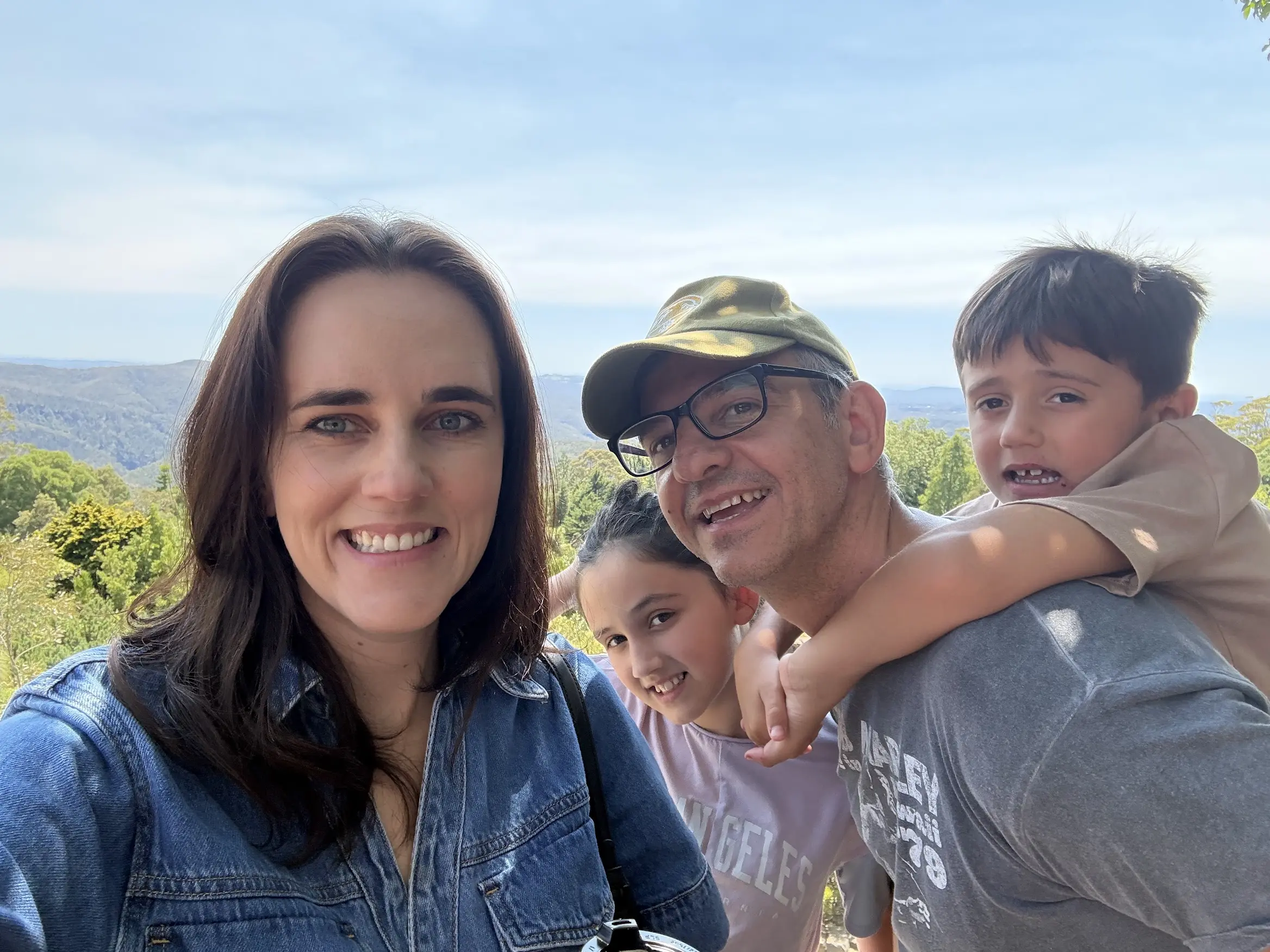
I now know my children have a condition called PANS, or Pediatric Acute-onset Neuropsychiatric Syndrome.
I was just a parent trying to figure out what was happening to my kids. The spreadsheet was a way to hold onto the details, see what repeated, and bring something more than my memory into the next appointment.
Patients, especially those with poorly understood and stigmatized conditions, are not passive subjects waiting to be studied. They are the world’s most motivated scientists left without the right tools.
At Human Health, we’re making sure they get the tools they need so they can move science forward.
This is a div block with a Webflow interaction that will be triggered when the heading is in the view.

Learn more
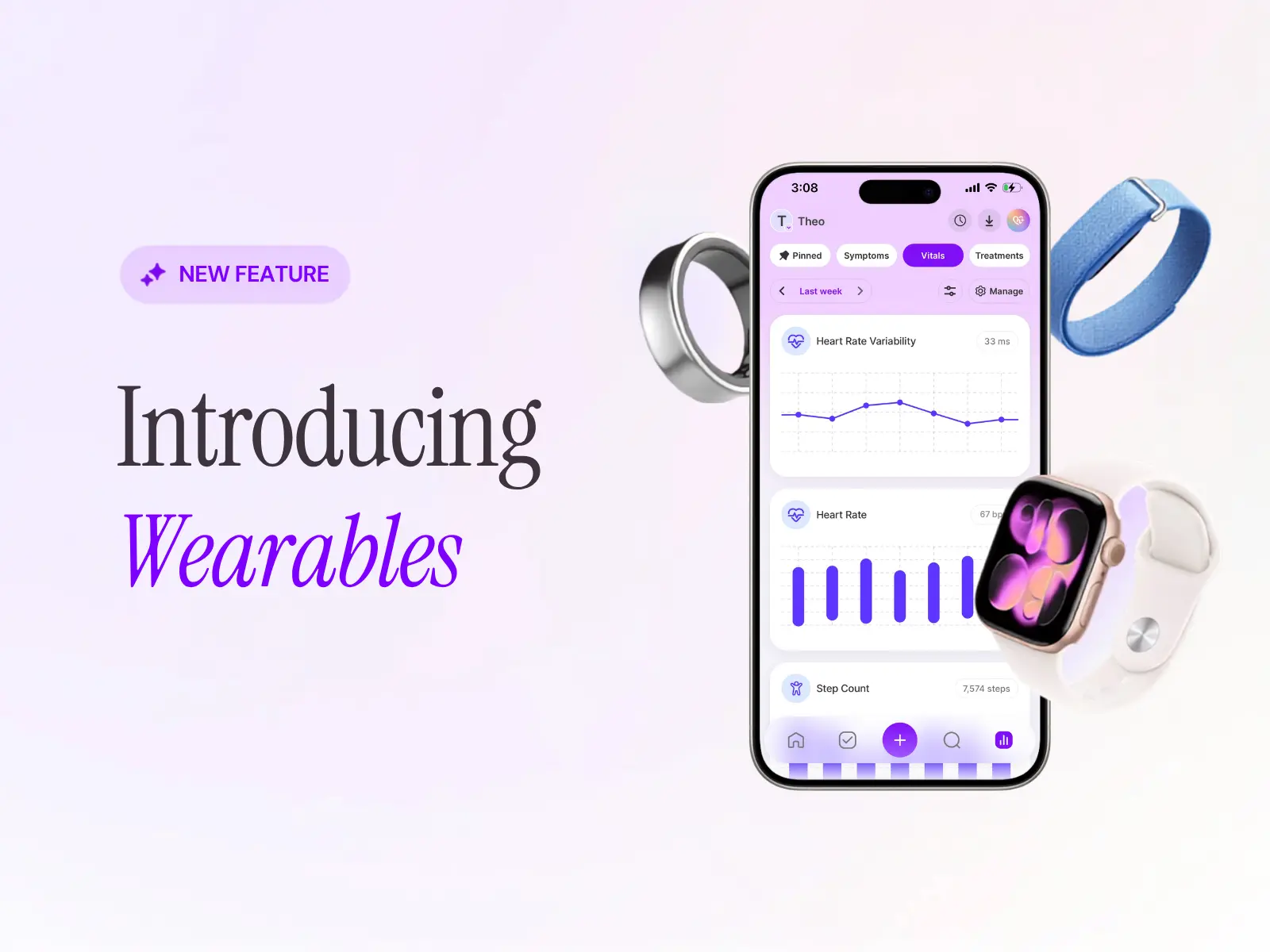
It's already on your phone. Now it's in Human.

HIPAA Audits: What is it and what does it mean for you?

Research matching with Human: Your data, new discoveries
Privacy and Security at Human Health
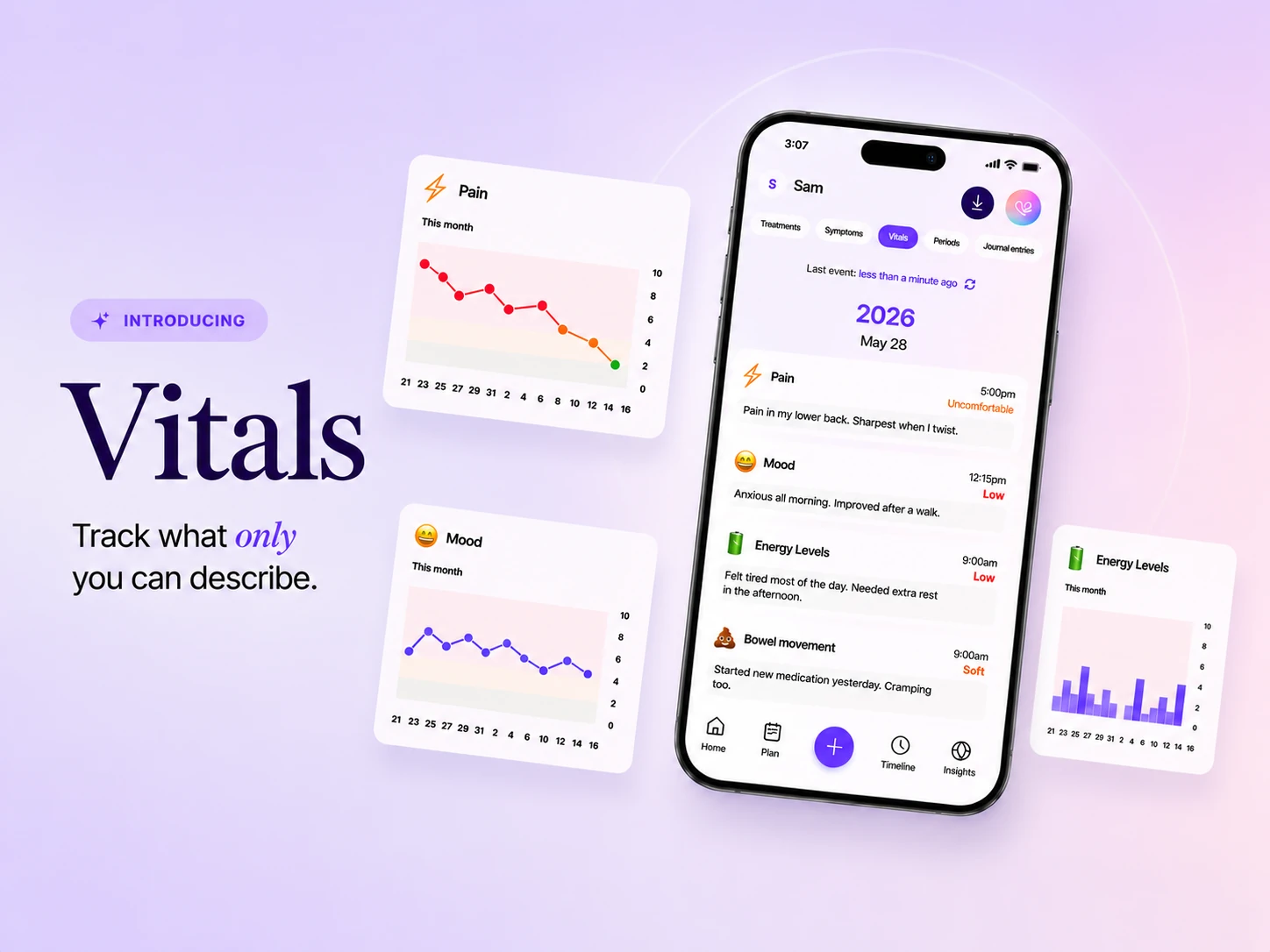
Introducing Vitals: track what only you can describe


.png)


