Alcohol and POTS: Effects, Triggers & Advice
.jpg)
October 1, 2026
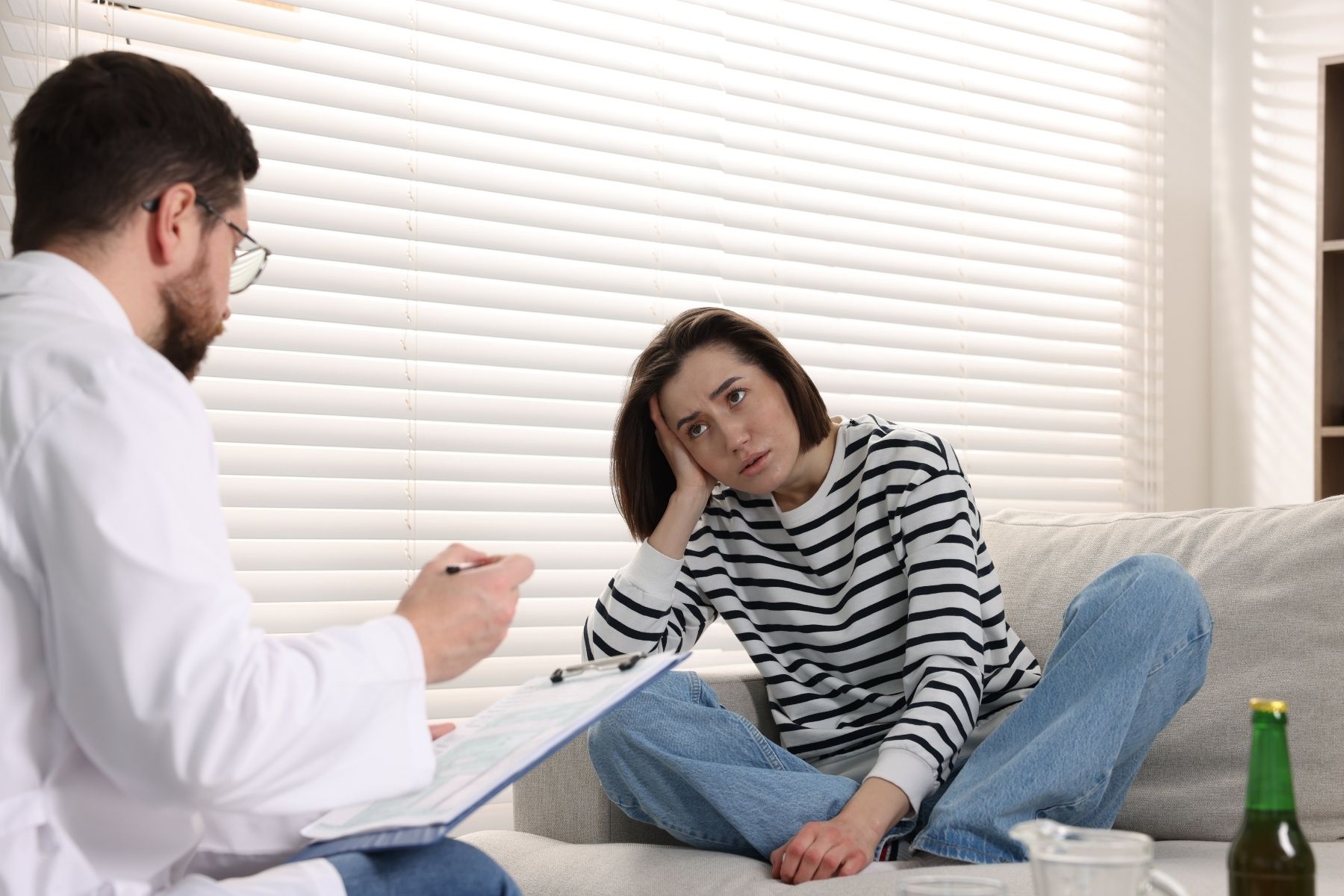
- Alcohol is described as a possible trigger for POTS flare-ups and may worsen symptoms such as rapid heart rate, dizziness, fatigue, or feeling faint, especially when upright.
- POTS affects the autonomic nervous system, which helps regulate heart rate and circulation. Alcohol can also influence this system, which may help explain why some people notice symptom changes.
- Reactions to alcohol vary widely. Some people notice clear effects, while others do not, and the amount and timing of alcohol may matter.
- Because of this variability, understanding your own response and discussing it with a healthcare provider is an important part of managing symptoms.
Disclaimer: This guide is for informational purposes only. It is not medical advice and should not be used to diagnose, treat, or manage any condition. Always speak with a doctor or qualified healthcare provider about any symptoms or health concerns.
If you have POTS, you may notice that some everyday factors affect your symptoms more than others. Alcohol is often mentioned as a possible trigger, which can raise questions about whether it plays a role for you.
This article explains how alcohol may affect POTS symptoms, potential risks to be aware of, and what to discuss with your doctor.
How alcohol may affect POTS symptoms
Alcohol can be a factor that may worsen symptoms in people with POTS, especially symptoms that appear when you are upright.
POTS involves difficulty keeping blood flow stable when you stand. Alcohol is described as a trigger that can place extra strain on this system.
It is also known to cause dehydration, which may reduce overall blood volume. Lower blood volume is already a concern for many people with POTS and can make symptoms harder to tolerate.
Some people with POTS report feeling more dizzy, weak, or unwell after drinking alcohol. Responses can vary, so discussing your own symptoms with a doctor can help clarify what alcohol means for you.
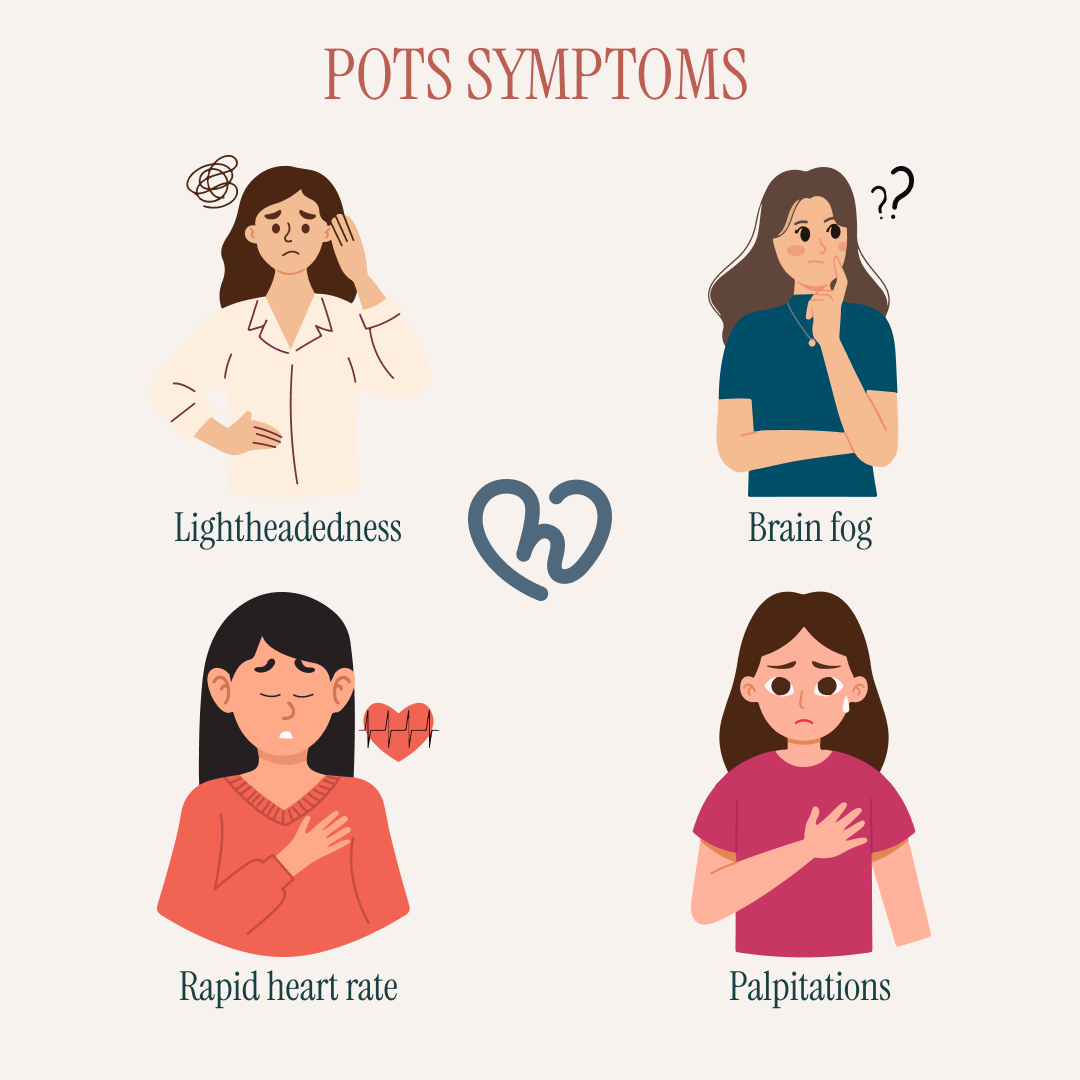
Can alcohol possibly trigger a POTS flare-up?
Alcohol is a possible trigger for symptom flare-ups in people with POTS. A flare-up means symptoms become more noticeable or harder to manage after a trigger.
Faster heart rate
Some people with POTS notice a faster or more noticeable heart rate after drinking alcohol. This can feel uncomfortable, especially when standing or moving around.
Dizziness or light-headedness
Alcohol is listed as a trigger that may worsen symptoms related to being upright. This can include feeling dizzy, light-headed, or unsteady after drinking.
Increased fatigue
POTS symptoms are reported to be exacerbated by factors such as heat, food, and alcohol. Because fatigue is a common part of POTS, alcohol may make feelings of tiredness more noticeable during a flare.
Feeling faint or near-fainting
Alcohol is linked to symptoms like presyncope, which means feeling like you might faint. This may be more noticeable when standing or sitting upright.
General feeling of being unwell
POTS is described as a systemic condition, meaning it can affect the whole body. Some people notice a general worsening of symptoms or feeling unwell after drinking alcohol.
Not everyone with POTS reacts to alcohol in the same way. Paying attention to how your body responds after drinking can help you recognise patterns and decide what is worth discussing with your healthcare provider.
{{pro-tip-1}}
Possible risks of alcohol for people with POTS
Beyond acting as a short-term trigger, alcohol may also carry broader risks for people with POTS, especially when it affects hydration, circulation, or nervous system function. Reactions can vary, but some risks are commonly reported.
Worsening upright symptoms
Alcohol may make symptoms that occur when you are upright feel stronger. This can include dizziness, feeling unsteady, or discomfort when standing or sitting.
Feeling faint or close to fainting
Some people notice a higher likelihood of feeling faint after drinking alcohol. This can happen during standing or after changes in posture.
Increased fatigue and weakness
POTS can already cause ongoing tiredness. Alcohol may add to this, leaving some people feeling more exhausted or physically weak.
Dehydration and lower blood volume
Alcohol can cause dehydration. Lower blood volume is already a concern for many people with POTS and may make symptoms harder to tolerate.
Added strain on the nervous system
POTS affects the autonomic nervous system. Long-term alcohol use has also been linked to nerve problems in other settings, which may add extra strain.
Understanding these broader risks can help you and your doctor weigh how alcohol fits into your overall symptom management.
{{inline-cta-1}}
Drinking with POTS: management tips that help
If you choose to drink alcohol while living with POTS, small adjustments may help you notice patterns and reduce surprises. Responses vary, so these ideas focus on awareness rather than outcomes.
#1: Pay attention to hydration
Alcohol can contribute to dehydration. Paying attention to how hydration affects your symptoms may help you notice personal patterns to discuss with your doctor.
#2: Avoid stacking multiple triggers
Alcohol may have a stronger effect when combined with other common triggers like heat, large meals, or long periods of standing. You could try to avoid having several triggers at the same time to better understand what affects you most.
#3: Track symptoms and timing
Paying attention to when symptoms show up can help you spot patterns over time. With the Human Health app, you can log symptoms, daily habits, and experiences in one place. You can also export this information to share with your healthcare provider, which may make discussions about possible triggers easier and more detailed.
{{pro-tip-2}}
Does alcohol interact with POTS medications?
Alcohol may interact with some medications commonly prescribed for POTS. When combined, some people notice increased drowsiness, dizziness, or feeling light-headed. This may be a concern with medicines such as beta blockers, midodrine, fludrocortisone, or certain antidepressants sometimes used alongside POTS care.
Alcohol can also affect blood pressure, and some POTS medications work by changing blood pressure or heart rate. When combined, this may increase side effects such as dizziness, light-headedness, faintness, or drowsiness, especially when you stand up. Because responses vary, it is important to talk with your doctor before drinking alcohol while taking any medication.

Why avoiding alcohol is often a consideration
For many people with POTS, avoiding alcohol is often considered because it may make symptoms harder to manage.
Alcohol is commonly linked with increasing sensations of dizziness, fatigue, and feeling unwell, especially when standing or sitting upright. It can also contribute to dehydration, which may worsen existing symptoms.
Since POTS affects how the body responds to everyday stresses, removing known triggers can make it easier to notice patterns and changes. A doctor can help you decide whether avoiding alcohol makes sense for your situation.
Track your POTS symptoms and triggers using the Human Health app
Understanding your symptoms starts with noticing patterns. The Human Health app lets you track symptoms, daily habits, and experiences in one place.
Over time, this can help you see how factors like alcohol, hydration, or daily activities line up with how you feel. You can export your information to share with your healthcare provider and support more focused conversations.
Download the Human Health app to start tracking your symptoms today, or explore our other blogs to learn more about living with POTS.
References
Garland EM, Celedonio JE, Raj SR “Postural Tachycardia Syndrome: Beyond Orthostatic Intolerance” 2015; https://pmc.ncbi.nlm.nih.gov/articles/PMC4664448/
Kavi L, Gammage MD et al. “Postural tachycardia syndrome: multiple symptoms, but easily missed” 2012; https://pmc.ncbi.nlm.nih.gov/articles/PMC3361090/
Inenaga K, Ono K, Hitomi S, Kuroki A, Ujihara I. Thirst sensation and oral dryness following alcohol intake. 2017; https://pmc.ncbi.nlm.nih.gov/articles/PMC5501731/
Raj S, Sheldon R “Management of Postural Tachycardia Syndrome, Inappropriate Sinus Tachycardia and Vasovagal Syncope” 2016; https://pmc.ncbi.nlm.nih.gov/articles/PMC5013178/
Abed H, Ball PA, Wang LS “Diagnosis and management of postural orthostatic tachycardia syndrome: A brief review” 2012; https://pmc.ncbi.nlm.nih.gov/articles/PMC3390096/
Julian TH, Syeed R, Glascow N, Zis P “Alcohol-induced autonomic dysfunction: a systematic review” 2019; https://pmc.ncbi.nlm.nih.gov/articles/PMC6987055/
Disclaimer: The Human Health app is a health tracking platform and does not provide medical advice, diagnosis, or treatment. The information on this site is intended to support, not replace, conversations with your healthcare provider.
This is a div block with a Webflow interaction that will be triggered when the heading is in the view.

Learn more
Can Smoking Cause POTS Syndrome? Effects, Risks, and Advice


POTS and Brain Fog: Causes, How to Cope & More
POTS and PCOS: Links, Symptoms & Differences

POTS vs Anemia: Differences, Shared Symptoms & More
POTS and Fibromyalgia: Connection, Symptoms & Relief Tips
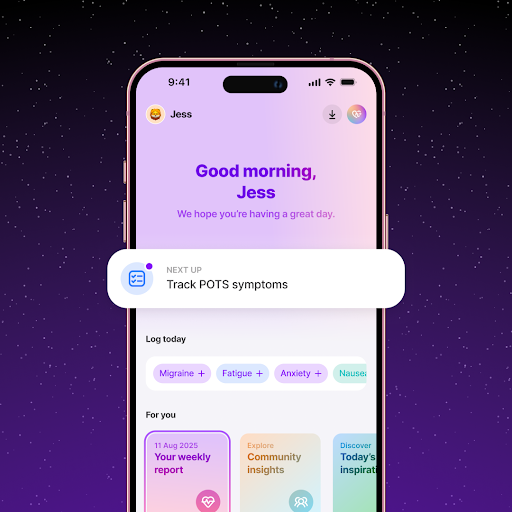
Using the Human Health App - Track How Alcohol Affects Your POTS Symptoms
Log drinks, timing, and symptoms like dizziness or rapid heart rate to see how alcohol impacts your body.


Pro tip
If you notice symptoms after drinking alcohol, write down what you felt and when it started. Even simple notes about timing and intensity can make it easier to explain flare-ups to your healthcare provider and discuss possible triggers.
Pro tip
Pay attention to amount and timing, not just whether you drank alcohol. Since POTS symptoms can vary and may be affected by triggers like heat, food, and alcohol, noting details such as how much you drank and what was happening around that time can help you spot patterns to discuss with your doctor.
.png)


