POTS vs Anemia: Differences, Shared Symptoms & More
.jpg)
December 23, 2025

- POTS and anemia are different conditions, but they can affect the body in similar ways and may sometimes occur together.
- POTS does not cause anemia, but low blood volume and reduced red blood cell levels can appear in some people with POTS.
- Anemia does not directly cause POTS, but changes in oxygen levels and autonomic function may make symptoms feel similar or overlap.
- If you live with both, understanding how each condition affects fatigue, dizziness, and heart rate may help you manage symptoms more clearly.
Disclaimer: This article is for informational purposes only and is not medical advice. It should not be used to diagnose, treat, or manage any condition. Always speak with a doctor or qualified healthcare provider about your health concerns.
If you are trying to understand POTS vs anemia because your symptoms feel confusing or difficult to separate, it makes sense to want clear answers.
Both conditions can cause fatigue, dizziness, and a fast heartbeat, which can make them feel closely linked even when they are not. POTS and anemia are different, yet they can overlap in ways that affect daily life.
In this article, you will learn how the two conditions compare, where symptoms may cross over, and what current research explains about living with one or both.
POTS and anemia: what you need to know
POTS and anemia can share several symptoms, including fatigue, dizziness, and difficulty tolerating standing, which can make them feel similar at first. POTS involves an exaggerated increase in heart rate when upright, while anemia is a deficiency or dysfunction of red blood cells, which impairs the body’s ability to carry oxygen. Both conditions can significantly impact energy levels, daily functioning, and quality of life, which is why they may be confused.
Can POTS cause anemia?
Research suggests that POTS may be associated with lower blood volume and reduced red blood cell volume, which could contribute to symptoms resembling anemia.
Studies show that people with POTS may have a lower blood volume. This may contribute to fatigue, dizziness, and difficulty tolerating standing.
Some studies have found changes in the hormones that regulate blood volume in people with POTS. These changes may influence how the body reacts when upright.
Can anemia cause POTS?
Anemia does not directly cause POTS, but research suggests it may affect the nervous system in ways that resemble POTS-like symptoms.
Studies have found that iron-deficiency anemia can lead to changes in heart rate and signs of increased sympathetic nervous system activity, which is usually active during a stress response. These changes may make some symptoms of anemia feel similar to those seen in POTS.
Key differences of POTS vs anemia
POTS and anemia can share symptoms like fatigue or dizziness, but they are different conditions with different causes.
POTS is a problem with how the autonomic nervous system manages heart rate when you stand, leading to a significant rise in heart rate without a drop in blood pressure.
Anemia happens when the body does not have enough healthy red blood cells to carry oxygen. POTS symptoms are mainly triggered by standing, while anemia symptoms relate to lower oxygen levels in the blood.
Because the underlying causes differ, the way each condition is diagnosed and managed varies.
{{pro-tip-1}}
Possible shared symptoms of POTS and anemia
POTS and anemia often share several symptoms that can make them difficult to tell apart, especially early on. Both conditions can affect energy levels, thinking, and the body's tolerance for activity. Here are some of the most common overlaps.
Fatigue and low energy
Both POTS and anemia can cause persistent tiredness or low energy that affects daily activities. In POTS, fatigue may worsen with standing or activity. In anemia, low hemoglobin reduces oxygen delivery, which can contribute to weakness and exhaustion.

Dizziness and lightheadedness
People with both conditions may experience dizziness or feel faint. In POTS, these symptoms often appear when standing, while in anemia they may occur due to reduced oxygen delivery to the brain.
Exercise intolerance
Difficulty tolerating physical activity is reported in both POTS and anemia. In POTS, standing or exertion can worsen symptoms, while anemia may limit exercise due to reduced oxygen availability.
Together, these overlapping symptoms can make it challenging to distinguish between POTS and anemia without proper testing. Understanding what these signs mean can help guide you toward the correct diagnosis and care.
Common triggers for both conditions
Certain triggers can worsen symptoms of both POTS and anemia, making fatigue, dizziness, or lightheadedness more noticeable. Here are some overlaps observed in both conditions.
Dehydration and low fluid intake
Lack of hydration can aggravate symptoms in POTS by reducing circulating blood volume and making dizziness or an increase in heart rate more likely. In anemia, dehydration may worsen weakness or low energy by impacting overall blood volume and circulation.
You can learn more about hydration strategies in our guide on electrolytes and POTS.
Menstrual blood loss
Heavy periods can worsen POTS symptoms in some people and are also a well-recognized cause of iron-deficiency anemia. This makes menstruation a shared trigger, especially for women who already experience fatigue, dizziness, or low energy.
Underlying illness or inflammation
Both conditions may worsen during illness. Fever or infection can trigger symptom flares in POTS, while medical conditions causing inflammation can also reduce red blood cell production and worsen anemia.
Managing these triggers can help reduce symptom flares and improve daily comfort, especially when both conditions occur together or share overlapping features.
{{inline-cta-1}}
How to manage POTS and anemia
Managing POTS and anemia starts with understanding what drives each condition and addressing the factors that make symptoms worse.
Managing POTS
Management for POTS often begins with supportive strategies. Increasing salt and fluid intake can help expand blood volume, and compression garments may reduce blood pooling in the legs. Some people also benefit from a structured exercise program that starts with lying down or seated activity. Reviewing current medications is important, as some drugs may worsen symptoms.
Managing anemia
Anemia treatment depends on the underlying cause. Iron-deficiency anemia is typically managed with iron supplements and dietary changes. When anemia results from blood loss, identifying and treating the source is key. Vitamin-related anemias often require supplements, while anemia linked to chronic illness may improve when the underlying condition is treated.
Taking steps tailored to each condition can support overall wellbeing and help reduce fatigue, dizziness, and other overlapping symptoms.
How POTS and anemia are diagnosed
Understanding how POTS and anemia are diagnosed can help you make sense of your symptoms and know what to expect during a medical assessment. Even though these conditions can feel similar at times, the way they are identified is different.
POTS
POTS is diagnosed by reviewing symptoms, checking how heart rate changes when standing, and using tests to make sure other conditions are not causing similar symptoms. A clinical evaluation usually includes answering questions to provide a detailed medical history, a physical examination, and measuring vital signs. Heart rate and blood pressure are measured while lying down and again after standing, often for up to 10 minutes.

A diagnosis is supported when symptoms appear alongside a sustained increase in heart rate without a significant drop in blood pressure. Additional testing may be used in selected cases to help distinguish POTS from other medical conditions.
Anemia
Anemia is diagnosed through blood tests that assess red blood cell levels, iron status, and potential causes of low hemoglobin. A complete blood count is usually the first step, followed by additional tests such as ferritin, vitamin B12, folate, and markers of inflammation if needed. In some cases, further investigation is required to determine the underlying cause, especially when symptoms are severe or persistent.
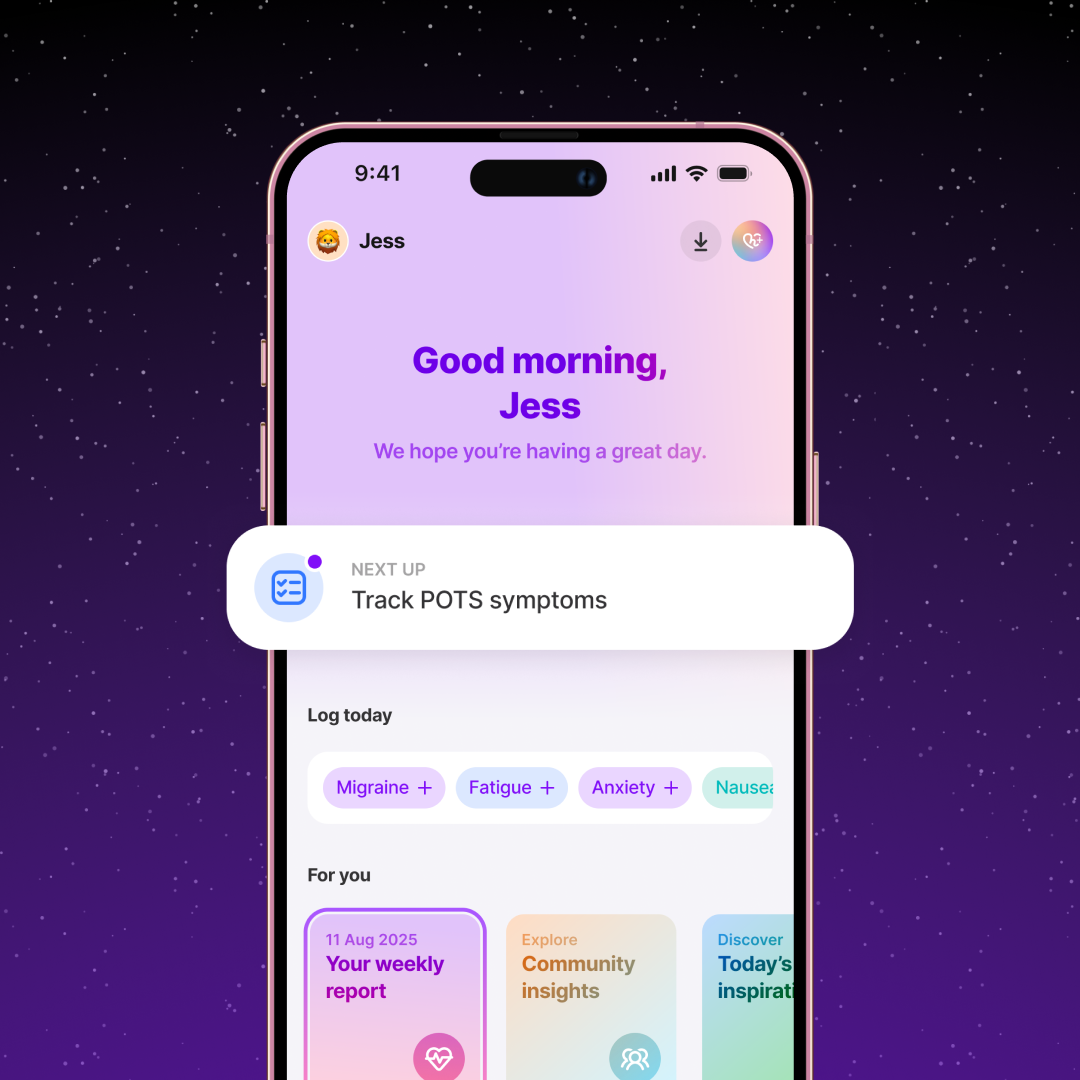
Tracking your symptoms or medications in the Human Health app can help you spot patterns and share clearer information with your clinician. Logging when symptoms start, what makes them worse, and how treatments affect you can make the diagnostic process easier and more accurate.
Can anemia medications make POTS worse?
Some medications used to treat other conditions may worsen POTS symptoms by affecting blood volume, heart rate, or blood vessel diameter. While the evidence does not clearly show that anemia-specific medications worsen POTS, reviews recommend that anyone with POTS should have all medications checked, including supplements, to identify drugs that may increase heart rate or reduce circulating blood volume.
Should I see a doctor and when?
If you experience ongoing lightheadedness, shortness of breath, tiredness, or rapid heart rate without a clear explanation, it is important to contact a healthcare professional. Severe symptoms such as chest discomfort, difficulty breathing, or neurological changes require urgent care. People with recurrent or disabling POTS symptoms should also seek medical evaluation, especially when your episodes interfere with daily activities or appear suddenly.
Track all your symptoms & conditions inside the Human Health app
Living with symptoms that overlap can be confusing, but keeping track of them can help you and your clinician see what is really going on.
The Human Health app makes it easy to log symptoms, medications, and flare patterns in one place, so nothing gets missed.
Try tracking your next few episodes and bring the records to your next appointment.
{{inline-cta-2}}
References
Raj SR. The Postural Tachycardia Syndrome (POTS): Pathophysiology, Diagnosis & Management. Indian Pacing and Electrophysiology Journal. 2006;6(2):84–99. https://pmc.ncbi.nlm.nih.gov/articles/PMC1501099/
Mathias CJ, Low DA, Iodice V, Bannister R. A review of postural orthostatic tachycardia syndrome. Europace. 2009;11(1):18–25. https://academic.oup.com/europace/article/11/1/18/491154
Garland EM, Ceusters M, Gamboa A, Joyner MJ, Raj SR, et al. Postural Tachycardia Syndrome (POTS). Circulation. 2013;127(23):2336–2342. doi:https://doi.org/10.1161/CIRCULATIONAHA.112.144501
Artman B, Wells R, Grubb BP. POTS-associated conditions and management strategies. US Cardiology Review. 2023;17(1).: https://doi.org/10.15420/usc.2022.35
Raj SR, Biaggioni I, Yamhure PC, Black BK, Paranjape SY, Byrne DW, Robertson D.: Renin-aldosterone paradox and perturbed blood volume regulation underlying postural tachycardia syndrome. Circulation. 2005;111(13):1574–1582. doi:https://doi.org/10.1161/01.CIR.0000160356.97313.5D
Sheldon RS, Grubb BP, Olshansky B, et al. 2015 Heart Rhythm Society Expert Consensus Statement on the Diagnosis and Treatment of POTS, IST, and VVS. Heart Rhythm. 2015;12(6):e41–e63. https://pmc.ncbi.nlm.nih.gov/articles/PMC5267948/
Kichloo A, Jamal S, Shaka H, et al. Management of postural orthostatic tachycardia syndrome in the absence of randomized control trials. Cureus. 2021;13(7):e16229. https://pmc.ncbi.nlm.nih.gov/articles/PMC8313187/
Yokusoglu M, Nevruz O, Baysan O, et al. The altered autonomic nervous system activity in iron deficiency anemia. Clinical Autonomic Research. 2007;17(1):26–31. doi:https://pubmed.ncbi.nlm.nih.gov/17660705/
Mayo Clinic Staff. Anemia: Symptoms and Causes. Mayo Clinic. 2023. https://www.mayoclinic.org/diseases-conditions/anemia/symptoms-causes/syc-20351360
Patient.info Professional Reference Editorial Team. Iron-deficiency Anaemia: Symptoms and Treatment. Patient.info. 2024. https://patient.info/doctor/haematology/iron-deficiency-anaemia-pro
Disclaimer:Human Health is a health tracking platform and does not provide medical advice, diagnosis, or treatment. The information in this article is intended to support, not replace, conversations with a qualified healthcare professional.
This is a div block with a Webflow interaction that will be triggered when the heading is in the view.

Learn more

POTS and seizures: Connection, symptoms & management


Why people with POTS need salt: Benefits & considerations
.png)
MCAS and POTS: Undertanding the connection

Dysautonomia vs POTS: Shared symptoms & differences

POTS flare-up: Triggers, symptoms, and how to cope
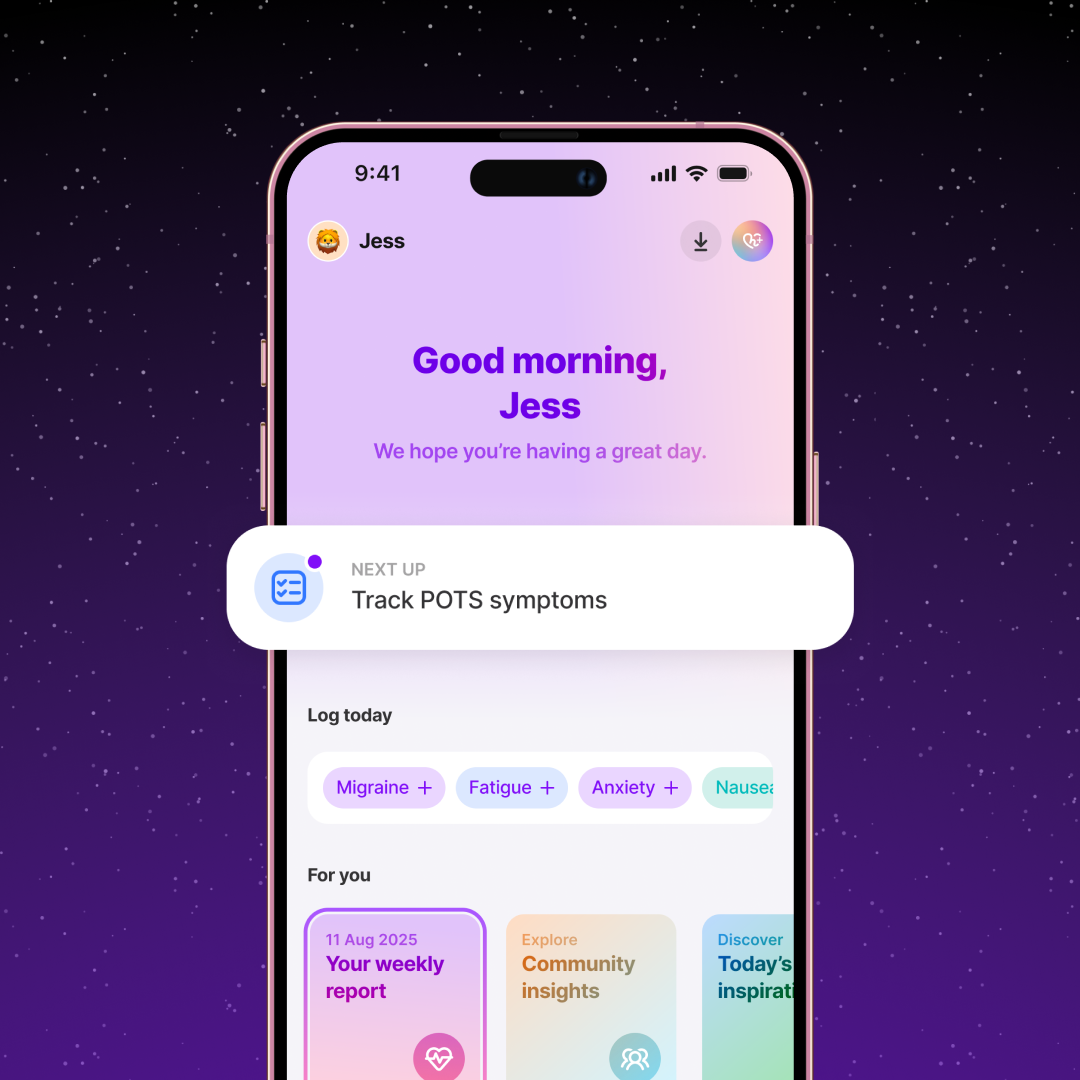
Track Your POTS and Anemia Triggers
Log symptoms to see how hydration, cycles, or illness impact your body and uncover patterns to reduce daily flares.
Get Clarity on Overlapping POTS Symptoms
Record flare patterns and medications in one place to provide your doctor with the data needed for better treatment.


Pro tip
Tracking when symptoms appear and how they change over time can make it easier to see differences between conditions. The Human Health app can help you keep everything in one place.
.png)


