Can You Drive with POTS Syndrome? Key Risks & Safety Tips
.jpg)
January 15, 2026

- People with POTS may be able to drive, but symptoms like dizziness, fatigue, brain fog, or changes in awareness can affect driving safety.
- It is important to monitor how symptoms vary day to day and avoid driving when they feel severe or unpredictable.
- Safety guidelines suggest planning ahead, taking breaks, choosing quieter routes, and discussing driving readiness with a healthcare professional.
- Tracking symptoms over time can help you understand patterns and make more informed decisions about when it feels safer to drive
Disclaimer: Human Health is a health tracking platform and does not provide medical advice, diagnosis, or treatment. The information in this article is for informational purposes only and is not a substitute for professional medical advice. Always speak with a qualified healthcare provider about any questions you have regarding your health or medical conditions.
Driving with POTS can be stressful when symptoms shift from day to day, and it is hard to predict how you will feel once you sit behind the wheel.
If you are searching for answers about whether you can drive with POTS, the simple explanation is that some people do drive with POTS, but only when their symptoms feel stable and a healthcare professional has confirmed that driving is safe for them.
In this article, we explore how symptoms may affect driving, the situations where caution is important, and practical tips that some people use to prepare. The goal is to help you understand what to pay attention to so you can make safer, more confident decisions.
Can you drive with POTS?
There is no single rule about whether people with POTS can or cannot drive.
Research shows that POTS symptoms can affect activities that require both physical and mental focus, including driving, but the impact is different for each person. Because POTS can reduce blood flow to the brain, some people may experience slower reaction times or other cognitive problems. It's important to talk regularly with a healthcare professional about whether or not it's safe to drive with your POTS symptoms.
Because symptoms can change from day to day, some people with POTS may choose to avoid driving during times when dizziness, fatigue, or cognitive fog feel more severe. Tracking symptoms may help you notice patterns and understand when driving feels safer, so you can make informed decisions with your healthcare professional.
How POTS symptoms can affect driving
POTS symptoms can influence both the physical and cognitive abilities needed for safe driving. Some people experience a mix of cognitive changes, fatigue, and symptoms related to reduced blood flow - like dizziness and light-headedness - that may make driving feel more challenging. Being aware of these patterns can help guide safer decisions.
Learn how POTS and PCOS hormones can affect daily activities.
{{pro-tip-1}}
By understanding how these symptoms manifest, individuals can plan driving around times when symptoms are more manageable and discuss safety concerns with a healthcare professional.
Risks of driving with POTS
Driving may feel more challenging for some people with POTS because certain symptoms can affect attention, awareness, and reaction time. Understanding these risks can help people make safer choices and discuss concerns with a healthcare professional.
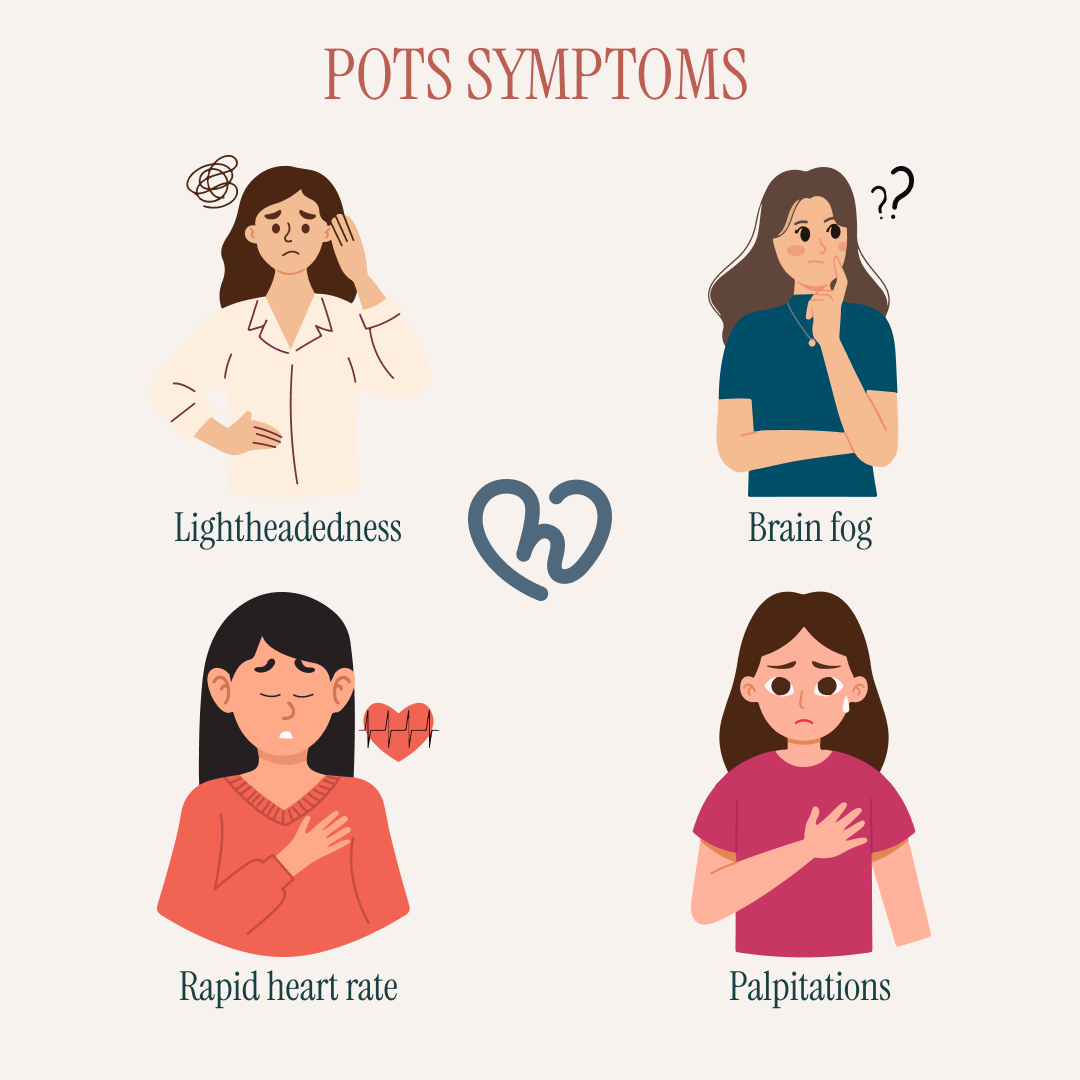
Dizziness and light-headedness
Some people with POTS may experience dizziness or light-headedness, which can make it harder to maintain focus and control while driving.
Confusion or changes in awareness
Episodes of confusion may affect quick decision-making, which is essential for reacting to traffic or unexpected situations.
Impact on road safety
POTS symptoms like a fast heart rate and reduced blood flow to the brain can slow your reaction time and make it harder to think clearly. These issues may affect driving safety, so it’s important to discuss your situation with a healthcare professional.
Legal and insurance considerations
People may also consider how driving with symptoms that affect alertness or stability could influence legal responsibilities or insurance if an accident occurs.
Considering these factors can support safer, more informed decisions.
Safety tips for people driving with POTS
Driving with POTS can feel difficult at times, and some people find that planning ahead helps them feel more prepared. The tips below reflect strategies you could use after being cleared to drive by your medical team. We’ve also included a few quotes from POTS community groups on Reddit.
Use supportive garments if recommended
Compression garments can help some people with POTS feel more steady when driving. They work by preventing blood from pooling in the legs, helping your body maintain better blood flow to the brain. This can reduce dizziness and support clearer thinking while you’re on the road.
Stay hydrated and bring fluids
Drinking enough fluids before and during a drive can help your body keep better blood flow and support a more stable heart rate. This may reduce dizziness, lightheadedness, and slow thinking while you’re on the road. It can help to drink water before you leave and keep a bottle within easy reach so you can stay hydrated on longer trips.
“Hydrate!! Even more than you think you need to.”
{{inline-cta-1}}
Avoid large meals beforehand
Avoiding large meals before driving is one approach some people may use to reduce symptom flare-ups. Lighter snacks before travel may also help you feel more comfortable during the drive.
Choose calmer driving routes
Choosing back roads instead of highways may help reduce stress or give you more control over your pace, or use quieter routes that let you stop more easily if you need a moment to regroup.
Do not drive when symptoms feel severe
You may wish to avoid driving when symptoms are severe and consider alternate transportation. Being mindful of how symptoms change throughout the day may help guide decisions about when to drive.
Take breaks and use supportive strategies
Taking regular breaks during a drive can help you manage symptoms by giving your body time to reset. Supportive breathing techniques may also help you stay calm and steady if you start to feel lightheaded or overwhelmed.
Some people also carry a POTS “to-go” bag. This is a small kit with items that help manage symptoms, such as water, electrolyte packets, snacks, salt tablets (if recommended), cooling wipes, or any medications your doctor has approved. Having these supplies ready can make driving feel safer and more predictable.
Track symptoms to spot patterns
Tracking symptoms may help people notice patterns or triggers that affect how they feel while driving. Logging these details over time can support discussions with a healthcare professional about driving readiness.
{{pro-tip-2}}
When to avoid driving with POTS
There are times when people with POTS may need to avoid driving, especially if symptoms feel unpredictable or difficult to control. Clinical guidance suggests that driving should be paused when symptoms are unstable or a specialist has not confirmed that driving is safe.
Some resources also note that when symptoms worsen, become severe, or make it hard to stay alert, choosing an alternate mode of transportation may be safer. Taking regular breaks, resting in a reclined position, and being a passenger instead of a driver are approaches some people use when symptoms fluctuate.
Planning ahead and speaking with a healthcare professional can support safer decisions about when to drive.
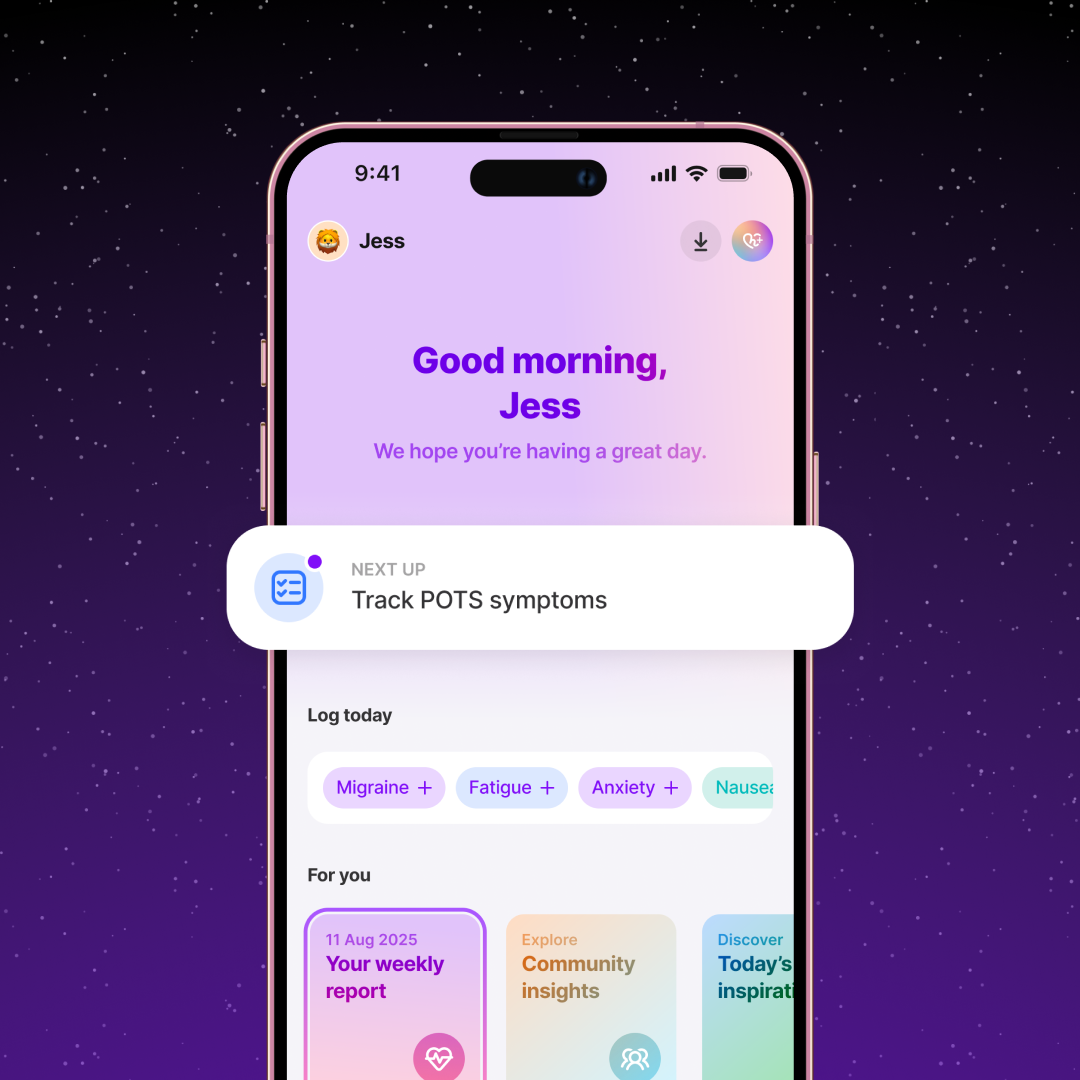
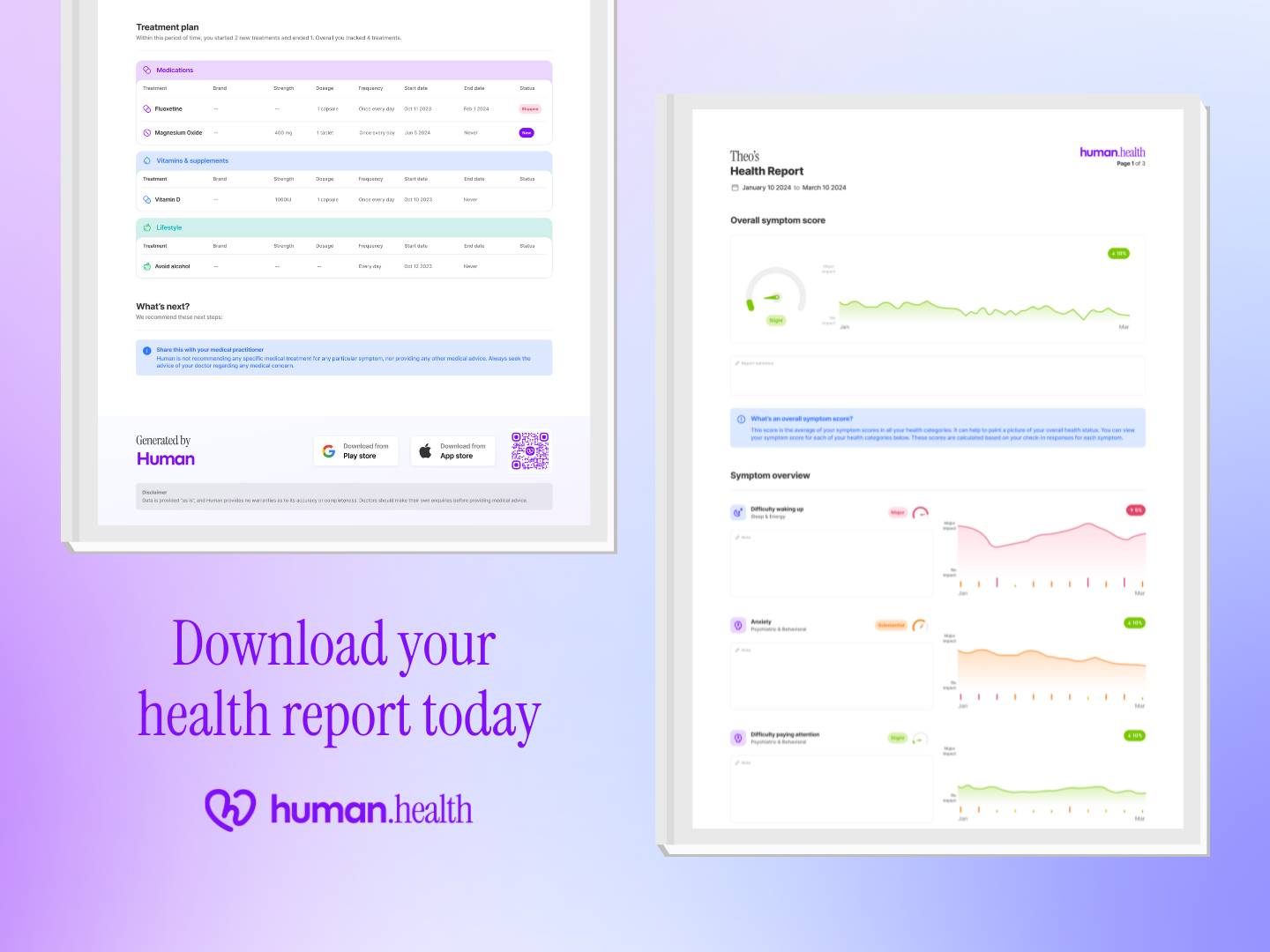
Record all your symptoms and changes inside the Human Health app
Tracking how your symptoms shift throughout the day can make decisions about driving feel clearer and less overwhelming. When you log dizziness, fatigue, or moments when driving feels harder, you may start to notice patterns that can support conversations with a healthcare professional.
The Human Health app gives you a simple place to record these changes and understand what affects your driving confidence over time.
References
Williams SA. The Impact of Postural Orthostatic Tachycardia Syndrome (POTS) on Occupational Performance. Open Journal of International Health Policy. 2022. https://repository.ulm.edu/cgi/viewcontent.cgi?article=1043&context=ojihp
Mitchell GD, et al. Postural tachycardia syndrome is associated with significant symptoms that impact on quality of life. BMJ Open. 2014;4(6):e004127. https://bmjopen.bmj.com/content/4/6/e004127
Eftekhari H. Review of postural orthostatic tachycardia syndrome: a predominantly female condition. British Journal of Cardiac Nursing. 2019. https://www.magonlinelibrary.com/doi/10.12968/bjca.2019.0090
Awareness4POTSies Organization. Driving With POTS. 2024. https://www.awarenessforpotsies.org/driving-with-pots
Cornerstone Physiotherapy Team. Travelling with POTS: Tips for Trips by Car or Plane. 2025. https://cornerstonephysio.com/resources/tips-for-travelling-with-pots/
Heart Rhythm Society. 2015 Heart Rhythm Society Expert Consensus Statement on the Diagnosis and Treatment of Postural Tachycardia Syndrome, Inappropriate Sinus Tachycardia, and Vasovagal Syncope. 2015. https://www.hrsonline.org/resource/2015-heart-rhythm-society-expert-consensus-statement-diagnosis-and-treatment-postural-tachycardia
Lau D.H. et al. Cerebral Blood Flow and Cognitive Performance in Postural Tachycardia Syndrome. Journal of the American Heart Association. 2020. https://www.ahajournals.org/doi/10.1161/JAHA.120.017861
Government of the United Kingdom. Neurological disorders: assessing fitness to drive. GOV.UK. Published 11 March 2016; Last updated 7 November 2025. https://www.gov.uk/guidance/neurological-disorders-assessing-fitness-to-drive
r/POTS, Reddit, accessed via comment: https://www.reddit.com/r/POTS/comments/17epmdi/comment/k64tddy/.
Disclaimer: Human Health is a health tracking platform and does not provide medical advice, diagnosis, or treatment. The information on this site is intended to support, not replace, conversations with qualified healthcare professionals.
This is a div block with a Webflow interaction that will be triggered when the heading is in the view.

Learn more

POTS and seizures: Connection, symptoms & management


Why people with POTS need salt: Benefits & considerations
.png)
MCAS and POTS: Undertanding the connection

Dysautonomia vs POTS: Shared symptoms & differences

POTS flare-up: Triggers, symptoms, and how to cope
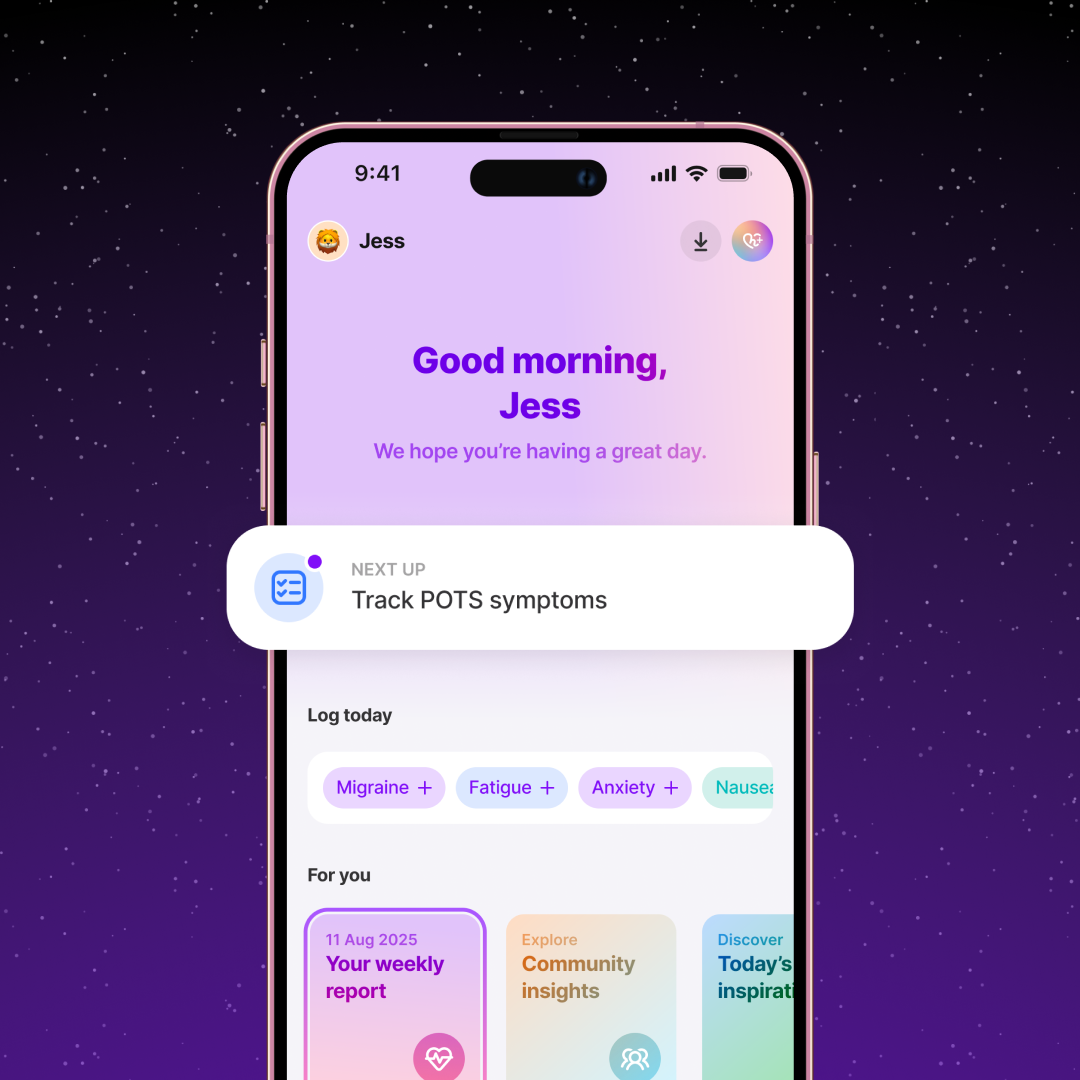
Track your POTS symptoms with the Human Health app
Log symptoms and interventions to discover the unique patterns that help you drive more safely.


Pro tip
If these symptoms fluctuate, keeping a simple log can help you notice when they tend to occur. Using the symptom tracker in the Human Health app may make it easier to record what you were doing before symptoms started, so you can spot patterns and make safer decisions about when to drive.
Pro tip
You can use the Human Health app to log symptoms and note when driving feels harder. Over time, this can help you spot useful patterns and share summaries to discuss with your healthcare professional.
.png)


