POTS and Brain Fog: Causes, How to Cope & More
.jpg)
December 23, 2025

- Many people with POTS struggle to think clearly. They often feel mentally foggy, forget things easily, and have trouble focusing, and these issues can make daily life very difficult.
- Research shows that brain fog in POTS may happen because the body’s stress system becomes overactive. This can make it harder to think clearly, and many people notice these symptoms get worse when they stand up.
- Common triggers of POTS brain fog include prolonged standing, lack of sleep, dehydration, excessive heat, feeling faint, and long periods of concentration.
- Studies and patient reports describe a range of strategies and medical approaches that may help, including managing hydration and salt intake, posture and heat management, certain medications, sleep support, psychological therapies, and careful tracking.
Disclaimer: This guide is for informational purposes only. It is not medical advice and should not be used to diagnose, treat, or manage any condition. Always speak with a doctor or qualified healthcare provider about any symptoms or health concerns.
Living with POTS can feel overwhelming when thinking clearly becomes difficult.
POTS brain fog is a real cognitive problem that may affect memory, attention, and daily activities.
In this guide, you will see what research and patient reports say about why POTS may be linked to brain fog, what it can feel like, and which triggers and responses have been documented.
What does POTS brain fog feel like?
People often describe POTS brain fog as feeling cloudy, slow, forgetful, or suddenly going blank. It can make thinking, processing information, or finding words difficult, which may feel frustrating, exhausting, and emotionally overwhelming.
Why does POTS cause brain fog?
The cause of brain fog in people with POTS is not fully understood. Current research suggests several physiological factors that may contribute to cognitive difficulties.
Autonomic hyperarousal
Some research shows that brain fog may be linked to an overactive stress response in the body. In people with POTS related to dysfunction of the nervous system, researchers found:
- Higher levels of stress chemicals even when lying down
- A bigger jump in these chemicals when standing
- A link between these high stress levels, a faster heart rate, worse symptoms, and trouble thinking
Researchers sometimes call this pattern autonomic hyperarousal. When your body reacts with too much stress while you’re upright, it can become harder to think clearly.
Cognitive changes related to upright posture
Brain fog in POTS often gets worse when you’re standing. Studies have found:
- People with POTS have more trouble with memory, decision-making, and staying focused while standing
- Thinking skills often get worse the longer they stay upright
- Reports that these difficulties may continue for some people even after they sit or lie down
These findings show that for people with POTS, posture may play an important role in how clearly you can think.
Common triggers of brain fog in POTS
People with POTS often describe brain fog as unpredictable, but several patterns appear repeatedly in research and patient reports. However, these can vary from person to person, and tracking your own patterns can help you explain your experiences more easily to a healthcare provider.
Prolonged standing
Prolonged upright posture is one of the most frequently reported triggers. 87% of patients surveyed experience worsening brain fog when standing for long periods, and research shows measurable cognitive changes during upright testing.

Physical fatigue
Physical fatigue is a very common trigger. People describe brain fog becoming more noticeable when they are already physically exhausted.
Lack of sleep
Poor sleep or lack of sleep is closely linked to cognitive difficulties, with 90% of patients surveyed citing it as a factor.
Dehydration
Dehydration is another frequently reported trigger. Reduced fluid intake is described as making brain fog worse and can intensify the overall feeling of faintness or mental clouding.
Excessive heat
Being in a hot environment can make brain fog more noticeable. Activities involving heat exposure, such as showering, are often described as making cognitive symptoms worse.

Prolonged concentration
Long periods of mental effort can bring on brain fog, even when you are lying down. Some people describe this as hitting a cognitive “wall” during tasks that require focus.
These triggers show how daily activities, posture, and environmental factors can shape your experience of brain fog.
{{pro-tip-1}}
How to manage brain fog caused by POTS
Research and patient reports describe several approaches that may influence brain fog. These are not medical advice, but they can help you understand what people commonly observe and discuss with a healthcare provider.
Hydration and salt intake
Many people report clearer thinking when they stay well hydrated or increase salt intake. Some studies found that drinking a large amount of water quickly reduced stress hormone levels and heart rate, which was associated with improved cognitive symptoms.
Adjusting posture and managing heat
Brain fog often worsens during prolonged standing. People commonly describe feeling better when lying down or avoiding excessive heat, which many report as a strong trigger.
Understanding individual responses to food, activity, and caffeine
Some people note changes in brain fog after meals, during exercise, or with caffeine. These responses vary widely, so observing what affects you personally can be helpful for conversations with your healthcare provider.
{{inline-cta}}
Sleep and mental load awareness
Lack of sleep and long periods of concentration are among the most frequently reported triggers. Many people notice more intense mental fatigue when these factors build up.
Psychological and cognitive support
Some individuals describe benefits from psychological therapies, such as cognitive behavioral therapy (CBT), especially when coping with chronic illness or anxiety-like symptoms that may worsen brain fog.
Documenting patterns and changes
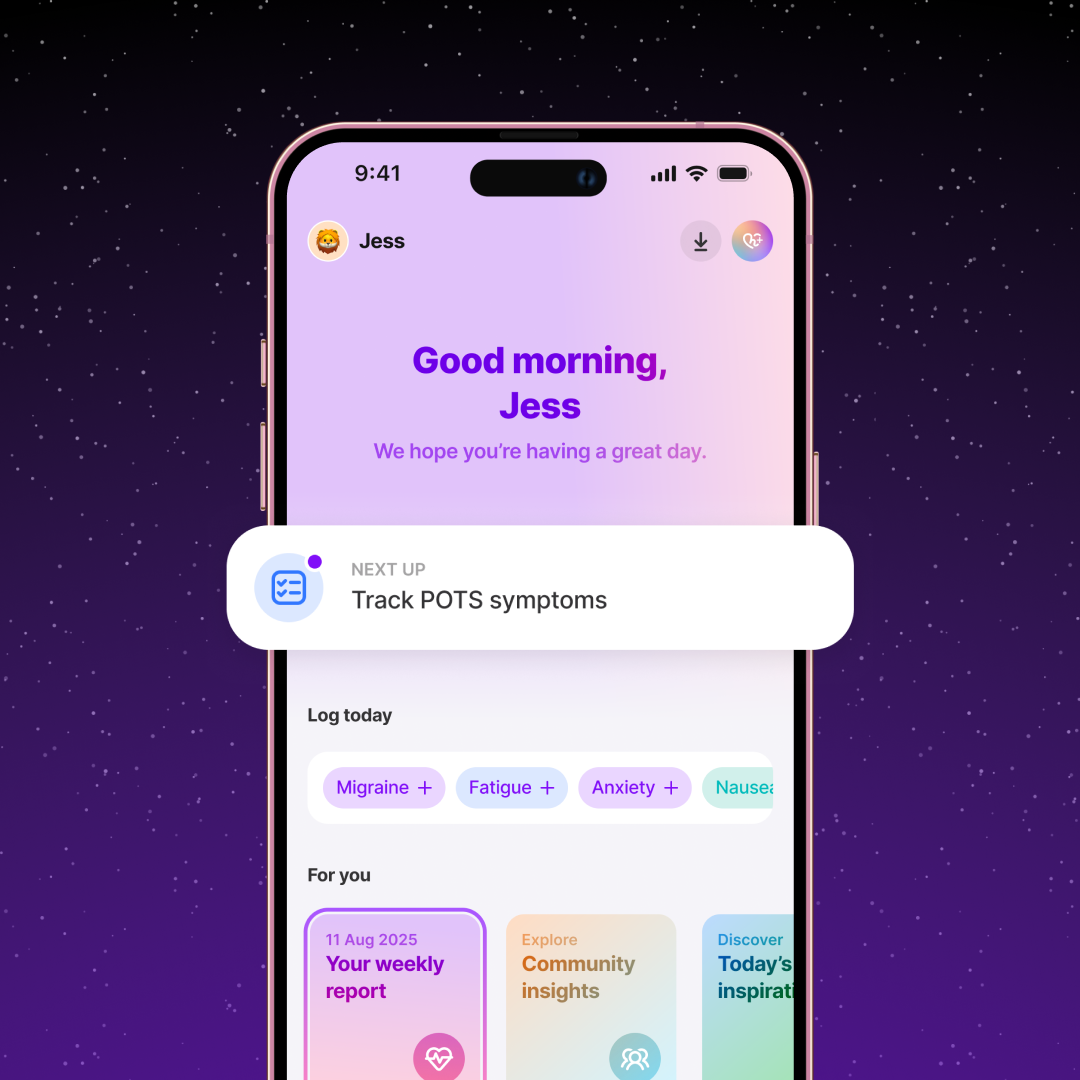
People often find that tracking their posture, triggers, sleep, hydration, and moments of cognitive difficulty helps them understand their own “POTS thumbprint” and communicate more clearly with their healthcare provider.
Navigating brain fog can feel confusing when so many factors seem to affect how clearly you think.
{{pro-tip-2}}
When should you see a doctor?
You may want to speak with a doctor when symptoms such as dizziness, rapid heart rate, or brain fog become frequent, last for several months, or start to affect your ability to work, study, or manage daily activities.
A doctor can review your history, check heart rate and blood pressure changes from lying to standing, and rule out other causes. Some people are referred to a specialist if early strategies do not help or if related conditions need attention. Clear examples of how symptoms affect your life can support this conversation.
Track cognitive changes & triggers using the Human Health app
Living with POTS and brain fog can feel unpredictable, especially when your symptoms shift from day to day.
The Human Health app offers insights that help you spot patterns in your symptoms over time, so you can better understand what may be affecting your health and share them with your healthcare provider.
You are not alone in navigating these challenges, and paying attention to your own patterns can support clearer, more confident conversations.
If you want a simple place to begin, try the Human Health app today.
References:
Ross AJ et al “What is brain fog? An evaluation of the symptom in postural tachycardia syndrome”. Clinical Autonomic Research. 2013;23(6):305–311. Doi: https://doi.org/10.1007/s10286-013-0212-z
Raj V et al. “Cognitive and psychological issues in postural tachycardia syndrome”. Autonomic Neuroscience. 2018;215:46–55. Doi: https://doi.org/10.1016/j.autneu.2018.03.004
Brandreth C, Kavi L. Cognitive Dysfunction or ‘Brain Fog’ in PoTS. PoTS UK. 2025. https://www.potsuk.org/managingpots/cognitive-dysfunction-or-brain-fog-in-pots
Rodriguez B et al. “Brain fog in neuropathic postural tachycardia syndrome may be associated with autonomic hyperarousal and improves after water drinking”. Frontiers in Neuroscience. 2022;16:968725. Doi: https://doi.org/10.3389/fnins.2022.968725
Disclaimer: The Human Health app is a health tracking platform and does not provide medical advice, diagnosis, or treatment. The information on this site is intended to support, not replace, conversations with your healthcare provider.
This is a div block with a Webflow interaction that will be triggered when the heading is in the view.

Learn more

POTS and seizures: Connection, symptoms & management


Why people with POTS need salt: Benefits & considerations
.png)
MCAS and POTS: Undertanding the connection

Dysautonomia vs POTS: Shared symptoms & differences

POTS flare-up: Triggers, symptoms, and how to cope
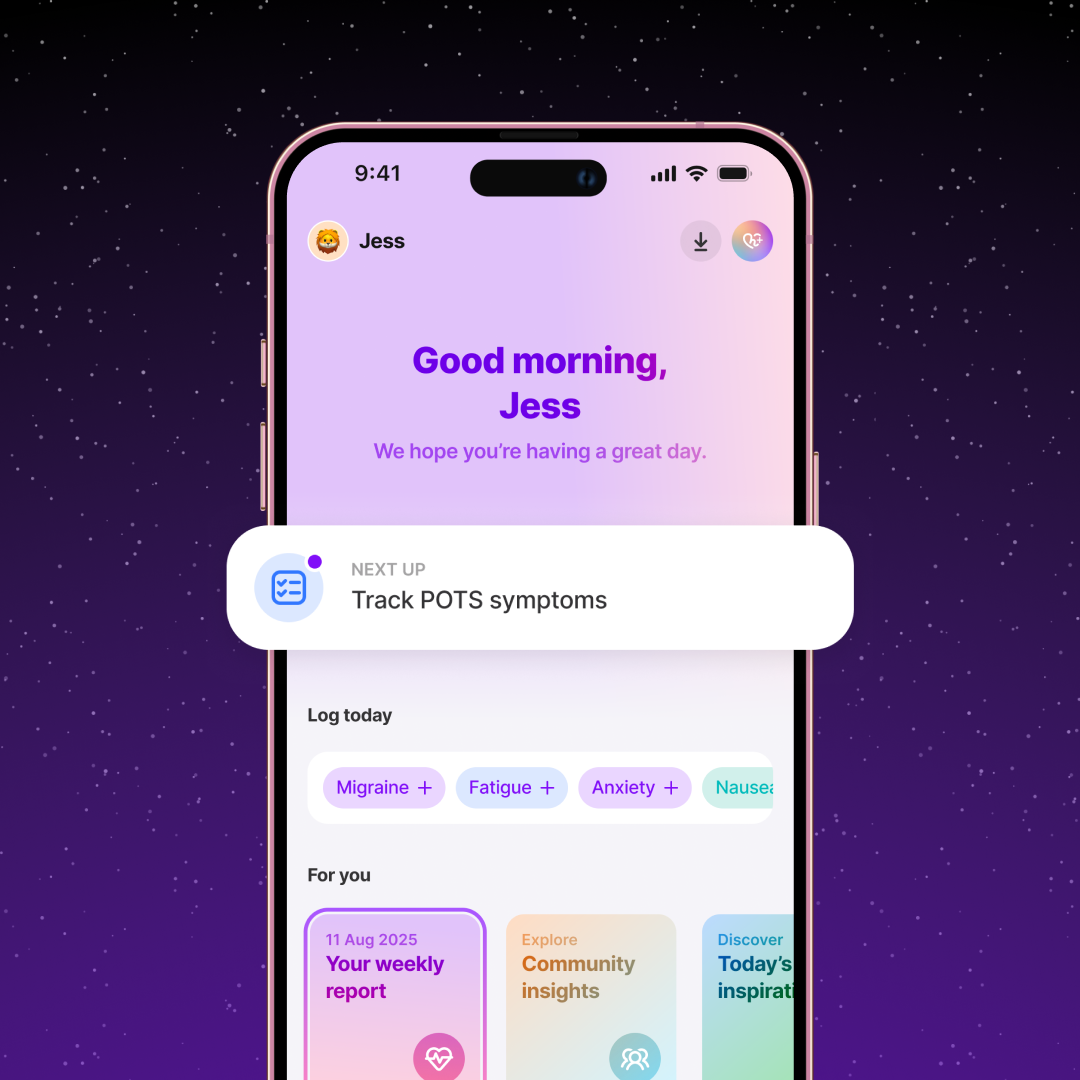
Track your POTS brain fog and daily triggers with the Human Health app
Log brain fog severity, posture, hydration/salt intake, sleep, heat exposure, and fatigue to spot patterns and see what reliably worsens or eases your thinking throughout the day.


Pro tip
Noticing when brain fog appears can make your experiences feel less random. Some people find it helpful to jot down the moment it starts, what they were doing, and how they were feeling. The Human Health app lets you track symptoms, daily habits, and experiences in one place, which may make these patterns easier to spot and describe to your healthcare provider.
Pro tip
When brain fog feels overwhelming, being gentle with yourself can make a difference. Giving yourself permission to pause, adjust your surroundings, or take note of what changed can help you understand your own patterns over time.
.png)


