POTS and Fibromyalgia: Connection, Symptoms & Relief Tips
.jpg)
December 23, 2025

- POTS and fibromyalgia can occur together, with overlapping symptoms such as chronic fatigue, widespread pain, sleep problems, and autonomic nervous system complaints.
- POTS affects how your body responds when you stand up, often causing a fast heart rate, dizziness, and feeling unwell. Fibromyalgia causes ongoing, widespread pain, along with tiredness and muscle sensitivity.
- Both conditions involve problems with how the body regulates itself and processes signals, which means symptoms can overlap. This can create a cycle where flare-ups from one condition make the other feel harder to manage.
- Management includes graded exercise training, multidisciplinary care, tailored medication plans, and detailed symptom tracking to support personalised plans with healthcare providers.
Disclaimer:This guide is for informational purposes only. It is not medical advice and should not be used to diagnose, treat, or manage any condition. Always speak with a doctor or qualified healthcare provider about any symptoms or health concerns.
Living with POTS and fibromyalgia can feel overwhelming when pain, fatigue, and dizziness all seem to blur together.
POTS and fibromyalgia are closely connected conditions, with shared autonomic nervous system changes and overlapping symptoms.
In this guide, you will see how they are linked, how they differ, and what current management approaches look like. You will also find ideas for tracking your symptoms so you can share clearer information with your healthcare provider.
Are POTS and fibromyalgia connected?
Some research has identified that these conditions are frequently associated with each other and often exist alongside each other.
POTS involves an excessive rise in heart rate when you stand, and fibromyalgia is characterized by widespread musculoskeletal pain, often accompanied by chronic fatigue.
Some people with POTS also report symptoms such as chronic fatigue and myofascial pain. Case reports suggest that migraine can also appear alongside both conditions.
Knowing they often coexist can help you talk with your healthcare provider about patterns you notice.
What do POTS and fibromyalgia have in common?
POTS and fibromyalgia share several features that may make the symptoms feel similar. These overlaps may help explain why the conditions can appear together.
Possible symptom overlap
People with POTS may report chronic fatigue and myofascial pain. These symptoms also appear in fibromyalgia, along with sleep difficulties and muscle tenderness.
{{inline-cta-1}}
Possible autonomic nervous system involvement
Both conditions may include changes in the autonomic nervous system. This is the part of the body that controls automatic functions you do not have to think about, such as heart rate, blood flow, digestion, sleep, and temperature control.
In fibromyalgia, this may involve symptoms like chronic fatigue, sleep issues, or digestive discomfort. In POTS, autonomic dysregulation is a defining feature, especially when standing.
Possible impact of reduced activity
Pain and fatigue in fibromyalgia can make it harder to stay physically active. Over time, moving less can cause ‘deconditioning’, which means the body becomes less used to activity and everyday movements start to feel more tiring or difficult. This loss of fitness and strength can also affect POTS symptoms, making standing, walking, or daily tasks feel more challenging.
Identifying these shared features may help you describe your symptoms more clearly when speaking with your healthcare provider, and you can note these patterns in the Human Health app if you want everything in one place.
How can I distinguish between POTS and fibromyalgia?
POTS and fibromyalgia can feel similar, but they have different defining features.
POTS is described as a form of autonomic dysregulation where symptoms such as lightheadedness, blurred vision, or a fast heart rate occur when you stand, and these symptoms often ease when you lie down.
Fibromyalgia is defined by persistent, widespread pain, chronic fatigue, muscle tenderness, and sleep difficulties.
Paying attention to when symptoms appear or change may support clearer conversations with your healthcare provider.
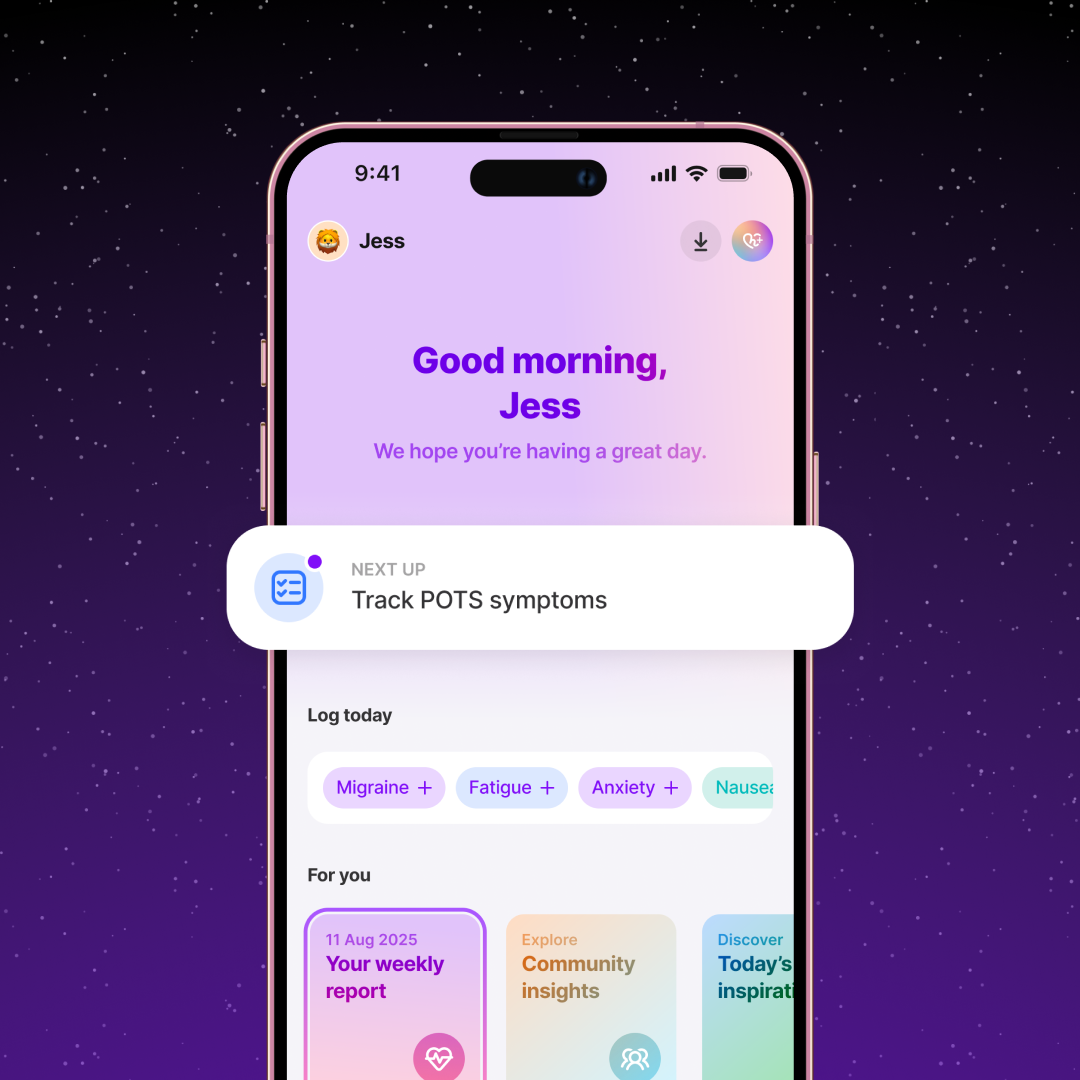
Our Tip: You may find it helpful to keep a simple record of when symptoms appear or change. For example, noticing whether certain sensations happen mainly when you stand, or whether pain stays the same in any position, can give your healthcare provider clearer information. The Human Health app lets you track symptoms, daily habits, and experiences in one place, which you can later share during appointments.
Managing POTS and fibromyalgia together
Managing both conditions at the same time can feel challenging. Research describes several areas that may support discussions with your healthcare provider when planning care.
Focus on gradual physical reconditioning
Reduced activity may contribute to deconditioning, which is linked to symptoms in both conditions. Gradual, supervised exercise programs are described as important in POTS management and have been shown to improve function in fibromyalgia. Starting with lower-intensity activities that avoid upright positions, then increasing intensity over time, may be part of a plan your healthcare provider recommends.
Consider behavioural and cognitive support
Both conditions may involve changes in how the brain interprets internal sensations. Strategies such as cognitive-behavioral therapy are described as helpful in addressing anxiety, somatic hypervigilance, and persistent non-orthostatic symptoms.
Review non-pharmacologic measures for POTS
Approaches such as adequate fluid and salt intake, support garments, and physical counter-maneuvers are common strategies for stabilizing symptoms related to standing. These may support your ability to take part in gradual exercise.

Using these areas as talking points may help you and your healthcare provider build a plan that accounts for both conditions.
Managing POTS and fibromyalgia individually
POTS and fibromyalgia each have features that may need individual attention.
POTS focuses on orthostatic intolerance, so discussions with your healthcare provider may include fluid and salt intake, support garments, physical counter-maneuvers, and supervised gradual exercise to address deconditioning.
Fibromyalgia is defined by widespread pain, chronic fatigue, and muscle tenderness, so management may include gradual activity, sleep support, and cognitive-behavioral strategies.
Separate attention to each condition can support clearer planning.
When should you see a doctor?
It may be important to see a doctor when you notice new or severe symptoms, especially those related to standing, such as near-fainting, fainting, lightheadedness, or a fast heart rate. These symptoms can be evaluated with tests such as an active standing test or a head-up tilt table test.
You should also seek medical care if you experience persistent widespread pain, chronic fatigue, muscle tenderness, or sleep difficulties, as these are part of fibromyalgia and require assessment. A doctor can also review medications, rule out other conditions, and guide safe approaches to gradual activity.
Our Tip: Before a medical visit, having a brief timeline of what you have been experiencing may make conversations feel easier. You might note when pain, fatigue, or posture-related symptoms show up, along with anything that seems to affect them. The Human Health app lets you record these experiences and export your information to share with your healthcare provider, helping you talk through what has been happening day to day.
{{inline-cta-2}}
Track your symptoms and patterns with the Human Health app
Living with POTS and fibromyalgia can feel unpredictable, and it is easy to lose track of what changes from one day to the next. Writing things down may help you see patterns you can share with your healthcare provider.
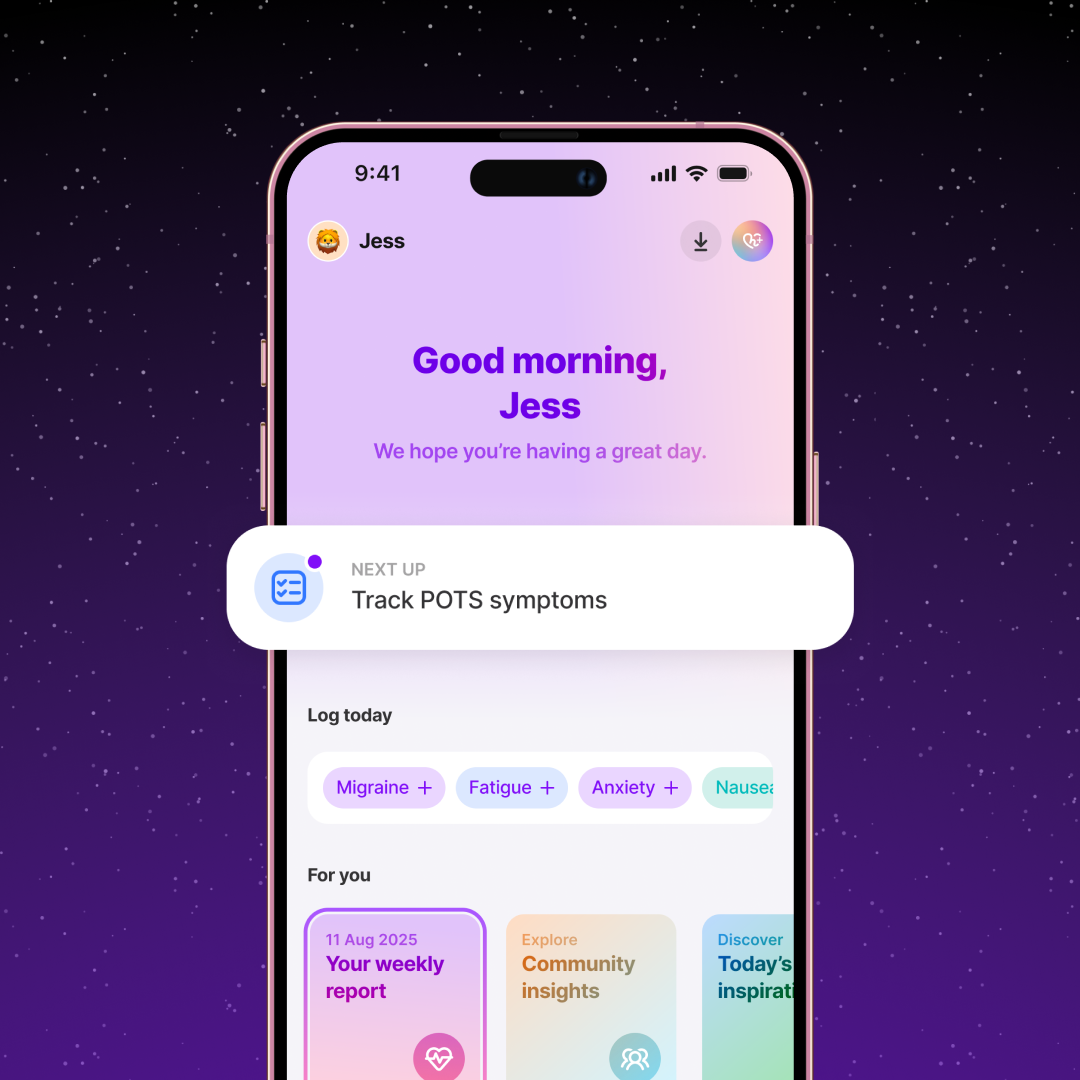
The Human Health app lets you track symptoms, daily habits, and experiences, and you can export your information for appointments.
If you would like a simple place to keep everything together and support these conversations, try the Human Health app today.
References:
Joyner MJ, Masuki S. “POTS versus deconditioning: the same or different?” Clinical Autonomic Research. 2008;18(6):300–307. Doi: https://doi.org/10.1007/s10286-008-0496-4
Bhargava J, Goldin J. Fibromyalgia. StatPearls [Internet]. Treasure Island (FL): StatPearls Publishing; 2025 Jan–. Last Update: January 31, 2025. https://www.ncbi.nlm.nih.gov/books/NBK540974/
Benarroch EE. Physiology and Pathophysiology of the Autonomic Nervous System. Continuum (Minneap Minn). 2020;26(1):12–24. doi:https://doi.org/10.1212/CON.0000000000000817
Zhao S et al. “Postural Orthostatic Tachycardia Syndrome”. StatPearls [Internet]. Treasure Island (FL): StatPearls Publishing; 2023. Available from: https://www.ncbi.nlm.nih.gov/books/NBK541074/
Benarroch EE. “Postural Tachycardia Syndrome: A Heterogeneous and Multifactorial Disorder”. Mayo Clinic Proceedings. 2012;87(12):1214–1225. Doi: https://doi.org/10.1016/j.mayocp.2012.08.013
Yun DJ, et al. “A Case of Postural Orthostatic Tachycardia Syndrome Associated with Migraine and Fibromyalgia”. Korean Journal of Pain. 2013;26(3):303–306. Doi: https://doi.org/10.3344/kjp.2013.26.3.303
Disclaimer: The Human Health app is a health tracking platform and does not provide medical advice, diagnosis, or treatment. The information on this site is intended to support, not replace, conversations with your healthcare provider.
This is a div block with a Webflow interaction that will be triggered when the heading is in the view.

Learn more

POTS and seizures: Connection, symptoms & management


Why people with POTS need salt: Benefits & considerations
.png)
MCAS and POTS: Undertanding the connection

Dysautonomia vs POTS: Shared symptoms & differences

POTS flare-up: Triggers, symptoms, and how to cope
Track your POTS symptoms with the Human Health app
Log overlapping symptoms to identify patterns and better understand the connection between your POTS and fibromyalgia.

Track POTS and fibromyalgia with the Human Health app
Record symptoms and treatments to identify patterns and share detailed reports with your doctor for more productive medical visits.


.png)


