PMOS and fertility: Can you get pregnant with PMOS?

November 27, 2026

- Polyendocrine metabolic ovarian syndrome (PMOS), previously called PCOS, is a common hormonal, reproductive, and metabolic condition.
- Many people with PMOS are able to conceive naturally, while some need medical support.
- Tracking your cycle and symptoms can give you useful data to share with your doctor or specialist when discussing fertility and pregnancy.
If you have been diagnosed with PMOS, you might wonder how the condition could impact your ability to conceive.
Many people with PMOS can become pregnant without any support, while others may need fertility treatment.
Understanding how PMOS affects ovulation and what treatment options are available can help you make informed decisions about your reproductive health.
How PMOS impacts fertility
PMOS affects fertility in several ways, primarily by disrupting ovulation.
PMOS is a leading cause of anovulatory infertility, which occurs when irregular or absent ovulation makes it difficult to conceive.
Several factors can contribute to disrupted ovulation in people with PMOS, including insulin resistance and higher-than-average levels of androgen hormones (hyperandrogenism).
Menstrual cycle irregularities, including skipped periods or longer-than-typical cycles, can be signs of irregular ovulation. When ovulation occurs infrequently or not at all, becoming pregnant can be more challenging.
PMOS isn’t always the only factor affecting fertility. Some people may have other conditions, such as endometriosis, that make it harder to conceive. Fertility difficulties may be related to PMOS, another condition, or a combination of factors, rather than having one clear cause.
Does PMOS cause infertility?
PMOS is a leading cause of infertility, with over 12.5 million PMOS-related infertility cases reported globally in 2021.
Those statistics might sound alarming, but many people with PMOS can get pregnant naturally or with additional medical support. How PMOS impacts your fertility depends on several factors and is specific to you.
If you have questions about your fertility, you don’t need to wait until you’re struggling to conceive to seek advice. Speaking to your doctor early can help you understand how PMOS may affect your fertility and what options are available to you.
{{pro-tip-1}}
Fertility treatment options with PMOS
There are several treatment options available for people with PMOS who are experiencing infertility.
Your doctor can help you explore the most suitable options based on factors such as your age, menstrual cycle patterns, and medical history. These may include:
Medications that induce ovulation
PMOS can cause irregular or absent ovulation, making it more difficult to conceive. Your doctor may recommend medications to stimulate ovulation, including:
- Letrozole: Letrozole causes the body to create less estrogen, increasing follicle-stimulating hormone (FSH) production, which triggers ovulation. This is considered first-line therapy for inducing ovulation in people with PMOS.
- Clomiphene: Clomiphene is an estrogen receptor modulator that can support more regular ovulation. It can be taken alone or in combination with metformin to support fertility, though some people are “resistant” to this medication.
- Metformin: Metformin is primarily used to improve insulin resistance but may also help improve ovulation in people with PMOS. It can be used alone or alongside other fertility medications, although more effective ovulation induction treatments are available.
- Gonadotropins: Gonadotropin hormones can also be injected to help stimulate ovulation.
Intrauterine insemination (IUI)
Intrauterine insemination (IUI) involves placing sperm directly into the uterus to increase the chances of fertilization. It may be used alongside ovulation induction medications to help some people with PMOS conceive, depending on their individual circumstances.
In vitro fertilization (IVF)
In vitro fertilization (IVF) may be recommended if other fertility treatments have been unsuccessful or if additional factors are affecting your ability to conceive.
During IVF, mature eggs are collected from the ovaries and fertilized with sperm in a laboratory. The resulting embryo is then transferred into the uterus.
Your doctor can discuss whether IVF is appropriate for you, including its risks and benefits, based on your medical history and response to previous fertility treatments.
When to see a specialist
If you have PMOS, you may be unsure when to seek medical advice about your fertility. You can speak to your doctor about any concerns, even before you start trying to conceive.
According to the American Society for Reproductive Medicine, fertility evaluation is generally recommended if you:
- Are under 35 and have been trying to conceive for 12 months without success
- Are 35 or older and have been trying to conceive for six months without success
- Are over 40 and are planning to conceive
- Have irregular or absent menstrual periods, which may warrant earlier assessment
Your doctor can help determine whether you need a referral to a fertility specialist.
{{pro-tip-2}}
Real data makes understanding your options easier
Everyone’s fertility journeys are different. Many people with PMOS are able to get pregnant naturally, while others may require medical support.
The more you understand about your body and how PMOS affects you, the better equipped you are to make informed decisions about your fertility. If you have questions or concerns, speaking to your doctor can help you understand your options and plan your next steps.
Keeping track of your menstrual cycles, PMOS symptoms, and signs of ovulation can help you identify patterns, but it can be difficult to remember everything. The Human Health app keeps your cycle and symptom history in one place, so you have useful information ready to share at your next appointment.
{{inline-cta-1}}
Frequently asked questions
Can you become pregnant naturally if you have PMOS?
Yes, it is possible for some people with PMOS to become pregnant without medical support.
PMOS affects everyone differently. Factors such as whether you ovulate regularly and whether you have other conditions affecting your reproductive health can influence your ability to conceive. Some people may not struggle to become pregnant, while others may require medical support.
Is infertility common in people with PMOS?
It might be scary to hear that PMOS is a leading cause of infertility worldwide, but it’s important to remember that not everyone with PMOS experiences infertility.
If you are concerned about how the condition might affect your ability to conceive, tracking your menstrual cycles can help you understand how regular they are and give your doctor useful information when discussing your fertility.
How long will it take to get pregnant with PMOS?
There is no set amount of time it takes for someone with PMOS to conceive. Factors such as ovulation patterns, age, and other conditions affecting fertility can influence how long it takes. Some people conceive naturally without difficulty, while others may need fertility treatment.
Disclaimer: Human Health is a health tracking platform and does not provide medical advice, diagnosis, or treatment. The information in this guide is for educational purposes only and is not a substitute for professional medical care. Always consult your doctor or healthcare provider with questions about your health.
Sources:
- Global, regional, and national burden of infertility attributable to polycystic ovary syndrome, 1990–2021: results from the Global Burden of Disease Study 2021 (2025)
- Infertility management in women with polycystic ovary syndrome: a review (2021)
- Polyendocrine metabolic ovarian syndrome (PMOS)/polycystic ovary syndrome (PCOS): current and future trends (2026)
- Treatments for Infertility Resulting from PCOS, The Eunice Kennedy Shriver National Institute of Child Health and Human Development
- Recommendations From the 2023 International Evidence-based Guideline for the Assessment and Management of Polycystic Ovary Syndrome (2023)
- Usefulness of intermittent clomiphene citrate treatment for women with polycystic ovarian syndrome that is resistant to standard clomiphene citrate treatment (2018)
- Role of Metformin in Polycystic Ovary Syndrome (PCOS)-Related Infertility (2023)
- Gonadotropins for ovulation induction in women with polycystic ovary syndrome (2025)
- Intrauterine Insemination: Fundamentals Revisited (2017)
- In vitro fertilization (2026)
- Fertility evaluation of infertile women: a committee opinion (2026), American Society for Reproductive Medicine
- Polycystic ovary syndrome, The World Health Organization
This is a div block with a Webflow interaction that will be triggered when the heading is in the view.

Learn more

PCOS’s new name: What the change to PMOS means


How to test for PMOS: Understanding the diagnostic process

PMOS diet: What the research shows and why tracking your experience matters

PMOS hair loss: Why it happens and what you can do about it

PMOS facial hair: Understanding hirsutism and your treatment options
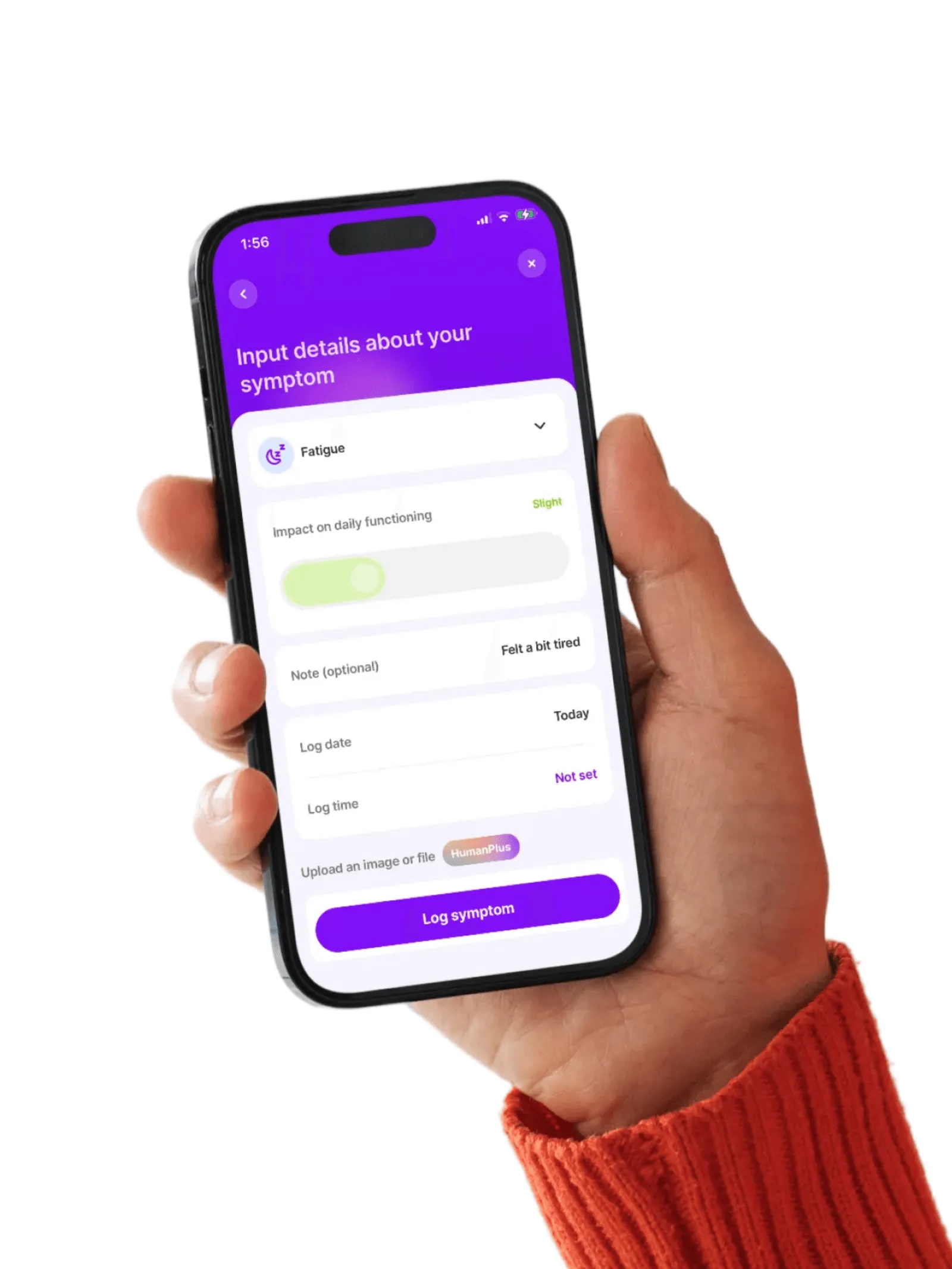
Show up to your fertility appointments prepared
Track your PMOS symptoms, menstrual cycle, and treatments in the app to get a better understanding of what’s happening to share with your fertility doctor.


Pro tip
Information about your menstrual cycle is one of the first things your doctor or fertility specialist will ask for during your appointment. If you start to collect data now, you’ll have months of insights by the time it matters.
Pro tip
You don’t need to wait until you’ve been trying to conceive for several months to discuss your fertility with your doctor. If you have PMOS and are planning a pregnancy, an early conversation can help you understand your options and whether you might benefit from additional support.



