PMOS hair loss: Why it happens and what you can do about it

November 27, 2026
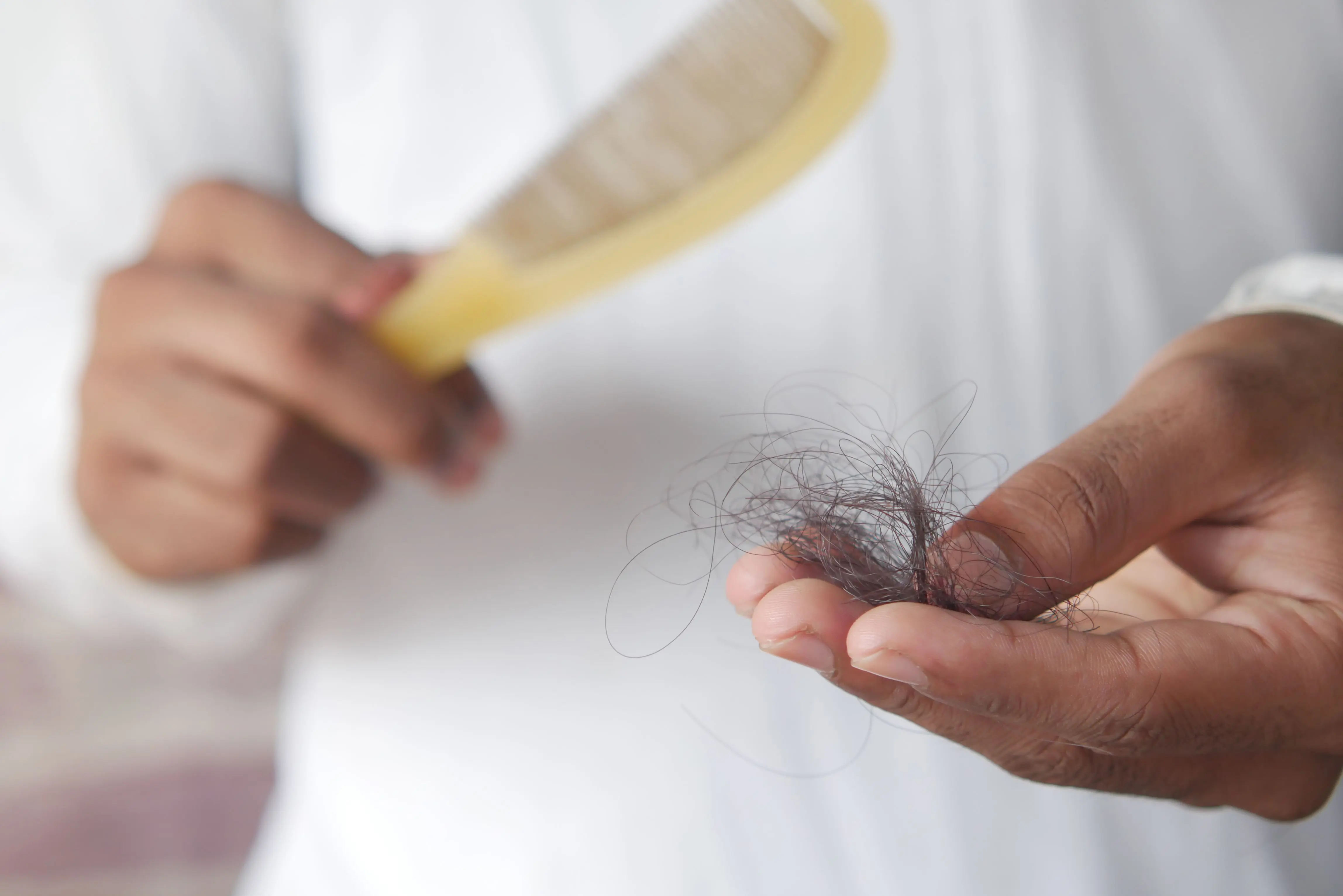
- Polyendocrine metabolic ovarian syndrome (PMOS), formerly PCOS, is a hormonal condition that can impact androgen levels in the body.
- Some people with PMOS experience gradual hair thinning or hair loss. Androgens are thought to play a role, although the exact causes aren’t fully understood.
- PMOS hair loss can be managed through medications and alternative therapies, although it’s not always easy to understand if your treatment is working. Try tracking your hair loss over several months to build a clearer picture of how it’s changing.
Hair loss can be distressing, whether you’ve noticed gradual thinning, a widening part, or simply that your hair doesn’t feel as thick as it used to.
PMOS can affect hair growth in different ways, and the reasons aren’t fully understood. The good news is that there are treatments that help slow further hair loss and, in some cases, encourage regrowth.
In this article, we look at what PMOS-related hair loss can look like, why it may happen, and the treatment options available.
Could PMOS be causing your hair loss?
Losing hair can be alarming, especially if you’re not sure what’s causing it.
If you have diagnosed PMOS, you may be wondering whether your hair loss is another symptom of the condition. If you haven’t been diagnosed, you might be wondering whether hair loss could be a sign of PMOS.
Formerly known as PCOS, PMOS is a common hormonal condition that can affect people of reproductive age who menstruate. Hair loss alone isn’t enough to indicate you have PMOS, but if you have noticed it alongside other symptoms, such as irregular periods, acne, or weight gain/difficulty losing weight, it may be worth speaking to your doctor.
Many people with PMOS also experience hirsutism—the excess growth of body hair in areas including the face, chest, and abdomen. It can seem contradictory to experience thinning hair on the scalp while also noticing more hair in other areas, but both symptoms are linked to androgen hormones.
Important: Even if you have been diagnosed, don’t assume that PMOS is necessarily causing your hair loss. Hair loss can have many different causes, and not everyone with PMOS has elevated androgen levels. Speak to your doctor about new or significant hair loss so they can help identify the cause and recommend appropriate treatment.
What PMOS hair loss can look like
The exact cause of PMOS hair loss, which is sometimes referred to as androgenetic alopecia or female pattern hair loss, is not known.
Research suggests that higher levels of androgen hormones, which are common in people with PMOS, may be a contributing factor.
Androgens are a type of hormone associated with the development of male sexual characteristics, but they are present in all people. They play a role in the hair growth cycle.
Higher androgen hormone levels can cause susceptible hair follicles to shrink over time. As a result, they produce progressively thinner, shorter hairs, which can lead to noticeable thinning and areas of reduced hair growth on the scalp.
Hair loss caused by PMOS looks different for everyone, including the extent, exact location, and amount of hair lost. But generally, it can look like this:
- Thinning hair on the top of the head
- Widening central hair part
- Having less hair to put into a ponytail (if you have long hair)
- Being able to see more of your scalp in the mirror
People with PMOS don’t typically experience a receding hairline, but it is possible. It is very rare for PMOS hair loss to cause complete baldness.
{{pro-tip-1}}
PMOS hair loss treatments
Hair loss affects everyone differently. Perhaps you feel that you don’t need or want treatment. Perhaps the hair loss is bothering you—in which case it’s completely understandable to want to do something about it.
If your hair loss is related to PMOS, there are treatments that may help slow further hair loss and, in some cases, encourage regrowth. Results can vary, however, and changes in hair growth usually take time.
The right approach will depend on factors such as the cause and extent of your hair loss, your other PMOS symptoms, and your individual health needs. Your doctor can help you understand which treatment options may be suitable for you.
Medications
Your doctor may prescribe medication to help slow hair loss or stimulate new hair growth. Some medications work by reducing the effects of androgen hormones, while others act more directly on the hair follicles.
Medications that target androgen activity
Because high androgen levels are associated with hair loss, medications that reduce androgen levels or block their effects can be prescribed to slow it down.
Examples include:
- Combined oral contraceptives: Some types of combined birth control pills can reduce androgen activity and may help manage androgen-related symptoms, including hair loss.
- Spironolactone: Spironolactone acts as an androgen antagonist, meaning it blocks the hormone from binding to its typical receptors, helping to reduce its effect on the hair follicles.
Treatments that promote hair growth
Other medications act more directly on the hair follicles to promote growth rather than primarily targeting androgen activity. For example:
- Minoxidil (topical or oral): This medication widens the blood vessels near the hair follicles, improving blood flow to the area. It may also interact with the hair growth cycle, increasing the growth phase and shortening the rest phase, but more research is needed to explain exactly how it works.
Lifestyle and metabolic management
Healthy lifestyle changes, such as eating a balanced diet and staying physically active, are an important part of managing PMOS day to day and supporting your overall metabolic health.
These changes may also be relevant to hair loss.
Researchers think that metabolic features of PMOS, including insulin resistance and inflammation, may contribute to changes in the hair follicles alongside hormonal factors such as higher androgen levels.
However, right now, research looking at whether lifestyle changes can improve hair growth in people with PMOS is still limited. This means they can form an important part of managing the condition overall, but can’t replace treatments that specifically target hair loss.
{{pro-tip-2}}
Alternative therapies
In some cases, alternative therapies can help with PMOS hair loss, though research on the true efficacy of these treatments is still needed.
Examples include:
- Low-level laser therapy, which aims to stimulate follicle activity
- Platelet-rich plasma (PRP) therapy, which aims to promote nutrient and oxygen delivery to hair follicles
- Mesotherapy, which involves injecting active medications into the scalp
You don’t need to handle PMOS hair loss alone
Hair loss can be one of the hardest parts of PMOS to talk about due to stigma and discomfort. But you don’t need to struggle alone.
If your hair loss is affecting your confidence or well-being, speak to your doctor about the ideal treatment options for you. Treatment can help slow further hair loss and, in some cases, encourage regrowth.
Using the Human Health app, you can start recording your hair loss alongside any treatments you’re using, so you can see how things change over months. This way, any gradual progress can be accounted for, rather than guessed at.
{{inline-cta-1}}
Frequently asked questions
What causes PMOS hair loss?
We still don’t know why PMOS causes hair loss. Androgens are thought to play an important role by affecting susceptible hair follicles, which can lead to shorter growth cycles and progressively finer hairs.
However, PMOS-related hair loss can also occur in people whose androgen levels are within the normal range, suggesting that other factors may be involved.
Can I prevent hair loss from PMOS?
There’s no certain way to prevent PMOS-related hair loss, but some treatments can help reduce its impact. Treatments such as minoxidil and medications that target androgen activity may help slow hair loss in some people.
Will PMOS make me lose all my hair?
PMOS-related hair loss typically causes gradual thinning of the hair rather than complete baldness. You may notice your part becoming wider, more of your scalp becoming visible, or reduced hair density over time.
However, hair loss can have many different causes. If you’re experiencing significant, sudden, or rapidly worsening hair loss, speak to your doctor rather than assuming PMOS is the culprit.
Does PMOS hair loss grow back?
It is sometimes possible to regrow hair that’s lost because of PMOS. Depending on the severity and duration of your hair loss, some people notice hair regrowth when they take medications. But it is important to remember that hair regrowth is not guaranteed with treatment.
Disclaimer: Human Health is a health tracking platform and does not provide medical advice, diagnosis, or treatment. The information in this guide is for educational purposes only and is not a substitute for professional medical care. Always consult your doctor or healthcare provider with questions about your health.
Sources:
- Polyendocrine metabolic ovarian syndrome, StatPearls (2025)
- Recommendations From the 2023 International Evidence-based Guideline for the Assessment and Management of Polycystic Ovary Syndrome (2023)
- Androgenetic alopecia (2024)
- Androgenetic alopecia, MedlinePlus
- Hirsutism, StatPearls (2023)
- Androgenetic alopecia in polycystic ovary syndrome: a cutaneous marker of systemic metabo-inflammatory and endocrine dysfunction (2026)
This is a div block with a Webflow interaction that will be triggered when the heading is in the view.

Learn more

PCOS’s new name: What the change to PMOS means


How to test for PMOS: Understanding the diagnostic process

PMOS diet: What the research shows and why tracking your experience matters

PMOS facial hair: Understanding hirsutism and your treatment options

PMOS acne: How to recognize and manage it

Track your hair loss symptoms in the app
Monitoring your PMOS hair loss makes it easier to track how it progresses and assess if your treatment plan is making a difference.


Pro tip
PMOS hair loss often occurs slowly, over multiple months or years. To better understand how your hair loss is progressing, tracking it in a health journal can help to paint a clearer picture of your condition.
Pro tip
Making lifestyle changes can take time to have an effect. Tracking your symptoms and the lifestyle adjustments you are making can help create an accurate record of what’s actually happening.



