How to test for PMOS: Understanding the diagnostic process

November 27, 2026

- Polyendocrine metabolic ovarian syndrome (PMOS), formerly known as polycystic ovary syndrome (PCOS), is a common hormonal and metabolic condition.
- PMOS symptoms range in severity and affect different areas of the body. Common examples include irregular periods, excess body hair, acne, and fertility difficulties.
- There is no single test for PMOS. Your doctor will assess your symptoms and medical history and may recommend blood tests or an ultrasound to help make a diagnosis.
- Before your appointment, document your recent menstrual cycles and other symptoms, including when they started and how they’ve changed. Having specific dates and details can help your doctor understand what you’ve been experiencing.
Getting a diagnosis of polyendocrine metabolic ovarian syndrome (PMOS) can take time. It’s estimated that up to 70% of people with PMOS are undiagnosed. Understanding how PMOS is diagnosed and what different tests are used for can help you prepare for your appointment and have a more informed conversation with your doctor.
In this article, we explain how doctors test for PMOS, including what to expect at your initial consultation, the diagnostic criteria, and the tests you may be offered.
Let’s get into it.
Signs you might have PMOS
Polycystic ovary syndrome (PCOS) was officially renamed polyendocrine metabolic ovarian syndrome (PMOS) in May 2026. Find out more in our article about the name change.
PMOS is a common hormonal condition that impacts some people who menstruate.
Some of the signs and symptoms that may prompt you to speak to your doctor about PMOS include:
- Irregular or infrequent periods
- Female-pattern hair loss (thinning hair on the top and crown of the scalp)
- Excess facial or body hair (hirsutism)
- Acne on the face, back, and chest
- Areas of darker, thicker skin, often around the neck, armpits, or groin
- Fatigue
- Weight gain and difficulty losing weight
- Pain, including pelvic pain, pain during menstruation, bloating, and cramping
- Difficulty becoming pregnant
Other symptoms and health changes can occur with PMOS, and some are associated with other health conditions too. This can make it difficult to know what might be behind everything you’re experiencing.
You don’t need to know whether PMOS is causing your symptoms before speaking to your doctor. If you have concerns about changes in your menstrual cycle or other aspects of your health, it’s worth making an appointment.
{{pro-tip-1}}
PMOS diagnostic criteria
Your doctor will assess your symptoms and medical history to determine whether you meet the diagnostic criteria for PMOS.
In adults, a diagnosis requires at least two of the following three criteria:
- Infrequent or absent ovulation: You may meet this criterion if your cycles are longer than 35 days or you have fewer than eight periods a year.
- High androgen hormone levels (hyperandrogenism): Signs include excess facial or body hair, hair loss, or acne. Blood tests may show elevated androgen levels.
- Polycystic ovarian morphology (PCOM): A transvaginal ultrasound can be used to assess the number of small follicles in the ovaries. In adults, an anti-Müllerian hormone (AMH) blood test can be used as an alternative to ultrasound to assess PCOM.
How to test for PMOS: The diagnosis process
Your symptoms and medical history will help your doctor decide how to test for PMOS and which assessments you may need. There is no single test that gives a PMOS diagnosis.
Initial assessment
During your appointment with your doctor, they will likely ask you some of the following questions about your symptoms:
- When did your symptoms begin?
- When was your last period?
- How long are your menstrual cycles?
- Are your periods regular, or do they change from month to month?
- Do you experience severe pain during your period?
- Have you noticed an increase in body hair?
- Have you noticed any thinning or hair loss on your scalp?
- Have you experienced acne?
- What have your energy levels been like lately?
The more specific you can be when answering these questions, the better. Having dates, cycle lengths, and timelines for symptoms makes it easier for your doctor to understand what you’ve been experiencing.
Your doctor may also carry out a physical assessment. They may look for signs of high androgen levels such as excess facial or body hair, acne, or female-pattern hair loss. They may also check your blood pressure and, with your permission, measure your weight and BMI.
Depending on your symptoms and medical history, they may recommend other examinations to investigate possible causes, including a pelvic exam. However, a pelvic exam is not required to diagnose PMOS, and you can let your doctor know if you don’t want one.
PMOS labs
Your doctor may recommend blood tests for several reasons:
- To check androgen levels: Blood tests can measure hormones such as total and free testosterone to look for biochemical signs of androgen excess.
- To rule out other possible causes: Your doctor may test levels of thyroid-stimulating hormone (TSH), prolactin, and 17-hydroxyprogesterone (17-OHP), among others, to investigate conditions that can cause similar symptoms.
- To assess your metabolic health: PMOS is associated with an increased risk of metabolic conditions, including type 2 diabetes and cardiovascular disease. Your doctor may therefore check your blood glucose and cholesterol levels.
- To assess for PCOM: In adults, an AMH blood test can be used as an alternative to ultrasound to assess for polycystic ovarian morphology. You may not need an AMH test if you already meet the other two diagnostic criteria for PMOS.
Depending on which blood tests are ordered, your doctor may give you instructions about when to have them. Some hormone tests may need to be taken at a particular point in your menstrual cycle. For example, some initial hormone tests are usually taken early in the cycle. If your periods are irregular or absent, your doctor can advise you on the appropriate timing.
PMOS ultrasound
In adults, a transvaginal ultrasound can be used to assess for PCOM as an alternative to an AMH blood test. The ultrasound allows your doctor to look at your ovaries and assess the number and size of follicles they contain.
During this test, a small, covered ultrasound probe is gently inserted into the vagina to collect images of the uterus and ovaries. The examination is only performed with your consent, and you can ask for it to stop at any time.
Not everyone undergoes this test. If your doctor finds that you fit the other two PMOS diagnostic criteria (infrequent or absent periods and hyperandrogenism), they may not assess you for polycystic ovarian morphology.
The best way to advocate for your care is to show up prepared
It can take longer than it should for many people to receive an accurate PMOS diagnosis. But if you come to your appointment prepared with relevant information, you are well-equipped to advocate for yourself.
The Human Health app turns months of symptoms into something you can hand over rather than remember and describe. There is no guaranteed way to speed up the diagnosis process, but coming prepared with information means you walk into every appointment with helpful evidence you can share with your doctor.
{{inline-cta-1}}
Frequently asked questions
What are the warning signs of PMOS?
Common signs of PMOS include irregular or absent periods, excess facial or body hair, acne, and thinning hair on the scalp. However, these symptoms can have other causes, so experiencing them doesn’t necessarily mean you have PMOS.
If you notice any of these changes, consider tracking your symptoms and discussing them with your doctor.
How do doctors test for PMOS?
There is no single test for PMOS. Your doctor will assess whether you meet at least two of the three diagnostic criteria using your symptoms and medical history, a physical assessment, and blood tests where appropriate.
If needed, an ultrasound or AMH blood test can be used to assess possible PCOM. Other blood tests may also be used to rule out conditions that can cause similar symptoms and assess your metabolic health.
When should I see my doctor about PMOS?
There is no “correct” time to see your doctor about PMOS symptoms. If you have been experiencing an irregular period, are struggling to get pregnant, or are noticing physical signs of hyperandrogenism, speaking to your doctor may be helpful. But if you have concerns without these symptoms, you don’t need to wait to seek medical care.
Disclaimer: Human Health is a health tracking platform and does not provide medical advice, diagnosis, or treatment. The information in this guide is for educational purposes only and is not a substitute for professional medical care. Always consult your doctor or healthcare provider with questions about your health.
Sources:
- Polycystic ovary syndrome, World Health Organization
- Polyendocrine metabolic ovarian syndrome, the new name for polycystic ovary syndrome: a multistep global consensus process (2026)
- Polyendocrine metabolic ovarian syndrome, StatPearls (2025)
- Recommendations from the 2023 International Evidence-based Guideline for the Assessment and Management of Polycystic Ovary Syndrome (2023)
- Ovarian Cysts in Polycystic Ovary Syndrome (2026)
- Diagnosis and management of polycystic ovarian syndrome (2024)
- Ultrasound Assessment in Polycystic Ovary Syndrome Diagnosis: From Origins to Future Perspectives—A Comprehensive Review (2025)
This is a div block with a Webflow interaction that will be triggered when the heading is in the view.

Learn more

PCOS’s new name: What the change to PMOS means


PMOS diet: What the research shows and why tracking your experience matters

PMOS hair loss: Why it happens and what you can do about it

PMOS facial hair: Understanding hirsutism and your treatment options

PMOS acne: How to recognize and manage it
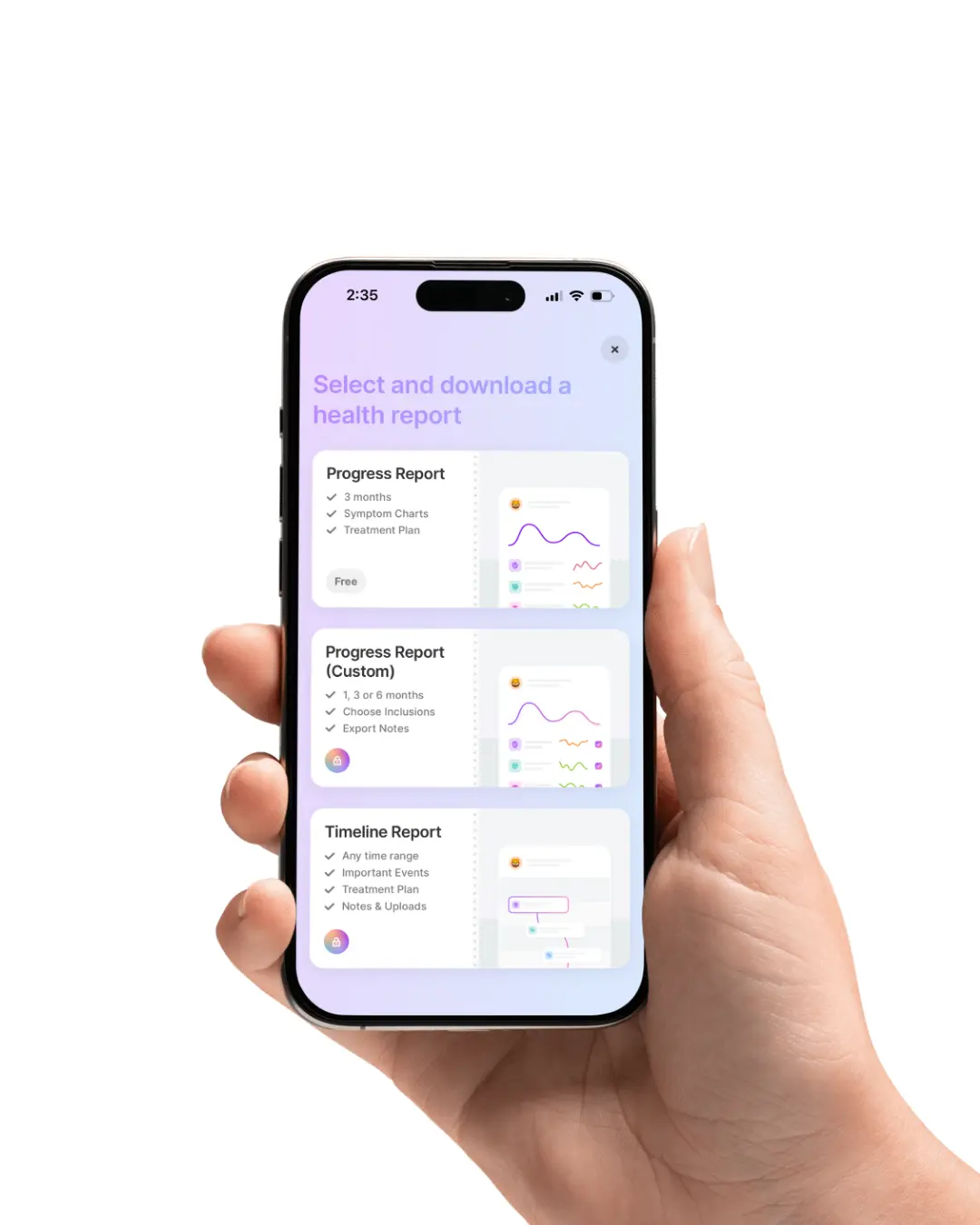
Start collecting essential data in the app
Make it easier to advocate for your care. Share a detailed health record with your doctor at your next appointment.


Pro tip
Before your appointment, note your recent period dates and cycle lengths, along with any other symptoms or changes you’ve noticed. Note when they started and whether they have changed over time. Specific dates and details can give your doctor a clearer picture than trying to remember everything during your appointment.



