What are the first signs of PMOS? What PMOS symptoms can look like

November 26, 2026

- Polyendocrine metabolic ovarian syndrome (PMOS), formerly known as polycystic ovary syndrome (PCOS), is a hormonal and metabolic condition.
- Common signs and symptoms of PMOS include irregular or absent periods, excess body hair growth, acne, and hair loss. PMOS is also associated with insulin resistance, metabolic health risks, and difficulties with fertility.
- Our understanding of PMOS is still evolving, and research is ongoing. It’s common for people to live with the condition for years before receiving an accurate diagnosis.
- If you suspect that you may have PMOS, tracking changes to your menstrual cycle and other symptoms can start a health record you can share with your doctor.
Polyendocrine metabolic ovarian syndrome (PMOS) is a common hormonal and metabolic condition that causes a wide variety of symptoms, yet many people spend years without an accurate diagnosis.
There’s no single symptom or first sign that can tell you that you have PMOS. The condition affects people differently and symptoms can evolve over time. However, changes to your menstrual cycle, hair, and skin are among the common signs that may prompt someone to seek medical advice.
If you’ve noticed changes in your health that you’re struggling to understand or cope with, you don’t have to wait to get professional help.
In this article, we’ll explore the common signs and symptoms of PMOS, how they can affect your health, and what to do if you think you might have the condition.
Let’s get into it.
What is PMOS?
Polycystic ovary syndrome (PCOS) was officially renamed polyendocrine metabolic ovarian syndrome (PMOS) in May 2026. Find out more in our article about the name change.
PMOS is the most common hormonal condition affecting people of reproductive age. It’s a complex, systemic condition that can affect aspects of your reproductive, hormonal, and metabolic health, including ovulation, androgen levels, and the way your body responds to insulin.
Everyone experiences PMOS differently. The condition can develop during adolescence, but there isn’t a single age at which symptoms begin or a set order in which they appear. In adolescents with PMOS, irregular menstrual cycles can be an early clinical sign.
Symptoms can be minimal for some, while others experience severe symptoms that impact their quality of life.
In the sections below, we get into the common symptoms of PMOS.
Periods and reproductive health
Some variation in your menstrual cycle is normal from month to month. However, PMOS can disrupt ovulation, which can make periods irregular, infrequent, or absent. Knowing when variation falls outside the expected range can help you recognize when it may be worth speaking to your doctor.
Irregular menstruation can look like:
- Having cycles that are shorter than 21 days or longer than 35 days
- Having fewer than eight periods a year
- Going more than 90 days without a period
PMOS can also affect reproductive health. Some people experience difficulty becoming pregnant because PMOS can disrupt ovulation.
{{pro-tip-1}}
Hair and skin changes
Some people with PMOS have higher levels of androgen hormones or experience signs of androgen excess. These can include:
- Female-pattern hair loss (thinning hair on the top and crown of the head)
- Hirsutism (extra body hair that grows on the face, belly, and near the nipples)
- Acne on the face, back, and chest
Metabolic health
PMOS is associated with insulin resistance and an increased risk of several metabolic health conditions.
Metabolic health effects can include:
- Insulin resistance, which increases the risk of developing type 2 diabetes
- Higher cholesterol levels
- Hypertension (high blood pressure)
These metabolic changes and conditions can affect people in different ways and may cause a range of symptoms, many of which are not specific to PMOS. However, some changes you might notice include:
- Areas of darker, thicker skin, often around the neck, armpits, or groin (acanthosis nigricans), which can be a sign of insulin resistance
- Weight gain and difficulty losing weight
Mood and mental health
Some people with PMOS experience mood changes and mental health conditions. These are believed to be linked with hormone imbalances.
Examples include:
- Depression
- Anxiety
- Bipolar disorder
- Obsessive-compulsive disorder (OCD)
- Difficulties with self-esteem
Pain and other symptoms
Pain isn’t part of the diagnostic criteria for PMOS, but it is commonly reported by people with the condition. This can include:
- Pelvic pain
- Pain during menstruation
- Painful bloating
- Abdominal cramping, including cramping outside of your period
Some people with PMOS also experience fatigue. PMOS is also associated with a higher risk of obstructive sleep apnea, a condition that causes breathing to repeatedly stop and start during sleep.
What to do if you think you might have PMOS
Many people aren’t sure whether the symptoms they are experiencing are worth discussing with a doctor.
Because everyone’s menstrual cycle is different, it can be difficult to know when variation falls outside of what’s considered “normal.” This, paired with sometimes limited access to reproductive care and education, can make PMOS difficult to recognize.
It doesn’t have to be this way.
If you feel like something is not quite right, there are a few things you can do to get answers:
Start a symptom journal
By the time you’re sitting down with a doctor, you may have been living with PMOS symptoms for years. Symptoms can be hard to remember or describe, and your doctor needs as much information as possible to understand what you’re experiencing.
Start tracking your menstrual cycle and symptoms as they happen. Record when symptoms occur, how long they last, and how severe they are.
Over time, this can help you notice recurring patterns and understand how your symptoms change. You’ll also have a record to refer back to and share with your doctor, giving them a clearer picture of what you’ve been experiencing.
Book an appointment with your doctor
Even if you’re unsure whether you have PMOS, speaking to your doctor about your symptoms and concerns is worthwhile.
During the appointment, your doctor will ask you questions to understand what you’ve been experiencing. This is where your symptom record can come in useful, as it’s easy to refer back to.
Examples of questions they may ask include:
- What were your last three periods like?
- Do you ever miss a period?
- Does your period come regularly, or does it change month to month?
- Have you noticed any changes in your body hair?
- Are you trying to conceive? Or do you want to conceive in the future?
- How long have you been experiencing these symptoms?
There is no single test for PMOS. Your doctor will consider your symptoms and medical history and may recommend blood tests or, in some cases, an ultrasound. They may also carry out examinations or tests to rule out other causes.
Important note: Your doctor should explain why they are recommending any examination or test. If you’re uncomfortable with anything, let them know so you can discuss why it has been suggested and what alternatives may be available.
Track your symptoms to create a fuller picture
Living with symptoms you don’t understand can be confusing and stressful, particularly when you don’t know whether they’re connected or what might be causing them.
You don’t need to have a solid theory about what condition you may have before speaking to your doctor. Thinking “something is off” is enough of a reason to start looking for answers.
Using the Human Health app, you can log your symptoms as they happen, turning things that are hard to remember into a record you can look back on and share with your doctor.
{{inline-cta-1}}
Frequently asked questions
What are the first signs of PMOS?
There isn’t one set of first signs that everyone experiences. Common signs include irregular or infrequent periods and signs of androgen excess, such as excess hair growth, acne, and hair loss.
PMOS can emerge during adolescence. In adolescents with PMOS, irregular menstrual cycles can be an early clinical sign, although irregular periods can also be a normal part of puberty.
What is the biggest sign of PMOS?
One of the most common symptoms of PMOS is an irregular period, including long cycle lengths, skipping periods, or not having periods at all. Other common signs include excess body hair growth and acne. Insulin resistance is also common in people with PMOS, although it may not cause noticeable symptoms.
Do you need ovarian cysts to have PMOS?
You don’t need to have ovarian cysts to be diagnosed with PMOS. Some people with PMOS have a higher number of small follicles in their ovaries, known as polycystic ovarian morphology, but this is only one of the features doctors may consider when making a diagnosis.
Disclaimer: Human Health is a health tracking platform and does not provide medical advice, diagnosis, or treatment. The information in this guide is for educational purposes only and is not a substitute for professional medical care. Always consult your doctor or healthcare provider with questions about your health.
Sources:
- Polyendocrine metabolic ovarian syndrome, the new name for polycystic ovary syndrome: a multistep global consensus process (2026)
- Polyendocrine metabolic ovarian syndrome, StatPearls (2025)
- Recommendations from the 2023 International Evidence-based Guideline for the Assessment and Management of Polycystic Ovary Syndrome (2023)
- Androgenetic alopecia in polycystic ovary syndrome: a cutaneous marker of systemic metabo-inflammatory and endocrine dysfunction (2026)
- Acanthosis Nigricans, StatPearls (2023)
- Diagnosis and Treatment of Adolescent Polycystic Ovary Syndrome: A Review (2025)
- Polyendocrine metabolic ovarian syndrome, MedlinePlus
- Polycystic Ovary Syndrome (PCOS): Symptoms, Causes, and Treatment (2024)
- The Invisible Struggle: The Psychosocial Aspects of Polycystic Ovary Syndrome (2023)
- Polyendocrine metabolic ovarian syndrome (PMOS)/polycystic ovary syndrome (PCOS): current and future trends (2026)
- Pain in polycystic ovary syndrome: a comprehensive bedside to bench perspective on an underrecognized symptom (2026)
- Polycystic Ovary Syndrome: Etiology, Current Management, and Future Therapeutics (2023)
- Diagnosis delayed: health profile differences between women with undiagnosed polycystic ovary syndrome and those with a clinical diagnosis by age 35 years (2021)
This is a div block with a Webflow interaction that will be triggered when the heading is in the view.

Learn more

PCOS’s new name: What the change to PMOS means


How to test for PMOS: Understanding the diagnostic process

PMOS diet: What the research shows and why tracking your experience matters
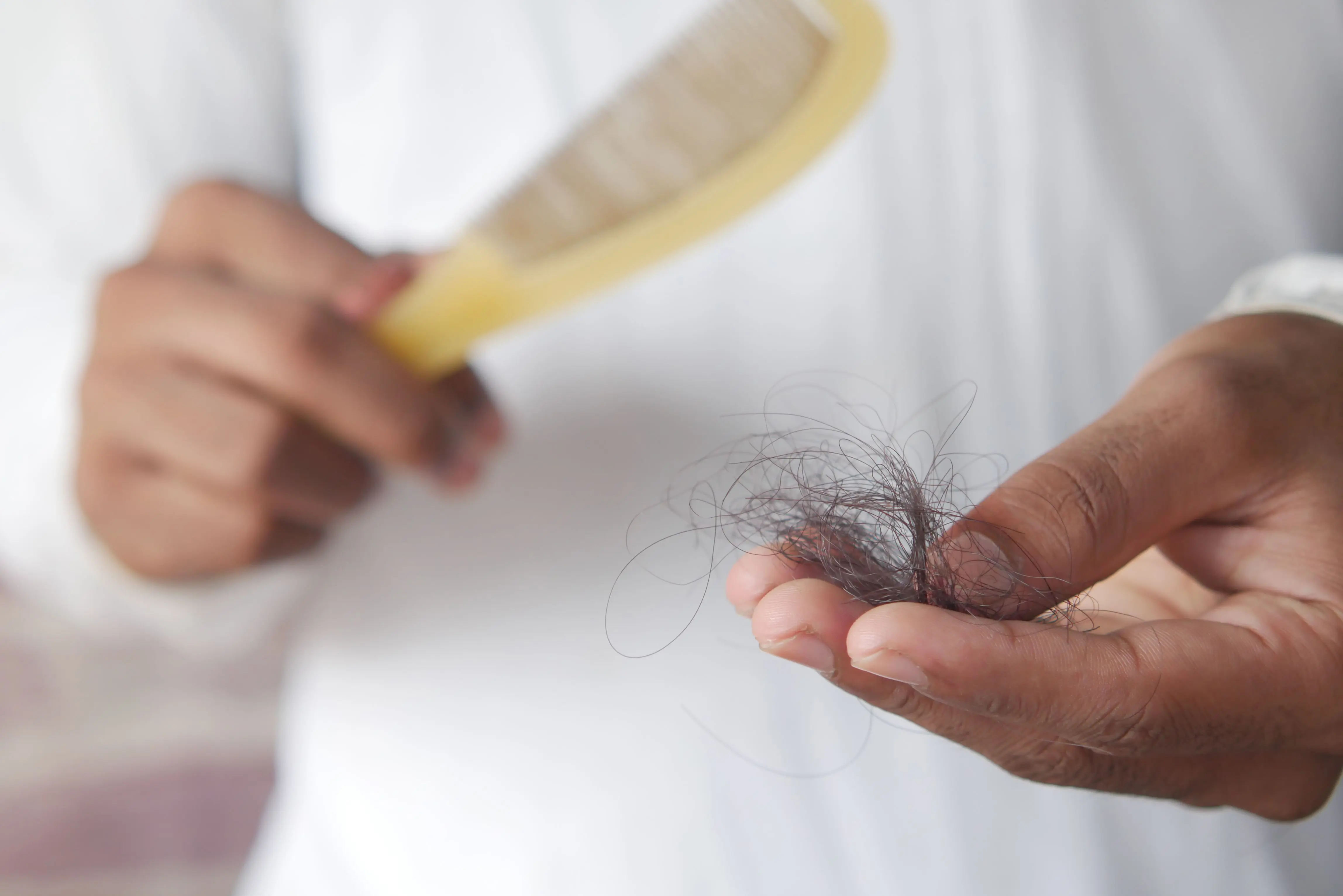
PMOS hair loss: Why it happens and what you can do about it

PMOS facial hair: Understanding hirsutism and your treatment options

Start recording your symptoms using the app
Use the Human Health app to track your menstrual cycle alongside other PMOS symptoms. Over time, you’ll compile a health record you can review and share with your doctor.


Pro tip
If you’re reading this because something feels off, start recording your experiences today. Six months of notes is worth more in an appointment than trying to remember six months of symptoms when your doctor asks.



