PMOS belly and weight changes: Understanding the connection between PMOS and weight

November 26, 2026

- Polyendocrine metabolic ovarian syndrome (PMOS), previously called PCOS, is a common hormonal and metabolic condition.
- Some people with PMOS experience weight gain and difficulty losing weight. For some, this weight can collect around the central abdomen in a weight pattern known as “PMOS belly.”
- Tracking changes in your weight, abdominal bloating, and other PMOS symptoms can help you distinguish between temporary bloating and more gradual weight changes, identify patterns, and share useful information with your doctor.
PMOS can affect how your body manages and stores fat, sometimes contributing to weight gain around the abdomen. However, changes in your abdominal appearance can also be caused by bloating, which may be difficult to distinguish from weight gain.
Understanding the factors behind these changes, including insulin resistance and hormonal imbalances, can help you make sense of your symptoms. Tracking changes in your weight, bloating, and other PMOS symptoms over time may also help you identify patterns to discuss with your doctor.
In this article, we explain what people mean by “PMOS belly,” why PMOS can affect weight, and how to distinguish gradual weight changes from bloating.
Being told to “just lose weight” with PMOS is frustrating
PMOS affects everyone differently, and there’s no single way someone with the condition looks.
Some people experience weight gain or find it difficult to lose weight. Changes in your body can be difficult to understand and sometimes uncomfortable to discuss, particularly when you’re just looking for clear answers about what’s causing them.
Weight gain in people with PMOS is complex and impacted by several factors. Changes in abdominal appearance can also be caused by bloating rather than increased body fat.
Despite this complexity, some people with PMOS report being dismissed or advised to “just lose weight” without their other symptoms and concerns being properly addressed.
Losing weight with PMOS is not always simple or fast. Weight-loss advice may be inappropriate if abdominal changes are caused by bloating, while underlying health issues such as insulin resistance may require targeted medical care rather than weight management advice alone.
If you’re experiencing unexplained weight gain, bloating, or other PMOS symptoms, speak to your doctor about what might be contributing to these changes and whether further investigation is needed.
How does PMOS impact weight?
The relationship between PMOS and weight isn’t straightforward, and there’s no single explanation for why some people experience weight gain while others don’t.
PMOS is associated with hormonal and metabolic changes, including insulin resistance and elevated androgen levels, which may contribute to weight gain and changes in how body fat is distributed.
In people with insulin resistance, the cells become less sensitive to insulin, the hormone responsible for regulating blood sugar levels. To compensate, the body may produce more insulin.
Insulin resistance is associated with increased visceral fat, which is stored deep inside the abdomen, around internal organs. The relationship can work both ways, as excess visceral fat can also contribute to insulin resistance.
Higher insulin levels can stimulate the ovaries to produce more androgen hormones, such as testosterone. Having higher-than-average androgen levels is known as hyperandrogenism, and it can cause symptoms such as acne, hair loss, and increased facial or body hair growth.
Androgen excess may also influence where body fat is stored, contributing to greater fat accumulation around the abdomen in some people with PMOS. However, these effects vary, and not everyone with PMOS experiences weight gain or changes in fat distribution.
{{pro-tip-1}}
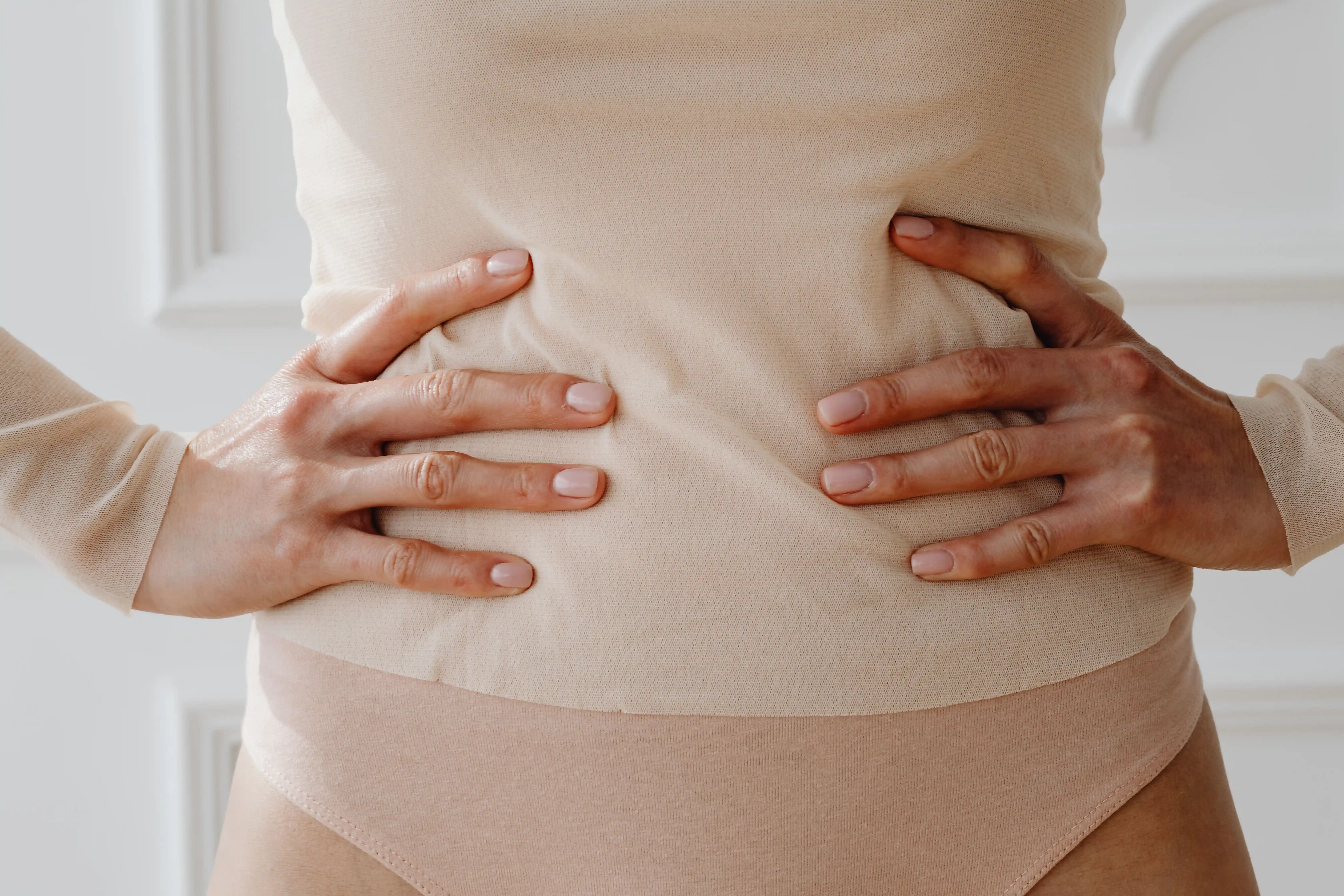
What is PMOS belly?
Research shows that people with PMOS are more likely to carry weight around their abdomen in a weight pattern sometimes called PMOS belly. However, this doesn’t affect everyone with PMOS.
Some features people associate with “PMOS belly” include:
- Excess visceral fat around the central abdomen
- An apple-shaped body appearance
- Extra fat on the sides of the abdomen
- Difficulty losing weight
Important note: You don’t need to be overweight to have increased abdominal fat. People with PMOS can experience changes in fat distribution regardless of their overall body weight or BMI.
PMOS belly vs. PMOS bloating
PMOS belly and PMOS bloating are not the same thing.
PMOS can cause gastrointestinal disturbances, including painful bloating. During bloating episodes, the stomach can feel and appear more distended than usual.
The key difference between PMOS-related bloating and PMOS belly is that bloating comes and goes. Bloating often fluctuates throughout the day or between days, whereas changes in abdominal fat tend to happen more gradually.
PMOS belly refers to how fat stores and collects on the body. It doesn’t change quickly and will fluctuate as your body weight changes over time.
Understanding the difference between PMOS belly and bloating can help you and your doctor identify possible causes of changes in your abdomen and determine what care or treatment may be appropriate.
Keeping a daily record of bloating alongside your weight, menstrual cycle, and other symptoms can help you see whether changes in your abdomen come and go or develop more gradually.
Understanding how PMOS affects your body weight takes time
Weight gain, bloating, or changes in how your body looks and feels can be frustrating, especially when you don’t know what’s causing them.
PMOS affects everyone differently, and not everyone experiences weight gain. If your weight is changing, there may be several factors at play, including insulin resistance and hormonal changes.
Keeping a record of weight changes, bloating, menstrual cycles, and other symptoms in the Human Health app can help you build a clearer picture of how PMOS affects you over time. You can also share this information with your doctor to help them assess your symptoms and discuss appropriate care.
{{inline-cta-1}}
Frequently asked questions
How do I know if I have PMOS belly?
“PMOS belly” isn’t a medical diagnosis, and abdominal appearance alone can’t tell you whether you have PMOS.
If you’ve noticed changes around your abdomen, tracking them alongside other symptoms, such as irregular periods, acne, or increased facial hair, may help you identify patterns. You can share this information with your doctor to investigate possible causes and determine whether PMOS could be contributing.
How do you get rid of PMOS belly?
Losing weight is often touted as a “simple solution” to PMOS, but the condition is complex and affected by many things.
Managing PMOS-related weight changes depends on your individual symptoms and underlying health factors. This may involve medications to manage your insulin resistance alongside lifestyle changes such as eating a healthy, balanced diet, exercising regularly, and prioritizing quality sleep.
Does everyone with PMOS have PMOS belly?
No, not everyone with PMOS has PMOS belly. PMOS affects everyone differently.
Some people experience weight gain or changes in abdominal fat distribution, while others have a BMI of 25 or less, sometimes referred to as “lean PMOS.” People with lean PMOS can still experience hormonal and metabolic symptoms, including insulin resistance, despite not being overweight.
Disclaimer: Human Health is a health tracking platform and does not provide medical advice, diagnosis, or treatment. The information in this guide is for educational purposes only and is not a substitute for professional medical care. Always consult your doctor or healthcare provider with questions about your health.
Sources:
- Gaps and opportunities in polycystic ovary syndrome care—a qualitative study (2025)
- The Association between Adult Weight Gain and Insulin Resistance at Middle Age: Mediation by Visceral Fat and Liver Fat (2019)
- Insulin Resistance in Polycystic Ovarian Syndrome (2022)
- Practical Approach to Hyperandrogenism in Women (2022)
- Abdominal Obesity in Women with Polycystic Ovary Syndrome and Its Relationship with Diet, Physical Activity and Insulin Resistance: A Pilot Study (2023)
- Are patients with polycystic ovary syndrome more prone to irritable bowel syndrome? (2022)
This is a div block with a Webflow interaction that will be triggered when the heading is in the view.

Learn more
PCOS’s new name: What the change to PMOS means


How to test for PMOS: Understanding the diagnostic process

PMOS diet: What the research shows and why tracking your experience matters

PMOS hair loss: Why it happens and what you can do about it

PMOS facial hair: Understanding hirsutism and your treatment options
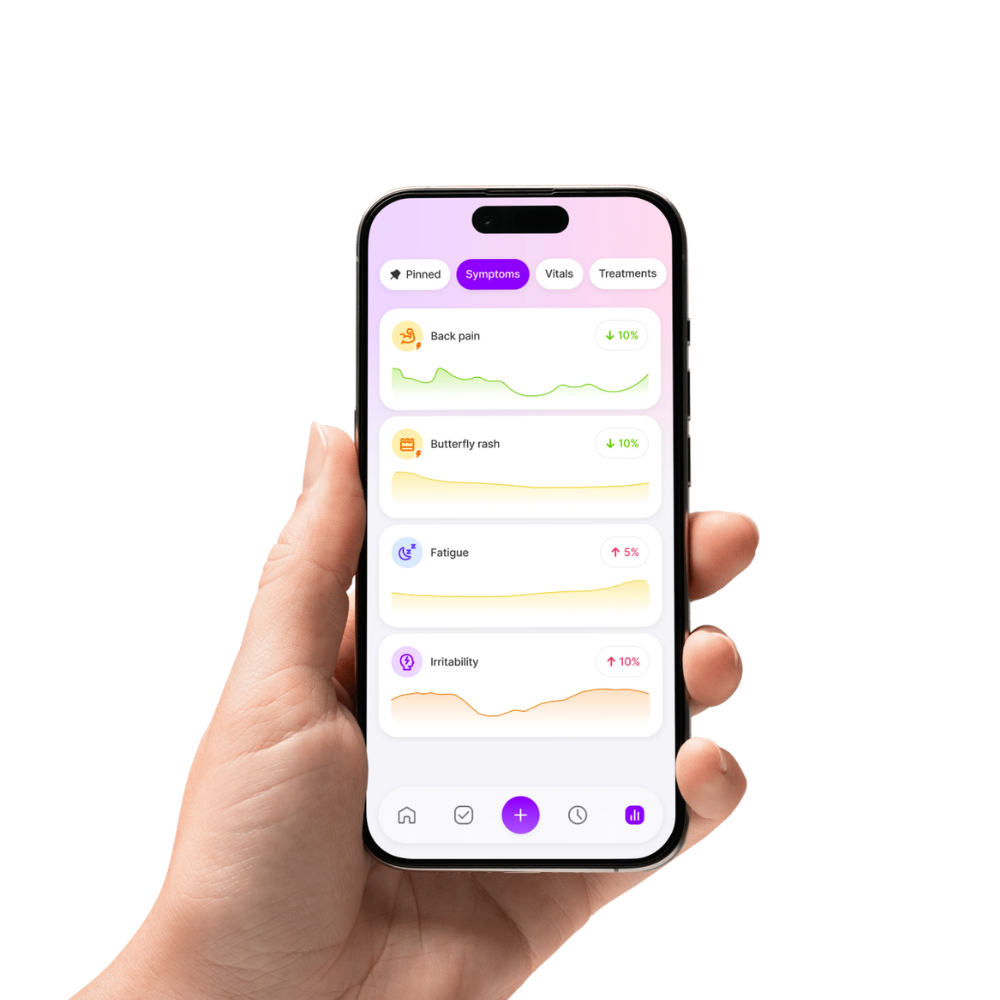
Get a clearer look at how PMOS affects your weight in the app
Is it bloating, weight gain, or something else? Track your symptoms with Human Health to spot patterns and better understand what’s happening in your body.


Pro tip
Tracking changes in your weight and abdominal bloating over time may help you distinguish gradual changes in body fat from temporary abdominal distension.



