PMOS acne: How to recognize and manage it

November 27, 2026
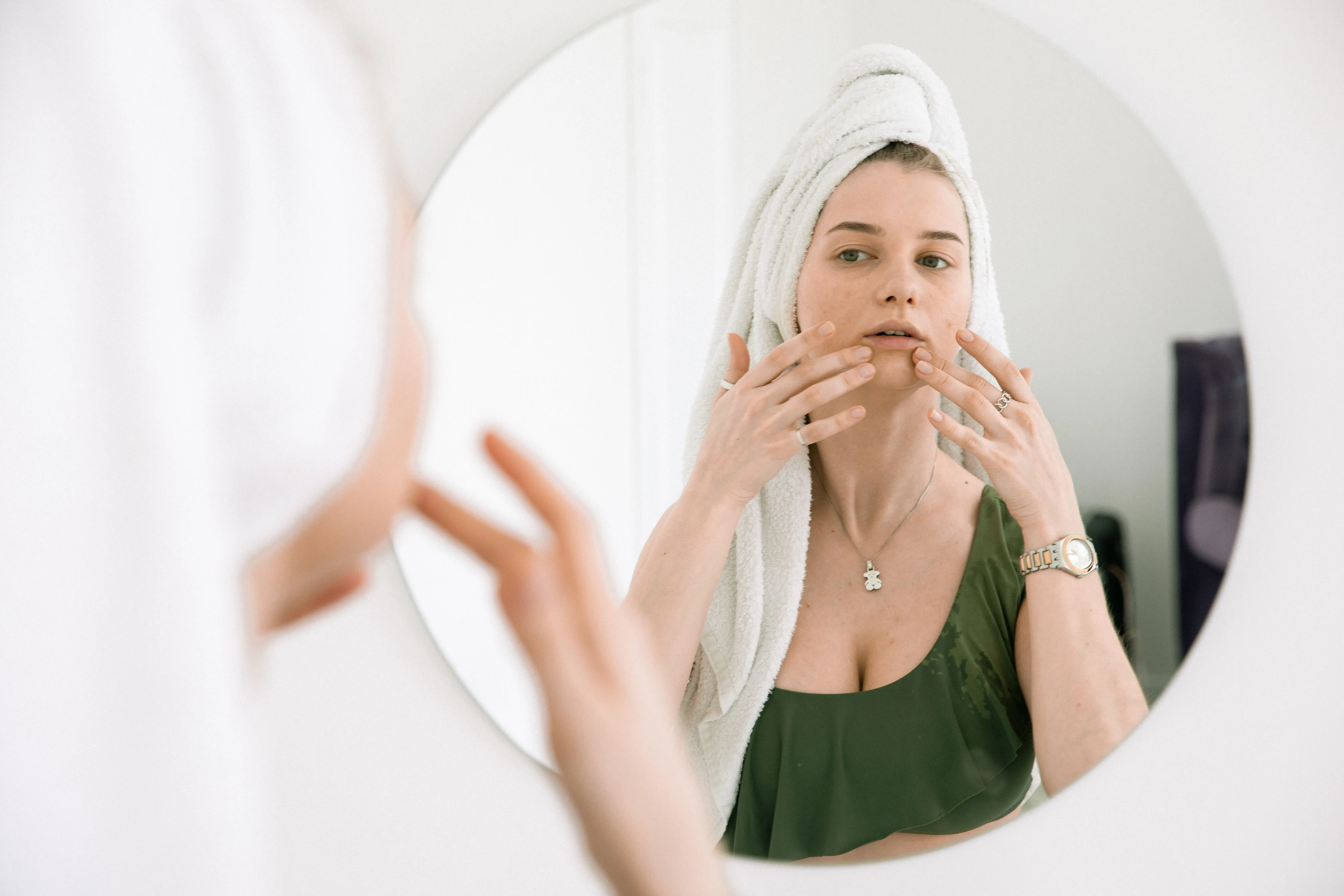
- Polyendocrine metabolic ovarian syndrome (PMOS), formerly known as PCOS, is a common hormonal and metabolic condition.
- Many people with PMOS have high androgen hormone levels, which can cause hormonal acne on the face, chest, and back, among other symptoms.
- PMOS acne can be managed with treatments that target the acne and underlying hormonal imbalances. Tracking breakouts over time can help you see how they relate to your menstrual cycle and respond to treatment.
Having acne is never fun, especially if your breakout is painful and visible.
If you’re dealing with persistent or recurring acne despite trying topical treatments, hormonal changes could be playing a role. For some people with PMOS, elevated androgen levels can contribute to acne that continues into adulthood.
Recognizing the possible connection between PMOS and acne can help you identify other symptoms, such as irregular periods or excess facial hair, and understand when it may be worth discussing your breakouts with your doctor.
In this article, we explore what PMOS acne can look like, why it develops, and the treatments that can help.
Let’s get into it.
Could PMOS be causing your hormonal acne?
Acne is generally thought of as a skin condition that primarily affects teenagers during puberty. But there are many other factors that can contribute to acne, and it can continue well into adulthood.
Hormonal acne develops when changes in hormone levels, particularly androgens, contribute to increased oil production and breakouts. It can occur during puberty, around menstruation, or alongside hormonal conditions such as PMOS (previously called PCOS). PMOS is a hormonal and metabolic condition that can affect people of reproductive age who menstruate.
Having hormonal acne doesn’t necessarily mean you have PMOS. But if you’re experiencing it alongside other symptoms, such as irregular or absent periods, excess facial or body hair (hirsutism), and scalp hair thinning, it may be worth discussing it with your doctor.
{{pro-tip-1}}
What PMOS acne looks and feels like
PMOS acne can appear as different types of skin lesions, including whiteheads, blackheads, and inflamed pimples. Some people may experience deeper, painful lumps beneath the skin.
Although PMOS acne can appear anywhere acne typically develops, there are some common breakout locations:
- The lower part of the cheeks
- The jawline
- The chin
- The upper and lower back
- The chest
How to treat PMOS acne
PMOS acne looks different for everyone. For some, it can be mild. For others, it can be a significant skin issue that impacts their well-being and self-esteem.
Regardless of the severity, if your acne is bothering you, it’s worth seeking professional help.
There is currently no cure for PMOS, but symptoms such as acne can be managed with treatment. Finding the right treatment may take some trial and error over several months.
Because PMOS acne can involve both hormonal and dermatological factors, treatment may involve a combination of therapies that address the underlying hormonal drivers and standard acne treatments that target the skin.
Medications for PMOS acne
Because androgens play an important role in PMOS acne, your doctor may recommend medications that reduce androgen levels or their effects.
- Combined oral contraceptives can help reduce androgen hormone levels, which may have a positive effect on symptoms like PMOS acne. They are not suitable if you’re trying to become pregnant.
- Spironolactone is an anti-androgen medication that blocks androgen receptors, reducing the effects of androgens on the skin and sebaceous glands. It may be used alongside a combined oral contraceptive to help manage PMOS acne.
- Metformin: If you have insulin resistance alongside PMOS and acne, your doctor may consider metformin. Metformin improves insulin sensitivity and may also reduce androgen levels and improve acne.
Other medications may be recommended to treat acne directly, particularly if symptoms are severe or haven’t responded to other treatments.
- Isotretinoin (Accutane) is an oral retinoid that may be prescribed for severe or treatment-resistant acne, including cystic acne associated with PMOS. It reduces oil production in the skin but does not treat the underlying hormonal imbalance. It requires careful medical supervision because of its potential side effects and serious risks during pregnancy.
Topical treatments for PMOS acne
Topical treatments may be used alongside other PMOS medications to help manage active acne. Depending on your skin type and medical history, your doctor may recommend:
- Retinoids are vitamin A derivatives that can help manage acne breakouts by increasing skin cell turnover and helping prevent clogged pores. When used often or in strong concentrations, they can cause skin peeling and sensitivity. Be sure to start slow and follow your doctor’s instructions.
- Benzoyl peroxide can help reduce acne-causing bacteria and inflammatory acne lesions. It may also be used alongside topical antibiotics to help reduce the risk of antibiotic resistance.
- Topical salicylic acid helps exfoliate the skin and unclog pores, which may reduce acne breakouts. Some salicylic acid-containing formulations may also help reduce excess oil and improve skin hydration and barrier function.
- Topical antibiotics, such as erythromycin or clindamycin, may be prescribed as a gel, lotion, or solution to manage inflammatory acne breakouts. Topical antibiotics are generally used alongside other acne treatments to reduce the risk of antibiotic resistance.
You don’t need to deal with PMOS acne alone
PMOS acne can affect more than your skin. It can also impact your self-esteem and mental health—so if your acne is bothering you, it’s worth talking to your doctor about treatment options.
Because breakouts can change with your menstrual cycle and in response to treatment, keeping a record can help you understand how your acne changes over time.
The Human Health app lets you track skin changes alongside your cycle and any treatments you’ve started, helping to reveal the pattern underneath. This way, when it comes time to evaluate what’s working and what’s not, you have real data to make your decisions with.
{{inline-cta-1}}
Frequently asked questions
How do you get rid of PMOS acne?
Treatment may include oral medications, such as combined oral contraceptives, spironolactone, or metformin, depending on the underlying factors involved. Isotretinoin (Accutane) may be prescribed for severe or treatment-resistant acne. Topical treatments, including retinoids, salicylic acid, benzoyl peroxide, and topical antibiotics, may also be used to manage active acne.
What does PMOS acne look like?
PMOS acne can include whiteheads, blackheads, inflamed pimples, and deeper, painful lesions. Breakouts may appear on the lower cheeks, chin, jawline, chest, and back.
Are hormonal acne and PMOS acne the same thing?
PMOS can cause acne through hormonal changes, particularly androgen excess, but not all hormonal acne is caused by PMOS.
Can PMOS cause other skin changes?
Yes. PMOS can also be associated with acanthosis nigricans, which causes patches of darker, thicker, velvety skin, usually in skin folds. Acanthosis nigricans is associated with insulin resistance, which affects many people with PMOS.
Disclaimer: Human Health is a health tracking platform and does not provide medical advice, diagnosis, or treatment. The information in this guide is for educational purposes only and is not a substitute for professional medical care. Always consult your doctor or healthcare provider with questions about your health.
Sources:
- Recommendations From the 2023 International Evidence-based Guideline for the Assessment and Management of Polycystic Ovary Syndrome (2023)
- Acne, The Office on Women’s Health
- Female Adult Acne and Androgen Excess: A Report From the Multidisciplinary Androgen Excess and PCOS Committee (2022)
- Acanthosis nigricans, MedlinePlus
- Polycystic ovary syndrome (PCOS), The FDA Office of Women’s Health
- Polycystic Ovary Syndrome-Associated Acne: The Interplay of Hyperandrogenism, Insulin Resistance, and Therapeutic Strategies (2025)
- Role of Metformin in the Management of Polycystic Ovarian Syndrome-Associated Acne: A Systematic Review (2022)
- The Effects of Oral Isotretinoin in Women with Acne and Polycystic Ovary Syndrome (2019)
- Topical Retinoids in Acne Vulgaris and Acne Scars—From Monotherapy to Combining Regimens (2026)
- What is the Role of Benzoyl Peroxide Cleansers in Acne Management? Do they Decrease Propionibacterium acnes Counts? Do they Reduce Acne Lesions? (2008)
- Clinical Efficacy of a Salicylic Acid–Containing Gel on Acne Management and Skin Barrier Function: A 21‐Day Prospective Study (2025)
- Topical antibiotics for acne (2018)
This is a div block with a Webflow interaction that will be triggered when the heading is in the view.

Learn more

PCOS’s new name: What the change to PMOS means


How to test for PMOS: Understanding the diagnostic process

PMOS diet: What the research shows and why tracking your experience matters
PMOS hair loss: Why it happens and what you can do about it
PMOS facial hair: Understanding hirsutism and your treatment options
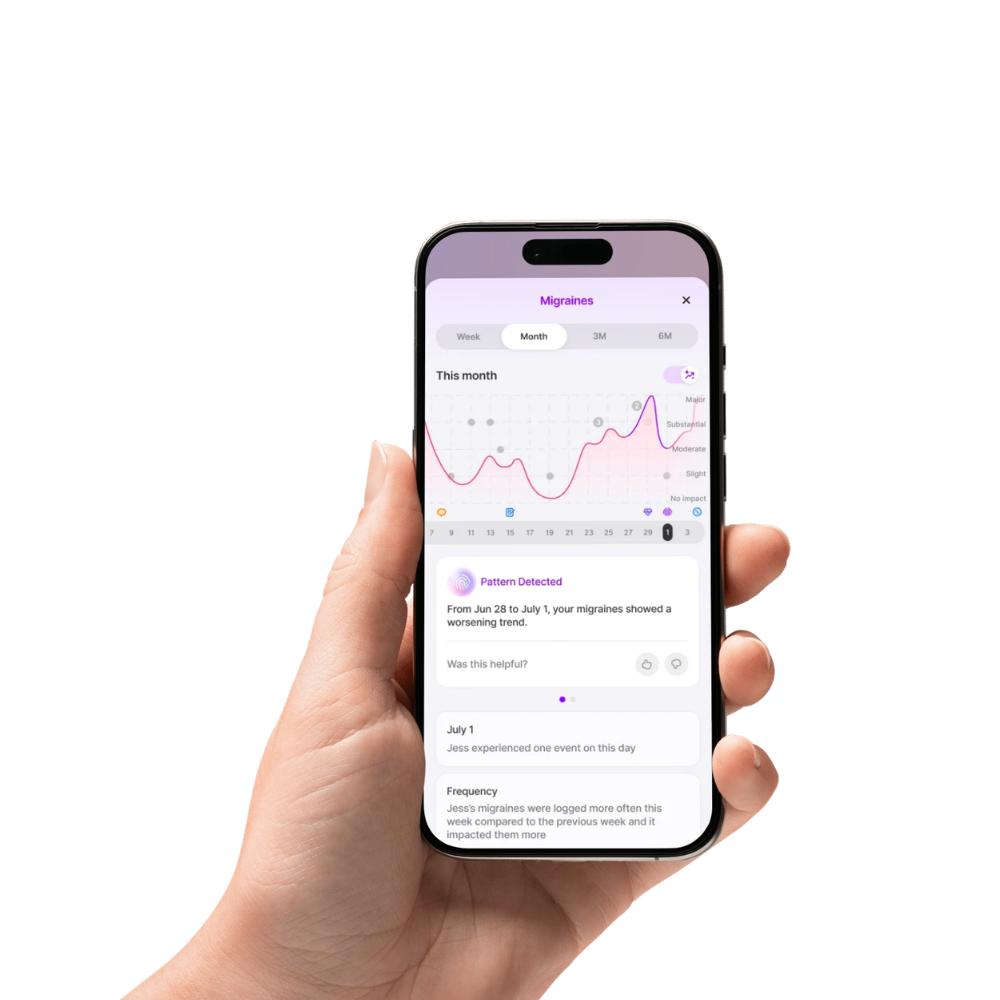
Track your acne flare-ups using the app
Log your acne breakouts and any treatments you’re trying in the Human Health app to track changes over time and identify patterns in your symptoms.


Pro tip
Track your acne breakouts alongside your menstrual cycle to see whether they follow a pattern. For example, you might notice that breakouts become more frequent or severe in the days leading up to your period.



