Birth control and spironolactone for PMOS: What you need to know

November 27, 2026

- Polyendocrine metabolic ovarian syndrome (PMOS), formerly called PCOS, is a common hormonal and metabolic condition.
- Some people with PMOS experience symptoms related to elevated levels of androgen hormones, including acne, excess facial and body hair, and scalp hair loss.
- Hormonal therapies like oral contraceptive pills and anti-androgen medications like spironolactone are available options that may help manage some PMOS symptoms.
- Figuring out what treatment options work best for you involves trial and error. Tracking your treatments, including what you take and how you feel, can help create a clearer picture of what’s going on.
Finding the right treatment for polyendocrine metabolic ovarian syndrome (PMOS) can take time, especially when you’re managing symptoms such as acne, excess facial or body hair growth, or scalp hair loss.
These symptoms can be linked to elevated levels of androgen hormones, such as testosterone. Having elevated androgen levels is known as hyperandrogenism. Hormonal birth control pills and anti-androgen medications like spironolactone can help manage hyperandrogenism symptoms. Although they work differently, they’re sometimes prescribed together.
In this article, we’ll explain how these treatments work, why they may be prescribed together, what side effects to look out for, and how long it can take to see improvements.
Combined oral contraceptives for PMOS
Combined oral contraceptives (COCs) contain both estrogen and progestin hormones. They are considered a first-line therapy for people with PMOS (formerly called PCOS) who don’t wish to become pregnant.
When taken as directed over a period of multiple months, usually as a daily pill, COCs may help reduce your androgen levels. Over time, this may ease the impact of hormone-related symptoms, including hair loss, hirsutism, and acne.
COCs can also make your menstrual periods more regular.
{{pro-tip-1}}
Side effects to watch for
Combined contraceptive pills are not a good fit for everyone with PMOS. It’s important to watch for side effects, especially during the first few weeks and months of treatment:
- Changes in your menstrual bleeding (spotting outside of your usual period cycle)
- Headaches
- Dizziness
- Sore breasts
- Mood changes
Taking COCs can increase your risk of developing a blood clot, which can be life-threatening. Seek emergency medical care immediately if you experience:
- Swelling, pain, tenderness, or skin discoloration on a limb
- Chest pain
- Shortness of breath
Progestin-only birth control pills for PMOS
Progestin-only birth control pills, sometimes called “mini-pills,” may also be considered for people with PMOS. They can help protect the lining of the uterus from excessive thickening, which is a particular concern for people with infrequent or absent periods.
Evidence for their use specifically in PMOS remains limited. A small 2025 study involving 25 people with PMOS found that a progestin-only pill containing drospirenone, which has anti-androgenic properties, improved acne and excess hair growth after six months. While these findings are promising, larger studies are needed to confirm the benefits.
Doesn’t birth control “just mask” PMOS symptoms?
You may have heard that taking birth control for PMOS simply masks the symptoms rather than treating the condition. So, is there any truth to this?
COCs don’t cure PMOS, but they do more than hide its symptoms. They can help reduce androgen levels, regulate menstrual bleeding, and lower the risk of excessive thickening of the uterine lining. These are meaningful treatment benefits, even though they don’t eliminate the condition itself.
However, birth control doesn’t permanently correct the hormonal changes associated with PMOS. If you stop taking it, symptoms such as acne, excess hair growth, or irregular periods may return.
You might also have come across the term “post-pill PMOS”, which is sometimes discussed as one of the alternative types of PMOS. It’s used to describe symptoms that appear after stopping hormonal contraception, but it isn’t a recognized medical diagnosis. In some cases, stopping birth control can reveal symptoms of an underlying condition that were previously being managed by the pill.
This doesn’t mean the treatment wasn’t working, or that stopping birth control caused PMOS. If you’re thinking about stopping birth control, your doctor can help you understand what to expect and explore other ways to manage your symptoms.
Spironolactone for PMOS
Spironolactone is an anti-androgen medication that blocks the effects of hormones such as testosterone. This can help reduce androgen-related symptoms of PMOS, including acne, excess hair growth, and scalp hair loss.
It may be prescribed on its own or alongside other treatments, including combined oral contraceptives.
For excess hair growth specifically, spironolactone may be prescribed if symptoms haven’t improved sufficiently after at least six months of treatment with COCs or cosmetic treatments.
Because spironolactone may affect the development of a fetus, effective contraception is important for people who could become pregnant while taking it. This doesn’t necessarily have to be a combined oral contraceptive. Your doctor can help you choose an appropriate contraceptive method.
Side effects to watch for
Possible side effects of spironolactone include:
- Diarrhea
- Nausea and vomiting
- Stomach pain
- Breast pain
- Menstrual cycle changes, including spotting or bleeding between periods
- Drowsiness
Keeping track of any side effects you experience can help you identify patterns and discuss them with your doctor. If side effects are affecting your daily life, your doctor can help you decide whether spironolactone is the right treatment for you.
In rare cases, spironolactone can cause serious side effects. Examples include:
- Muscle weakness
- Pain and numbness in the hands and feet
- Confusion
- Extreme fatigue
- Loss of appetite and energy
- Flu-like symptoms
- Unusual bleeding or bruising
- Allergy symptoms, including rash, hives, itching, and difficulty swallowing or breathing
If you experience severe or concerning side effects, seek medical advice. Some symptoms, such as difficulty breathing or swallowing, require immediate emergency medical attention.
It can take time for PMOS treatments to work
Everyone responds differently to PMOS treatments. Some people notice improvements relatively quickly, while others may need several months to see changes. Not every treatment works for everyone, either.
Combined oral contraceptives may help regulate menstrual bleeding within the first few months, while improvements in acne and excess hair growth can take longer. Changes in scalp hair loss may also take several months to become noticeable.
If you’re taking spironolactone, improvements in androgen-related symptoms may develop gradually over several months. Your doctor can advise you on when to assess your response to treatment.
By keeping track of your treatments in the Human Health app, you can build a record of what you started and how your symptoms changed, so you get a clearer picture of what is and isn’t working.
{{inline-cta-1}}
Frequently asked questions
Can I take spironolactone without birth control pills?
Yes. Spironolactone can be prescribed without oral contraceptives, but effective contraception is important if you could become pregnant while taking it. This is because spironolactone may affect fetal development.
You don’t necessarily need to take contraceptive pills. Other methods, such as an intrauterine device (IUD), may be suitable. Your doctor can help you choose the best option for you and your body.
What happens if I stop taking spironolactone?
After taking your last dose of spironolactone, the medication may continue to have an effect for some time. For some people, discontinuation can cause hyperandrogenism symptoms to return.
Do all birth control pills treat PMOS?
Not necessarily. COCs are generally recommended for managing symptoms such as irregular periods and excess hair growth. Progestin-only pills may offer other benefits, but evidence for their effectiveness in treating PMOS symptoms is still limited.
How long do I have to take spironolactone for PMOS?
Spironolactone may be prescribed long-term if it’s helping manage your symptoms and you’re tolerating it well. Your doctor will review your response to treatment and any side effects to help determine how long you should continue taking it. Don’t stop taking it without discussing this with your doctor.
Disclaimer: Human Health is a health tracking platform and does not provide medical advice, diagnosis, or treatment. The information in this guide is for educational purposes only and is not a substitute for professional medical care. Always consult your doctor or healthcare provider with questions about your health.
Sources:
- Polyendocrine Metabolic Ovarian Syndrome, StatPearls (2025)
- Contraception for Women with Polycystic Ovary Syndrome: Dealing with a Complex Condition (2022)
- Use of progestin-only drospirenone-based pills in hyperandrogenic women with polycystic ovary syndrome (2025)
- What are the treatments for PCOS?, The Eunice Kennedy Shriver National Institute of Child Health and Human Development
- Diagnosis and management of polycystic ovarian syndrome (2024)
- Side effects and risks of the combined pill, The National Health Service
- Combined Oral Contraceptives and the Risk of Thrombosis (2025)
- Spironolactone, MedlinePlus
- Spironolactone (Aldactone®, Carospir®, Qaialdo®) (2025)
- Long-Lasting Effects of Spironolactone after its Withdrawal in Patients with Hyperandrogenic Skin Disorders (2023)
This is a div block with a Webflow interaction that will be triggered when the heading is in the view.

Learn more

PCOS’s new name: What the change to PMOS means


How to test for PMOS: Understanding the diagnostic process

PMOS diet: What the research shows and why tracking your experience matters
PMOS hair loss: Why it happens and what you can do about it

PMOS facial hair: Understanding hirsutism and your treatment options
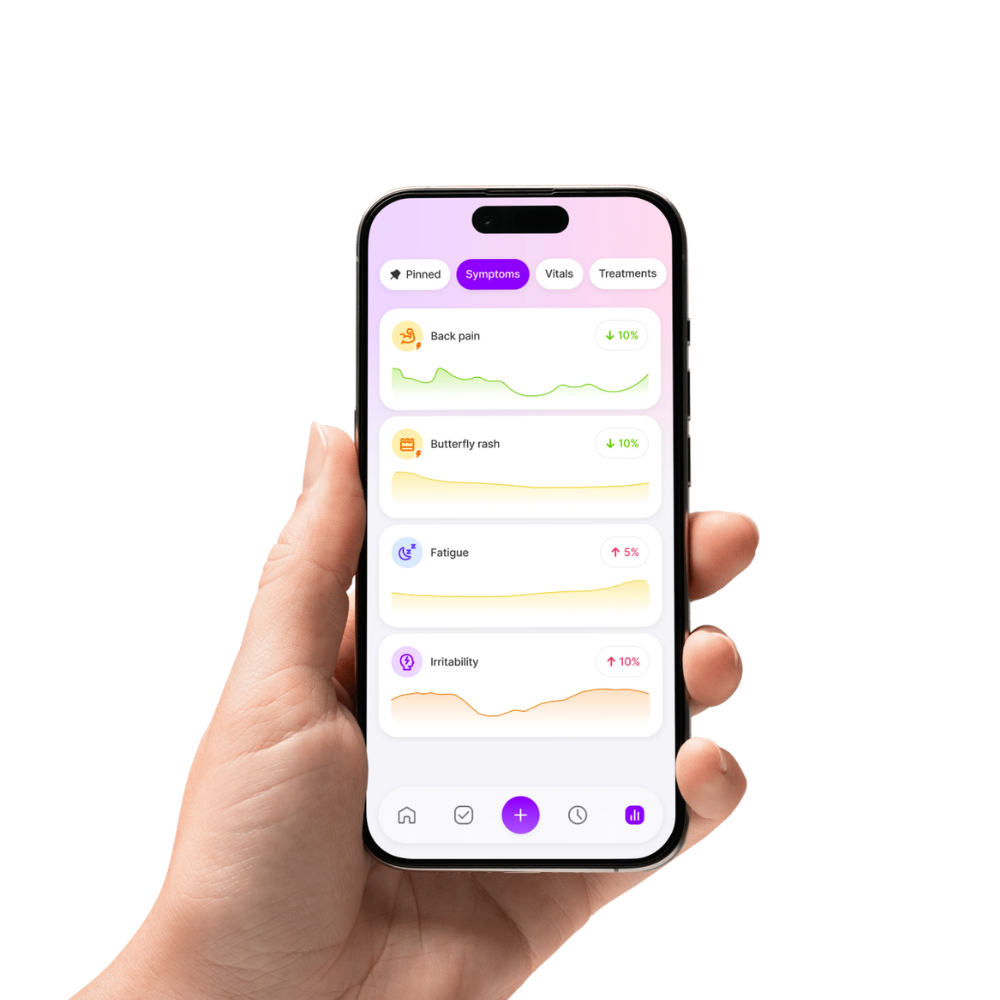
Track your hormonal treatments in the app
Log your daily treatments, including dosage, timing, and how you feel, to get a clearer picture of what’s working and what isn’t.


Pro tip
Note when you start taking a combined oral contraceptive and which symptoms you’re hoping to improve. Track changes in your acne, hair growth, or menstrual cycle over the following months. This can help you and your doctor assess how well the treatment is working, particularly as improvements in acne and excess hair growth can take around six months to become noticeable.



