The four types of PMOS: Understanding the different classification frameworks

November 26, 2026

- Polyendocrine metabolic ovarian syndrome (PMOS) is a hormonal and metabolic condition that can affect people of reproductive age who menstruate.
- There are two different frameworks used to classify PMOS.
- The Rotterdam criteria propose that four PMOS phenotypes are possible. Some functional medicine doctors use a different four-type framework to label PMOS.
- No two people experience PMOS in the same way. Tracking your symptoms can help determine which category most closely aligns with your condition, supporting conversations with your doctor about treatment.
PMOS can present in different ways, and researchers have identified four clinical phenotypes based on combinations of its diagnostic features.
However, you may also have come across four other “types” of PMOS: insulin-resistant, adrenal, inflammatory, and post-pill. These come from a naturopathic framework that isn’t clinically recognized.
So, what’s the difference between these two approaches, and what can they tell you about your condition?
In this article, we explore both frameworks, the evidence behind them, and what they might mean for understanding your PMOS symptoms.
The recognized PMOS phenotypes
Polyendocrine metabolic ovarian syndrome (PMOS), formerly known as PCOS, is a common hormonal condition that can affect people who menstruate. It’s associated with metabolic and hormonal factors, including insulin resistance and hyperandrogenism (excess androgen activity), which cause a range of symptoms.
PMOS can present through different combinations of diagnostic features. For example, some people experience irregular ovulation and signs of hyperandrogenism, such as excess facial or body hair (hirsutism), while others ovulate regularly but have other diagnostic features.
{{pro-tip-1}}
To be diagnosed with PMOS as an adult, you need to meet at least two out of three clinical criteria.
Medical literature proposes that PMOS can be divided into four main types based on these diagnostic criteria.
Classic phenotype PMOS (phenotype A)
People with phenotype A PMOS experience hyperandrogenism (higher-than-usual levels of androgen hormones and/or clinical signs of excess androgen activity), irregular or absent ovulation, and polycystic ovaries.
Because these people have all three defining characteristics, their symptoms may be more pronounced. However, that’s not always the case.
Non-polycystic PMOS (phenotype B)
Phenotype B PMOS is similar to phenotype A, but people with this type do not meet the criteria for polycystic ovaries.
They can still experience symptoms as a result of hyperandrogenism and irregular or absent ovulation.
Ovulatory PMOS (phenotype C)
People with phenotype C PMOS typically ovulate regularly. While they ovulate in a “typical” way, they may still experience symptoms related to PMOS and have polycystic ovaries and signs of increased androgen activity.
Non-hyperandrogenic PMOS (phenotype D)
Phenotype D is a more unusual form of the condition as it does not include high androgen levels or physical signs of excess androgen activity, which are present in all other phenotypes.
People with this phenotype still experience irregular or absent ovulation and have polycystic ovaries.
The naturopathic framework for types of PMOS
Other frameworks exist outside of the recognized PMOS phenotypes.
One example of this is the classification used by some functional medicine doctors. The framework claims there are four types of PMOS that differ from those outlined above in the medical model.
These categories are more centered around the potential underlying cause of PMOS. They may also be paired with natural treatment options that may support symptoms, though results are not well studied or proven.
Important note: This naturopathic framework is not a clinically accepted diagnostic tool. Your doctor will not “diagnose” you with one of these types of PMOS. Instead, it can be used as a helpful resource to better understand your PMOS symptoms and explore possible approaches to managing them.
Insulin-resistant PMOS
In this framework, insulin-resistant PMOS refers to PMOS associated with insulin resistance, which occurs when the body doesn’t respond to insulin as it should.
Over time, this can cause metabolic changes, including weight gain, high blood pressure, high cholesterol, and fatigue. However, people with insulin-resistant PMOS don’t all experience a definitive list of symptoms.
There is no specific diagnostic test for insulin resistance, but doctors may use a combination of information from your personal and family history, findings from a physical exam, and blood tests, such as HbA1c, fasting blood glucose, and lipid panels, to determine if insulin resistance is present alongside PMOS.
Adrenal PMOS
This category suggests that, in some cases, PMOS symptoms may be connected to an abnormal stress response.
During periods of stress, your androgen hormone levels may naturally increase, which could contribute to PMOS-like symptoms.
Inflammatory PMOS
This category suggests that there is a potential connection between PMOS and inflammation.
Some people with PMOS may have elevated CRP (C-reactive protein) on their bloodwork, which can indicate a higher level of inflammation in the body.
Although inflammation can have many causes, this framework suggests that it may contribute to PMOS symptoms such as joint pain and fatigue.
Post-pill PMOS
This category assumes that some people may experience PMOS symptoms because they have stopped taking oral birth control.
Oral contraceptives impact the body’s hormonal balance to prevent pregnancy. According to this framework, when someone comes off oral birth control, they may experience hormonal changes that can cause symptoms similar to PMOS, such as an increase in acne, irregular periods, and hirsutism.
According to this framework, the severity and duration of symptoms vary from person to person, and symptoms may disappear over time.
Tracking symptoms can help you understand your PMOS
Frameworks can be a helpful tool in making sense of your symptoms, but tracking your own experiences can give you a clearer picture of how PMOS affects you personally.
The Human Health app helps you track your symptoms over time so you can notice changes and share this information with your doctor, rather than guessing at which category you think you fall into.
By keeping a record of your symptoms, you can better understand how PMOS affects your day-to-day life.
{{inline-cta-1}}
Frequently asked questions
What are the four types of PMOS?
Different frameworks are used to categorize PMOS. There are four types of PMOS according to medical literature: classic, non-polycystic, ovulatory, and non-hyperandrogenic.
Other frameworks also exist and are often used by naturopaths and functional medicine doctors. However, these are not clinically recognized. For example, the naturopathic framework presents four possible types of PMOS: insulin-resistant, inflammatory, adrenal, and post-pill.
Are the four types of PMOS medically recognized?
The four naturopathic types of PMOS are not clinically recognized. However, researchers have identified four phenotypes based on different combinations of diagnostic features, including ovulation patterns, androgen activity, and ovarian appearance.
How do I know what type of PMOS I have?
Your doctor can assess your symptoms, hormone levels, and ovulation patterns to identify which clinical PMOS phenotype you may have. However, the four naturopathic types aren’t clinically recognized. Tracking your symptoms over time can help your doctor better understand how PMOS affects you.
Disclaimer: Human Health is a health tracking platform and does not provide medical advice, diagnosis, or treatment. The information in this guide is for educational purposes only and is not a substitute for professional medical care. Always consult your doctor or healthcare provider with questions about your health.
Sources:
This is a div block with a Webflow interaction that will be triggered when the heading is in the view.

Learn more

PCOS’s new name: What the change to PMOS means


How to test for PMOS: Understanding the diagnostic process

PMOS diet: What the research shows and why tracking your experience matters

PMOS hair loss: Why it happens and what you can do about it

PMOS facial hair: Understanding hirsutism and your treatment options
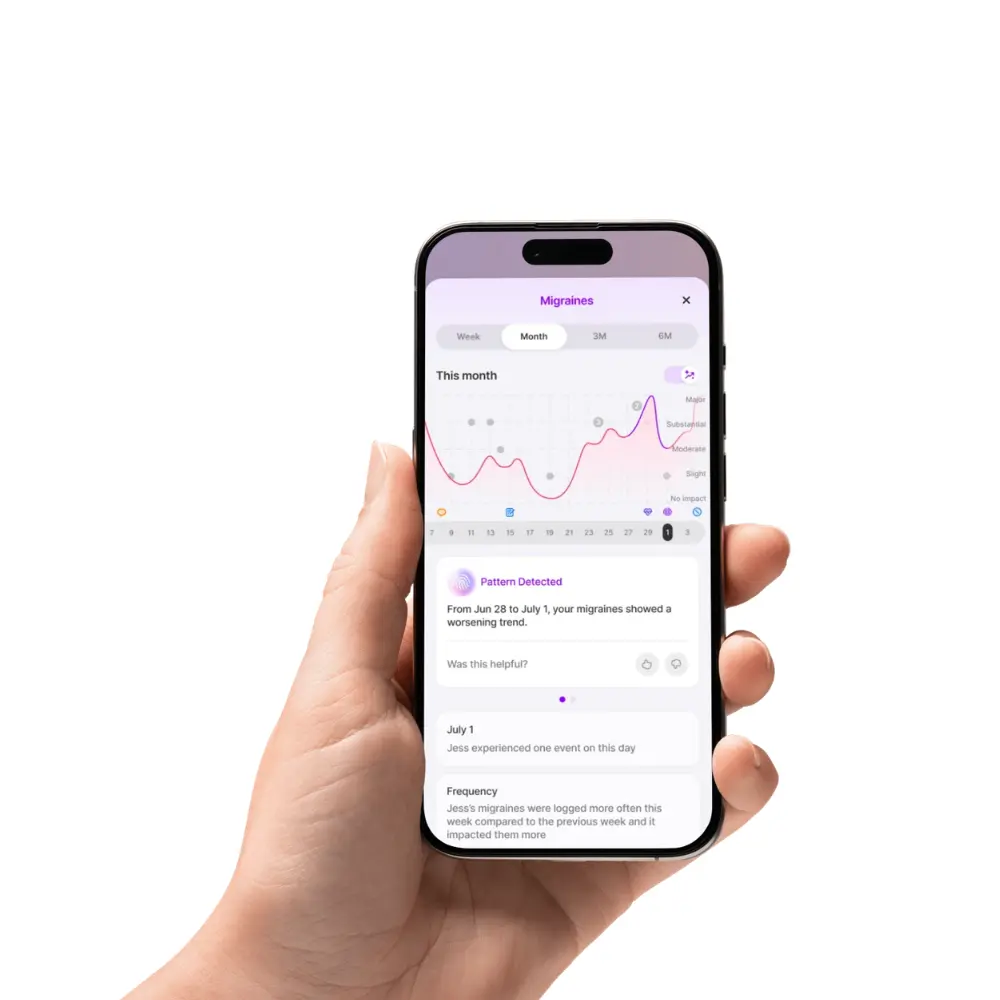
Understand your PMOS symptoms with the Human app
Track your PMOS symptoms daily to get a clearer picture of how the condition affects your body and quality of life.


Pro tip
Rather than trying to work out which PMOS “type” you have, keep a record of your symptoms and how they change over time. This can help you give your doctor a clearer picture of your experience.



