PMOS self-care: How to manage living with PMOS day-to-day

November 27, 2026

- Polyendocrine metabolic ovarian syndrome (PMOS), previously called PCOS, is a common hormonal and metabolic condition.
- PMOS symptoms vary from person to person, both in severity and how they change over time. Some people may experience periods of time when their symptoms become more intense.
- Self-care practices such as regular exercise, getting enough sleep, and connecting with others who have PMOS may support your physical and emotional well-being.
- Tracking your symptoms daily, alongside PMOS treatments and any self-care practices you’re trying out, can help you identify patterns and understand what makes a difference.
Living with polyendocrine metabolic ovarian syndrome (PMOS) can affect more than your physical health. From changes in mood and energy levels to the emotional challenges of managing a long-term condition, PMOS can influence your daily life in ways you might not expect.
As with many long-term conditions, PMOS symptoms can fluctuate. Some people experience periods of more intense symptoms, and you might hear them referred to as “flare-ups.”
Alongside medical treatment, self-care practices can support your physical and emotional well-being. In this article, we explore ways to make living with PMOS more manageable, including improving your sleep, staying active, and finding support from others.
Here’s what you need to know.
How PMOS symptoms can impact your daily life
PMOS (formerly PCOS) symptoms vary in severity and type from person to person. Common symptoms include irregular menstrual cycles, acne, hair thinning, and facial and body hair (hirsutism). PMOS is also associated with an increased risk of anxiety and depression, which can further affect quality of life.
Your symptoms may change over time. Some people experience periods when certain symptoms become more noticeable or difficult to manage, sometimes describing these changes as PMOS “flare-ups.” However, this isn’t a formally defined clinical term, and not everyone experiences distinct periods of worsening symptoms.
Whether your symptoms are something you deal with every day or they come and go, understanding how they affect your daily life can help you find self-care strategies that support your well-being and recognize when you may need additional medical support.
{{pro-tip-1}}
PMOS self-care tips
Alongside your prescribed treatment plan, you may find that certain self-care practices help make daily life more manageable.
Prioritizing your sleep
Having a night or two of poor sleep isn’t usually a big issue. But if you are repeatedly finding it hard to fall asleep, waking up during the night, or feeling restless throughout the night, your sleep quality may be impacted.
PMOS is known to impact sleep quality in adolescents and adults.
Poor sleep can leave you feeling more tired during the day. Concentration can feel impossible, and you might notice your mood is affected. If you’re already dealing with fatigue or emotional challenges associated with PMOS, these effects can make everyday life more difficult.
Improving your sleep habits may help you feel more rested and support your overall well-being, even if it doesn’t directly improve your PMOS symptoms. Some ways to develop healthier sleep habits include:
- Going to bed and waking up at the same time every day
- Avoiding caffeine in the afternoon and evening
- Keeping your sleeping space clean, cool, and dark
- Getting some physical activity during the day, even if it’s just a short walk
- Avoiding distractions before bed, including screens
- Avoiding alcohol
If you can’t fall asleep within 20 minutes, you might find it helpful to get up and do something that relaxes you.
Practicing mindfulness
People with PMOS are more likely to experience symptoms of anxiety and depression than those without the condition. The reasons aren’t fully understood, but hormonal changes, the challenges of managing symptoms, and concerns about body image may all play a role.
Mindfulness is a popular and often effective tool for supporting mental health. It involves paying attention to the present moment without judgment. It can take different forms, including meditation, breathing exercises, and mindful yoga.
Research from 2024 suggests that mindfulness-based practices may improve psychological well-being and quality of life in people with PMOS. A more recent 2026 review of 10 randomized controlled trials also found potential improvements in PMOS-related quality of life, although evidence for reducing anxiety, depression, and stress remains mixed.
Examples of ways to integrate mindfulness and meditation into your routine include:
- Mindful breathing: Spend a few minutes focusing on your breathing, gently bringing your attention back whenever your mind wanders.
- Guided meditation: Try a short guided meditation using an app or online recording, particularly if you’re new to mindfulness.
- Mindful yoga: Practice gentle yoga while paying attention to your breathing, movements, and how your body feels.
- Body scan meditation: Slowly focus your attention on different parts of your body, noticing any sensations without trying to change them.
- Everyday mindfulness: Pay attention to the sights, sounds, and physical sensations around you during everyday activities, such as walking or eating.
Participating in physical activity
Regular physical activity can offer several health benefits for people with PMOS, including improved blood glucose control, reduced insulin resistance, and better menstrual regularity.
Exercise may also support mental health. A 2026 review found that structured exercise programs helped reduce symptoms of depression in women with PMOS, although more research is needed to confirm these benefits.
Incorporating physical exercise into your routine doesn’t need to be intense or overwhelming. Here are some tips that can help:
- Aim for 150–300 minutes of moderate exercise or 75–150 minutes of vigorous exercise a week, starting slower if needed.
- Mix cardiovascular and strength-based exercises for variety and multiple health benefits.
- Exercise with a friend or group for support and encouragement.
- Build an exercise routine to make it easier to stay consistent.
- Use fitness tracking devices to monitor your progress.
Important note: The goal of increasing your physical activity is progress, not perfection. Doing any movement is better than doing none. Taking things slow as you get back into it is a good way to avoid burnout and injury while building a healthy habit of exercising more regularly.
Joining a PMOS support group
Living with PMOS can be a very isolating experience, especially when symptoms affect your daily routine and quality of life.
PMOS is also associated with an increased risk of depression, which can cause persistent feelings of sadness, hopelessness, and dread. Struggling with your mental health can make coping with the challenges of managing the condition even more complicated.
Connecting with others who understand what you’re going through, particularly people with lived experience of PMOS, can help you feel less alone and more resilient. PMOS support groups are a great option for this, as they not only help build community and support, but they also help validate experiences, increase advocacy, and give direct access to peer support.
Tracking your symptoms makes hard times easier
Living with PMOS involves a lot of natural ups and downs. Managing symptoms alongside work, relationships, and everyday responsibilities can be challenging, especially when you’re unsure how you’ll feel from one day to the next.
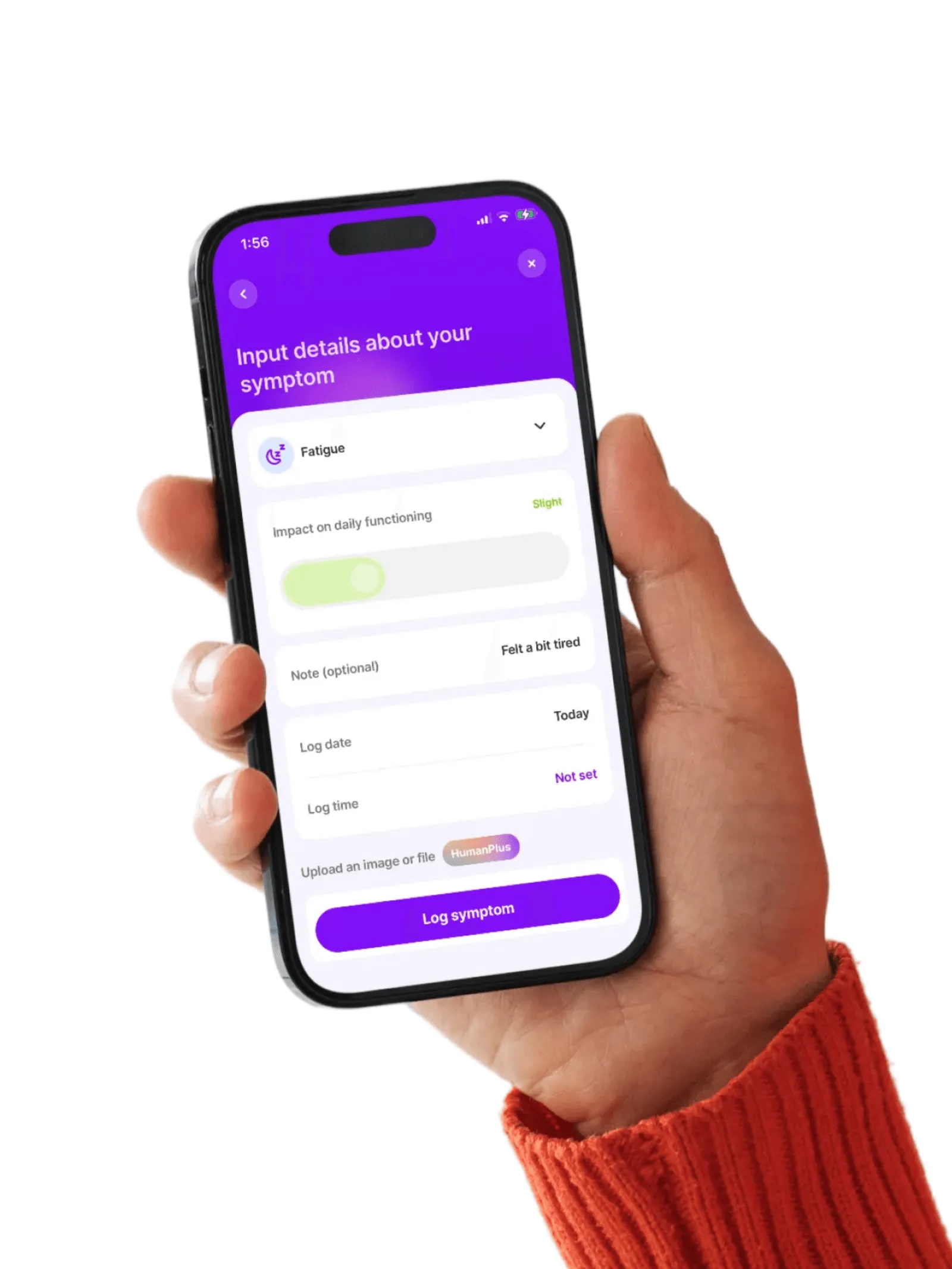
With the Human Health app, you can easily note down how you’re feeling day to day. This way, as you follow your treatment plan and try self-care practices, you get direct insights into how they’re helping and what areas you might need further support in.
You can also use these records to have more informed conversations with your healthcare provider, giving them a clearer picture of your experiences beyond what you can remember during an appointment.
{{inline-cta-1}}
Frequently asked questions
Is there a cure for PMOS?
No, there is currently no cure for PMOS. PMOS treatment is focused on reducing the severity of symptoms, often through taking medications, like hormonal birth control, spironolactone, or metformin, and making lifestyle changes, like eating a nutrient-dense diet, managing stress, and taking supplements.
How can I calm down a PMOS flare?
If your PMOS symptoms become more severe, self-care practices such as getting enough sleep, staying active, and managing stress may help you cope. Tracking changes in your symptoms can also help you understand what might be triggering them and what helps you feel better.
Speak to your healthcare provider if your symptoms become difficult to manage.
Can supplements help with PMOS symptoms?
Research indicates that some supplements may help manage PMOS symptoms, though more studies need to be done to definitively prove a connection. Examples of supplements that have been studied for their potential benefits for PMOS include inositol, vitamin D, omega-3 fatty acids, vitamin E, zinc, magnesium, selenium, and chromium.
Disclaimer: Human Health is a health tracking platform and does not provide medical advice, diagnosis, or treatment. The information in this guide is for educational purposes only and is not a substitute for professional medical care. Always consult your doctor or healthcare provider with questions about your health.
Sources:
- Exploring lifestyle management in polycystic ovary syndrome through implementation frameworks (2026)
- Pathogenesis and Consequences of Disordered Sleep in PCOS, (2019)
- Sleep disturbances in women with polycystic ovary syndrome: prevalence, pathophysiology, impact and management strategies (2018)
- Healthy sleep, MedlinePlus
- Anxiety and Depression in Women with Polycystic Ovary Syndrome (2022)
- The role of meditation and mindfulness in the management of polycystic ovary syndrome: a scoping review (2024)
- Efficacy of mindfulness‐based interventions on psychological distress, hyperandrogenism, and metabolic profile in women with polycystic ovary syndrome: A systematic review and meta‐analysis of randomized controlled trials (2026)
- Exercise in the management of polycystic ovary syndrome: A position statement from Exercise and Sports Science Australia (2024)
- Exercise-based interventions for depression in women with polycystic ovary syndrome: a systematic review and meta-analysis (2026)
- Recommendations from the 2023 international evidence-based guideline for the assessment and management of polycystic ovary syndrome (2023)
- Polycystic ovary syndrome support groups and their role in awareness, advocacy and peer support: A systematic search and narrative review (2020)
This is a div block with a Webflow interaction that will be triggered when the heading is in the view.

Learn more
PCOS’s new name: What the change to PMOS means


How to test for PMOS: Understanding the diagnostic process

PMOS diet: What the research shows and why tracking your experience matters
PMOS hair loss: Why it happens and what you can do about it

PMOS facial hair: Understanding hirsutism and your treatment options
Track what living with PMOS feels like for you with Human Health
Build a record of how PMOS affects your energy levels, mood, and menstrual cycles, revealing a clearer picture of your health over time.


Pro tip
PMOS symptoms can feel random until you start keeping track of what you’re experiencing day to day and month to month. The information you gather can support conversations with your doctor.



