PMOS medication: Understanding your options

November 26, 2026

- Polyendocrine metabolic ovarian syndrome (PMOS), formerly PCOS, is a hormonal condition that can affect people who menstruate.
- There isn’t one medication that treats PMOS. The medications you may be prescribed will depend on your specific symptoms and health needs.
- Examples of medications and supplements used to manage PMOS include hormonal birth control, spironolactone, metformin, GLP-1s, and inositol.
- Figuring out what PMOS medications work best for you requires trial and error and time. Tracking your medication use alongside how you feel creates a helpful record you can share with your doctor.
Living with polyendocrine metabolic ovarian syndrome (PMOS) can be challenging and frustrating, especially when symptoms impact your quality of life. There is currently no cure for the condition, so treatment focuses on managing symptoms and health effects.
Figuring out what PMOS medications are the best fit for you can be overwhelming. With no one-size-fits-all solution, finding what works often involves trial and error.
In this article, we explore the different medications prescribed for PMOS, what they can help with, and what to consider when discussing options with your doctor.
Let’s get into it.
What is PMOS?
Polycystic ovary syndrome (PCOS) was officially renamed polyendocrine metabolic ovarian syndrome (PMOS) in May 2026. Find out more in our article about the name change.
PMOS is the most common hormonal condition that affects people who menstruate. It’s a complex condition that can impact reproductive, metabolic, and hormonal health.
Some of the most common PMOS symptoms include:
- Irregular or infrequent periods
- Excess facial or body hair (hirsutism)
- Hair loss (thinning hair on the top and crown of the scalp)
- Acne on the face, back, and chest
- Fatigue
- Areas of darker, thicker skin, often around the neck, armpits, or groin
- Weight gain and difficulty losing weight
- Pain, including pelvic pain, pain during menstruation, bloating, and cramping
- Difficulty becoming pregnant
Because PMOS symptoms differ from person to person and impact a range of areas of the body, treatment options vary. The symptoms you experience, your overall health, and your fertility goals will guide the treatment plan your doctor recommends.
PMOS medications: Your options
Despite its prevalence, there is currently no known cure for PMOS.
The aim of treatments and medications is to reduce the severity of health effects and symptoms and make it easier to live with the condition.
The medications that work best for you and your symptoms are specific to your body, health history, and treatment goals.
{{pro-tip-1}}
Hormonal birth control and spironolactone
Your doctor may prescribe hormonal birth control pills if you are not planning to become pregnant.
If you have an irregular menstrual cycle, they may help regulate it. They can also balance your androgen hormone levels, which could help manage symptoms like acne and excess hair growth.
You may be prescribed spironolactone with hormonal birth control to further support treatment.
Spironolactone acts as an androgen antagonist, meaning it blocks androgen hormones from binding to cells. Paired with hormonal birth control, which reduces the amount of androgen hormone available, it can help reduce the severity of androgen-related symptoms.
Metformin
Insulin resistance is a common metabolic health effect of PMOS. It means the body’s cells don’t respond to insulin as effectively as they should, which can make it harder to regulate blood sugar levels. Over time, insulin resistance can increase your risk of developing serious health conditions like high blood pressure and type 2 diabetes.
Some people with PMOS are prescribed metformin, an antihyperglycemic medication that helps the body respond better to insulin.
Metformin can help improve metabolic health, including insulin resistance and blood sugar levels, and may be particularly helpful for people at higher risk of metabolic health problems.
Metformin may also help make menstrual cycles more regular for some people with PMOS. Whether it’s a suitable option for you will depend on your individual symptoms, health, and treatment goals.
GLP-1 medications
Glucagon-like peptide-1 receptor agonists (GLP-1s) are medications commonly used to treat diabetes. They may also be prescribed to help manage higher body weight in some adults with PMOS.
GLP-1s work by mimicking the hormone glucagon-like peptide-1, which is involved in managing blood sugar levels. They can also slow digestion and reduce appetite, which can support weight management.
Research also suggests that GLP-1s may improve some metabolic outcomes in people with PMOS, including insulin resistance. However, there is still limited evidence about their long-term use specifically in people with PMOS.
Inositol and other supplements
Inositol isn’t a PMOS medication. It’s a supplement that some people with PMOS choose to try. Inositol supplements are commonly taken as a capsule or as a powder mixed into water.
Research suggests that inositol may help improve insulin resistance and some other aspects of metabolic health. However, the evidence is still limited, and it’s not clear how much benefit inositol has for PMOS symptoms more broadly.
This means there isn’t enough evidence to recommend a particular type or dose of inositol. Metformin is better supported by research for some aspects of PMOS, but it can also cause more digestive side effects.
Your doctor can help you weigh up the potential benefits and drawbacks based on what you’re hoping to manage.
Researchers have also investigated several other supplements for PMOS, although we still don’t know much about their benefits. These include:
- Vitamin D
- Coenzyme Q
- Alpha lipoic acid
- Melatonin
- Curcumin
Important note: Always consult with your doctor before taking any new supplement or vitamin for PMOS. Some supplements can interact with medications you are already taking, causing serious side effects.
Lifestyle adjustments for managing PMOS
Alongside medication, healthy lifestyle habits can play an important role in managing PMOS. Healthy eating and regular physical activity can support your general and metabolic health, and these benefits aren’t dependent on losing weight.
There isn’t one particular diet or type of exercise that works best for everyone with PMOS. Instead, the focus should be on finding healthy, sustainable changes that suit your needs and preferences. This might include:
- Eating a healthy, balanced diet that works for you
- Taking part in regular physical activity, including aerobic exercise and resistance training
- Getting enough good-quality sleep
- Finding ways to manage stress and support your mental health
You don’t need to make all these changes at once. Your doctor or another healthcare professional can help you decide which areas may be most useful to focus on as part of your overall PMOS management.
Finding a PMOS treatment that works for you
There is no cure for PMOS, and treatment options are constantly evolving as more research is conducted.
PMOS management is a trial-and-error process that takes time to fine-tune to your needs. In some cases, PMOS medications can take months before they hit their peak efficacy, so it can be tricky to understand what is and isn’t working.
Using the Human Health app, you can record what medications you start and when, alongside symptoms and any potential side effects. That way, when you go to your next appointment, you’re bringing concrete data points and insights, not just guesses.
{{inline-cta-1}}
Frequently asked questions
What medications are best for PMOS?
There are no “best” medications for PMOS. The right medication depends on your health history and symptoms.
Figuring out the best medication for you involves trial and error. In some cases, medications may take several months to reach their full efficacy. To make this process more effective, tracking your medication, including side effects and how you feel while taking it, helps reveal insights you can share with your doctor.
What is the most common medication for PMOS?
There isn’t one medication that’s recommended for everyone with PMOS.
According to the 2023 international evidence-based guidelines, combined oral contraceptive pills are a first-line option for managing irregular periods and symptoms related to higher androgen levels, while metformin is primarily used to help manage metabolic health.
Other medications may be considered depending on your symptoms and treatment goals.
How long does PMOS treatment take to work?
This depends on the type of medication you are taking and what symptoms it’s intended to manage.
Some changes may be noticeable relatively quickly, while others can take several months.
To get a better understanding of how your medications are impacting your symptoms, tracking your medication use, your dose, your PMOS symptoms, and your side effects can give you useful information to discuss with your doctor.
Disclaimer: Human Health is a health tracking platform and does not provide medical advice, diagnosis, or treatment. The information in this guide is for educational purposes only and is not a substitute for professional medical care. Always consult your doctor or healthcare provider with questions about your health.
Sources:
- Polyendocrine metabolic ovarian syndrome, the new name for polycystic ovary syndrome: a multistep global consensus process (2026)
- Polyendocrine metabolic ovarian syndrome, StatPearls (2025)
- What are the treatments for PCOS?, The Eunice Kennedy Shriver National Institute of Child Health and Human Development
- Recommendations from the 2023 international evidence-based guideline for the assessment and management of polycystic ovary syndrome (2023)
- Insulin resistance, StatPearls (2023)
- Role of Metformin in Polycystic Ovary Syndrome (PCOS)-Related Infertility (2023)
- Glucagon-Like Peptide-1 Receptor Agonists (2024)
- Do GLP-1 Analogs Have a Place in the Treatment of PCOS? New Insights and Promising Therapies (2023)
- Inositol for Polycystic Ovary Syndrome: A Systematic Review and Meta-analysis to Inform the 2023 Update of the International Evidence-based PCOS Guidelines (2024)
- Recommendations from the 2023 international evidence-based guideline for the assessment and management of polycystic ovary syndrome (2023)
- Dietary supplements for polycystic ovary syndrome (2022)
- The Role of Lifestyle Interventions in PCOS Management: A Systematic Review (2025)
This is a div block with a Webflow interaction that will be triggered when the heading is in the view.

Learn more

PCOS’s new name: What the change to PMOS means


How to test for PMOS: Understanding the diagnostic process

PMOS diet: What the research shows and why tracking your experience matters

PMOS hair loss: Why it happens and what you can do about it

PMOS facial hair: Understanding hirsutism and your treatment options
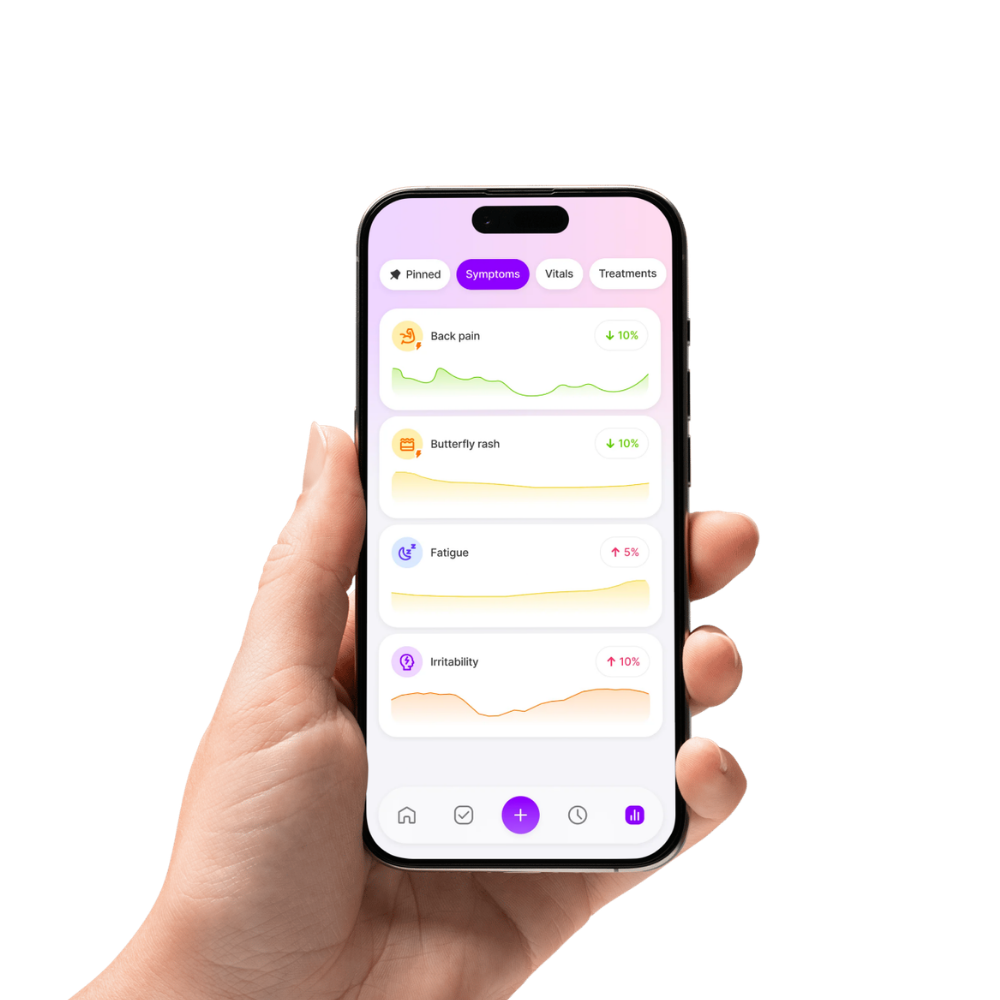
Track your medications using the app
If you're about to start something new, log the date you begin. In three months you'll want to know exactly when things shifted.


Pro tip
If you’re about to start a new medication, log what you’re taking and the date you begin. That way, in a few months, you’ll have an accurate timeline to refer back to if your symptoms change.



