GLP-1s for PMOS: Understanding the evidence

November 27, 2026

- Polyendocrine metabolic ovarian syndrome (PMOS), previously called PCOS, is a common hormonal and metabolic condition.
- Weight loss is often recommended to help manage PMOS symptoms. GLP-1 medications may support weight loss and improve insulin resistance, while early research also suggests potential benefits for androgen levels. However, these medications are not specifically approved to treat PMOS.
- Weight loss is not a miracle cure for PMOS, and it’s important to look beyond the number on the scale. Tracking your symptoms, menstrual cycle, and any side effects can help you and your doctor understand how you’re responding to treatment.
Chances are you’ve heard of GLP-1 medications like Ozempic. But are they safe for people with PMOS?
Many people with PMOS are told to lose weight because doing so may improve insulin resistance and help manage hormonal symptoms. Lifestyle changes, such as adjusting your diet and increasing physical activity, are often recommended first.
But losing weight isn’t straightforward for everyone, which is why some people are curious about how weight loss medications could help.
In this article, we explore the research on PMOS weight loss medications, including their potential benefits, risks, and side effects, and how GLP-1s compare with existing treatments like metformin.
Let’s get into it.
Why are GLP-1 medications being considered for PMOS?
Weight loss is often presented as a “natural” way to manage PMOS symptoms, implying that it’s preferable to other treatment options.
This advice is not always helpful. Not everyone with PMOS has an elevated BMI, and telling someone to “just lose weight” can feel dismissive, particularly when their other symptoms and concerns are being overlooked.
So why is weight loss so frequently discussed in relation to PMOS, and where do PMOS weight loss medications fit in?
PMOS is a hormonal and metabolic condition commonly associated with insulin resistance and higher-than-average androgen levels (hyperandrogenism).
When the body becomes less responsive to insulin, it may produce more of it to compensate. Higher insulin levels can stimulate androgen production, contributing to symptoms such as acne, excess facial hair (hirsutism), and irregular menstrual cycles.
For some people with PMOS, weight loss can improve insulin sensitivity and hormonal symptoms. However, losing weight does not cure or “fix” PMOS, and weight loss is not necessary for everyone.
This is where GLP-1 medications come into the picture. These medications can support weight management, but they also affect how the body regulates blood sugar through mechanisms that are not entirely dependent on weight loss.
The 2023 International Evidence-based Guideline for PCOS states that GLP-1 medications may be considered for weight management in adults with PMOS and higher weight, alongside lifestyle interventions. Researchers are also investigating their potential effects on insulin resistance, androgen levels, and reproductive health, although the evidence for these outcomes is still developing.
{{pro-tip-1}}
What are GLP-1s?
Weight loss medications have become significantly more popular over the past few years. Researchers are looking into the possible role they might play in different health conditions, including PMOS.
Glucagon-like peptide-1 agonists (GLP-1s) are a class of medications used to manage blood sugar. They are commonly prescribed to people with type 2 diabetes, but can also be used to encourage weight loss. They usually come in the form of an injection delivered under the skin.
GLP-1s mimic the action of a naturally occurring hormone in the body to stimulate insulin release when blood sugar levels are elevated, help regulate blood sugar and increase how full you feel after eating.
Although some GLP-1 medications are approved by the US Food and Drug Administration (FDA) for weight management, none are currently approved specifically to treat PMOS. Prescribing a medication for a condition it has not been approved to treat is known as “off-label” use.
Examples of medications that act on GLP-1 receptors include:
- Ozempic (semaglutide)
- Wegovy (semaglutide)
- Mounjaro (tirzepatide)
- Zepbound (tirzepatide)
What the evidence says about GLP-1s and PMOS
Before you start taking a weight loss medication for PMOS, it’s a good idea to understand why it may help and what the current research says about risks and potential side effects.
Recent research indicates that GLP-1s may support weight loss and improve insulin resistance in people with PMOS. Studies have also reported reduced androgen levels and improvements in menstrual regularity and ovulation, although larger studies are needed to confirm these benefits.
Importantly, some studies have reported improvements in insulin resistance independent of weight loss. This suggests that GLP-1s may offer metabolic benefits beyond changes in body weight, although more research is needed to understand how these effects influence hormonal and reproductive health in people with PMOS.
Other research also indicates that taking GLP-1s may support cardiovascular health, including potential improvements in cholesterol levels, inflammation, and vascular function. However, further research is needed to establish these benefits specifically in people with PMOS.
There are risks associated with taking GLP-1s that need to be considered. Common side effects include:
- Nausea and vomiting
- Diarrhea
- Abdominal pain
- Loss of appetite
- Constipation
- Headaches
- Pain, rash, or swelling at the injection site
More serious potential risks include inflammation of the pancreas (pancreatitis) and gallbladder disease. Low blood sugar (hypoglycemia) can also occur, particularly when GLP-1s are taken alongside insulin or certain other diabetes medications.
Recently, the FDA required all GLP-1s to include a warning for the potential risk of non-arteritic anterior ischemic optic neuropathy (NAION), a rare eye condition that can cause sudden, painless vision loss, which may be permanent.
Side effects are often more noticeable during the first few weeks of treatment or following a dose increase. Track how you feel, even small changes, to identify side effects early and discuss any concerns with your doctor.
Important note: GLP-1 medications are generally not recommended during pregnancy. If you are pregnant or planning a pregnancy, speak to your doctor about the risks and when treatment should be stopped.
How do PMOS weight loss drugs compare to metformin?
Metformin is a biguanide medication used to manage type 2 diabetes. It is also commonly prescribed to people with PMOS to help improve insulin resistance.
Metformin primarily works by reducing glucose production in the liver and improving the body’s response to insulin. GLP-1 medications work differently, stimulating insulin release when blood sugar levels are elevated, helping regulate blood sugar and increasing feelings of fullness.
Both treatments may improve metabolic health in people with PMOS, but research suggests that GLP-1 medications may offer greater benefits for certain outcomes.
A 2026 review of four small clinical trials found that GLP-1 medications may be more effective than metformin at improving insulin resistance and lowering androgen levels in people with PMOS. However, the trials lasted just 12 weeks, and the findings weren’t consistent across all four studies.
GLP-1 medications and metformin don’t have to be an either-or choice. Other research has investigated combining GLP-1 medications with metformin, with some studies reporting improvements in menstrual regularity and ovulation compared with metformin alone.
More research is still needed to understand how well these medications work over time, who might benefit most, and whether taking them alongside metformin could offer additional benefits for people with PMOS.
Tracking new medications helps you see what’s working
For people with PMOS, being told to “just lose weight” can feel dismissive. It doesn’t always acknowledge how PMOS can look different and affect everyone differently, nor does it factor in the complexity of living with a long-term health condition.
While weight loss may improve metabolic and hormonal health for some people, the number on the scale doesn’t tell the whole story. What matters is whether your treatment is making a meaningful difference to your symptoms, health, and everyday life.
If you’re taking a PMOS weight loss medication, the Human Health app can help you track your weight alongside your symptoms, menstrual cycle, energy levels, and any side effects. Over time, you can see how your weight loss is progressing, whether your symptoms are improving, and how you’re feeling overall.
You can also share this information with your doctor to help assess how well the medication is working for you.
{{inline-cta-1}}
Frequently asked questions
Are weight loss drugs safe for people with PMOS?
GLP-1 medications may be an option for some people with PMOS. However, although they are generally well tolerated, information about long-term safety in people with PMOS remains limited.
Before starting a weight loss medication for PMOS, be sure to talk to your doctor about the potential risks and benefits. Keeping a detailed record of how you feel while taking the medication, especially during the first few months, lets you identify potential side effects early.
How do I ask my doctor about weight loss medications for PMOS?
Before speaking to your doctor about GLP-1s, track your symptoms, menstrual cycles, and any lifestyle changes you’re making. This information can help your doctor understand how PMOS weight loss medication could help you. Also, come to your appointment prepared to discuss your medical history and any medications you’re taking.
Do I have to lose weight to treat my PMOS?
No. Weight loss cannot cure PMOS, and it’s not recommended for everyone with the condition.
Some people find that losing weight can help reduce the severity of their PMOS symptoms. However, more research is needed to understand which dietary approaches are most effective for managing PMOS.
Disclaimer: Human Health is a health tracking platform and does not provide medical advice, diagnosis, or treatment. The information in this guide is for educational purposes only and is not a substitute for professional medical care. Always consult your doctor or healthcare provider with questions about your health.
Sources:
- Gaps and opportunities in polycystic ovary syndrome care—a qualitative study (2025)
- Polyendocrine metabolic ovarian syndrome (PMOS)/polycystic ovary syndrome (PCOS): current and future trends (2026)
- Recommendations From the 2023 International Evidence-based Guideline for the Assessment and Management of Polycystic Ovary Syndrome (2023)
- Glucagon-Like Peptide-1 Receptor Agonists, StatPearls
- Understanding Unapproved Use of Approved Drugs “Off Label”, FDA
- Impact of Reducing Obesity in PCOS: Methods and Treatment Outcomes (2025)
- The dual impact of GLP-1 receptor agonists on metabolic and reproductive health in polycystic ovary syndrome: insights from human and animal trials (2025)
- GLP-1 agonists, MedlinePlus
- FDA Requires Safety Labeling Changes for Glucagon-Like Peptide-1 Receptor Agonists (GLP-1 RAs) Due to Potential Increased Risk of Rare But Serious Eye Condition (2026)
- Metformin, MedlinePlus
- Effects of GLP-1 Receptor Agonists vs Metformin in Polycystic Ovary Syndrome: A Systematic Review and Meta-Analysis (2026)
- How to manage weight loss in women with obesity and PCOS seeking fertility? (2022)
This is a div block with a Webflow interaction that will be triggered when the heading is in the view.

Learn more

PCOS’s new name: What the change to PMOS means


How to test for PMOS: Understanding the diagnostic process

PMOS diet: What the research shows and why tracking your experience matters

PMOS hair loss: Why it happens and what you can do about it

PMOS facial hair: Understanding hirsutism and your treatment options
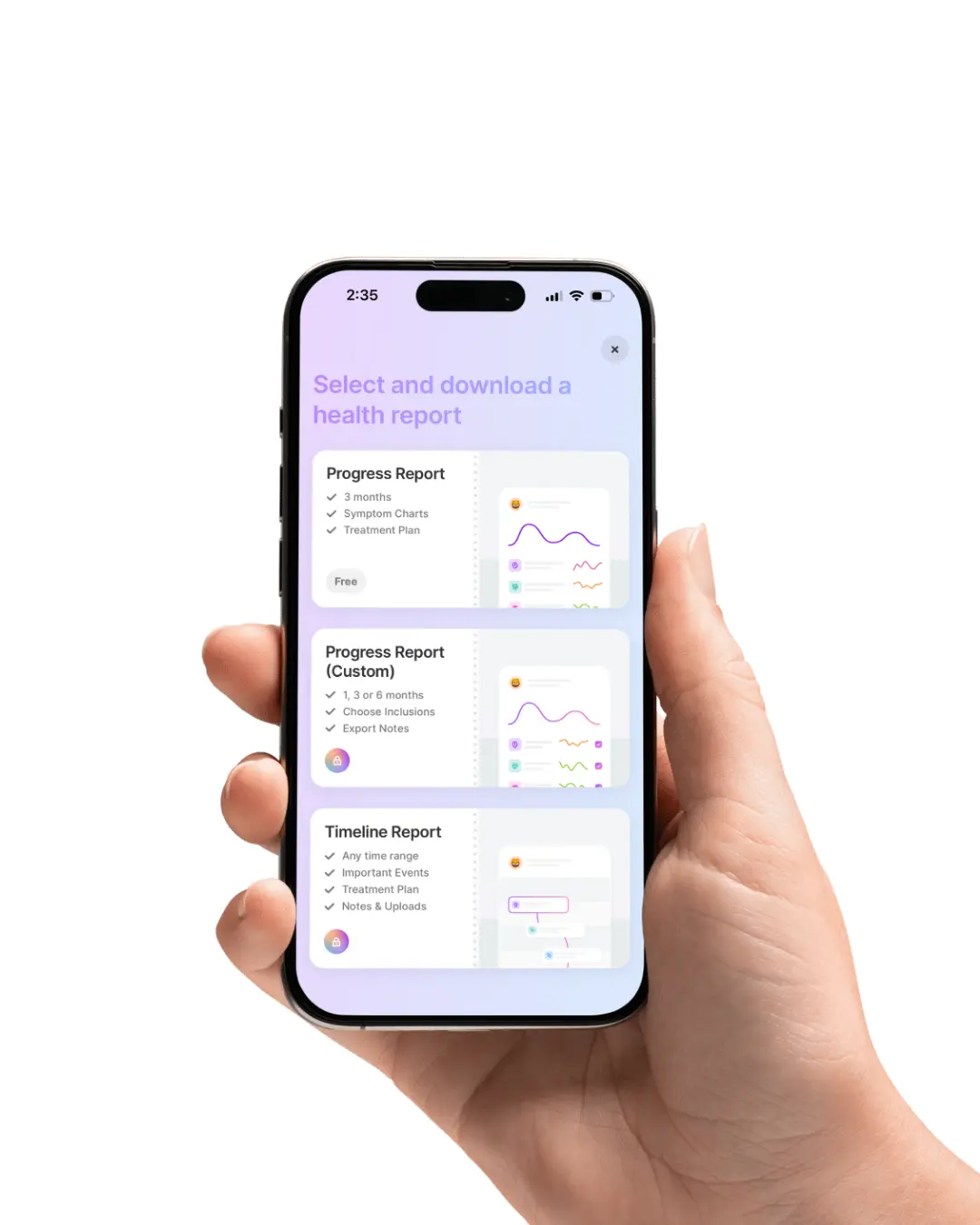
Track all new medications using the app
Track how you respond to new medications, including weight loss medications, to collect helpful insights about what’s working and what might need to be adjusted.


Pro tip
If you’re starting a PMOS weight loss medication, it’s helpful to track your cycle and symptoms from the very beginning. This can help you identify changes in your symptoms and menstrual patterns over time, alongside any side effects you experience.



