PMOS and diabetes: Understanding the connection between PMOS, insulin resistance, and long-term health conditions

November 27, 2026

- Polyendocrine metabolic ovarian syndrome (PMOS), previously PCOS, is a hormonal and metabolic condition.
- Insulin resistance is common in people with PMOS and can increase the risk of type 2 diabetes. PMOS is also associated with an increased risk of cardiovascular disease and sleep apnea.
- Living with PMOS doesn’t mean you will necessarily develop these health conditions. Tracking your symptoms and changes in your health over time can help you feel more informed and prepared when discussing your long-term health with your doctor.
Living with PMOS can involve managing symptoms day-to-day, but it’s also important to understand how the condition might affect your long-term health.
PMOS is a complex condition that impacts hormone and metabolic function and can increase your risk of developing health conditions like type 2 diabetes and cardiovascular disease.
Understanding your individual risk factors and keeping track of your health can help you feel more informed and prepared.
In this article, we explore the connection between PMOS, insulin resistance, and diabetes, the potential implications for your long-term health, and the steps you can take to understand and manage your individual risks.
The connection between PMOS and insulin resistance
Many people assume that insulin resistance is something that only affects people with diabetes, but that’s not the case.
Polyendocrine metabolic ovarian syndrome (PMOS), previously known as PCOS, is associated with hormonal and metabolic changes, including insulin resistance and elevated levels of androgens (hormones such as testosterone).
Insulin helps glucose (sugar) move from your bloodstream into your cells, where it’s used for energy. When your cells become less responsive to insulin, your pancreas produces more of it to compensate. This can keep blood sugar levels within a normal range initially, but if your body can no longer produce enough insulin to meet its needs, blood sugar levels may rise.
Research suggests that higher insulin levels can also stimulate androgen production and increase the amount of active androgens in the body. These hormonal changes can contribute to PMOS symptoms such as acne, excess facial or body hair (hirsutism), and irregular periods.
Elevated androgen levels may, in turn, worsen insulin resistance, creating a cycle in which metabolic and hormonal changes reinforce one another.
PMOS and diabetes: What you need to know
Not everyone with PMOS develops insulin resistance, but the condition is associated with a greater risk of developing prediabetes, where blood sugar levels are higher than normal but not high enough for you to be diagnosed with type 2 diabetes.
Type 2 diabetes develops when the body cannot produce or use insulin effectively enough to keep blood sugar levels within a healthy range. Over time, persistently high blood sugar can damage organs throughout the body.
Although people with PMOS have a higher risk of developing type 2 diabetes than the general population, not everyone with the condition will develop it.
Symptoms of type 2 diabetes to watch for include:
- Intense thirst
- Frequent urination
- Fatigue
- Blurry vision
- Numbness or tingling in the toes
- Slow healing of injuries and wounds
What you can do now to help:
- Advocate for blood sugar monitoring as part of routine blood tests.
- Work with a dietician to explore dietary changes to better manage blood sugar levels.
- Monitor for changes in your health and document symptoms in a health journal.
{{pro-tip-1}}
Understanding PMOS and your long-term health
Over time, PMOS and unmanaged insulin resistance can increase your risk of developing other medical conditions that impact your long-term health.
These health risks don’t necessarily disappear after menopause, making ongoing monitoring important as you get older.
PMOS and cardiovascular disease
Research suggests there’s a connection between PMOS and increased risk of cardiovascular disease, including heart attacks and stroke.
The relationship is complex, but factors such as insulin resistance, high blood pressure, abnormal cholesterol levels, and type 2 diabetes may contribute to this increased risk.
What you can do now to help:
- Have your blood pressure and cholesterol levels checked regularly, as recommended by your healthcare provider.
- Stay physically active in ways that suit your health and abilities.
- Discuss your individual cardiovascular risk factors with your doctor and whether any additional monitoring is needed.
PMOS and non-alcoholic fatty liver disease
Research suggests that people with PMOS have an elevated risk of developing fatty liver disease, now commonly referred to as metabolic dysfunction-associated steatotic liver disease (MASLD).
MASLD involves a build-up of excess fat in the liver and is associated with metabolic factors such as insulin resistance. In some people, it can lead to inflammation and liver damage over time, although many people with MASLD don’t experience any noticeable symptoms.
What you can do now to help:
- Discuss your individual risk factors with your doctor, including whether any liver assessments are appropriate.
- Follow a balanced eating pattern and stay physically active to support metabolic health.
- Keep a record of relevant test results and any changes in your health to discuss at appointments.
PMOS and sleep apnea
A 2024 systematic review estimated that approximately 20% of people with PMOS experience obstructive sleep apnea (OSA), although the true prevalence remains uncertain.
People with OSA experience sleep disturbances caused by the partial or complete collapse of their upper airway while sleeping. These breathing interruptions can reduce oxygen levels and disrupt sleep, sometimes without the person realizing it.
The connection between PMOS and OSA is not well understood, but factors commonly associated with PMOS, including insulin resistance, elevated androgen levels, and excess weight, may play a role.
What you can do now to help:
- Ask your partner or someone you share a room with whether they’ve noticed loud snoring, gasping, or pauses in your breathing during sleep.
- Document how rested you feel after sleeping in a health journal. You might track symptoms such as daytime sleepiness, fatigue, and waking up feeling unrefreshed.
- Advocate for sleep apnea testing if you have concerns.
Other long-term health risks associated with PMOS
Not all long-term health risks associated with PMOS are directly related to insulin resistance.
For example, irregular ovulation can increase the risk of endometrial hyperplasia, a condition in which the lining of the uterus becomes abnormally thick.
Keeping track of your menstrual cycles and discussing prolonged gaps between periods with your healthcare provider can help you identify when further assessment or treatment may be needed.
Important note: Having PMOS doesn’t mean you’ll necessarily develop any of these conditions. The good news is that there are steps you can take to look after your long-term health. Understanding your individual risk factors, attending regular health checks, and keeping track of changes in your health can help you feel more informed and prepared.
Eating for insulin resistance with PMOS
Eating a healthy, balanced diet is recommended for all people with PMOS, as it can support metabolic health.
However, there is no specific “PMOS insulin resistance diet” that all people with PMOS need to follow.
There’s no evidence that one type of diet is more effective than another for improving metabolic or hormonal health in people with PMOS.
Instead, the guidelines recommend a balanced, sustainable approach to eating that suits your individual needs and preferences. A PMOS diet can include a variety of foods, with an emphasis on healthy eating patterns rather than restrictive rules.
Take the guesswork out of your long-term health
When you have a long-term health condition like PMOS, thinking about how it might affect your wider health and your body over the long term can feel heavy—but there are steps you can take to protect your health and manage these risks.
Regular health checks are an important part of managing PMOS, even if you feel well. The 2023 International Evidence-based Guideline for PCOS recommends:
- Blood sugar monitoring: Have your blood sugar levels assessed when you are diagnosed with PMOS and every one to three years afterward, depending on your individual risk factors. An oral glucose tolerance test (OGTT) is the most accurate recommended test.
- Cholesterol testing: Have your cholesterol and triglyceride levels checked at diagnosis, with further testing based on your results and cardiovascular risk factors.
- Blood pressure checks: Have your blood pressure checked at least once a year. You can also monitor it at home and record your readings to track changes over time.
Your healthcare provider can recommend a monitoring schedule based on your individual needs.
Keeping track of your symptoms and test results over time can help you identify changes and have more informed conversations with your healthcare provider.
The Human Health app makes this easier. Instead of showing up to your doctor’s appointments with fuzzy memories of how you’ve been feeling, you can keep a detailed, specific record of what’s changing.
{{inline-cta-1}}
Frequently asked questions
How do I know if I have insulin resistance?
Insulin resistance often causes no noticeable symptoms. However, some people may experience physical changes, including darkened, thickened patches of skin around the neck, armpits, or groin (acanthosis nigricans), or develop skin tags.
Because insulin resistance can occur without obvious symptoms, tracking how you feel isn’t a reliable way to identify it. Your healthcare provider can assess your blood sugar levels to check for prediabetes or type 2 diabetes, although these tests don’t directly diagnose insulin resistance.
What foods should I avoid with PMOS?
You might see articles online that list foods to avoid when you have PMOS, but these are misleading. The 2023 International Evidence-based Guideline for PMOS recommends a balanced, sustainable approach to eating rather than following restrictive dietary rules.
However, you might notice that particular foods affect how you feel. Keeping a record of what you eat and any symptoms you experience can help you identify patterns and discuss them with your doctor.
Disclaimer: Human Health is a health tracking platform and does not provide medical advice, diagnosis, or treatment. The information in this guide is for educational purposes only and is not a substitute for professional medical care. Always consult your doctor or healthcare provider with questions about your health.
Sources:
- Insulin signaling in PCOS/PMOS: molecular insights and clinical implications (2026)
- Type 2 Diabetes Mellitus in Patients With Polycystic Ovary Syndrome (2023)
- Type 2 diabetes, The National Institute of Diabetes and Digestive and Kidney Diseases
- Recommendations from the 2023 international evidence-based guideline for the assessment and management of polycystic ovary syndrome (2023)
- Women with PCOS have a heightened risk of cardiometabolic and cardiovascular diseases: statement from the Experts Group on Inositol in Basic and Clinical Research and PCOS (EGOI-PCOS) and Italian Association of Hospital Cardiologists (ANMCO) (2025)
- Non-Alcoholic Fatty Liver Disease in Patients with Polycystic Ovary Syndrome: A Systematic Review, Meta-Analysis, and Meta-Regression (2023)
- Metabolic Dysfunction-Associated Steatotic Liver Disease (MΑSLD), StatPearls
- Polycystic ovary syndrome in obstructive sleep apnea-hypopnea syndrome: an updated meta-analysis (2024)
- Insulin resistance, StatPearls
This is a div block with a Webflow interaction that will be triggered when the heading is in the view.

Learn more

PCOS’s new name: What the change to PMOS means


How to test for PMOS: Understanding the diagnostic process

PMOS diet: What the research shows and why tracking your experience matters

PMOS hair loss: Why it happens and what you can do about it

PMOS facial hair: Understanding hirsutism and your treatment options
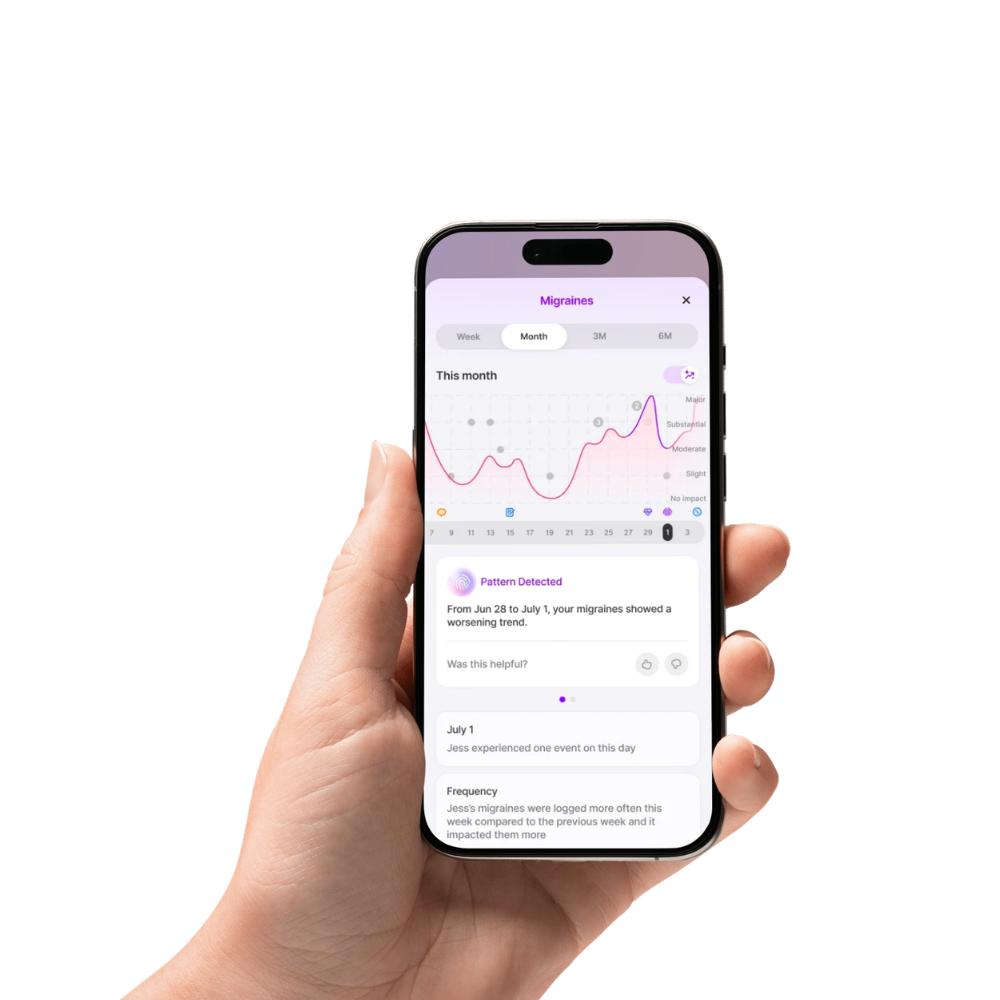
Track changes in your health with Human Health
Keep your symptoms and test results together in the Human Health app so you can track changes over time and share a clearer picture of your health with your care team.


Pro tip
Regular health checks are important for managing long-term risks. Keeping test results in the same place as your symptom journal makes it easier to see what’s happening at a glance in your medical appointments.



