PMOS and menopause: Navigating changes in midlife

November 26, 2026

- Polyendocrine metabolic ovarian syndrome (PMOS), previously called PCOS, is a common hormonal and metabolic condition that is often diagnosed in younger adults but can continue to affect people throughout their lives.
- Some people find that their symptoms improve or resolve during the menopausal transition, while others may persist or worsen.
- Tracking changes in your symptoms as you approach and go through menopause can help you identify patterns and discuss whether your treatment needs adjusting with your doctor.
There’s a common belief that menopause is the “light at the end of the tunnel” for people with PMOS.
And while it is true that entering menopause may change or reduce some PMOS symptoms, it doesn’t actually resolve the condition. Understanding how your symptoms might change during this transition can help you recognize when you may need additional support or adjustments to your treatment.
Below, we explore how PMOS and menopause can affect your body, which symptoms may overlap, and what changes to discuss with your doctor.
PMOS doesn’t “go away” with menopause
If irregular periods have been one of your main PMOS symptoms, it might seem logical that the condition would go away once your periods stop. However, although menopause brings significant hormonal changes, it doesn’t necessarily resolve the symptoms or underlying features of PMOS. Some symptoms may improve, while others may persist or become more noticeable.
Menopause is preceded by a transitional stage called perimenopause. During this time, estrogen levels fluctuate and menstrual cycles become increasingly irregular. This transition can last several years.
In clinical terms, menopause is reached when someone has gone 12 consecutive months without a menstrual period, provided there’s no other medical explanation. Although periods stop, hormonal and metabolic changes associated with PMOS may persist.
For example, if irregular periods have been one of your main PMOS symptoms, you may find that they’re no longer a concern after menopause. However, other symptoms, such as excess facial hair growth, may continue.
It’s also important to keep an eye on your metabolic health, as insulin resistance and other health risks associated with PMOS don’t necessarily disappear after menopause.
How PMOS and perimenopause symptoms overlap
You may notice that some of your existing PMOS symptoms change or become more noticeable during perimenopause. For example, hormonal changes may contribute to increased facial hair growth or thinning hair on the scalp.
PMOS and perimenopause also share several symptoms, including irregular periods, acne, and weight changes. This overlap can make it difficult to tell whether your symptoms are related to PMOS, perimenopause, or both.
Getting to the root cause of your symptoms during these transitions can be challenging. That’s why keeping a symptom journal during this time to document how you feel and what is changing can be incredibly valuable.
Here’s a breakdown of symptoms to watch for and what they could be caused by:
{{pro-tip-1}}
PMOS and menopause risk factors
PMOS is associated with several long-term health risks, some of which can persist after menopause. The menopausal transition and aging can also affect your health, particularly when it comes to metabolic and cardiovascular conditions.
This means that if you have PMOS, it’s important to consider how your existing health risks may change as you approach and go through menopause, even if some of your symptoms improve or disappear.
Health conditions related to PMOS, menopause, or both include:
- Type 2 diabetes
- Dyslipidemia (higher levels of fat and cholesterol in the blood)
- High blood pressure
- Cardiovascular disease
- Anxiety and depression
- Obstructive sleep apnea
Not everyone with PMOS will develop these conditions, and the risks vary from person to person. Regular check-ups with your doctor can help you monitor relevant risk factors, such as blood pressure, blood sugar and cholesterol levels, and determine whether you need additional support as you get older.
How to talk to your doctor about PMOS and menopause
If you are struggling with new, changing, or worsening symptoms over the age of 40, speaking with your doctor can help you get a clearer picture of what might be causing this shift.
Coming prepared with answers to the most common questions your doctor might ask during your appointment will help your concerns be taken more seriously.
Examples of questions to prepare for include:
- What was the date of your last menstrual period?
- Have you noticed changes to your menstrual cycles?
- Have you been experiencing hot flashes, mood changes, or more urinary tract infections?
- Have you noticed an increase in body and facial hair growth?
- Have you been losing more hair from your scalp than usual?
- How have you been sleeping recently?
- Have you noticed your skin changing?
It’s also important to remember that you can and should ask questions back to your doctor.
Here are some examples:
- What red flags should I be watching for when my PMOS symptoms are getting worse?
- Do I need to see a specialist for any of my PMOS symptoms?
- What treatment options are available to help manage my PMOS and menopause?
- If I start taking treatment for my menopause, will that impact my PMOS symptoms?
{{pro-tip-2}}
Can PMOS be diagnosed after menopause?
Although PMOS is often diagnosed earlier in life, some people may live with the condition for years without receiving a diagnosis.
Diagnosis is possible later in life, even during or after menopause. Your doctor will consider your medical history, including whether you experienced irregular periods or symptoms of hyperandrogenism earlier in life.
If you’re experiencing symptoms that affect your quality of life, speak to your doctor. Keeping a record of your current symptoms, alongside any information you can recall about your menstrual cycles and symptoms earlier in life, can help support that conversation.
Navigating PMOS and menopause can come with challenges
Perimenopause and menopause can bring significant changes. Many people find that their PMOS symptoms continue or even get worse during this transition.
The long-term health risks associated with PMOS may also persist after menopause, while hormonal changes during the menopausal transition and aging can bring additional health concerns. Regular health checks and ongoing conversations with your doctor can help you monitor these risks and address any concerns as they arise.
The Human Health app makes it easy to keep a long-term record of what’s changing and when, giving you a clearer picture to share with your doctor.
{{inline-cta-1}}
Frequently asked questions
Does menopause get rid of PMOS?
No, menopause does not get rid of PMOS. While the menopausal transition does reduce and eventually stop the menstrual cycle, other PMOS symptoms, particularly those associated with hormonal imbalances (hair loss, face and body hair growth, and acne), may continue.
Do PMOS and menopause affect weight gain?
Yes, both PMOS and the menopausal transition can affect your weight and body fat distribution. Insulin resistance associated with PMOS can contribute to weight gain, while hormonal changes during menopause may lead to increased fat storage around the abdomen.
How do I know if I am entering menopause?
Everyone experiences menopause differently. Some common symptoms of perimenopause include changes to your menstrual cycle, hot flashes, difficulty sleeping, mood changes, joint pain and brain fog.
Disclaimer: Human Health is a health tracking platform and does not provide medical advice, diagnosis, or treatment. The information in this guide is for educational purposes only and is not a substitute for professional medical care. Always consult your doctor or healthcare provider with questions about your health.
Sources:
- Management of the Perimenopause (2019)
- What Is Menopause?, The National Institute on Aging
- Does Menopause Affect Polyendocrine Metabolic Ovarian Syndrome (PMOS)?, Healthline
- Polycystic Ovary Syndrome (PCOS) Transition at Menopause (2021)
- Recommendations From the 2023 International Evidence-based Guideline for the Assessment and Management of Polycystic Ovary Syndrome (2023)
- Menopause symptoms and relief, The Office on Women’s Health
This is a div block with a Webflow interaction that will be triggered when the heading is in the view.

Learn more
PCOS’s new name: What the change to PMOS means


How to test for PMOS: Understanding the diagnostic process

PMOS diet: What the research shows and why tracking your experience matters

PMOS hair loss: Why it happens and what you can do about it

PMOS facial hair: Understanding hirsutism and your treatment options
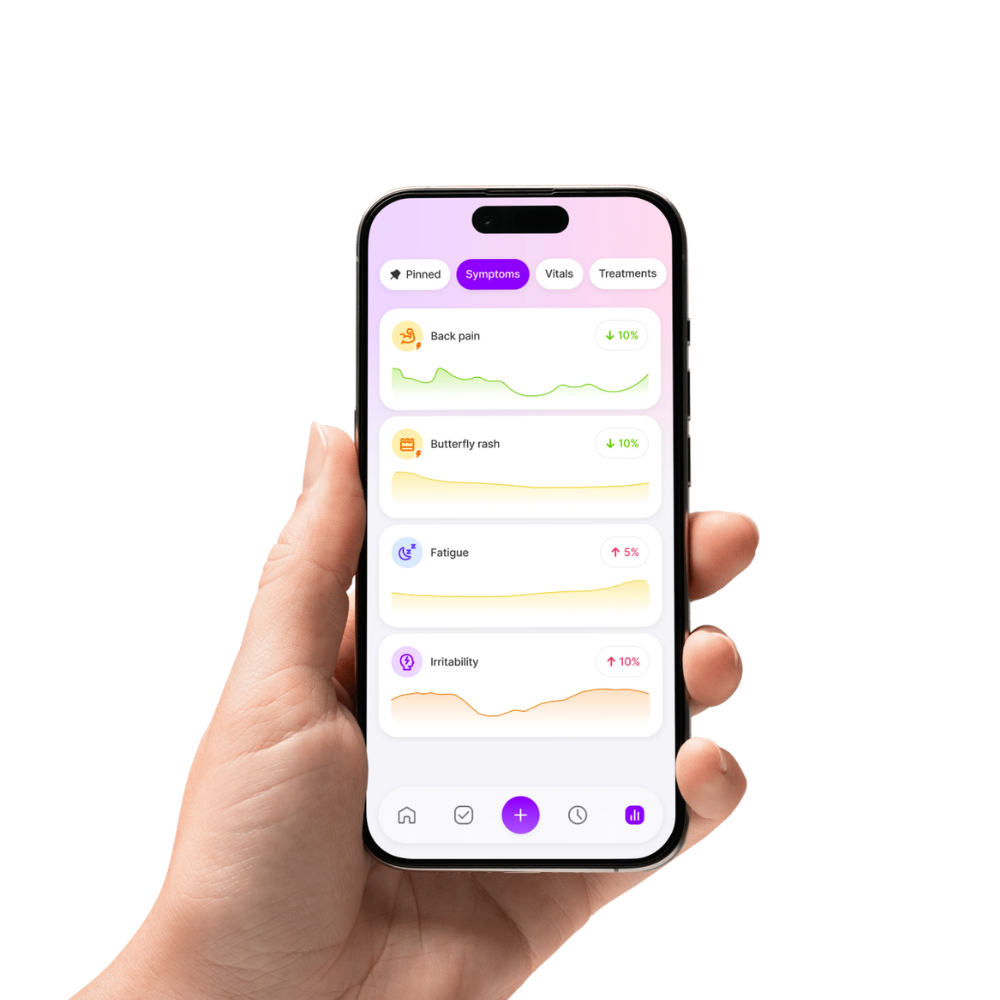
Stay on top of your health as your PMOS symptoms change
Track how the menopausal transition impacts your PMOS symptoms to get a clearer picture of your health.


Pro tip
If your symptoms are shifting and you’re not sure what’s causing it, a few months of notes will give you more insight than a single doctor’s appointment can.
Pro tip
Coming to your appointment with a record of your symptoms, their severity, and onset dates can help bring validity to your claims. It’s a lot harder for doctors to dismiss recorded data than guesses and hazy memories.



