PMOS vs. endometriosis: Understanding the differences

September 14, 2026
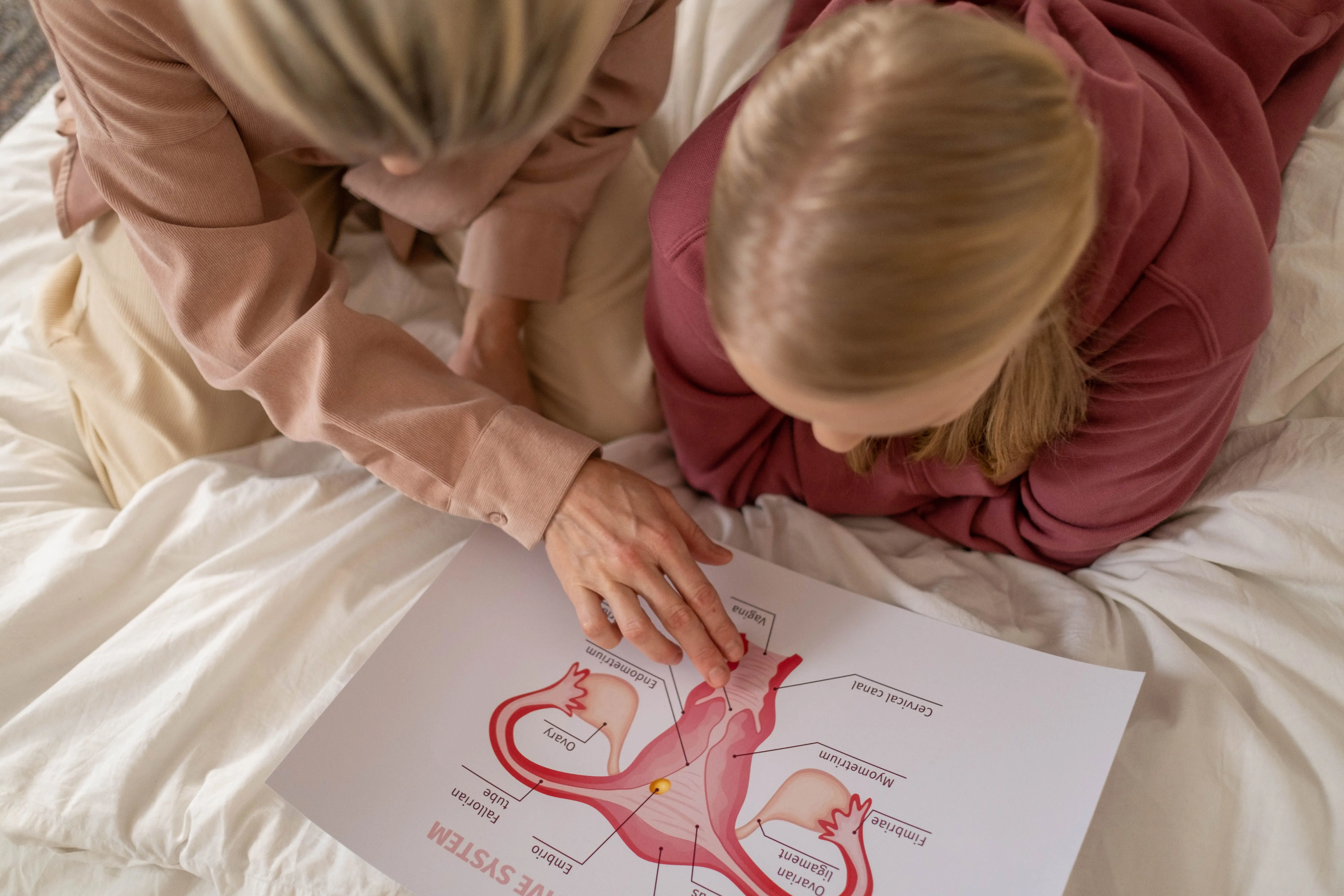
- PMOS (formerly PCOS) and endometriosis are different conditions, but they can share symptoms, including changes to your periods, fertility difficulties, and abdominal changes.
- There are also important differences: PMOS commonly affects ovulation and is associated with hormonal and metabolic symptoms, while pain is a much more prominent feature of endometriosis.
- It is possible to have both PMOS and endometriosis. Keeping a record of what you experience and when can help you and your doctor build a clearer picture of your symptoms.
Both endometriosis and PMOS (formerly PCOS) can cause symptoms that significantly affect your health and daily life.
Many people with these conditions live with their symptoms for years before receiving an accurate diagnosis. Some are misdiagnosed, while others who have both conditions may initially be diagnosed with only one.
You don’t need to know which condition is causing your symptoms before speaking to your doctor. Keeping track of what you experience and when can make it easier to spot patterns and understand what might be going on.
In this article, we get into everything you need to know about PMOS vs. endometriosis, exploring their common symptoms, key similarities and differences, how the conditions can occur together, and what can help you get an accurate diagnosis.
A note on terminology: PCOS was renamed polyendocrine metabolic ovarian syndrome (PMOS) in 2026. Because many people still know the condition as PCOS and may search for information using the former name, you’ll see both terms used in this article. We use PMOS when referring to the condition itself.
What is PMOS?
Polyendocrine metabolic ovarian syndrome (PMOS), formerly known as polycystic ovary syndrome, or PCOS, is a gynecological condition that affects reproductive, hormonal, and metabolic health.
PMOS affects several hormone and metabolic processes throughout the body. Two common features are higher androgen levels and insulin resistance:
- High androgen levels impact the ovaries’ ability to ovulate (release an egg) during the menstrual cycle. They can also contribute to symptoms such as excess facial or body hair, acne, and thinning hair.
- High insulin levels can occur when the body’s cells become less responsive to insulin. This can cause high blood sugar levels and may contribute to weight gain and difficulty losing weight. Over time, insulin resistance can also increase the risk of developing type 2 diabetes.
Globally, 10–13% of women of reproductive age are believed to have PMOS. Symptoms can develop at any age after puberty, although the condition is often diagnosed when someone sees their doctor about difficulties getting pregnant.
The exact cause of PMOS is not known, but genetics are thought to play a role.
PMOS symptoms
PMOS symptoms vary from person to person. In most cases, people with PMOS experience at least some of the following symptoms:
- Irregular periods, including missed periods, fewer periods than usual, or periods that happen more often
- Infertility or difficulty getting pregnant
- High amounts of hair on the face, chin, or body
- Thinning hair on the top of the head
- Facial and body acne
- Weight gain and/or difficulty losing weight
- Carrying more weight around the central abdomen, sometimes called “PMOS belly”
- Skin tags on the armpits or neck
- Darkened areas of skin on the neck, groin, or under the chest
{{pro-tip-1}}
How PMOS can affect you
PMOS is a long-term condition that can affect much more than your menstrual cycle.
Irregular ovulation can make it difficult to predict when your period will arrive and, for some people, make it harder to become pregnant. Symptoms such as acne, excess facial or body hair, hair thinning, and weight changes can also affect confidence and quality of life.
PMOS is also associated with other health conditions. People with PMOS have an increased risk of insulin resistance, type 2 diabetes, cardiovascular risk factors, sleep apnea, anxiety, and depression. Having PMOS doesn’t mean you will develop these conditions, but your doctor may recommend monitoring different aspects of your health over time.
What is endometriosis?
Endometriosis is a chronic inflammatory condition characterized by the growth of tissue similar to the lining of the uterus in other parts of the body. This can cause a range of symptoms. Severe pain during menstruation is the most common.
Endometriosis symptoms typically start around the time a person gets their period. However, you can develop endometriosis symptoms at any age after puberty.
Endometriosis lesions are most commonly found on the ovaries, fallopian tubes, and the outside of the uterus. Less often, they can be found growing on the rectum, bowel, bladder, vagina, or cervix.
Globally, an estimated 10% of women of reproductive age have endometriosis. We still don’t know the exact cause, and while there are many theories, research is still ongoing.
Endometriosis symptoms
Endometriosis symptoms differ from person to person and can present very similarly to PMOS. Some of the most common symptoms include:
- Pelvic pain that gets worse around your period
- Painful menstrual cramps
- Pain during or after sexual intercourse
- Pain with bowel movements or urination during your period
- Heavy bleeding during menstruation
- Spotting or irregular bleeding between periods
- Indigestion
- Fatigue
- Severe bloating or distension during your period, sometimes called endo belly
- Difficulty getting pregnant or infertility
How endometriosis can affect you
Like PMOS, endometriosis is a long-term condition that can affect much more than your period.
Pain and other symptoms can interfere with work, exercise, sleep, sex, social activities, and everyday routines. For some people, symptoms fluctuate considerably throughout the menstrual cycle or from one cycle to the next.
Endometriosis can also affect fertility, although having the condition does not necessarily mean you will have difficulty becoming pregnant.
The stage of your endometriosis also doesn’t necessarily reflect the severity of your symptoms. Some people with early-stage disease experience severe symptoms, while others with more advanced-stage endometriosis experience few.
PMOS vs. endometriosis: What you need to know
With so much symptom overlap, it can be tricky for you and your doctor to tell whether you have PMOS or endometriosis. It helps to understand the key differences:
That said, there are many similarities between the two conditions:
{{pro-tip-2}}
PMOS and endometriosis can occur together
It is possible to have both PMOS and endometriosis at the same time.
In a recent study of 380 people with endometriosis, almost a quarter (24.5%) also had PMOS. People with both conditions tended to experience a greater symptom burden than those with endometriosis alone, including higher rates of severe pain and fertility difficulties.
Research suggests that the conditions may share some underlying genetic and biological mechanisms, although the relationship between them is still being investigated.
Because both conditions can present similarly, it is easy for a diagnosis to be inaccurate or missed. But the sooner you can get the right support, the sooner you can start exploring treatment and management options that may help.
You don’t have to figure it out alone
PMOS and endometriosis symptoms can be confusing, frustrating, and exhausting, especially if you have been living with either or both conditions without support for years.
The good news is, you don’t need to suffer through these symptoms alone.
Getting clarity on whether you have PMOS, endometriosis, or both can help you and your doctor make sense of your symptoms and discuss what support or management options might be right for you.
Using the Human Health app, you can build a consistent record of your symptoms, giving you something concrete to refer back to and share with your doctor as you have those conversations.
{{inline-cta-1}}
Frequently asked questions
How do I know if I have PMOS or endometriosis?
Telling PMOS and endometriosis apart can be challenging, even for medical professionals.
To help get to the bottom of what is causing your symptoms, daily tracking of how you feel, when your symptoms occur, and your menstrual cycle can give your doctor the essential information they need to give you the correct diagnosis.
Are endo belly and PMOS belly different?
Yes, endo belly and PMOS belly are different. Besides the fact that they are caused by different conditions, the severity of endo belly symptoms is more likely to fluctuate during the menstrual cycle, while PMOS belly is a distribution of fat on the abdomen that can stay consistent over time.
Can I have PMOS and endometriosis at the same time?
Yes, it is possible to have endometriosis and PMOS at the same time.
While they are separate conditions, they cause overlapping symptoms, which can make telling them apart (especially if you have both) challenging.
What’s the difference between PCOS and PMOS?
PCOS and PMOS refer to the same condition. We get how that might be a bit confusing!
In 2026, polycystic ovary syndrome (PCOS) was renamed polyendocrine metabolic ovarian syndrome (PMOS) to better reflect the condition’s hormonal, metabolic, and ovarian features. The new name is being introduced gradually, so you may continue to see both terms being used.
Disclaimer: Human Health is a health tracking platform and does not provide medical advice, diagnosis, or treatment. The information in this guide is for educational purposes only and is not a substitute for professional medical care. Always consult your doctor or healthcare provider with questions about your health.
Sources:
- Polyendocrine Metabolic Ovarian Syndrome, StatPearls (2025)
- Endometriosis, StatPearls (2026)
- Polyendocrine metabolic ovarian syndrome, the new name for polycystic ovary syndrome: a multistep global consensus process (2026)
- Polycystic ovary syndrome (PCOS), Eunice Kennedy Shriver National Institute of Child Health and Human Development
- Polycystic ovary syndrome, The Office on Woman’s Health
- Polycystic ovary syndrome (PCOS), The FDA Office of Women’s Health
- Polycystic ovary syndrome, The World Health Organization
- Endometriosis, Office on Women’s Health
- Endometriosis, The World Health Organization
- Estrogen receptors and endometriosis (2020)
- Comorbidity analysis and clustering of endometriosis patients using electronic health records (2025)
- Epidemiological study and clinical consequences of endometriosis and PCOS co-occurrence in a clinical population of women: a cross-sectional study (2026)
- Dissecting the shared genetic architecture between endometriosis and polycystic ovary syndrome (2024)
This is a div block with a Webflow interaction that will be triggered when the heading is in the view.

Learn more

Adenomyosis vs. endometriosis: The key differences you need to know


The stages of endometriosis: What your stage means for you
.webp)
Endometriosis overview: Symptoms, early signs, and what it feels like
Endometriosis flare-ups: Potential triggers and how long they last

The endometriosis diet: What the research says and why your experience matters
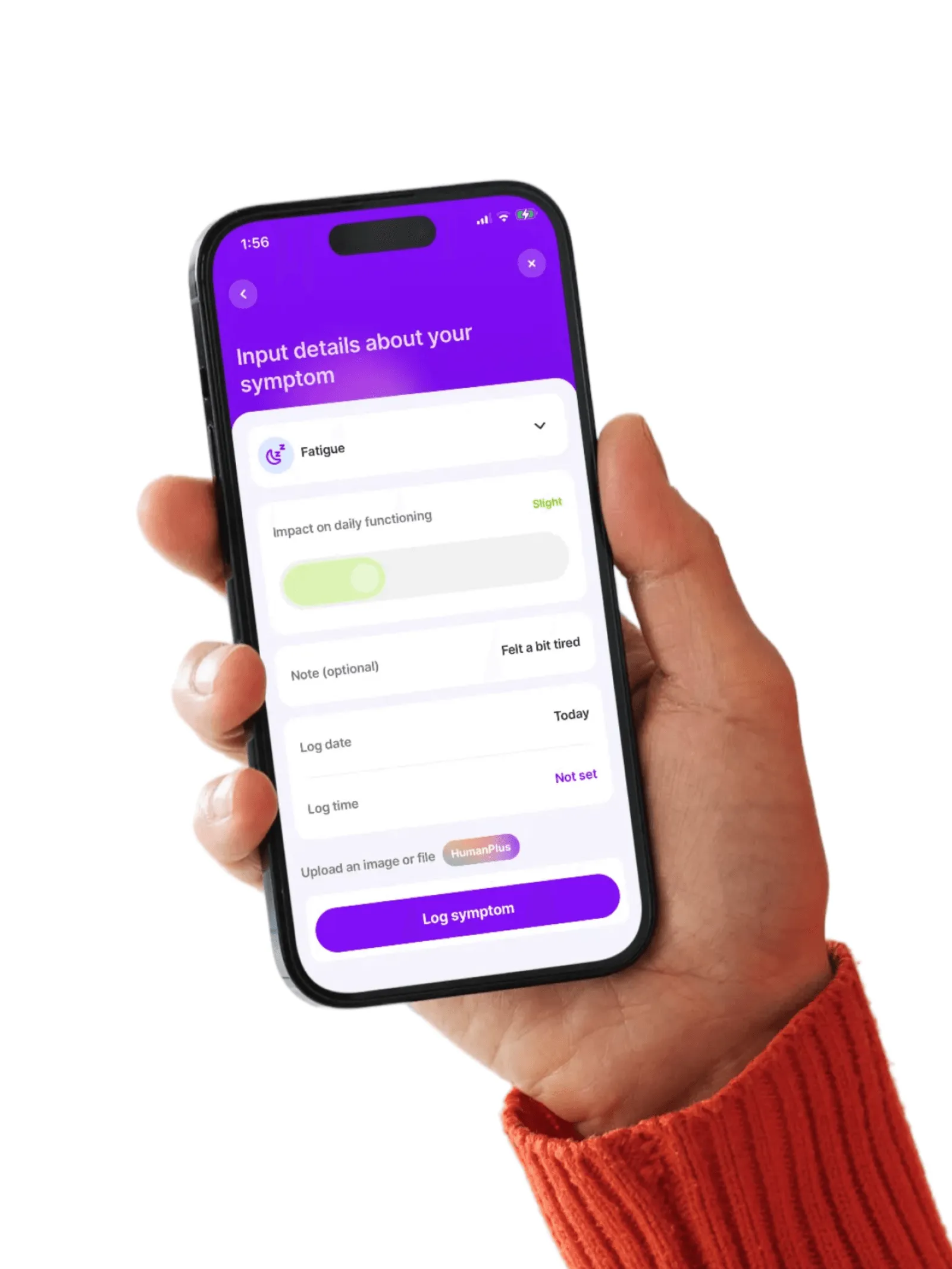
Get a better understanding of your symptoms
Track your daily symptoms, including things like pain levels, location, duration, and timing with your period, to get a clearer picture of your health.


Pro tip
PMOS and endometriosis share symptoms, which can make it difficult to tell what’s causing them. Tracking what you experience and when can help your doctor investigate the possible cause.
Pro tip
You don’t need to figure out which condition you have on your own before seeking medical care. By keeping a detailed daily journal of your symptoms and menstrual cycle, you can share that data with your doctor, helping inform their assessment and diagnosis.
.png)


