How endometriosis is diagnosed: What you need to know

September 14, 2026
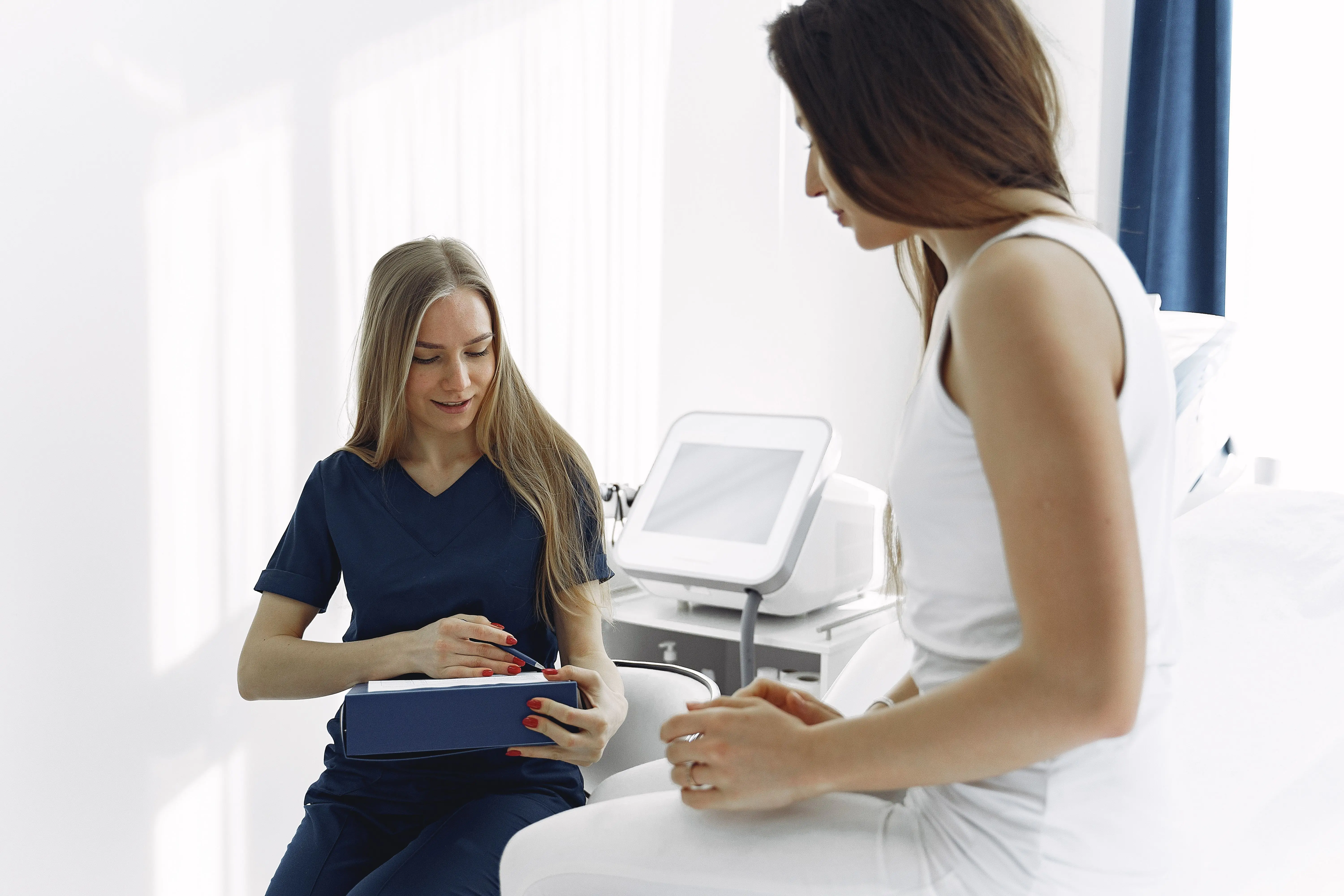
- Endometriosis is a chronic inflammatory condition in which tissue similar to the lining of the uterus grows in other areas of the body, causing pain and other symptoms.
- It is common for people with endometriosis to live with the condition for years before getting an accurate diagnosis.
- Diagnosing endometriosis usually involves considering your symptoms and medical history alongside a physical examination and imaging. Keeping a symptom record can help you give your doctor a clearer picture of what you’ve been experiencing.
If you think you might have endometriosis, it can be difficult to know what to do next. Many people spend years wondering whether their symptoms are “normal” or putting off an appointment. Others have their concerns dismissed, which can make the path to getting answers even longer.
But knowing what to look out for and what to expect from the diagnostic process can help you feel more prepared to take the next step.
This guide explains common endometriosis symptoms, when to see your doctor, how they test for endometriosis, what to expect from medical appointments, and how symptom tracking can help.
Let’s get into it.
Signs you might have endometriosis
Endometriosis is a chronic inflammatory condition characterized by the growth of tissue similar to the lining of the uterus in other parts of the body—often the ovaries and fallopian tubes.
Severe period pain is one of the most common symptoms of endometriosis, although symptoms can vary considerably from person to person. How you experience endometriosis may change over time.
Examples of endometriosis symptoms include:
- Pelvic pain, which often coincides with your period
- Painful menstrual cramps
- Pain during or after sex
- Pain with bowel movements or urinating during your period
- Heavy bleeding during menstruation
- Spotting or irregular bleeding between periods
- Indigestion
- Fatigue
- Bloating or distension during your period, sometimes called endo belly
- Difficulty getting pregnant or infertility
When to book an appointment with your doctor
It can be difficult to know when period symptoms have gone beyond “typical.” Many people with endometriosis spend years assuming their pain is simply part of having a period. Others raise their concerns only to have them dismissed.
Generally, it’s recommended to speak with your doctor if:
- Your period pain is severe, getting worse, or making it difficult to keep up with your usual activities.
- You have debilitating period pain alongside other symptoms, such as heavy bleeding, pain during or after sex, bowel or bladder symptoms during your period, fatigue, or bloating.
- Your symptoms keep coming back each menstrual cycle or are affecting your quality of life.
The more detailed you can be about your symptoms, when they occur, and how they affect your daily life, the easier it is for your doctor to begin investigating possible causes, including endometriosis.
How do they test for endometriosis?
Although the exact process differs depending on location, these are the typical diagnosis steps:
{{pro-tip-1}}
Discussing your symptoms
If you suspect that you may have endometriosis, book an appointment with your doctor.
They will likely ask you some of the following questions to rule out other possible conditions causing your symptoms:
- What symptoms are you experiencing?
- How severe are your symptoms on a scale of 1–10?
- Where do you feel pain in your body?
- When did your symptoms start?
- Have your symptoms gotten worse over time?
- Do you find that your symptoms get worse during particular times in your menstrual cycle?
- Is there anything that you have been doing that makes your symptoms less intense?
It helps to bring a detailed record of your symptoms and menstrual cycle to the appointment, so you have as much information to refer back to as possible.
Physical examination
Depending on your symptoms, healthcare provider, and local healthcare system, you may be offered a pelvic examination.
During the examination, you’ll usually lie on an examination couch while your doctor gently examines your abdomen and pelvis. They may look at the outside of your genital area and insert one or two gloved, lubricated fingers into your vagina while pressing on your lower abdomen with their other hand.
A pelvic examination may identify tenderness or other signs that could suggest endometriosis, but some people with endometriosis have a normal examination. Your doctor will consider the findings alongside your symptoms and other tests when deciding what to do next.
Important note: Let your doctor know if you are uncomfortable with having a pelvic exam. They can discuss your concerns, explain the purpose of the examination, and help you decide on the most appropriate next steps.
Diagnostic imaging for endometriosis
Your doctor may recommend imaging to look for signs of endometriosis and rule out other possible causes of your symptoms. This may include:
- A transabdominal ultrasound uses a handheld device moved across your lower abdomen to create images of your pelvic organs.
- A transvaginal ultrasound uses a small probe inserted into the vagina to produce more detailed images of the pelvic organs.
- MRIs are sometimes used to help diagnose endometriosis when ultrasound technology is not available. Images created from MRIs can also be used to help with planning before surgery.
Ultrasound and MRI findings are considered alongside your symptoms and physical examination when assessing for endometriosis.
Surgery for diagnosing endometriosis
Historically, endometriosis was diagnosed based on findings from laparoscopic surgery. This is a minimally invasive surgery that looks for signs of endometriosis in the abdominal cavity.
New guidelines for diagnosis were published in 2026. Surgery is no longer required for everyone before a diagnosis can be made, although it may still be recommended if:
- Your diagnosis remains uncertain.
- Your symptoms are severe.
- Surgery is also being considered as part of your treatment.
The procedure is carried out under general anesthesia. The surgeon makes small incisions in your abdomen and inserts a camera and specialized instruments to examine the pelvic cavity.
If the surgeon finds endometriosis, they may also assess how extensive it is and, where appropriate, remove or treat visible areas of endometriosis during the same procedure.
The importance of advocating for yourself, and how to do it
Diagnosing endometriosis can be challenging. People often remain undiagnosed for years before they finally get the answers and care they need. That delay can leave you coping with ongoing pain and uncertainty while trying to manage work, study, family life, and other daily responsibilities.
However, diligent health tracking can help you advocate for yourself. Keep a log of your menstrual cycle, your pain and energy levels, heavy bleeding or spotting, and any other symptoms and share all that information with your doctor during your appointment.
Using the Human Health app, you can easily log information that will help your doctor make an assessment. This can put you on the right track to diagnosis and ensure your experiences and concerns are addressed.
Plus, in the app, you can opt in to be considered for emerging endometriosis research. Participation is completely voluntary, but it can give you the opportunity to contribute to research that may improve our understanding of endometriosis and its treatment.
{{inline-cta-1}}
Frequently asked questions
What does endometriosis feel like?
Endometriosis pain can feel different from person to person. Some describe deep aching or cramping in the pelvis, while others experience sharper pain. The pain may be concentrated in one area or felt more widely across the pelvis, abdomen, or lower back, and it can vary in intensity over time.
What are the early signs of endometriosis?
Endometriosis symptoms can begin during adolescence, sometimes from around the time periods first start. Early signs may include severe period pain or ongoing pelvic pain, although symptoms vary considerably from person to person.
Some people have few or no noticeable symptoms and only discover they have endometriosis when they experience difficulty getting pregnant.
How long does it take to get diagnosed with endometriosis?
Unfortunately, people with endometriosis often experience significant delays from symptom onset to diagnosis.
Studies show that accurate diagnosis can take anywhere from 7 to 10 years, with a lack of awareness of symptoms, fear of diagnosis, limited access to healthcare, and cultural normalization of menstrual-associated pain being contributing factors.
What conditions can be mistaken for endometriosis?
Endometriosis shares symptoms with several other conditions, which can sometimes make diagnosis more complicated.
Adenomyosis can cause similar symptoms such as painful periods and pelvic pain, while PCOS can also cause symptoms that overlap with endometriosis, although the two conditions are very different.
Your doctor will consider other possible causes of your symptoms as part of the diagnostic process.
Disclaimer: Human Health is a health tracking platform and does not provide medical advice, diagnosis, or treatment. The information in this guide is for educational purposes only and is not a substitute for professional medical care. Always consult your doctor or healthcare provider with questions about your health.
Sources:
- Endometriosis, StatPearls (2026)
- Endometriosis, MedlinePlus
- ACOG Publishes New Endometriosis Clinical Guidance, Aiming to Shorten Time to Diagnosis and Improve Access to Care, American College of Obstetricians & Gynecologists (2026)
- How to perform an ultrasound to diagnose endometriosis (2018)
- Magnetic Resonance Imaging of Endometriosis: The Role of Advanced Techniques (2024)
- What are the treatments for endometriosis?, Eunice Kennedy Shriver National Institute of Child Health and Human Development
- Time to Diagnose Endometriosis: Current Status, Challenges and Regional Characteristics—A Systematic Literature Review (2024)
This is a div block with a Webflow interaction that will be triggered when the heading is in the view.

Learn more

Adenomyosis vs. endometriosis: The key differences you need to know


The stages of endometriosis: What your stage means for you
.webp)
Endometriosis overview: Symptoms, early signs, and what it feels like

Endometriosis flare-ups: Potential triggers and how long they last

The endometriosis diet: What the research says and why your experience matters
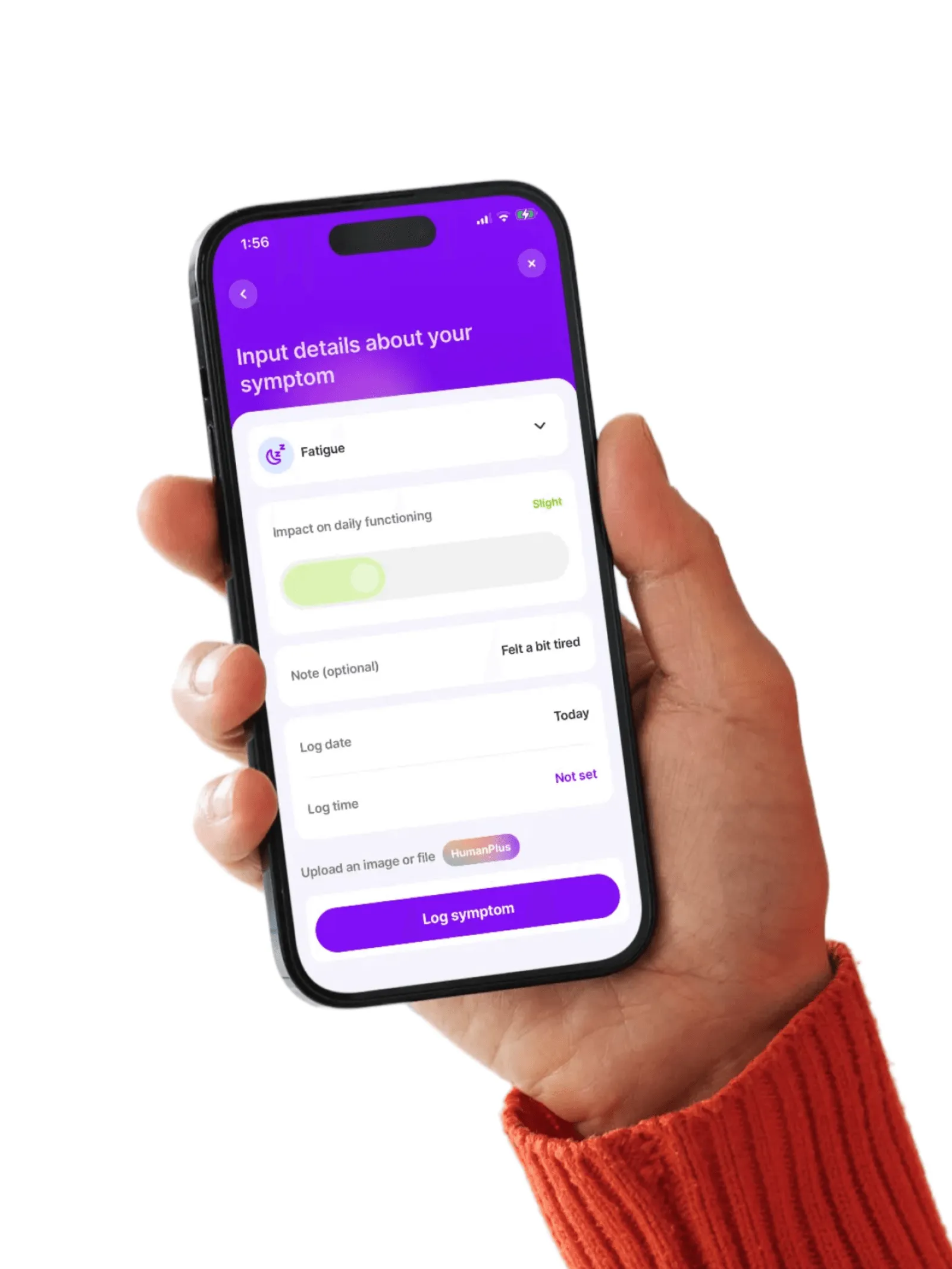
Start building your symptom record in the Human app
Collect essential data about your endometriosis symptoms to share with your doctor at your next appointment.


Pro tip
Doctors can only act on what you can describe. A log of your symptoms, including how often, how bad, and how long they occur for, makes your case harder to dismiss.
.png)


