Endometriosis clinical trials and research: How to get involved

September 14, 2026

- Endometriosis clinical research includes different types of studies designed to improve our understanding of the condition, including its causes, diagnosis, treatment, and impact on people’s lives. Clinical trials are one type of research.
- Endometriosis research has historically received relatively little funding compared with the burden of the condition.
- Opting to participate in any form of endometriosis research can help further our understanding of the condition and improve available treatment options for future generations.
Living with endometriosis can be incredibly frustrating. Getting a diagnosis can take years, and there are still significant gaps in our understanding of the condition and how best to treat it.
But it doesn’t have to be this way.
More research is needed so that health providers around the world can better understand this complex condition. By choosing to participate in endometriosis clinical trials or other forms of research, you can contribute to a better understanding of endometriosis and help build the evidence that may improve care in the future.
If you’re curious about endometriosis clinical trials and research, this article is for you. We explain the different types of research you may come across, why your participation can make a difference, and how to find opportunities to get involved.
Let’s get into it.
What are endometriosis clinical trials?
When most people think about medical research, they often think of clinical trials.
Clinical trials are a type of clinical research that tests a specific medical, surgical, or behavioral intervention. Researchers may investigate whether an intervention is safe, whether it works as intended, and how it compares with other approaches.
Here are some examples of interventions researchers might study during an endometriosis clinical trial:
- Endometriosis laparoscopic surgery techniques to assess outcomes like efficacy and recovery
- New hormonal or non-hormonal medications for endometriosis-associated pain
- Complementary approaches to symptom management, such as dietary interventions or nutritional supplements
- Psychological or behavioral interventions designed to help manage pain or improve quality of life
{{pro-tip-1}}
Other ways to contribute to endometriosis research
Other forms of clinical research can enhance our understanding of endometriosis.
Observational studies
In observational studies, researchers collect data (either new or from the past) to analyze and assess.
This data can include things like symptoms, treatments, health outcomes, and lifestyle factors. These types of studies focus on “observing” people’s health and experiences without assigning an intervention (like a specific treatment).
Over time, this data can help researchers better understand different aspects of endometriosis and how the condition affects people. It can also help identify gaps in areas such as diagnosis, treatment, and care.
Reported pain levels, symptom recurrence after surgery, and quality of life are all examples of topics that may be studied in observational studies for endometriosis.
Registries
Patient registries collect standardized health information from many people over time. For endometriosis, this can help researchers study areas such as symptoms, treatments, disease progression, and long-term outcomes.
Industry market research
Market research, a term commonly used to describe consumer-based studies, is also done in the context of medical research.
Industry market research can be conducted or commissioned by healthcare companies and other organizations to better understand patients’ experiences and needs. This is often done in the context of examining a medication or product they offer, but research may also explore broader topics such as treatment experiences, unmet needs, or barriers to care.
Two types of research are commonly used for these types of studies:
- Primary research, where new data is collected through methods including focus groups, surveys, questionnaires, and interviews
- Secondary research, where existing data collected from previous studies is used and analyzed to identify patterns and potential knowledge gaps
Why get involved in endometriosis research
In the US, endometriosis is estimated to affect more than 6.5 million people.
Despite this, funding for endometriosis research remains chronically low, accounting for only 0.038% of the biomedical research budget of the National Institutes of Health (NIH), the US government’s medical research agency, in 2022.
The exact cause of limited endometriosis research funding is not well-understood, but theories suggest that historical gender disparities in health, societal normalization of menstrual pain, and limited awareness of the long-term effects of the condition have contributed to the problem.
This limited access to funds continues to cause difficulties for people with the condition. There are important gaps in how well the condition is understood and recognized. This is one of the reasons getting a diagnosis can still be such a long and difficult process.
Even after diagnosis, finding effective treatment can be difficult. Current treatments don’t work for everyone, and symptoms can persist despite trying different approaches. More research is needed to develop better options and understand which treatments are most likely to help different people.
Not everyone is interested in getting involved with endometriosis research, and that’s completely okay. However, there are circumstances that may make you more interested, including:
- Wanting to take a more active role in your health and treatment plan
- Wanting to explore new treatment options when current methods aren’t working as well as intended
- Wanting to contribute to the discovery of new health information that may help people in the future
How to get involved in endometriosis research
There are multiple ways you can get involved with endometriosis research:
- Ask your doctor if they know of any clinical trials or research studies you could apply to join.
- Search clinical trial databases online to see if you are a match.
- Check for local research opportunities from educational and research institutions.
Some health apps also offer secure ways to share your data to match you with available research opportunities. In the Human Health app, you can opt-in to be matched with relevant research at any time, voluntarily sharing anonymized data with research partners.
Choosing to participate is always your choice
If you live with endometriosis, you likely know how frustrating it can be when medicine doesn’t yet have all the answers. Endometriosis has been overlooked by research for decades, contributing to gaps in our understanding of the condition and how best to diagnose, treat, and manage it.
If you want to be part of changing that, Human Health can help connect you to endometriosis research opportunities in two ways:
- Directly putting you in contact with ongoing research opportunities
- Sharing your anonymized data with researchers to use in their studies
The information you track about your symptoms and how they affect you could then contribute to a better understanding of endometriosis and, ultimately, better care.
The decision to participate and share your data is always your choice. You get to decide what data you share and when, and you can withdraw your consent at any time.
{{inline-cta-1}}
Frequently asked questions
Are there clinical trials for endometriosis?
Yes, clinical trials are currently underway to explore potential interventions that may make managing endometriosis symptoms easier.
Before registering for a clinical trial, speak with your doctor about the benefits and risks. They can help you understand whether you’re a good fit.
How does a clinical trial work?
Before joining a clinical trial, you’ll be given information about what the study involves and the potential benefits and risks. If you choose to participate, you’ll follow the study plan, which may involve receiving an intervention, attending appointments, or reporting information about your health. What’s involved will depend on the specific trial.
Are clinical trials safe?
Clinical trials are heavily monitored and regulated, but they involve some risk.
If you are considering joining an endometriosis clinical trial, be sure to speak with your doctor and the trial organizers so you understand the potential risks.
How do I get connected with endometriosis research opportunities?
If you’re interested in contributing data or participating in a research study, you can speak to your doctor, explore local resources, or search clinical trial databases.
Disclaimer: Human Health is a health tracking platform and does not provide medical advice, diagnosis, or treatment. The information in this guide is for educational purposes only and is not a substitute for professional medical care. Always consult your doctor or healthcare provider with questions about your health.
Sources:
- What are clinical trials and studies? The National Institute on Aging
- Learn about studies, ClinicalTrials.gov
- Patient registries (2014)
- Types of studies and research design (2016)
- Endometriosis, Office on Women’s Health
- Understanding endometriosis underfunding and its detrimental impact on awareness and research (2024)
- Endometriosis Is Undervalued: A Call to Action (2022)
- Endometriosis clinical trials, ClinicalTrials.gov
- Clinical trial database, ClinicalTrials.gov
This is a div block with a Webflow interaction that will be triggered when the heading is in the view.

Learn more

Adenomyosis vs. endometriosis: The key differences you need to know


The stages of endometriosis: What your stage means for you
.webp)
Endometriosis overview: Symptoms, early signs, and what it feels like

Endometriosis flare-ups: Potential triggers and how long they last

The endometriosis diet: What the research says and why your experience matters
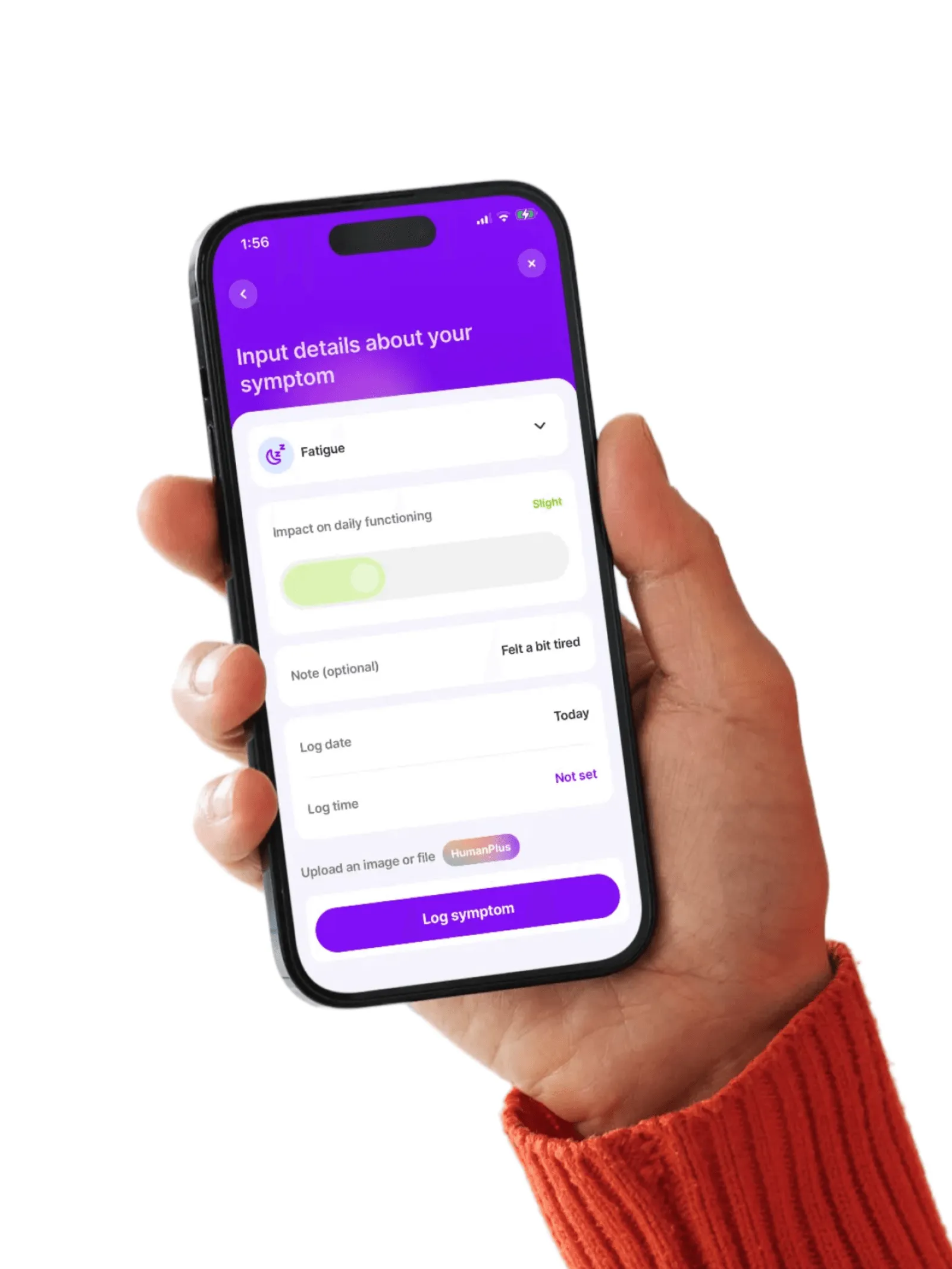
Get connected to research opportunities in the app
In the app, you can consent for your tracked data to be shared with researchers or used to connect you with research studies. The choice is always yours, and you can withdraw consent at any time.


Pro tip
Endometriosis is historically under-researched. The symptoms you already track can help build the evidence base that future diagnosis and treatment depend on.
.png)


