Laparoscopic endometriosis surgery: Understanding the procedure and recovery timeline

October 1, 2026
.jpg)
- Laparoscopic endometriosis surgery is a minimally invasive procedure. For some people, it can help ease symptoms of endometriosis.
- Recovery time depends on several factors, including how advanced the condition is, the type of surgery you undergo, how much tissue is removed, and your individual health circumstances.
- Endometriosis surgery won’t necessarily stop you from experiencing symptoms again. Tracking your symptoms closely after surgery helps give you and your doctor an early read on how recovery is going and if your symptoms are returning.
Endometriosis symptoms can have a significant impact on your daily life, and finding an approach to managing them effectively isn’t always straightforward.
If you have severe and persistent symptoms despite treatment, your doctor may talk to you about surgery. Surgery may also be considered in some cases where endometriosis is affecting fertility or other organs.
If you or someone you love has been recommended laparoscopic endometriosis surgery or you’re wondering whether it might be an option, we wrote this article for you. We get into everything you need to know about the procedure and what recovery can look like.
What is endometriosis surgery?
Endometriosis is a chronic condition where tissue similar to the lining of the uterus grows in other areas of the body. Over time, this can cause significant symptoms often linked to the menstrual cycle, including pain, bloating, and fatigue.
Endometriosis surgery aims to remove or reduce endometriosis tissue. It does not cure the condition, but it can help make symptoms more manageable.
Laparoscopy can also play a role in endometriosis diagnosis, although surgery is no longer always necessary to diagnose the condition.
Historically, endometriosis was treated with open surgery, meaning the surgeon would make a large incision across the abdomen. That took much longer to recover from.
Now, most endometriosis surgery is laparoscopic, meaning it’s minimally invasive. This is sometimes called “keyhole surgery.” Laparoscopic surgery has a more straightforward recovery period in most cases.
Who has laparoscopic endometriosis surgery?
Surgery isn’t usually a first-line treatment option for endometriosis.
Initial treatment often involves medications to manage pain and symptoms, including pain relief, combined hormonal contraceptives, or progestins.
Surgery may be a good fit for you if:
- You are living with persistent pain despite treatment.
- Endometriosis is affecting your fertility.
- The condition is affecting organs or other structures in the body.
Your doctor will consider factors including your symptoms, fertility goals, the location and extent of your endometriosis, and your preferences when discussing whether surgery may be appropriate.
Types of laparoscopic endometriosis surgery
There are two main types of laparoscopic endometriosis surgery: ablative and excisional.
{{pro-tip-1}}
Endometriosis surgery risks
Laparoscopic endometriosis surgery is generally considered to be a safe procedure, but that doesn’t mean there are no risks.
Possible risks include:
- Infection (of the insertion sites or of the treated areas)
- Bleeding
- Blood vessel damage
- Damage to surrounding organs and/or tissue
- Fistula (formation of an abnormal connection between organs)
Your surgeon can talk you through these risks and how likely they are in your individual case.
How to prepare for endometriosis surgery
Your surgeon will provide specific instructions on how to prepare for your surgery, including guidance about eating, drinking, and taking medications.
Alongside these instructions, there are some practical things you can do in advance to make the day of your surgery and your recovery easier:
- Make sure you know when and where to arrive and what you need to bring with you on the day.
- Prepare your recovery space before you go to the hospital, keeping anything you’ll need regularly within easy reach.
- Check with your doctor if you should stop or continue any of your medications on the day of your procedure.
- Follow your surgical team’s instructions about when to stop eating and drinking before your procedure.
- Stock your pantry with lots of fluids and easy-to-consume foods, like electrolyte drinks, teas, soup, and Jell-O.
- Ensure you have loose, comfortable clothing, like pants without a restrictive waistband.
- Organize for a family member or friend to drive you to and from your procedure. You might also want to arrange for someone to stay with you or be available to help during the early stages of recovery, if needed.
- Schedule time off from work and ideally avoid emotional and physical stress during the first few weeks of recovery.
What happens during laparoscopic endometriosis surgery
Laparoscopic endometriosis surgery is carried out under general anesthesia, meaning you’ll be put to sleep by an anesthesiologist.
During the procedure, your surgeon will:
- Make a small incision in your belly button and in at least one other spot on your abdomen.
- Insert long surgical tools, including a laparoscope, which will transmit a video image of your abdominal cavity to the surgical team.
- Fill your abdomen with air to ensure the impacted organs are visible.
- Inspect, document, and assess your abdominal cavity for endometriosis lesions and tissue. The surgical team will excise (remove) or ablate (burn) the endometriosis tissue in the affected areas. In some cases, they may also remove existing scar tissue.
- Remove the surgical tools, deflate your abdomen, and suture the incisions shut.
Endometriosis surgery recovery
Recovery from endometriosis surgery is different for everyone. Factors including the type of surgery you undergo, where your endometriosis lesions are, how many areas are treated, and your individual health circumstances are all things that can impact how your body heals.
However, as a general rule of thumb, you can expect the recovery timeline to look a bit like this:
- The first night: You may stay in the hospital for monitoring. You will likely have significant abdominal discomfort, bloating, and fatigue. Bleeding is also common.
- Day 1–3: You’ll likely experience side effects from surgery, including pain, for several days, but you should gradually start to feel better.
- Weeks 1–2: At this point, people are usually able to return to light activities and may be able to return to work. This is different for everyone.
- Weeks 3–4: This is when your energy levels will likely start returning to normal. You may be able to do some light exercise (with clearance from your doctor). It’s recommended to avoid strenuous exercise, especially anything that involves the abdominal muscles.
- Weeks 6–8: Most people can return to their routines as usual after consulting with their doctor. This includes exercise and sexual activity.
- Weeks 8–12: By this stage, most people feel no pain from the surgery. If you are still struggling or experience unusual symptoms, speak to your doctor.
Important note: Your recovery may not follow this exact timeline, and that’s okay. Tracking your recovery lets you monitor your healing more closely and identify and mention concerns to your doctor. The earlier your doctor knows about anything unusual, the better.
Post-surgery complications to watch for
As with any surgery, post-operative complications can impact your recovery.
Be sure to report any of the following signs of complications to your doctor:
- Increasing redness or swelling around your incisions
- Pus or other unusual discharge from an incision
- A fever of 101°F (38.3°C) or higher
- Pain that gets worse or isn’t relieved by medication
- Heavy vaginal bleeding
- Difficulty emptying your bladder
How effective is endometriosis surgery?
Having surgery cannot cure endometriosis, and it doesn’t guarantee that you will never experience endometriosis symptoms in the future. Recurrence affects some people who have had surgery.
With endometriosis, recurrence can mean two different things:
- Pain or other endometriosis symptoms return. 20–26% of people are thought to experience endometriosis pain within the first year after surgery.
- Endometriosis lesions reappear. Research suggests lesion regrowth affects 12–29% of people in the first two years after surgery.
These figures may sound worrying or disheartening, especially if you’re considering surgery in the hope of getting relief from your symptoms. But recurrence isn’t inevitable, and surgery can still provide significant symptom relief for many people.
Tracking your recovery after endometriosis surgery
After surgery, keeping track of your symptoms can help you understand how they change during recovery and over the longer term.
If pain or other endometriosis symptoms begin to return, having a record of when they started, how often they occur, and whether they’re becoming more severe can give you useful information to share with your doctor.
As you recover, tracking can also help you establish a new baseline for what your symptoms look like after surgery. Knowing what’s typical for you makes it easier to recognize meaningful changes, whether that’s gradual improvement during recovery or pain and other symptoms beginning to return later.
Using the Human Health app, you can easily and quickly document your recovery process. Log how you feel, your pain levels, and any other symptoms so you can see how they change over time and share that information with your doctor at follow-up appointments.
{{inline-cta-1}}
Frequently asked questions
How long does it take to recover from endometriosis surgery?
Endometriosis surgery recovery times vary from person to person based on their medical history, the type of surgery they underwent, and the severity of their endometriosis.
As a general rule of thumb, people are typically able to return to light daily activities 1–2 weeks post-surgery, and are fully recovered 6–8 weeks after surgery.
Can endometriosis come back after surgery?
Yes. Endometriosis symptoms or lesions can return after surgery, although this doesn’t happen to everyone. Tracking your symptoms can help you notice changes over time and give you useful information to share with your doctor.
Is endometriosis surgery worth it?
Endometriosis surgery can be a very effective treatment option, but that doesn’t automatically make it the best option for your specific needs.
If you or someone you love is considering endometriosis surgery, speak to your doctor about the potential risks and benefits and whether it would be an option based on your past medical history and existing symptoms.
Disclaimer: Human Health is a health tracking platform and does not provide medical advice, diagnosis, or treatment. The information in this guide is for educational purposes only and is not a substitute for professional medical care. Always consult your doctor or healthcare provider with questions about your health.
Sources:
- Endometriosis, StatPearls (2026)
- Surgery and endometriosis (2018)
- Excisional versus ablative surgery for peritoneal endometriosis (2019)
- Endometriosis surgery, Cleveland Clinic
- Checklist & tips for endometriosis surgery, The Endometriosis Foundation of America
- What are the treatments for endometriosis? Eunice Kennedy Shriver National Institute of Child Health and Human Development
- What to expect from recovery after surgery for endometriosis, Healthline
- Rethinking endometriosis recurrence: from clinical challenge to biological opportunity (2026)
This is a div block with a Webflow interaction that will be triggered when the heading is in the view.

Learn more

Bowel endometriosis: Common symptoms and how it overlaps with IBS


Endometriosis flare-ups: Potential triggers and how long they last

Endometriosis clinical trials and research: How to get involved
Can you get pregnant with endometriosis? Understanding how the condition affects fertility
How endometriosis is diagnosed: What you need to know
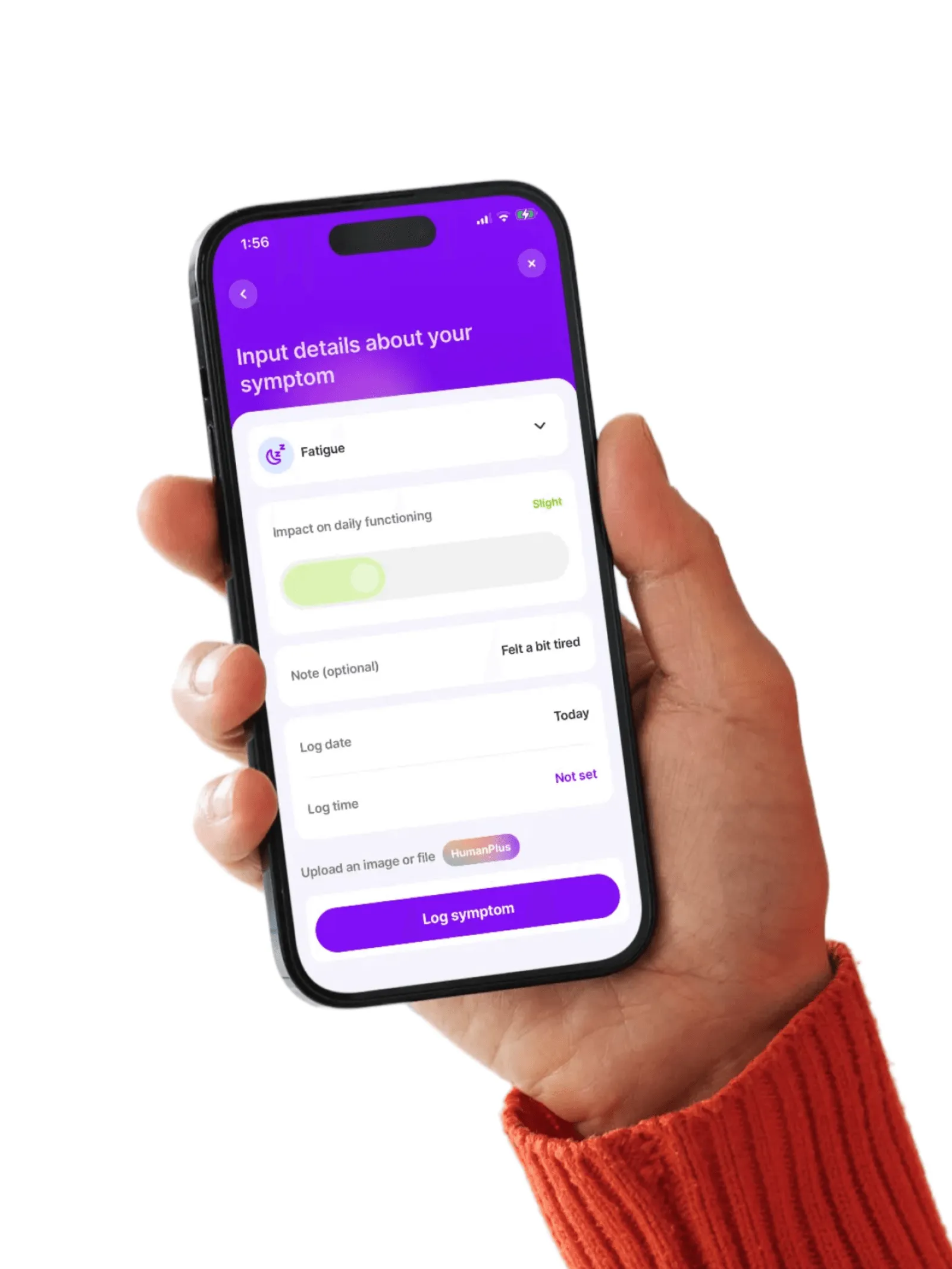
Understand your recovery after surgery
Track your symptoms with Human Health to see how your recovery progresses and notice changes over time.


Pro tip
Recovery isn’t always linear. Logging your pain, energy levels, and symptoms after the surgery helps you see progress and lets you track how your body is healing.
.png)


