Endo belly: What it is and how to manage it

September 14, 2026
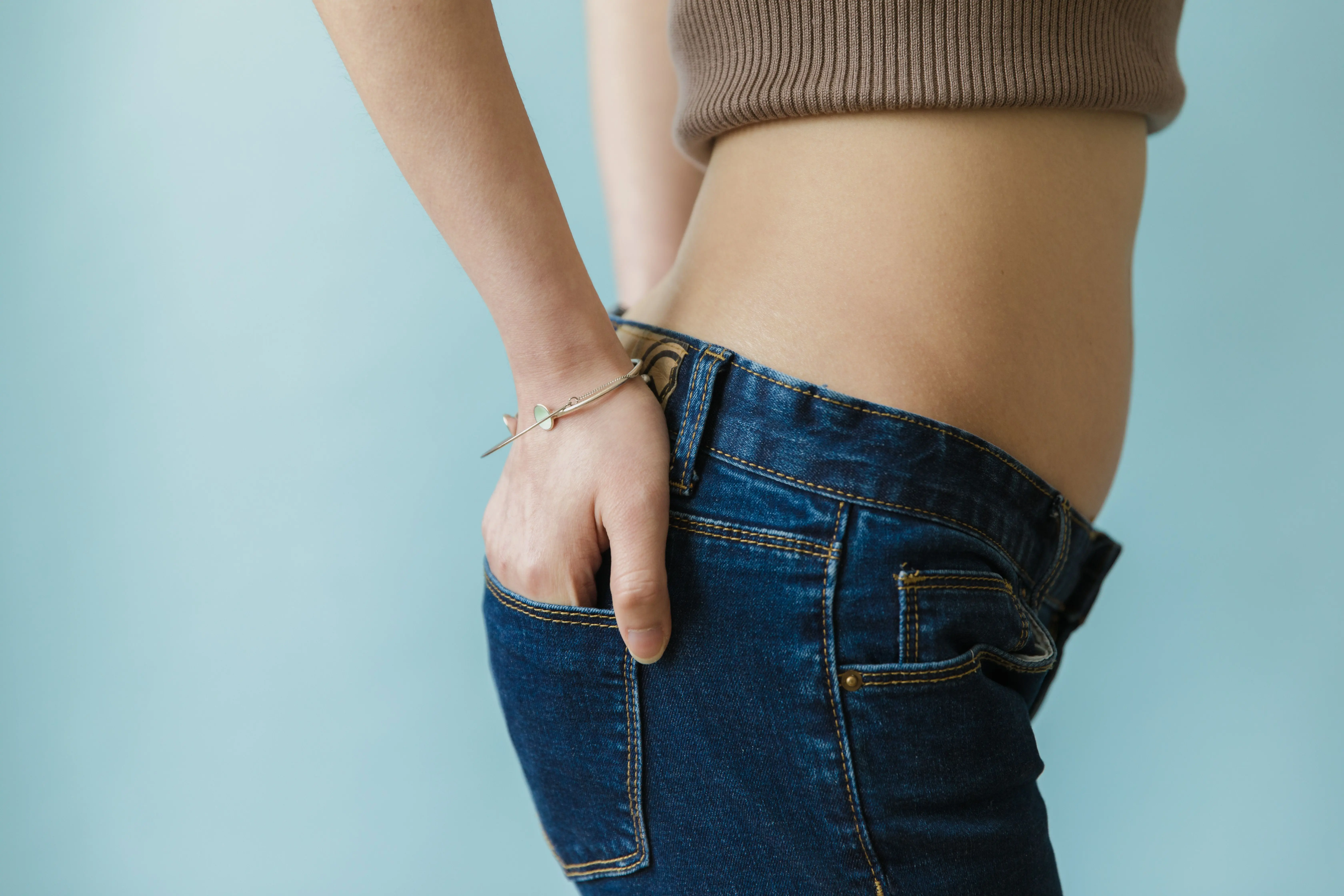
- Endo belly is a painful, sometimes debilitating symptom of endometriosis.
- Although it often flares around your menstrual cycle, it can be difficult to tell apart from normal period bloating or digestive conditions such as IBS.
- Tracking your symptoms over time can help you identify personal triggers, anticipate future flares, and provide valuable information to share with your doctor.
Severe, painful bloating with your period could be a sign of an underlying health condition like endometriosis.
Most people have experienced bloating from time to time. But for those living with endometriosis, bloating, sometimes called “endo belly,” can be debilitating.
If you experience endo belly, you might have been told it’s “just part of having your period.” This can be extremely frustrating, as it can feel like your experiences are being overlooked or downplayed.
You don’t have to keep living with this discomfort, and you don’t have to go unheard.
In this article, we get into the basics of endo belly, including what it feels like, how it differs from other kinds of bloating, how to ease discomfort, and how tracking your symptoms can help you identify patterns, anticipate flares, and manage the condition.
Here’s what you need to know.
Endo belly vs. normal bloating
Almost everyone experiences bloating from time to time. It’s an uncomfortable experience of fullness in the abdomen that can happen for many different reasons, from eating a large meal to constipation or digestive conditions.
People who menstruate often experience bloating as part of their cycle. This is one reason why identifying endo belly yourself can be so challenging. It’s tricky to know what’s “normal” and what could be a sign of an underlying condition.
To make things even more confusing, many people with endometriosis also experience digestive conditions such as IBS, which can also cause bloating, abdominal pain, and changes in bowel habits. This overlap means it isn’t always easy to tell whether your symptoms are related to your menstrual cycle, your digestive system, or both.
What is endo belly?
Endo belly is severe abdominal bloating caused by endometriosis. It often flares before or during your period, although some people experience it at other times in their menstrual cycle.
Endo belly bloating can last a lot longer than typical bloating, often causing more intense symptoms, including:
- Noticeable swelling of the abdomen
- Pain, tightness, heaviness, or tenderness
- Feeling constipated or filled with gas
- Feeling like your insides are moving
- Feeling like it’s difficult to breathe
Because endo belly can dramatically change the appearance of your abdomen, it can also affect your confidence, clothing choices, and day-to-day life. These effects are important too, and you deserve support with symptoms that are affecting how you feel or what you’re able to do.
Looking at the bigger picture
Rather than focusing on a single episode of bloating, it’s often more helpful to look at the overall pattern.
Endo belly is likely to occur alongside symptoms such as severe period pain, heavy bleeding, pain during sex, fatigue, or pain when using the toilet during your period.
{{pro-tip-1}}
What is endometriosis?
Endo belly is one possible symptom of endometriosis.
Understanding the underlying condition can help explain why it happens and why it often occurs alongside symptoms such as severe pelvic pain, heavy periods, and fatigue.
Endometriosis is a chronic inflammatory condition that occurs when cells similar to those that typically grow inside the uterus (endometrium) grow in other areas of the body—often the ovaries, fallopian tubes, and the tissues that hold the uterus in place.
Like the lining of the uterus, this tissue responds to hormonal changes during your menstrual cycle. It can thicken, break down, and bleed, triggering inflammation. Over time, this inflammation can lead to scar tissue, adhesions, pain, and other symptoms.
In some cases, endometriosis can make it more difficult to become pregnant.
Other endometriosis symptoms
Understanding other common endometriosis symptoms helps build the bigger picture of what you’re experiencing beyond endo belly:
- Pelvic pain, which often coincides with your period
- Painful menstrual cramps
- Pain during or after sex
- Pain with bowel movements or urination during your period
- Heavy bleeding during menstruation
- Spotting or irregular bleeding between periods
- Indigestion
- Fatigue
- Difficulty getting pregnant or infertility
Some of these symptoms can overlap with other gynecological conditions, including PCOS, which is one reason it’s important to discuss your symptoms with your doctor rather than trying to identify the cause yourself.
{{pro-tip-2}}
How to manage endo belly
There isn’t a single treatment for endo belly. Instead, treatment focuses on managing the underlying endometriosis and reducing the symptoms it causes.
Depending on your symptoms and overall health, your doctor may recommend one or more of the following approaches:
Dietary changes
Some people find that particular foods may worsen their endo belly symptoms.
While there isn’t a specific diet proven to treat endometriosis or endo belly, some dietary changes may help reduce inflammation or improve symptoms for some people.
You might find it helpful to focus on a balanced eating pattern, such as a Mediterranean-style diet, which emphasizes:
- Fruits and vegetables
- Whole grains and legumes
- Nuts and seeds
- Fish and other sources of healthy fats
Some people with endometriosis and digestive symptoms may also benefit from a low-FODMAP diet. However, this is a restrictive diet designed to manage gastrointestinal symptoms rather than endometriosis itself, and it’s best followed with guidance from a dietitian.
More research is needed to understand how these dietary changes affect endometriosis symptoms.
{{pro-tip-3}}
Medications
Depending on your symptoms and medical history, your doctor may recommend medications to address the underlying endometriosis.
Some medications help relieve pain, while others work by affecting the hormonal changes that drive endometriosis. This can slow the growth and activity of endometriosis tissue, helping to reduce inflammation and improve symptoms.
Examples of medications used to treat endometriosis include:
- Pain relievers (NSAIDs): Medications such as ibuprofen may help reduce pain and inflammation.
- Hormonal birth control: Birth control pills and hormonal intrauterine devices (IUDs) can help reduce pain by making periods lighter, less frequent, or stopping them altogether.
- Progestin therapy: These medications help slow the growth of endometriosis tissue and reduce symptoms.
- Gonadotropin-releasing hormone (GnRH) agonists and antagonists: These medications temporarily reduce estrogen levels, slowing the activity of endometriosis tissue and improving symptoms.
Surgery
For some people, laparoscopic (minimally invasive) surgery to remove endometriosis tissue may help improve endometriosis symptoms.
However, surgery isn’t appropriate for everyone, and more research is needed to understand its long-term effects on symptoms and endo belly specifically.
What to do during an endo belly episode
During an active episode of endo belly, there are several things you can try to help ease your discomfort. While there’s no quick fix, the following approaches may help:
- Apply heat: A heating pad or hot water bottle placed on your abdomen may help relax muscles and temporarily ease pain or cramping.
- Try gentle movement: Activities such as stretching, yoga, or tai chi may help relieve muscle tension and improve comfort. If movement makes your symptoms worse, it’s okay to rest instead.
- Practice deep breathing or relaxation techniques: Stress and muscle tension can make symptoms feel worse. Gentle breathing exercises or meditation may help you relax during a flare.
- Take pain relief if needed: Over-the-counter pain relievers, such as NSAIDs, may help manage pain for some people. Always follow the instructions on the label and speak to your doctor if you need them regularly.
- Wear loose, comfortable clothing: Tight waistbands can make bloating feel even more uncomfortable, so many people find it helps to wear clothing that doesn’t put pressure on their abdomen.
How tracking endo belly can help
Endo belly can be a frustrating part of living with endometriosis because it’s uncomfortable, unpredictable, and often dismissed. It doesn’t have to be this way.
Tracking your symptoms won’t treat your endo belly, but it can help you better understand your condition and make more informed decisions about your care.
Over time, tracking may help you:
- Understand when symptoms occur: See how your endo belly changes over time and where episodes fall in relation to your menstrual cycle or other factors you’re tracking.
- Recognize recurring patterns: Having a longer-term record may help you notice when symptoms tend to be better or worse.
- Monitor whether treatments are working: If you make dietary changes, start medication, have surgery, or try other management strategies, tracking gives you a baseline to compare your symptoms over time.
- Support conversations with your doctor: Sharing a detailed symptom history can help your doctor build a clearer picture of your symptoms and guide diagnosis and treatment decisions.
The Human Health app makes it easy to track your endo belly alongside your menstrual cycle, symptoms, medications, lifestyle factors, and more, helping you spot patterns over time and share a clear record with your doctor.
{{inline-cta-1}}
Frequently asked questions
What does endo belly feel like?
Endo belly is an intense form of abdominal discomfort and bloating, often feeling hard and tight. Some people report it feels very heavy, like you’ve eaten a massive meal or your organs are pressing up against your abdomen. It is more severe than typical bloating and can cause a person to appear to be multiple months pregnant.
How long does endo belly last?
Endo belly can last anywhere from a few hours to several days or weeks. In most cases, it fluctuates with the hormonal cycle, often getting worse during ovulation and menstruation. The severity, type, and duration of symptoms differ from person to person, which is why tracking your symptoms is incredibly valuable for better understanding your condition.
Disclaimer: Human Health is a health tracking platform and does not provide medical advice, diagnosis, or treatment. The information in this guide is for educational purposes only and is not a substitute for professional medical care. Always consult your doctor or healthcare provider with questions about your health.
Sources:
- Endometriosis, StatPearls (2026)
- Endometriosis, Office on Women’s Health
- Endometriosis, MedlinePlus
- The Role of Lifestyle and Diet in the Treatment of Endometriosis: A Review (2026)
- Low-FODMAP Diet for Gastrointestinal Symptoms in Endometriosis: A Systematic Review (2026)
- Endo Belly: What Is It and Why Does It Happen?—A Narrative Review (2023)
- Endometriosis stories, The Endometriosis Foundation of America
- Endo Belly: What It Is and How To Get Rid of It, Cleveland Clinic
- Nutrition in the prevention and treatment of endometriosis: A review (2023)
- Managing ‘endo belly’ (severe bloating), The Endometriosis Foundation of America
This is a div block with a Webflow interaction that will be triggered when the heading is in the view.

Learn more

Adenomyosis vs. endometriosis: The key differences you need to know


The stages of endometriosis: What your stage means for you
.webp)
Endometriosis overview: Symptoms, early signs, and what it feels like
Endometriosis flare-ups: Potential triggers and how long they last

The endometriosis diet: What the research says and why your experience matters
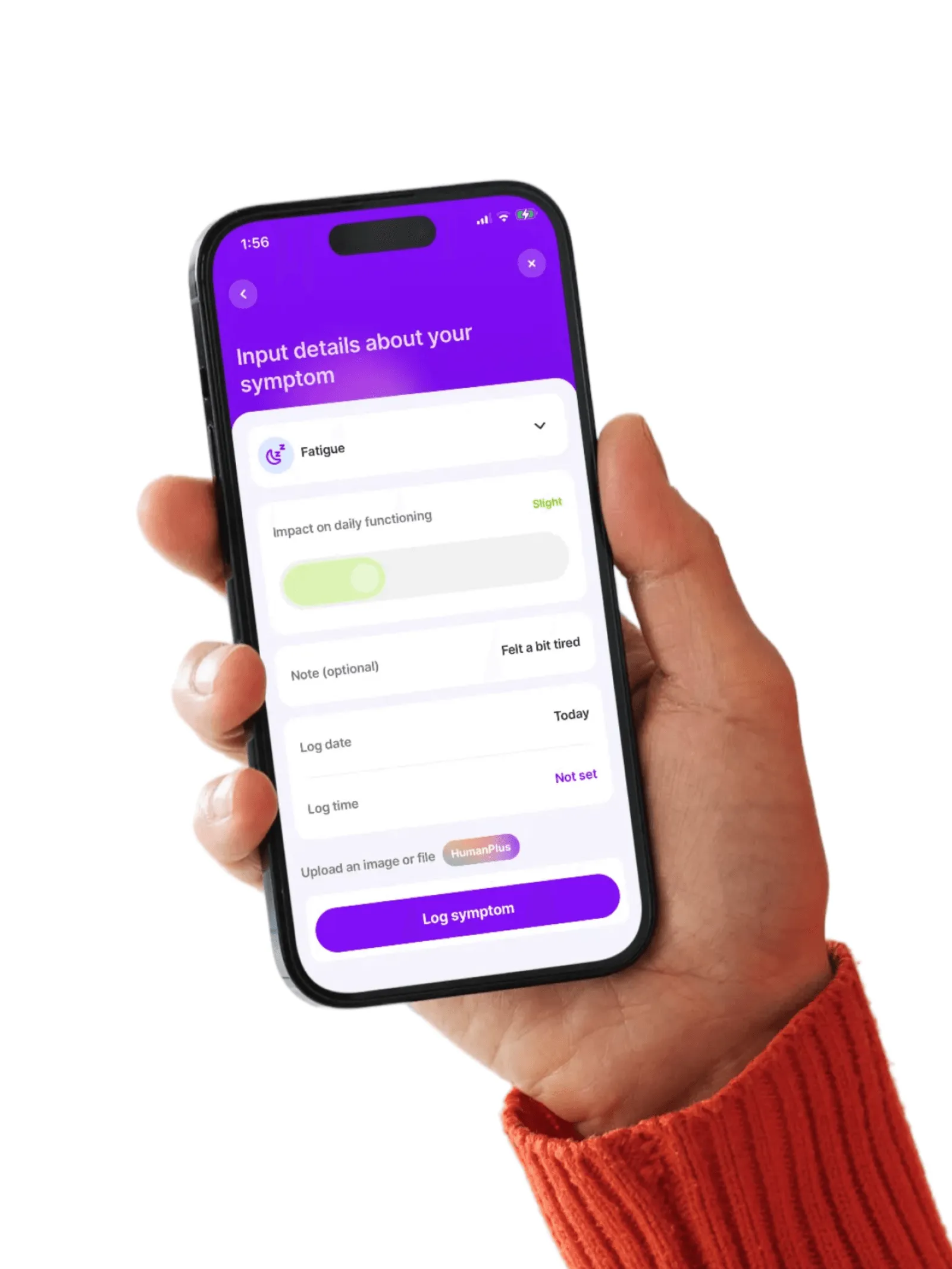
Build a clearer record of your endo belly
Track your bloating and other symptoms alongside your menstrual cycle to build a record you can refer back to and share with your doctor.


Pro tip
Track when your bloating starts, how severe it feels, where you are in your menstrual cycle, and any other symptoms that occur alongside it, such as pelvic pain, fatigue, or changes in your bowel habits. Looking for patterns over time can help you understand your symptoms and give your doctor a clearer picture of what you’re experiencing.
Pro tip
Track your endo belly and other endometriosis symptoms alongside your menstrual cycle to identify patterns over time. Bringing this information to your appointment can help your doctor assess your symptoms more effectively.
Pro tip
If you decide to make a dietary change to help manage your endo belly, keeping a record of what you change alongside your bloating and other symptoms can help you understand how you respond over time.
.png)


