Endometriosis flare-ups: Potential triggers and how long they last

September 15, 2026
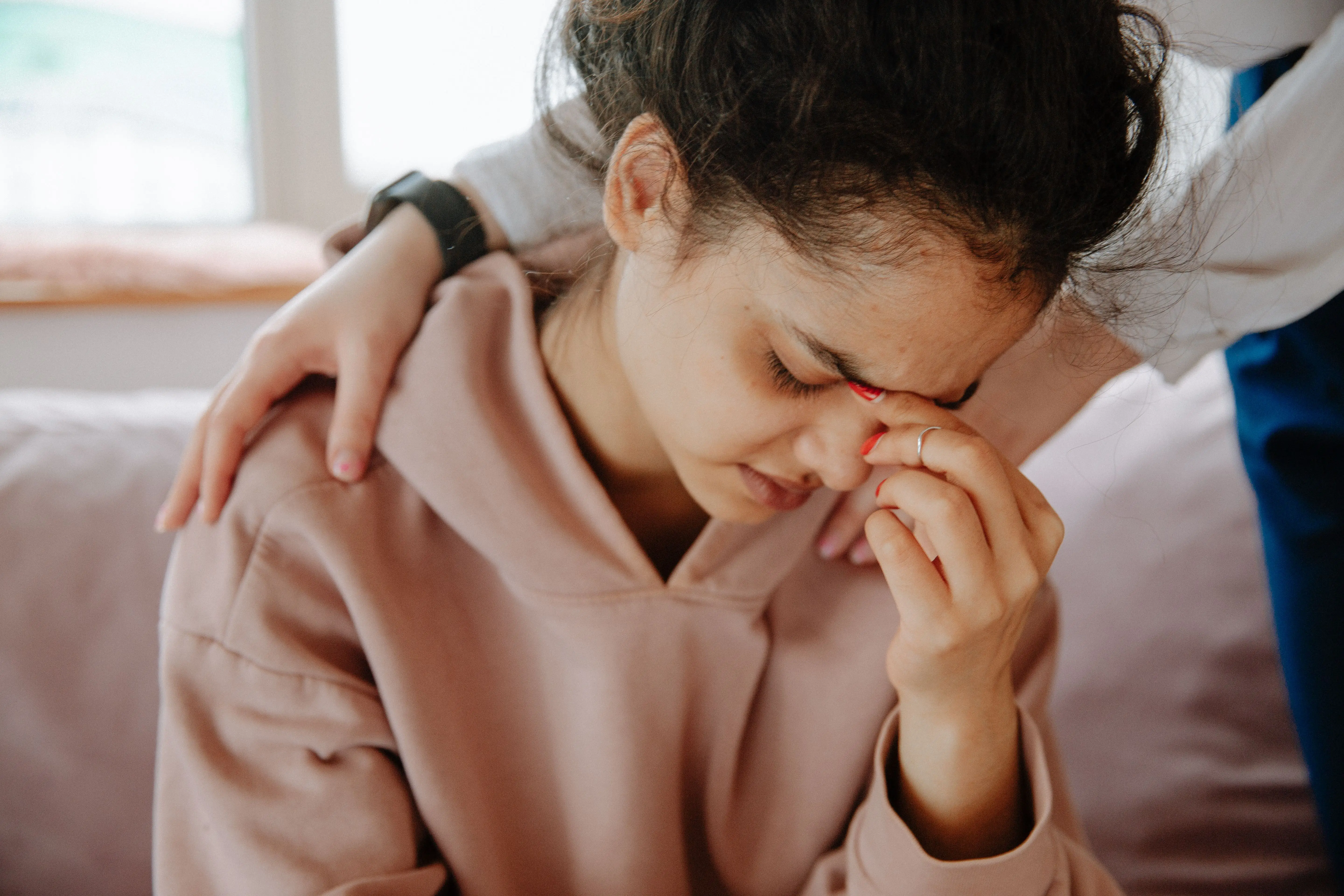
- Endometriosis is a chronic inflammatory condition in which tissue similar to the lining of the uterus is found in other parts of the body.
- An endometriosis flare-up is a period of time when your usual symptoms become worse than normal. Flare-ups can vary in how they feel and how long they last.
- Researchers don’t yet fully understand what causes endometriosis flares. Some people notice possible triggers or patterns, while others can’t identify a trigger at all.
- Tracking endometriosis symptoms over time can help you understand what your flares look like, notice any recurring patterns, and learn what helps you cope with them. This may make future flares easier to anticipate and manage.
Living with endometriosis can mean dealing with symptoms that change from day to day and month to month. There may be times when your usual symptoms become much worse than normal. Many people describe this as a flare-up or flare.
Endometriosis flare-ups can be painful, disruptive, and difficult to predict. They can also look different from person to person, including how they feel, how long they last for, and what seems to bring them on.
In this article, we’ll explore endometriosis flare-ups in more detail, getting into what they are, what they feel like, possible causes, and what you can do to better understand your flares.
Let’s get into it.
What is an endometriosis flare-up, and what does it feel like?
An endometriosis flare-up is a period of time when someone’s symptoms become worse than usual.
What a flare feels like is different for everyone. You may find that one or more of your usual endometriosis symptoms become much more intense, or that several symptoms worsen at the same time.
{{pro-tip-1}}
How long does an endometriosis flare-up last?
Flares don’t last for fixed periods of time.
Respondents in a 2026 survey reported that their flares last anywhere from a few minutes to several days. Some people experienced short flares lasting less than an hour, while others experienced flares lasting more than a day.
How long your own flares last may also vary from one episode to another.
What causes an endometriosis flare-up?
Researchers don’t yet fully understand what causes endometriosis flares, and there doesn’t appear to be one consistent set of triggers. Some people notice that their symptoms tend to worsen around particular times or after certain activities, while others can’t identify a pattern at all.
Natural hormonal fluctuations
Some people notice that their symptoms worsen at particular points in their menstrual cycle.
In a 2026 study of people with endometriosis, the menstrual cycle was the most commonly reported trigger for flares lasting more than a day. However, flare patterns varied considerably, and not everyone could identify a trigger.
Tracking your menstrual cycle alongside your symptoms over several months is a helpful way to understand if there’s a link.
Stress
Some people report that their symptoms worsen during periods of stress.
Research into the relationship between stress and endometriosis symptoms is mixed. Some studies have found an association between higher stress and greater pain, while others have not, and it isn’t clear whether stress contributes to worsening symptoms or whether difficult symptoms themselves increase stress.
If you notice that stressful periods seem to coincide with worse symptoms, keeping track of both may help you see whether this is a recurring pattern for you.
Poor sleep quality
Some people with endometriosis may notice that their symptoms feel worse after a poor night’s sleep.
Research has found links between sleep problems, pain, and quality of life in people with endometriosis, although the relationship appears to be complex.
Poor sleep may increase sensitivity to pain and contribute to fatigue, while endometriosis symptoms themselves can also make it harder to sleep. However, research hasn’t established that poor sleep directly triggers an endometriosis flare.
If you think sleep affects how you feel, tracking your sleep alongside your symptoms may help you see whether they have an effect on each other.
Food triggers
Some people find that eating particular foods affects their endometriosis symptoms. That’s why you may have heard of the “endometriosis diet." However, there is no established endometriosis diet, and research has not identified a specific eating pattern that reliably improves endometriosis symptoms.
There also isn’t a universal list of foods known to trigger endometriosis flares. Some people report that particular foods make their symptoms worse, and food can also affect gastrointestinal symptoms such as bloating and abdominal pain. For example, recent research suggests that a low-FODMAP diet may help some people with endometriosis who experience gastrointestinal symptoms.
If you think certain foods affect how you feel, keeping a record of dietary changes alongside your symptoms may help you notice recurring patterns that are relevant to you.
What to do during an endometriosis flare
You may not be able to prevent an endometriosis flare, particularly if you can’t identify what causes your symptoms to worsen.
Instead, you might focus on managing your symptoms and making a difficult stretch a little easier to cope with.
What helps will depend on your symptoms and the treatment plan you’ve developed with your healthcare provider. During a flare, this might include:
- Following your usual pain management plan, including taking pain medication as directed
- Using heat, such as a heating pad or hot water bottle, if this helps your pain
- Resting or reducing your usual activities when you need to
- Using relaxation techniques, such as deep breathing or meditation, if you find them helpful
- Asking for practical support or making adjustments to work, exercise, or other commitments when your symptoms make your usual routine difficult
It can also help to learn what your flares tend to look like over time. Keeping a record of when your symptoms become much worse, how long they stay that way, what was happening beforehand, and what helped can give you a clearer picture of your own experience.
You may find that your flares tend to happen at particular points in your menstrual cycle or after certain activities, for example. Or you may find that there isn’t an obvious pattern. Over time, your record may help you anticipate when a difficult period could be coming and remember what has helped you cope with similar flares in the past.
Collecting data over time can make living with endometriosis easier
Living with endometriosis can be challenging, especially if your symptoms feel like they come from nowhere.
Tracking your symptoms over time can help you build a clearer picture of what a flare looks like for you, including which symptoms worsen, how long they tend to last, and what, if anything, typically precedes a bad stretch.
With the Human Health app, you can record your symptoms alongside factors such as your menstrual cycle, sleep, stress, and daily activities. You may notice recurring patterns that help you prepare for difficult periods, or you may find that your flares don’t follow an obvious pattern.
Either way, having a record of how your symptoms change over time can give you and your doctor more information about your experience with endometriosis.
{{inline-cta-1}}
Frequently asked questions
How long do endometriosis flare-ups last
Endometriosis flare-ups can last anywhere from a few minutes to several days depending on the person. In some, symptoms can persist for longer.
The exact duration, severity, and type of symptoms you experience during a flare-up are specific to your condition.
What can trigger endometriosis flare-ups?
Researchers don’t yet fully understand what causes endometriosis flare-ups, and there doesn’t appear to be one consistent set of triggers. Some people notice that their symptoms tend to worsen around particular times or after certain activities, while others can’t identify a pattern at all.
In a recent study, people with endometriosis reported possible triggers including their menstrual cycle, stress, physical activity, and sexual activity.
How do you stop an endometriosis flare-up?
Currently, there is no proven way to stop an endometriosis flare once it begins. Instead, you can focus on managing your symptoms using the strategies and treatments recommended by your healthcare provider.
Keeping track of how long your flares last and what helps may also make future flares easier to manage.
Disclaimer: Human Health is a health tracking platform and does not provide medical advice, diagnosis, or treatment. The information in this guide is for educational purposes only and is not a substitute for professional medical care. Always consult your doctor or healthcare provider with questions about your health.
Sources:
- Symptom Flares in Endometriosis: Burden, Self‐Management and Barriers to Care in a Cross‐Sectional Survey (2026)
- Endometriosis (2026)
- Psychosocial factors associated with pain and health‐related quality of life in Endometriosis: A systematic review (2022)
- The relationship between sleep disturbances and endometriosis: A systematic review (2024)
- Low-FODMAP Diet for Gastrointestinal Symptoms in Endometriosis: A Systematic Review (2026)
This is a div block with a Webflow interaction that will be triggered when the heading is in the view.

Learn more

Adenomyosis vs. endometriosis: The key differences you need to know


The stages of endometriosis: What your stage means for you
.webp)
Endometriosis overview: Symptoms, early signs, and what it feels like

The endometriosis diet: What the research says and why your experience matters

Endometriosis pain locations: Where it hurts and why
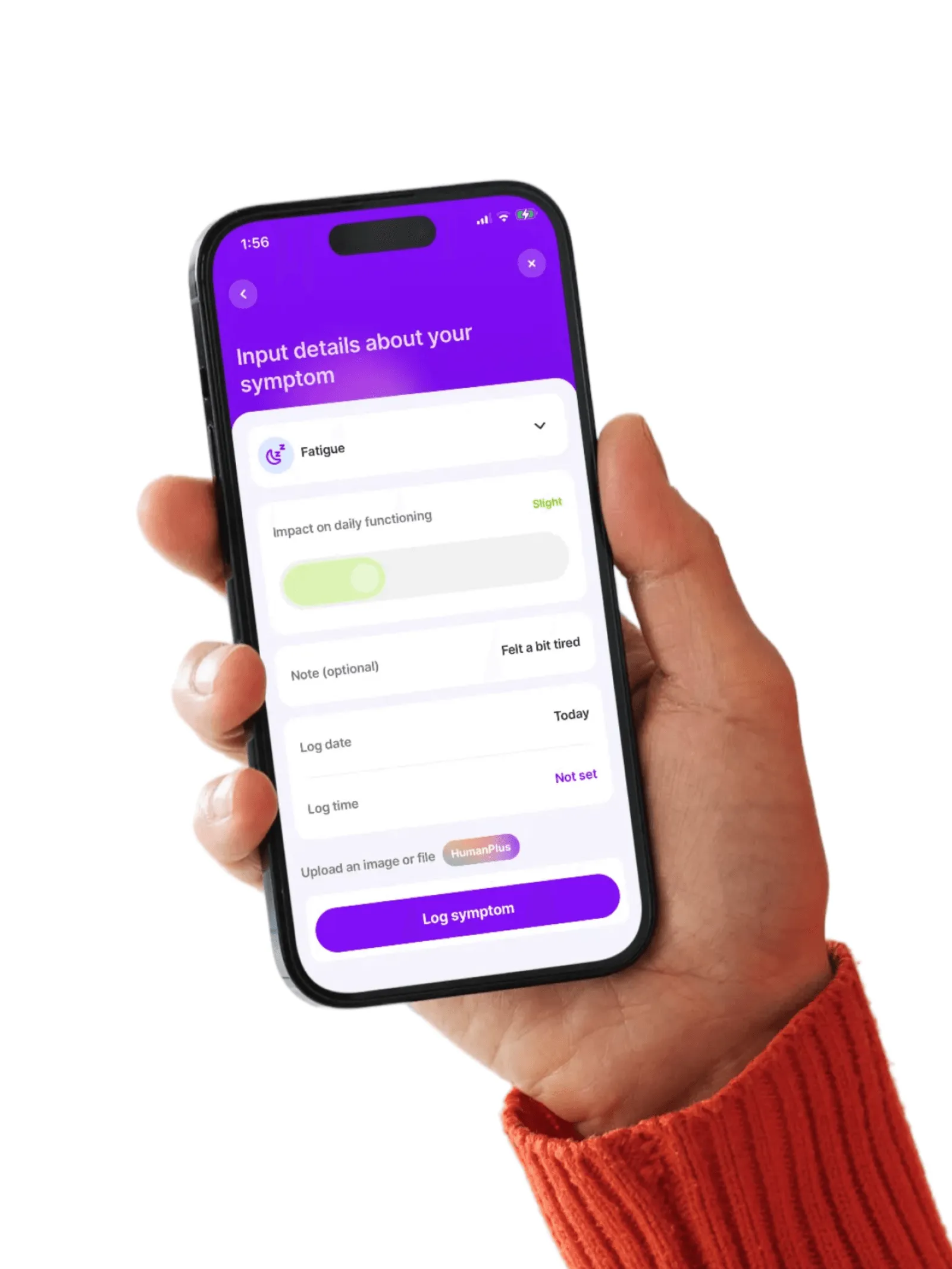
Track your flare-ups using the app
Recording your symptoms, menstrual cycle, sleep, stress, and diet makes it easier to identify possible patterns and triggers over time.


Pro tip
You can’t always prevent a flare, but by tracking possible triggers, like stress, poor sleep, or certain foods, you can start to make sense of what’s going on.
.png)


