Endometriosis treatment: Your options explained

September 14, 2026
- Endometriosis is a condition in which tissue similar to the lining of the uterus is found in other parts of the body, often on the ovaries and in the fallopian tubes. The condition can cause pelvic pain and a range of other symptoms, which can vary considerably from person to person.
- Endometriosis treatment can include pain relief, hormone therapy, surgery, and supportive approaches. There’s no single treatment that works best for everyone, so finding the right approach may involve some trial and error.
- Keeping a record of your symptoms as you try different treatments can help you understand how things change over time and give you useful information to discuss with your doctor.
Living with endometriosis can have a significant impact on your daily life. There’s currently no cure for the condition, so treatment focuses on managing pain and other symptoms, improving quality of life, and, where relevant, addressing fertility concerns.
Endometriosis treatment options can feel overwhelming, particularly when no single approach works best for everyone. Finding what works for you can take time and may involve some trial and error.
In this article, we dive deep into the different approaches to treating and managing endometriosis, giving you important context to discuss them with your care team.
Here’s what you need to know.
What is endometriosis?
Endometriosis is a chronic inflammatory condition characterized by the growth of tissue similar to the lining of the uterus in other areas of the body.
The endometrium is the innermost layer of the uterus that sheds and regenerates as part of the menstrual cycle. When endometrial-like cells grow outside the uterus, they still follow the same shedding and regeneration cycle, causing symptoms.
Endometriosis tissue most commonly grows on the ovaries, fallopian tubes, and the lining of the abdominal cavity, although it can also grow in the rectum, bowel, bladder, vagina, or cervix.
Every person with endometriosis experiences the condition differently, but common symptoms include:
- Severe pelvic pain, often at the same time as your period
- Severe menstrual cramps
- Heavy bleeding during menstruation
- Spotting or irregular bleeding between periods
- Pain during or after sexual intercourse
- Pain with bowel movements or urinating during your period
- Indigestion
- Fatigue
- Bloating or distension during your period (endo belly)
- Difficulty getting pregnant or infertility
Your options for managing endometriosis
Endometriosis treatment isn’t one-size-fits-all. What works for one person might not work for you, and treatment plans often need to be adjusted over time to fine-tune to your particular needs.
Endometriosis treatment is also continually evolving as new research is carried out, so it’s worth discussing your options with your doctor even if you’ve tried treatments in the past.
When discussing your treatment options, your doctor will consider your individual circumstances and treatment goals, including:
- Your age
- Your medical history
- How severe your symptoms are
- Whether you want to become pregnant in the future
Important note: Not every treatment for endometriosis works for everyone, and finding the right approach can take time. Knowing this from the start can make it easier to assess each treatment based on how it affects you. Keeping a symptom journal gives you a record of any changes to discuss with your doctor.
Treatments for endometriosis pain
Endometriosis can cause different types of pain, including severe period cramps, ongoing pelvic pain, and pain during sex, bowel movements, or urination. The frequency and severity of pain vary from person to person, and it doesn’t necessarily reflect the stage of your endometriosis.
Pain medications can be a helpful part of your endometriosis treatment plan, although they don’t treat endometriosis lesions themselves. Common options include non-steroidal anti-inflammatory drugs (NSAIDs), like ibuprofen (Advil®), naproxen (Aleve®), and aspirin.
Important: If you’re regularly relying on pain medication or it isn’t giving you enough relief, be sure to discuss this with your doctor.
Other approaches can also be useful alongside pain medication:
- Applying heat to your abdomen during a flare-up to help relax tight muscles
- Gentle movement, such as yoga or tai chi
- Breathing exercises or meditation
What works is personal, and research into many of these approaches specifically for endometriosis pain is still developing.
Hormone treatment for endometriosis
Because endometriosis is influenced by hormones, particularly estrogen, hormone treatment may be one of the first options your doctor discusses with you.
Hormone treatments work in different ways to change or suppress the hormones involved in the menstrual cycle. This can slow the growth and activity of endometriosis lesions and help reduce pain and other symptoms.
Hormonal treatments for endometriosis are available in different forms, including pills, injections, nasal sprays, and intrauterine devices (IUDs).
Examples of hormonal treatments include:
- Birth control pills: Oral contraceptives make a person’s period lighter, shorter, and more predictable, which may help reduce endometriosis-related period pain. Some people take them continuously, skipping the inactive pills, to reduce or stop their periods and associated symptoms.
- Progesterone and progestin: Taken as a pill or injection, or delivered through an IUD, these hormones can reduce or stop periods and help relieve endometriosis pain and other symptoms.
- Gonadotropin-releasing hormone (GnRH) medicines: These medications suppress the hormones involved in ovulation and menstruation, creating a temporary menopause-like state. Elagolix (Orilissa®) is a GnRH medication that is FDA-approved for endometriosis.
- Danazol: Also known as Danocrine®, this medication stops the release of menstrual cycle hormones, slowing or stopping the cycle altogether. It is now less common because newer treatments are available and it can cause significant side effects.
Combined hormonal contraceptives and progestins are commonly used as first-line hormone treatments. Other medications, such as GnRH agonists and antagonists, may be considered if these treatments don’t provide enough relief or aren’t suitable for you.
Important note: Hormone treatments can cause side effects, which vary depending on the medication and the person taking it. Ask your doctor what side effects you might expect, and let them know if you experience any that concern you.
Surgery for endometriosis
Laparoscopic endometriosis surgery is a minimally invasive procedure that aims to remove or destroy areas of endometriosis.
It may be considered when other treatments haven’t provided enough relief or depending on factors such as your symptoms, fertility goals, and the location and extent of the endometriosis.
There are no hard and fast rules about who should have surgery, and whether it’s appropriate for you will depend on your individual circumstances.
Here’s a breakdown of what laparoscopic surgery usually involves:
- The surgery is carried out under general anesthesia, so you’ll be asleep while it’s happening.
- Your doctor will make small incisions in your abdomen and at your belly button. They will insert long surgical tools, including a camera, to visualize the abdominal cavity. They will also fill your abdomen with air to make things easier to see.
- Once your surgeon has identified the endometriosis lesions, they will either burn them (ablation) or cut out the affected tissue (excision).
Recovery varies from person to person, but it can take several weeks to fully return to your usual activities after laparoscopic surgery.
{{pro-tip-1}}
Supportive approaches for managing endometriosis
Alongside medical treatment, some people with endometriosis find supportive approaches useful for managing pain and the wider impact of the condition. These may include:
- Making dietary changes: Some people find that particular foods or dietary changes affect their symptoms and may choose to adjust what they eat as a result. You may see particular approaches described as an “endometriosis diet” or “endo diet,” although there is currently no specific diet proven to treat endometriosis. The link between diet and endometriosis is still being researched.
- Working with a pelvic floor physiotherapist: Physiotherapy can help some people manage endometriosis-related pelvic pain. Your physical therapist can recommend exercises and other techniques based on where you feel pain and how it affects you.
- Speaking with a therapist: Living with chronic pain, fertility concerns, and ongoing treatment can take a toll on your mental health. Therapy can give you space to work through the emotional impact of endometriosis.
Figuring out what treatment works for you will take time
There’s no single treatment that works for everyone with endometriosis, and options are constantly evolving as researchers learn more about the condition.
Finding something that works for you will probably involve trial and error and consultations with your medical team.
Using the Human Health app, you can keep a record of your symptoms and how they change over time, including before, during, and after different treatments.
Whether you’re trying a new medication, recovering from surgery, or making changes to how you manage your symptoms day to day, having that record can make it easier to look back on your experience and discuss how things are going with your doctor.
{{inline-cta-1}}
Frequently asked questions
Is endometriosis serious?
Yes, endometriosis is a serious, chronic health condition that can cause severe pelvic pain, among many other symptoms. Living with the condition can significantly impact your quality of life.
Unfortunately, many people live with the condition undiagnosed for years, delaying access to treatment. Understanding and tracking your symptoms can help you communicate what you’re experiencing and advocate for appropriate care.
What is the best treatment for endometriosis?
There isn’t one treatment that works best for everyone. The right approach depends on your symptoms, fertility goals, medical history, and how you respond to treatment.
You may get the best results from medication, surgery, dietary changes, supportive care, or a combination of approaches.
Does endometriosis get worse with age?
Endometriosis doesn’t necessarily get worse as you get older. How the condition changes over time varies from person to person.
A recent study found that endometriosis severity appeared to plateau with age, although surgery tended to become more complex, potentially because of changes such as scarring and adhesions.
Symptoms can also change over time and may improve after menopause, although endometriosis can remain active and cause symptoms after menopause.
Is there a cure for endometriosis?
Unfortunately, there is no cure for endometriosis. Treatment primarily aims to ease symptoms and make living with the condition easier.
Disclaimer: Human Health is a health tracking platform and does not provide medical advice, diagnosis, or treatment. The information in this guide is for educational purposes only and is not a substitute for professional medical care. Always consult your doctor or healthcare provider with questions about your health.
Sources:
- Endometriosis, StatPearls (2026)
- What are the symptoms of endometriosis?, Eunice Kennedy Shriver National Institute of Child Health and Human Development
- Current developments in endometriosis-associated pain (2024)
- Endometriosis, an Ongoing Pain—Step-by-Step Treatment (2024)
- Nutrition in the prevention and treatment of endometriosis: A review (2023)
- Hormonal Treatment of Endometriosis: A Narrative Review (2025)
- What are the treatments for endometriosis? Eunice Kennedy Shriver National Institute of Child Health and Human Development
- Danazol, The National Library of Medicine National Center for Biotechnology Information
- What are the treatments for endometriosis? Eunice Kennedy Shriver National Institute of Child Health and Human Development
- Physiotherapy for endometriosis-associated pelvic pain: a systematic review and meta-analysis (2025)
- Endometriosis Surgery Becomes More Complex With Older Age Despite Plateauing Severity, Study Finds (2026)
This is a div block with a Webflow interaction that will be triggered when the heading is in the view.

Learn more

Adenomyosis vs. endometriosis: The key differences you need to know


The stages of endometriosis: What your stage means for you
.webp)
Endometriosis overview: Symptoms, early signs, and what it feels like
Endometriosis flare-ups: Potential triggers and how long they last

The endometriosis diet: What the research says and why your experience matters
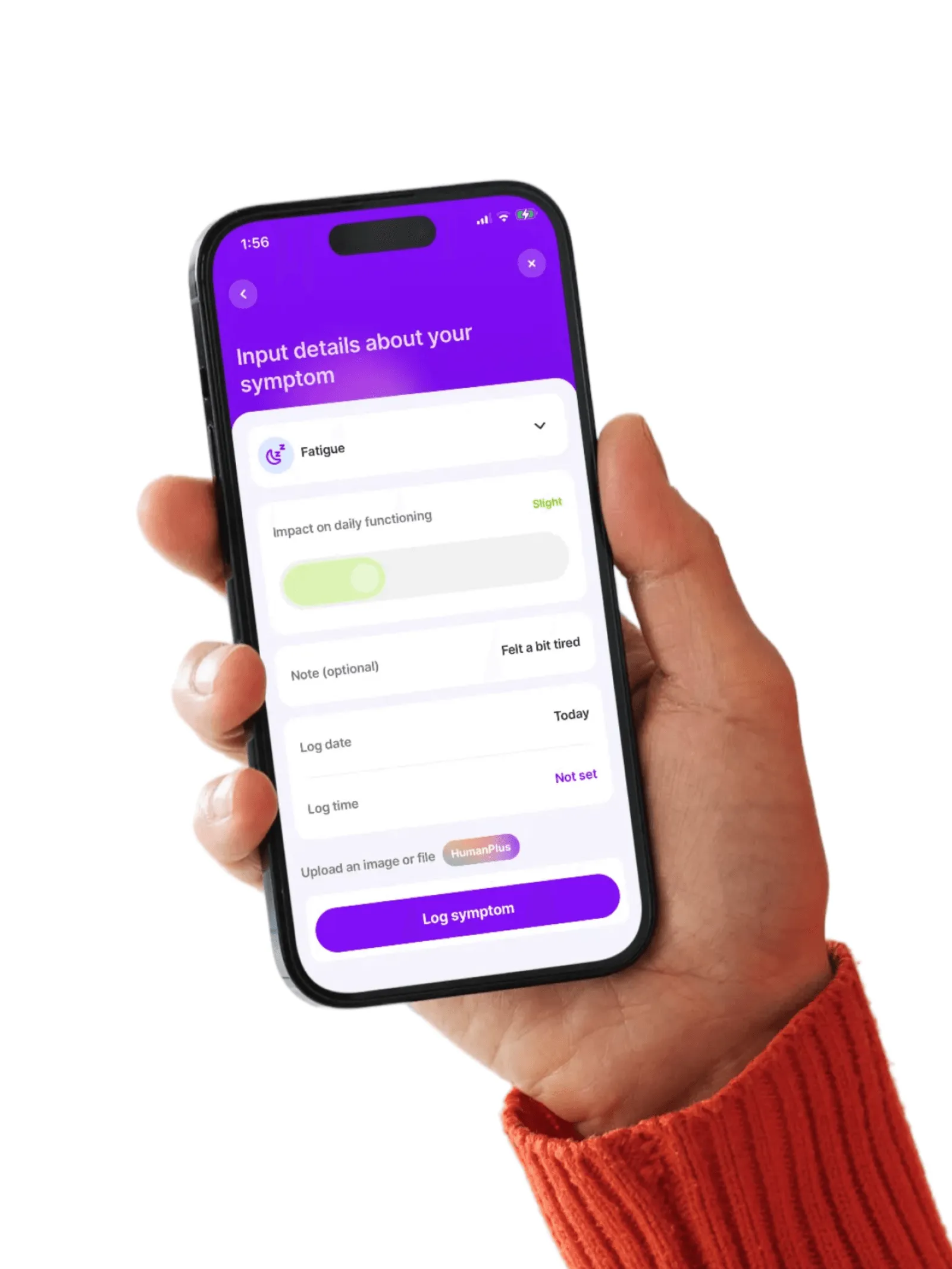
Track how your symptoms change over time
As you try different approaches to managing endometriosis, use Human Health to keep a record of your symptoms and how they change over time. This can give you useful information to look back on and discuss with your doctor.


Pro tip
Endometriosis symptoms and lesions can return after surgery. Tracking how you feel during recovery and over time can give you a clearer picture of your post-surgery baseline and make it easier to notice if symptoms begin to return.
.png)


