Endometriosis overview: Symptoms, early signs, and what it feels like

October 1, 2026
.webp)
- Endometriosis is a complex chronic inflammatory condition that can cause debilitating symptoms, including pelvic pain. It occurs when tissue similar to the lining of the uterus grows in other parts of the body.
- The condition is still not well-understood, and some people live with symptoms for years before getting an accurate diagnosis.
- Endometriosis affects everyone differently. Symptoms and their severity can vary widely, and there are many factors that can shape someone’s experience of the condition, from where endometriosis is located to how symptoms change over time.
- Endometriosis is more than “just a bad period.” If your symptoms are affecting your daily life, speak to your doctor. A detailed symptom journal can be helpful to refer back to in medical appointments.
Endometriosis is a painful and often debilitating condition, and yet many people spend years living with symptoms without an accurate diagnosis.
If you’ve ever wondered whether your period pain is “normal” or whether the symptoms you’re experiencing are significant enough to speak to a doctor about, that uncertainty can make it difficult to know what to do next.
In this article, we’ll explore what endometriosis can actually feel like, the symptoms to be aware of, and how it can differ from a “bad period,” so you have a better idea of whether it’s worth speaking to a doctor.
Here’s what you need to know.
What is endometriosis? More than “just a bad period”
Most people who menstruate are used to experiencing some discomfort during their period. Cramps, bloating, muscle pain, and fatigue are all common, so it can be difficult to know when those symptoms are no longer part of a “typical” period and might instead be a sign of an underlying condition such as endometriosis.
Because of this uncertainty, many people delay speaking to a doctor or assume their symptoms aren’t serious enough to seek help. Others do seek medical advice but have their concerns dismissed or are told that severe period pain is simply something they have to live with.
You might find yourself planning your schedule around your menstrual cycle, avoiding activities, missing work or school, canceling plans, or changing your daily routine because of pain. If this sounds familiar, it’s worth speaking to a doctor about endometriosis.
Endometriosis is a chronic inflammatory condition where tissue similar to the lining of the uterus grows in other places. These growths, known as lesions, can cause inflammation and scar tissue to develop, contributing to pain and other symptoms.
It most commonly affects:
- The ovaries
- Fallopian tubes
- Tissues that support the uterus
- The outer surface of the uterus
This tissue may also grow in other areas, including the rectum, bowel, bladder, vagina, or cervix.
What does endometriosis feel like?
Symptoms of endometriosis often include:
- Pelvic pain, which often coincides with your period
- Painful menstrual cramps
- Pain during or after sexual intercourse
- Pain with bowel movements or urination during your period
- Heavy bleeding during menstruation
- Spotting or irregular bleeding between periods
- Indigestion
- Fatigue
- Bloating or distension during your period, sometimes called endo belly
- Difficulties getting pregnant or infertility
Endometriosis pain is most commonly felt in the pelvis and lower abdomen, but it can also affect areas such as the lower back, bowel, or bladder. Where you feel pain doesn’t necessarily tell you where endometriosis lesions are located, and the location of pain can vary from person to person.
Pain and other symptoms can also vary in intensity over time. Some people experience periods when their symptoms become much worse than usual, sometimes referred to as endometriosis flare-ups.
While these symptoms help doctors recognize endometriosis, they don’t always capture what living with the condition actually feels like.
People describe endometriosis pain in many different ways. “Burning,” “sharp, stabbing,” “a deep, pulsating cramp,” or “like having a big heavy rock in your belly,” are just some examples.
Ultimately, pain is deeply personal and can be difficult to describe, especially if it changes throughout your menstrual cycle.
{{pro-tip-1}}
What causes endometriosis, and who is at risk?
The exact cause of endometriosis is not well understood.
Research suggests that it is a complex condition involving a combination of genetic, hormonal, immune, and environmental factors rather than a single cause.
Genetics appear to play an important role. A large genetic study published in 2026 identified 80 regions of the genome associated with endometriosis risk, adding to evidence that some people have a greater genetic susceptibility to the condition.
However, genetics are only part of the picture. You may have increased risk if you:
- Have a family member with endometriosis
- Have been diagnosed with abnormal uterine anatomy
- Started menstruation before the age of 11
- Have a shorter menstrual cycle (fewer than 27 days per cycle)
- Have heavy menstrual periods that last for more than seven days
Having one or more of these risk factors does not mean that you will develop endometriosis, and you can develop the condition without having any of them.
At what age can you develop endometriosis?
Endometriosis symptoms often begin during adolescence, after periods start, although they can develop at any time during the reproductive years.
Symptoms may improve after menopause as estrogen levels decline, but endometriosis can persist and continue to cause symptoms after menopause.
How endometriosis is diagnosed
Historically, diagnosing endometriosis often relied on laparoscopic surgery. However, clinicians can increasingly diagnose the condition using a combination of symptoms, a physical examination, and imaging—although surgery is still recommended in some situations.
This emphasis on symptoms is why keeping a symptom journal and bringing it to your doctor’s appointment is so helpful. It can be tricky to remember symptoms after they have passed, and you might find them difficult to describe. Symptom tracking helps you keep track of everything and ensure nothing important is missed or passed over in your appointment.
It can also be useful to refer to your symptom journal when your doctor asks you questions about what you have been experiencing. These questions might include:
- How long have you been experiencing pain with your period?
- How severe is your pain?
- Where in the body do you feel pain?
- Does your pain interfere with your daily activities?
- Does your pain get worse during your period?
- How old were you when you had your first period?
- Does anything help manage your pain?
If your doctor suspects you may have endometriosis, they may recommend one or more of the following tests to help build a clearer picture. Not everyone will need every test.
Pelvic exam
During a pelvic exam, your doctor will feel areas of your pelvis to check for atypical tissues.
Using one or two gloved fingers, they will feel for things like cysts, abnormal tissue, or areas causing you pain.
This procedure can be uncomfortable for some and does not definitively diagnose endometriosis.
Ultrasound
Internal (transvaginal) and external (pressed onto the stomach) ultrasounds can create images of the inside of your pelvic cavity. An ultrasound cannot diagnose endometriosis on its own, but it can detect some signs of the condition and rule out other possible causes of your symptoms.
Magnetic resonance imaging (MRI)
An MRI can provide detailed images of organs in the pelvic area. It may be recommended if an ultrasound doesn’t provide enough information or if your doctor suspects more extensive endometriosis.
While an MRI can identify signs of endometriosis in some people, a normal MRI doesn’t rule the condition out.
Laparoscopic (minimally invasive) exploratory surgery
Although not everyone with suspected endometriosis will need surgery, laparoscopy may be recommended when the diagnosis remains uncertain, symptoms are severe, or surgery is also being considered as a treatment option.
During this procedure, the surgeon will make small incisions in your belly button and abdomen, then insert surgical instruments to examine your pelvic and abdominal organs.
Assessing the extent of the endometriosis enables your surgeon to determine its stage.
If endometriosis is found, tissue samples (biopsies) may be taken to help confirm the diagnosis.
How is endometriosis treated?
There is no cure for endometriosis currently, but treatment can help reduce symptoms and improve your quality of life.
Your treatment plan will depend on factors such as your symptoms, whether you’re planning a pregnancy, and your personal preferences.
Your doctor may recommend pain relief, hormonal treatments, surgery, or a combination of these approaches. Together, you can discuss the potential benefits and risks of each option and decide which approach best fits your symptoms, goals, and lifestyle.
Endometriosis pain is not “normal”
Living with severe period pain can make it difficult to know what’s normal, especially if you’ve experienced it for years or have been told it’s simply part of menstruation.
However, if your symptoms are affecting your daily life, they deserve to be taken seriously.
Endometriosis symptoms can seem hard to describe or easy to dismiss. Writing them down as they happen gives you something concrete to point to later. A symptom journal can help you identify patterns, remember important details, and have more productive conversations with your doctor.
Using the Human Health app, you can track symptoms such as pain, bleeding, fatigue, and other changes over time, creating a record you can refer back to or share with your doctor when you’re ready.
{{inline-cta-1}}
Frequently asked questions
How do I know if I have endometriosis?
Symptoms that may be associated with endometriosis include severe period pain, chronic pelvic pain, pain during or after sex, and pain with bowel movements or urination around your period. However, symptoms vary widely from person to person, and these symptoms can also have other causes.
If you’re experiencing persistent or severe symptoms, particularly if they’re affecting your daily life, speak to your doctor.
Is endometriosis a rare condition?
Endometriosis is not rare. It affects an estimated 190 million people worldwide—equivalent to around 10% of women and girls of reproductive age.
However, many people with endometriosis remain undiagnosed, so the true number of people living with the condition may be difficult to determine.
Can endometriosis cause infertility?
Endometriosis can make it more difficult to become pregnant for some people. However, many people with the condition can become pregnant with or without medical support.
If you have symptoms of endometriosis and are planning a pregnancy, speak to your doctor. Early assessment can help you understand your options and access appropriate treatment if needed.
Disclaimer: Human Health is a health tracking platform and does not provide medical advice, diagnosis, or treatment. The information in this guide is for educational purposes only and is not a substitute for professional medical care. Always consult your doctor or healthcare provider with questions about your health.
Sources:
- Endometriosis, StatPearls (2026)
- Endometriosis, Office on Women’s Health
- Endometriosis stories, The Endometriosis Foundation of America
- Genetics of endometriosis (2016)
- Multi-ancestry genome-wide association and integrated multi-omics analyses of endometriosis and its clinical manifestations (2026)
- What are the risk factors for endometriosis? Eunice Kennedy Shriver National Institute of Child Health and Human Development
- Endometriosis in Menopausal Women—A New Age Is Coming? Literature Review (2024)
- ACOG Publishes New Endometriosis Clinical Guidance, Aiming to Shorten Time to Diagnosis and Improve Access to Care (2026)
- New endometriosis guidelines: A smoother path to effective treatment (2026)
- MRI in the Diagnosis of Endometriosis and Related Diseases (2022)
- Endometriosis: Epidemiology, Diagnosis and Clinical Management (2018)
- Endometriosis, The World Health Organization
- Endometriosis and infertility: pathophysiology, treatment strategies, and reproductive outcomes (2025)
This is a div block with a Webflow interaction that will be triggered when the heading is in the view.

Learn more
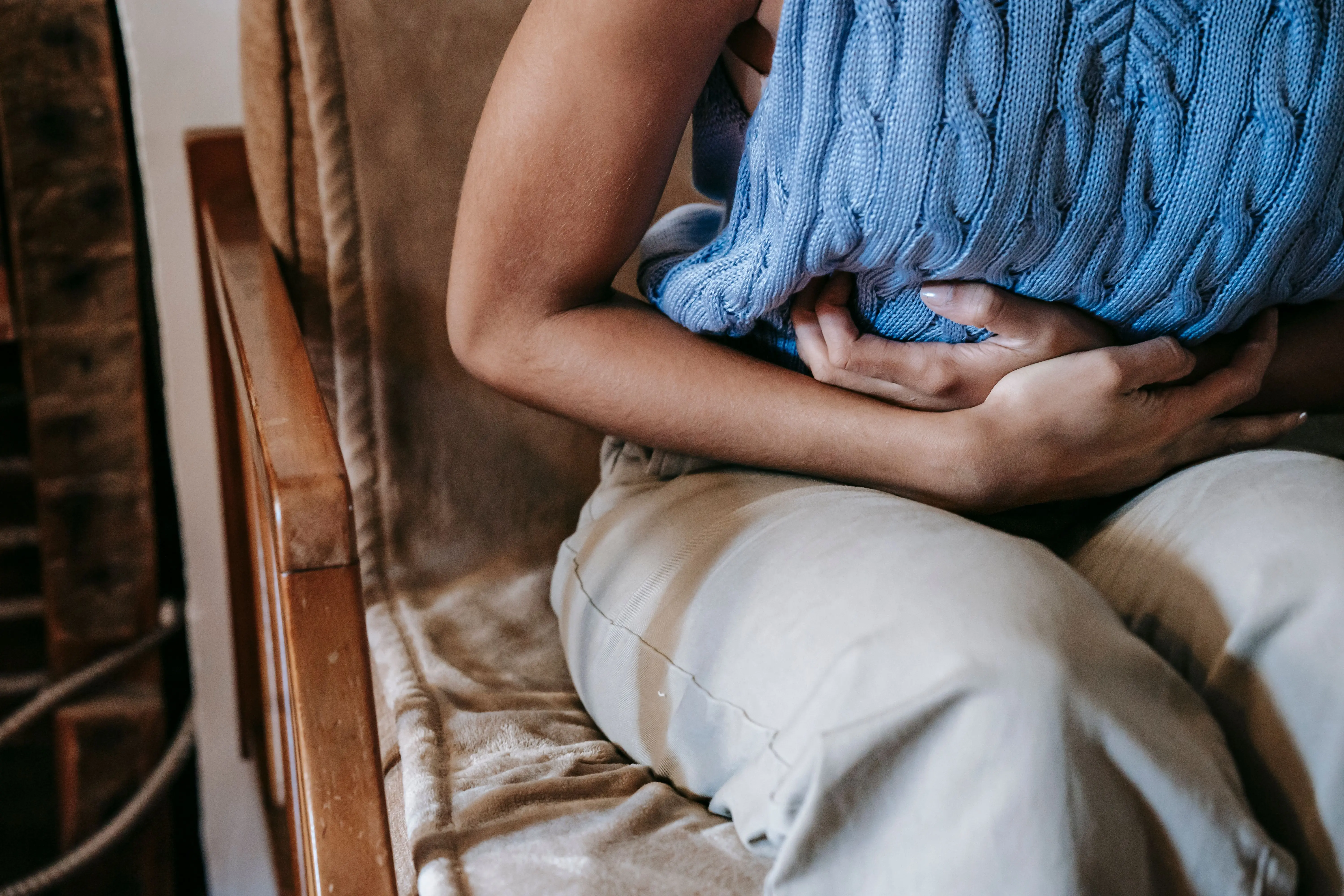
Bowel endometriosis: Common symptoms and how it overlaps with IBS

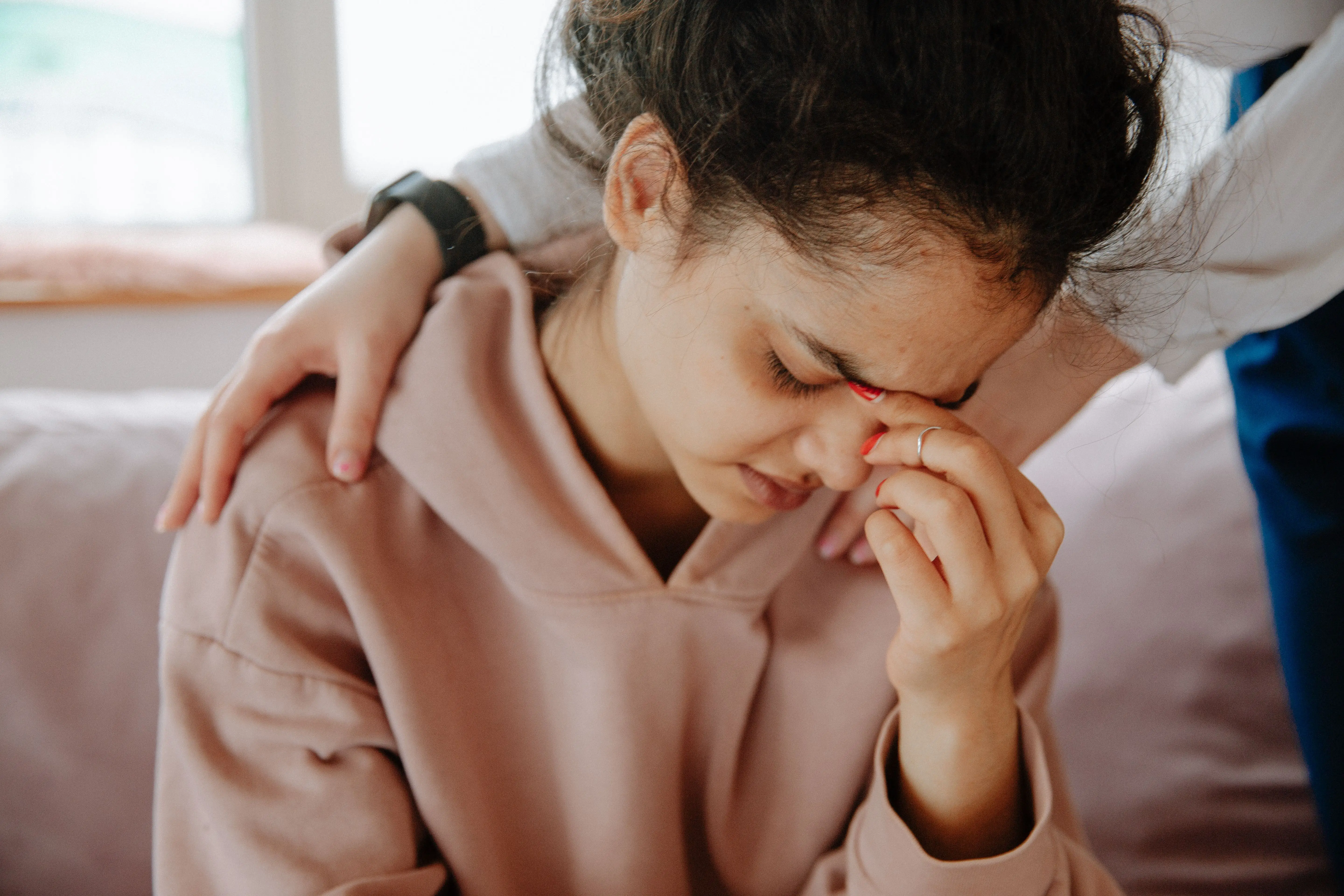
Endometriosis flare-ups: Potential triggers and how long they last
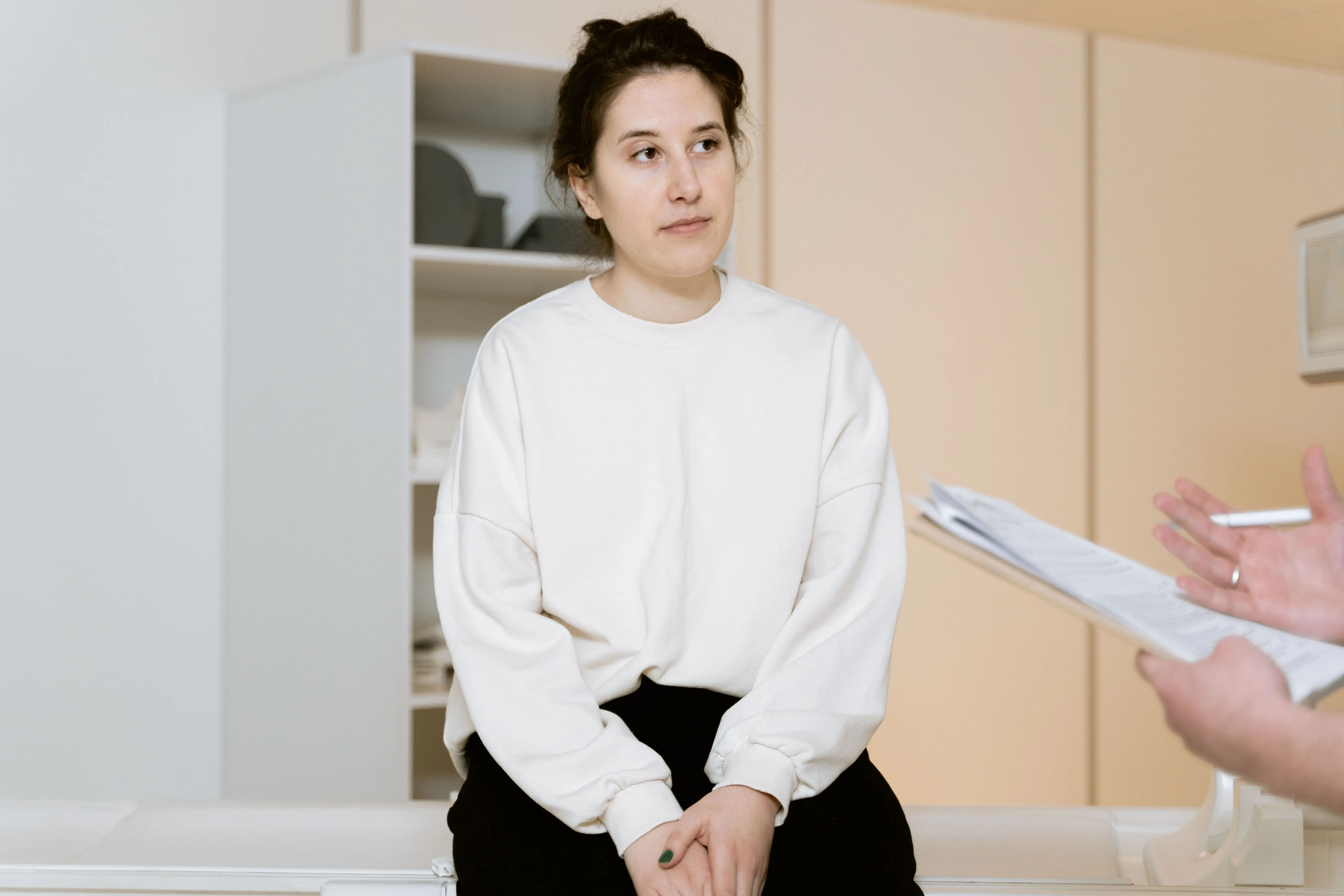
Endometriosis clinical trials and research: How to get involved
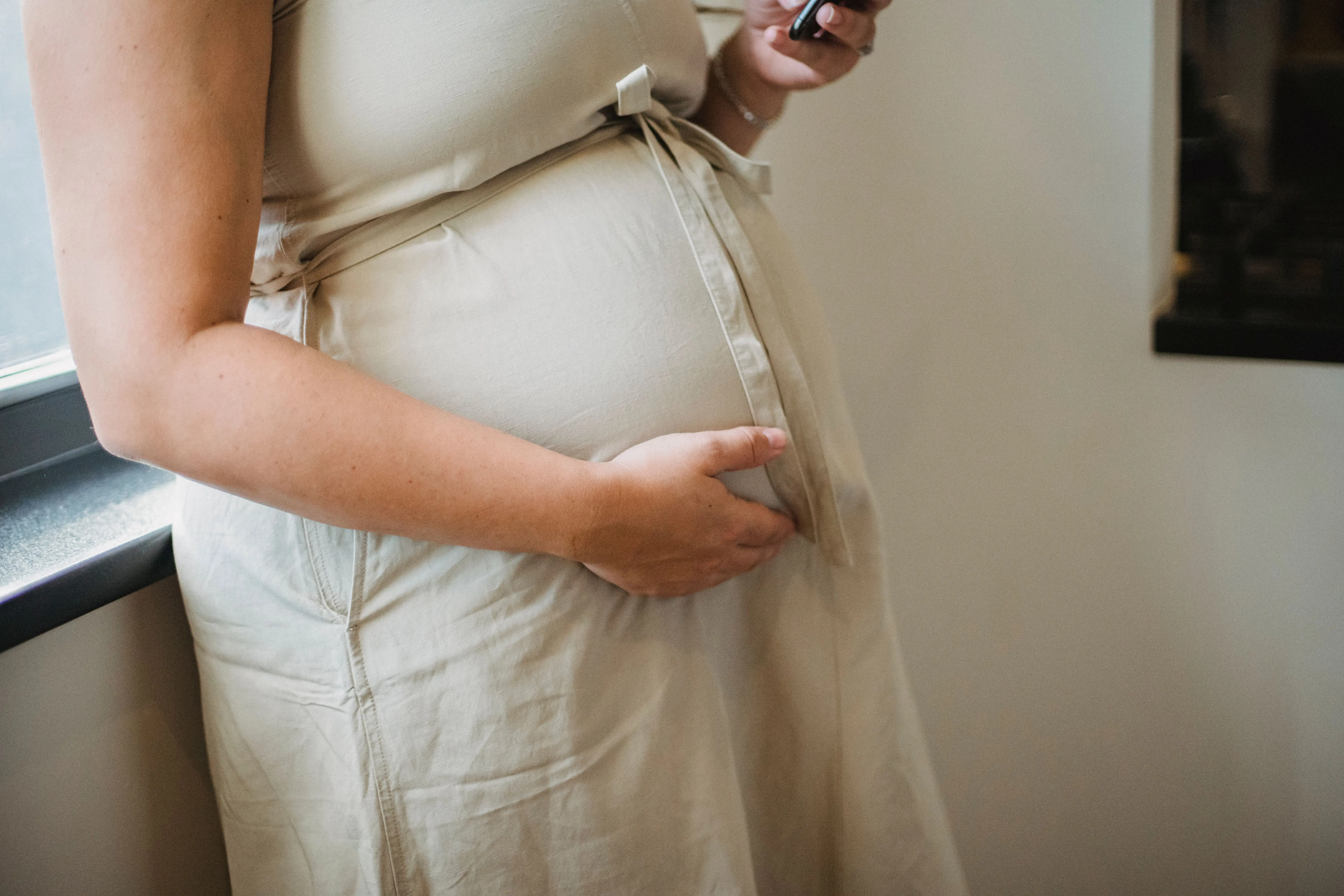
Can you get pregnant with endometriosis? Understanding how the condition affects fertility
How endometriosis is diagnosed: What you need to know
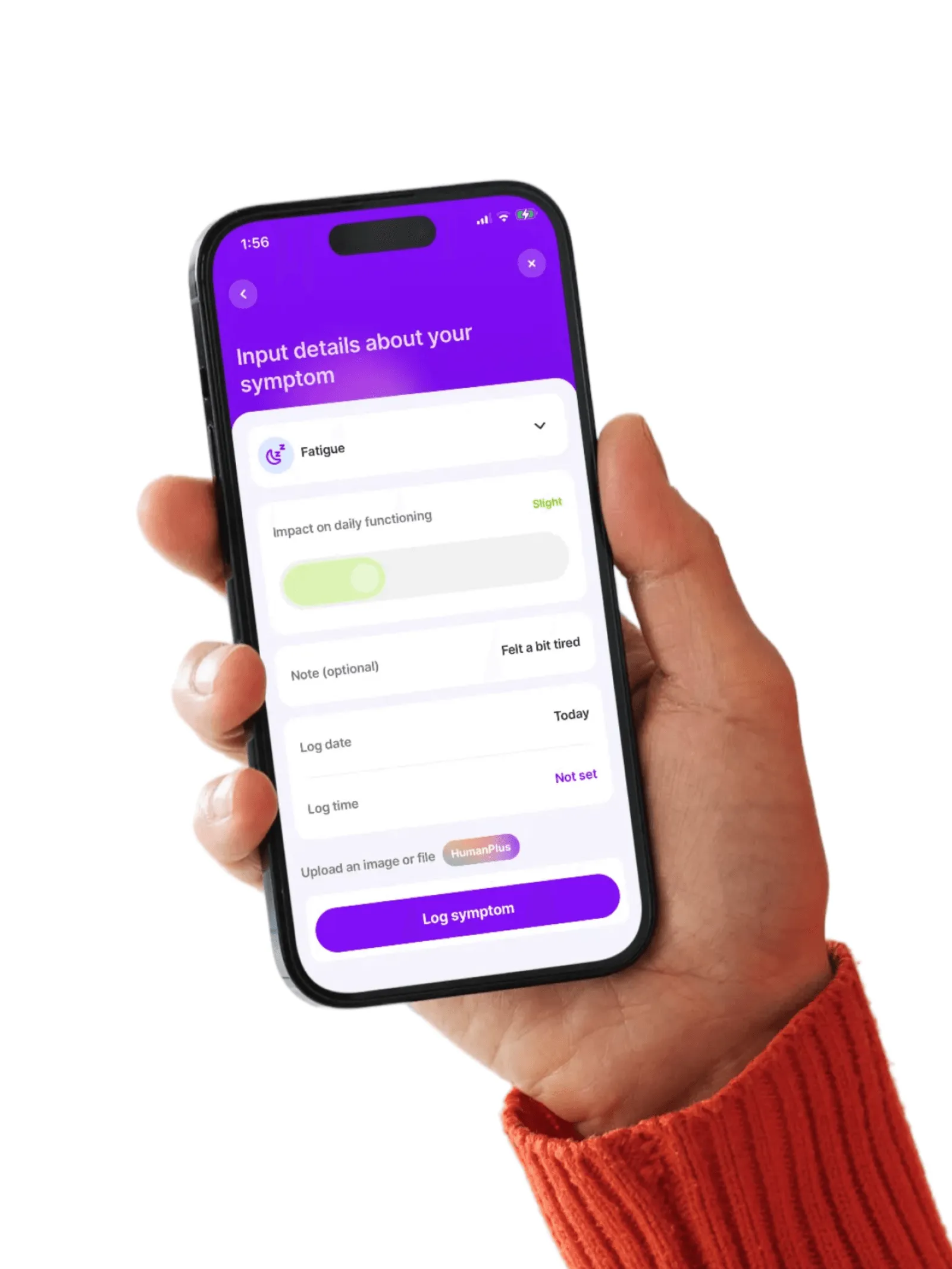
Make your symptoms easier to explain
Track your symptoms with the Human Health app so you have something concrete to refer back to and share with your doctor.


Pro tip
There’s no “correct” way to describe pain. If a particular comparison or phrase captures what you’re experiencing, use it. Recording your symptoms as they happen can also help you describe them more accurately during medical appointments.
.png)


