Endometriosis pain locations: Where it hurts and why

September 14, 2026

- Endometriosis is an inflammatory condition in which tissue similar to the lining of the uterus grows in other areas of the body. This can cause pain and other symptoms.
- Pain is commonly felt in the pelvis and lower abdomen, but can also affect areas such as the lower back, hips, and legs. Some people experience pain when they go to the toilet.
- Endometriosis pain varies from person to person, and where you feel pain doesn’t necessarily correspond to where endometriosis lesions are located.
- By tracking where you feel pain, you can start building a pain map. You can then share this information with your doctor so they get a clearer picture of your condition.
Living with pain is exhausting and frustrating, especially when it’s difficult to explain exactly where it hurts or remember the details after the pain has passed.
Endometriosis pain can be dismissed as typical period pain or attributed to other causes, particularly when it shows up in less expected places. Many people spend years looking for answers before endometriosis is considered.
Endometriosis can cause pain in different areas of the body, and where you feel it doesn’t always match up with where endometriosis lesions are located. In this article, we explore the common locations of endometriosis pain, why pain can occur in different areas, and what its location may and may not tell you.
Here’s what you need to know.
Where is endometriosis pain felt? Your endometriosis pain map
In people with endometriosis, tissue similar to the lining of the uterus is found in other areas of the body, commonly on the ovaries, fallopian tubes, and the area surrounding the uterus. In some cases, lesions can also be found on the rectum, bowel, bladder, vagina, or cervix.
People with endometriosis experience pain in different parts of the body. Where you feel pain doesn’t necessarily tell you where endometriosis lesions are located. Endometriosis pain is complex, and people can experience pain in areas without lesions.
Here’s a breakdown of the most common locations where endometriosis pain is felt and some of the possible reasons for it:
Pelvic and lower abdominal pain
Pelvic pain is one of the main symptoms of endometriosis. It can take different forms, including:
- Chronic pelvic pain, which persists or recurs over time
- Dysmenorrhea, also known as severe and debilitating menstrual cramping
- Dyspareunia, a recurring or persistent pain before, during, or after sexual intercourse
The exact location and sensation of pelvic pain differ from person to person. Some people describe a dull ache across the pelvis, while others experience sharper or more localized pain in the lower abdomen or deep within the pelvis.
Lower abdominal pain may also occur alongside bloating and abdominal distension, sometimes referred to as endo belly. This can cause feelings of pressure, tightness, or discomfort in the abdomen.
Pelvic or abdominal pain can worsen during ovulation and menstruation, but some people experience consistent pain regardless of the phase of their cycle they are in.
Important note: Pain may be felt more strongly on one side of the pelvis or lower abdomen. However, where you feel pain doesn’t necessarily correspond to where lesions are located, so right- or left-sided endometriosis pain alone can’t pinpoint the location of lesions.
Lower back pain
Some people with endometriosis experience pain in the lower back. This may occur alongside pelvic pain, or it may last for longer.
Leg, buttocks, and hip pain
Some people with endometriosis experience pain in the hips, buttocks, or legs.
Leg pain can affect one or both legs and may get worse around menstruation.
In rare cases, endometriosis can directly affect the sciatic nerve. Sciatic endometriosis can cause a sharp, zing-like pain that starts in the hip or buttocks, then travels down the leg, which may initially worsen around menstruation but can become more constant over time. Some people also develop symptoms such as numbness or muscle weakness.
Pain during bowel movements
Endometriosis can grow on the bowel. This is known as bowel endometriosis. It most commonly affects the rectum and sigmoid colon and can cause symptoms such as pain during bowel movements, constipation, and diarrhea.
Bowel symptoms don’t necessarily mean that endometriosis is growing on the bowel. Endometriosis commonly overlaps with other conditions that cause abdominal and bowel symptoms, including irritable bowel syndrome (IBS), and it’s possible to have both conditions.
Referred and thoracic pain
Thoracic endometriosis syndrome (TES) is a rare condition characterized by endometriosis lesions on the diaphragm and tissues of the lungs.
While it is possible for TES to be asymptomatic, some people with the condition experience pain in the tip of their right shoulder, upper chest, and abdomen, alongside difficulty breathing.
{{pro-tip-1}}
Build a clearer picture of your endometriosis pain
One of the primary challenges in getting a diagnosis is that pain symptoms are hard to describe accurately after the fact. Many people describe waiting for years for someone to take their endometriosis pain seriously without just dismissing it or saying it’s caused by something else.
Keeping a record of where and when you feel your pain can give you useful data to share in a medical appointment, rather than having to remember and explain your experiences weeks or months later.
Using the Human Health app, you can easily track the location, severity, and timing of your pain alongside your menstrual cycle and other endometriosis symptoms. Together, these records can build a pain map that helps you give your doctor a clearer picture of what you’ve been experiencing.
{{inline-cta-1}}
Frequently asked questions
How do I know if my pain is from endometriosis?
Without a diagnosis, there’s no way to know if endometriosis is causing your pain.
That said, many people with undiagnosed endometriosis experience similar symptoms: severe pelvic pain that gets worse around their period, pain during or after intercourse, and pain when they use the toilet. If you or someone you love is experiencing pain like this, tracking your symptoms and sharing this data with your doctor may help you get answers.
Where is endometriosis pain felt the most?
Endometriosis pain is commonly felt in the pelvis and lower abdomen. It can also be felt in the lower back, hips, and legs, while some people experience pain associated with bowel movements or sex. In rare cases, thoracic endometriosis can cause pain in the chest, upper abdomen, or shoulder.
Is endometriosis pain easy to misdiagnose?
Yes, it is common for endometriosis pain to be attributed to other conditions or “normal period pain.”
Because pain can overlap with other conditions, tracking your menstrual cycle alongside the location, timing, and severity of pain can help link everything together. This makes symptoms much harder to dismiss.
Disclaimer: Human Health is a health tracking platform and does not provide medical advice, diagnosis, or treatment. The information in this guide is intended to support, not replace, conversations with qualified healthcare professionals.
Sources:
- Endometriosis (2026)
- The missed disease? Endometriosis as an example of ‘undone science’ (2021)
- When menstrual pain may signal endometriosis, UTMB News
- Endometriosis, Office on Women’s Health
- Pain in endometriosis (2020)
- Endometriosis-Related Chronic Pelvic Pain (2023)
- Endo Belly: What Is It and Why Does It Happen?—A Narrative Review (2023)
- Endometriosis, MedlinePlus
- A Pilot Study of the Prevalence of Leg Pain Among Women with Endometriosis (2011)
- Laparoscopic morphological aspects and tentative explanation of the aetiopathogenesis of isolated endometriosis of the sciatic nerve: a review based on 267 patients (2021)
- Bowel Endometriosis: Current Perspectives on Diagnosis and Treatment (2025)
- Thoracic Endometriosis Syndrome: A Comprehensive Review and Multidisciplinary Approach to Management (2024)
This is a div block with a Webflow interaction that will be triggered when the heading is in the view.

Learn more

Adenomyosis vs. endometriosis: The key differences you need to know


The stages of endometriosis: What your stage means for you
.webp)
Endometriosis overview: Symptoms, early signs, and what it feels like
Endometriosis flare-ups: Potential triggers and how long they last

The endometriosis diet: What the research says and why your experience matters
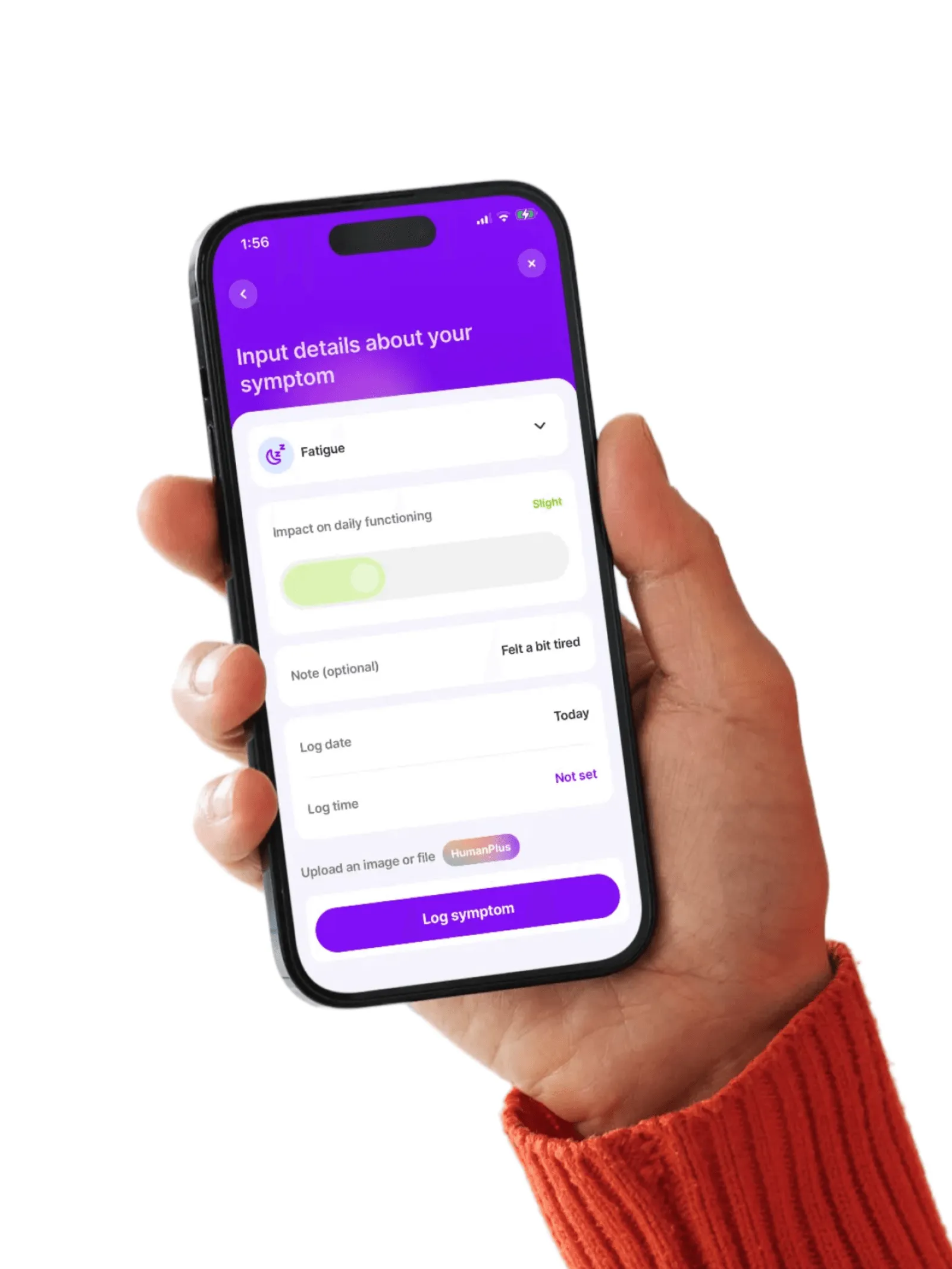
Map your endometriosis pain in the Human app
Create a detailed map of your pain symptoms with daily tracking in the Human Health app.


Pro tip
Pain is hard to describe once it passes. Noting exactly where it hurts, how severe it is, and when it happens gives you a clearer record to refer back to and share with your doctor.
.png)


