Can you get pregnant with endometriosis? Understanding how the condition affects fertility

September 14, 2026
- Endometriosis is a chronic condition characterized by the growth of tissue similar to the lining of the uterus in other areas of the body.
- Many people with endometriosis become pregnant naturally, while others may need fertility treatment. If you have concerns about your fertility, you can speak to your doctor about your options at any time.
- Tracking your cycle and symptoms can give you useful data to share with your doctor or specialist when discussing fertility and pregnancy.
If you have endometriosis and are thinking about becoming pregnant, you may be wondering: can you get pregnant with endometriosis? Many people with endometriosis can and do become pregnant, although the condition can make it harder to conceive.
In this article, we explore how endometriosis can affect fertility and when you may want to seek additional support.
Here’s what you need to know.
Can you get pregnant with endometriosis?
After being diagnosed with endometriosis, you may feel uncertain about your future fertility. Or perhaps prolonged fertility challenges are what led you to be diagnosed with endometriosis in the first place.
Some estimates suggest that up to 50% of people with endometriosis experience infertility. However, much of the research behind this estimate is now dated, so we don’t know exactly how common infertility is among people with endometriosis today.
Despite these statistics, many people with endometriosis are able to get pregnant, either naturally or with medical support. Your individual chances of becoming pregnant with endometriosis depend on many factors.
If you have been diagnosed with endometriosis, you don’t need to wait until you experience fertility challenges before seeking help. If you have questions or concerns, you can speak to your doctor about your fertility and options at any time.
{{pro-tip-1}}
How endometriosis impacts fertility
Endometriosis is still being studied, and we don’t yet have all the answers. However, endometriosis is thought to affect fertility in several ways:
- Where endometriosis is located: Endometriosis lesions, scar tissue, and adhesions can affect the ovaries and fallopian tubes. This may interfere with the processes needed for conception.
- Inflammation and immune system changes: Chronic inflammation can interfere with fertilization, sperm-egg interactions, and implantation in the uterus. Endometriosis can also impact immune system function, which may contribute to an environment that makes conception more difficult.
- Ovarian reserve and ovulation: Endometriosis affecting the ovaries may reduce ovarian reserve (the number of eggs available). Endometriosis may also impact ovulation (when an egg is released for fertilization), but this is still being researched.
- Painful sex: Pain before, during, and after sex can make intercourse difficult or something you want to avoid, which may affect opportunities for conception.
Endometriosis can also occur alongside other conditions that may affect fertility, including adenomyosis and polyendocrine metabolic ovarian syndrome (PMOS, formerly PCOS).
Important note: How endometriosis impacts your fertility is specific to your body. Information about your symptoms, particularly pain levels, menstrual cycle timing, and treatment, can provide useful context to share with a fertility specialist if you need to.
Fertility and treatment options with endometriosis
There is no one-size-fits-all solution for fertility challenges when you have endometriosis. When discussing your options, you and your doctor may consider questions such as:
- Is surgical treatment advisable based on factors such as your age, ovarian reserve, previous endometriosis surgery, and the severity and location of your endometriosis?
- Should you try to conceive naturally for longer, or is it worth seeking fertility support?
The answers to these questions are complicated and specific to you. But knowing your options can help you take part in conversations about your care and advocate for yourself.
Surgery for endometriosis lesions
Laparoscopic endometriosis surgery is a procedure where the surgeon ablates (burns) or excises (removes) endometriosis lesions.
Your doctor or specialist may recommend surgery if it could improve your chances of becoming pregnant.
Whether it’s appropriate will depend on factors such as your age, ovarian reserve, and the severity and location of your endometriosis. Your doctor will also consider whether you have had endometriosis surgery before.
The potential benefits of surgery will be weighed against any risks, including the possibility of surgery affecting your ovarian reserve.
Intrauterine insemination (IUI)
Intrauterine insemination (IUI) is a fertility treatment. Sperm is inserted into the upper uterine cavity, making it easier for it to reach and fertilize the egg.
IUI, often combined with ovarian stimulation, may be an option for some people with endometriosis. Whether it’s suitable will depend on your individual circumstances.
In vitro fertilization (IVF)
Some people with endometriosis consider in vitro fertilization (IVF) as a fertility treatment.
During IVF, mature eggs are removed from the ovaries and combined with sperm in a lab dish to create an embryo. The embryo is then placed into the uterus.
Your fertility specialist may tailor your IVF treatment to your individual circumstances and monitor you more closely during ovarian stimulation.
When to get help
It can be challenging to know when to reach out for help when you’re struggling with endometriosis and fertility.
As a rule of thumb, you should consider seeking advice from your doctor about fertility options if you are:
- Under the age of 35 and haven’t been able to conceive for six months
- Over the age of 35 and want to become pregnant
- Experience severe abdominal pain as part of your condition
- Have been diagnosed with a more severe stage of endometriosis
- Have known scar tissue or blockages on your ovaries, fallopian tubes, or other reproductive organs
{{pro-tip-2}}
Having data can make it easier to ask questions
It’s important to remember that many people can become pregnant while living with endometriosis, but you may need additional support.
If you have endometriosis and are unsure about your fertility, you don’t have to live with unanswered questions and uncertainty. Speak to your doctor about your options.
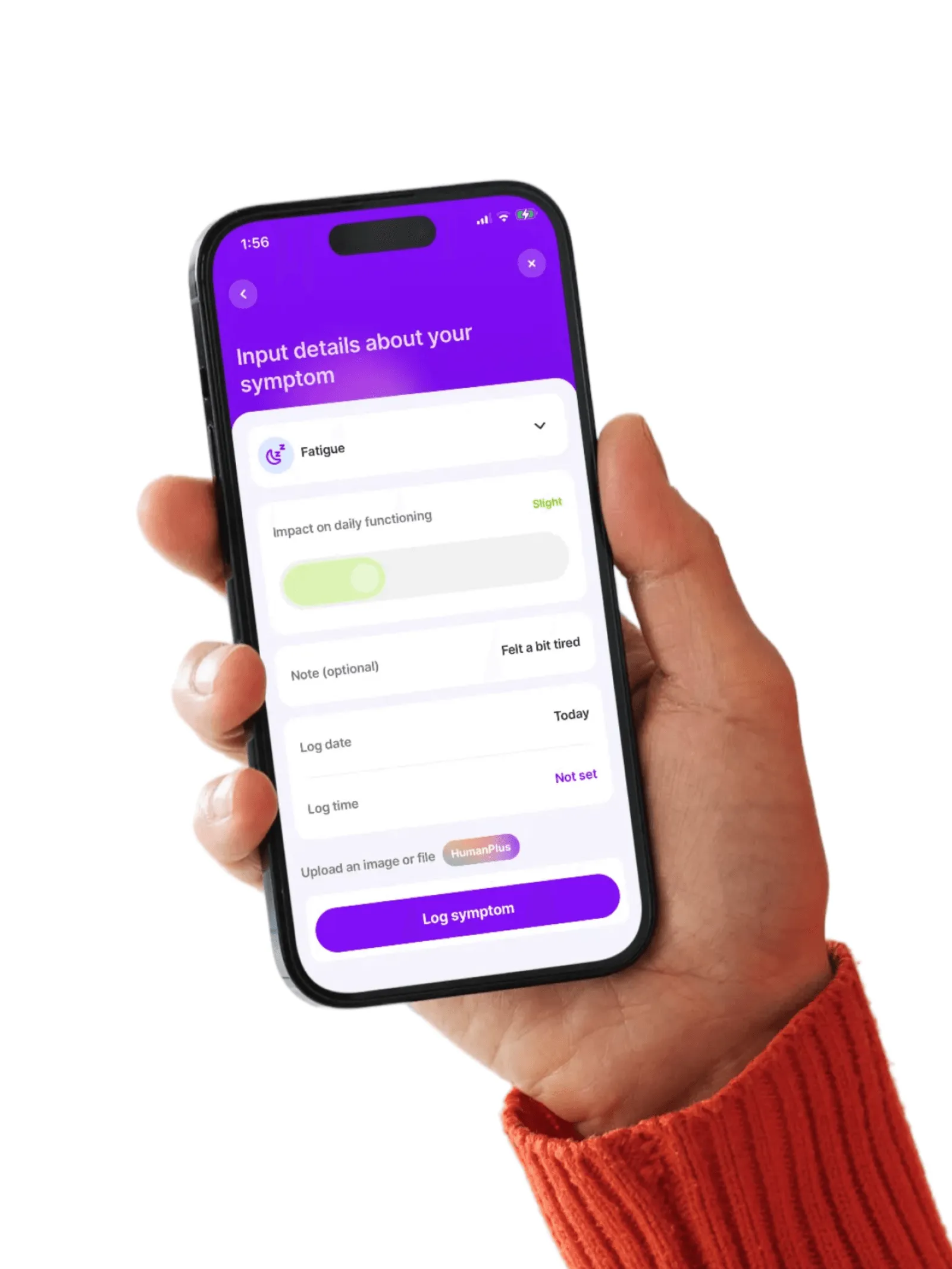
It can be difficult to remember months’ worth of health data, such as your symptoms, pain levels, treatments, and menstrual cycles during an appointment. Using the Human Health app, you can keep a record over time, giving you and your doctor or fertility specialist a clearer picture to discuss.
{{inline-cta-1}}
Frequently asked questions
Can you become pregnant naturally if you have endometriosis?
Yes, it is possible to get pregnant naturally if you have endometriosis.
How your condition impacts your fertility is specific to several factors, including your endometriosis stage and where your lesions are located. Some people may not experience any challenges getting pregnant, while others may need some support.
Is it hard to get pregnant with endometriosis?
It can be more challenging to become pregnant if you have endometriosis. However, the impact on fertility varies from person to person, and many people with endometriosis become pregnant naturally.
If you or someone you love has endometriosis and wants to become pregnant, speak to your doctor to explore potential options.
How common are fertility issues in people with endometriosis?
Fertility difficulties are common in people with endometriosis. For some people, fertility challenges are what lead to an endometriosis diagnosis.
Some estimates suggest that up to 50% of people with endometriosis experience infertility, but much of the research behind this figure is now dated, so we don’t know exactly how common it is today.
Remember that your fertility is individual to you and doesn’t necessarily reflect statistics. You can learn more about your options by having early conversations with your doctor and bringing a record of your symptoms and menstrual cycles.
Disclaimer: Human Health is a health tracking platform and does not provide medical advice, diagnosis, or treatment. The information in this guide is for educational purposes only and is not a substitute for professional medical care. Always consult your doctor or healthcare provider with questions about your health.
Sources:
- A prospective cohort study of endometriosis and subsequent risk of infertility (2016)
- Endometriosis and infertility: pathophysiology, treatment strategies, and reproductive outcomes (2025)
- Treatment of Endometriosis in Women Desiring Fertility (2015)
- Intrauterine Insemination: Fundamentals Revisited (2017)
- In vitro fertilization (2026)
- How the IVF process can differ for women with endometriosis, The Endometriosis Foundation of America
- Endometriosis and infertility (2010)
This is a div block with a Webflow interaction that will be triggered when the heading is in the view.

Learn more

Adenomyosis vs. endometriosis: The key differences you need to know


The stages of endometriosis: What your stage means for you
.webp)
Endometriosis overview: Symptoms, early signs, and what it feels like
Endometriosis flare-ups: Potential triggers and how long they last

The endometriosis diet: What the research says and why your experience matters
Bring more information to fertility conversations
Track your endometriosis symptoms, menstrual cycle, and treatments in the app to create a holistic view of your condition to share with a fertility specialist.


Pro tip
If fertility is on your mind, start keeping a record of your symptoms and menstrual cycle as early as possible. This will provide useful context in a fertility appointment.
Pro tip
Part of what makes living with endometriosis so challenging is that many people feel like they need to struggle with the symptoms alone. If you feel like something is off with your fertility, trust your gut and build a symptom record to share with your doctor.
.png)


