Adenomyosis vs. endometriosis: The key differences you need to know

September 15, 2026

- Adenomyosis and endometriosis are both chronic gynecologic health conditions that have overlapping symptoms.
- In both conditions, tissue that usually grows in the uterus, or similar tissue, is found in places where it doesn’t usually grow.
- It is possible to have both adenomyosis and endometriosis at the same time, and telling them apart can be challenging.
- Living with either or both conditions can involve painful symptoms. Tracking your symptoms, their severity, and their location alongside your menstrual cycle can make it easier for you and your doctor to understand the root cause.
Endometriosis and adenomyosis are different conditions, but they have a lot in common. Both can cause severe period pain and other pelvic symptoms, and it’s possible to have both conditions at the same time.
This overlap can make an already confusing experience even more frustrating. You might recognize your symptoms in descriptions of both conditions or struggle to understand why they don’t fit neatly into either one. Having similar symptoms also doesn’t necessarily mean they have the same underlying cause.
Understanding endometriosis vs. adenomyosis, including their differences and where they overlap, can help make sense of some of that uncertainty and give you a clearer idea of what to discuss with your doctor.
Let’s get into it.
What is adenomyosis?
Adenomyosis is a gynecologic health condition where endometrial tissue is found within the muscular wall of the uterus. This can cause the uterine wall to thicken and the uterus to become enlarged.
Adenomyosis lesions can be:
- Diffuse, where lesions are in multiple locations across the uterus
- Focal, where they form isolated nodules
Treatment for adenomyosis depends on your symptoms and whether you want to become pregnant in the future. Options can include pain relief and hormonal treatments to manage symptoms such as painful or heavy periods, as well as minimally invasive procedures for some people.
A hysterectomy can cure adenomyosis because it removes the uterus, but this is generally considered when other treatments haven’t helped and future pregnancy is not desired.
Adenomyosis symptoms
Some people with adenomyosis experience minimal symptoms or none at all.
When symptoms do arise, they can include:
- Painful menstrual cramps
- Heavy periods
- Chronic pelvic pain
- Pain during or after sex
What is endometriosis?
Endometriosis is another chronic gynecologic inflammatory health condition characterized by the growth of tissue similar to the lining of the uterus in other areas of the body.
This tissue forms lesions, most commonly within the pelvis, which can cause inflammation, scarring, and pain. Like the lining of the uterus, endometriosis lesions can respond to hormonal changes during the menstrual cycle.
Lesions are most commonly found on the ovaries, fallopian tubes, and on top of or surrounding the uterus. Some people have lesions in the rectum, bowel, bladder, vagina, or cervix, though this is less common.
Approximately 190 million people (or 10% of women of reproductive age) are affected by endometriosis. It most commonly presents around the start of puberty, but it can develop into adulthood as well.
Treatment for endometriosis focuses on managing symptoms and may include lifestyle changes, medication, and surgery. There is currently no cure for endometriosis.
Endometriosis symptoms
Endometriosis affects people differently, but there are common symptoms:
- Pelvic pain that gets worse around the period
- Painful menstrual cramps
- Pain during or after sex
- Heavy bleeding during menstruation
- Spotting or irregular bleeding between periods
- Pain with bowel movements or urination during menstruation
- Indigestion
- Fatigue
- Severe bloating or distension during the period, sometimes called endo belly
- Difficulties getting pregnant or infertility
{{pro-tip-1}}
Adenomyosis vs. endometriosis: The key differences and similarities
Adenomyosis and endometriosis have many overlapping symptoms that make them hard to tell apart. But they also have key differences:
There are also many similarities between the two conditions:
Important note: It is not your sole responsibility to figure out if you have endometriosis, adenomyosis, or both without support. By tracking your symptoms and bringing a comprehensive, holistic set of data to your doctor, you can work together to determine what diagnosis and treatment plan is best for your needs.
How can doctors tell adenomyosis and endometriosis apart?
Because adenomyosis and endometriosis share many symptoms and can occur together, symptoms alone may not be enough to tell them apart.
That can make the process of getting answers feel confusing or overwhelming. But your symptoms are only one part of the picture. Your doctor can use other information and diagnostic tests to investigate what’s going on.
Your doctor will generally start by understanding your symptoms and medical history, then they may carry out a physical examination. If adenomyosis is suspected, a transvaginal ultrasound is usually the first imaging test, with MRI sometimes used when ultrasound findings are unclear. Ultrasound and MRI can also help identify and diagnose endometriosis, although imaging cannot rule out all forms of the condition.
Keeping a record of your symptoms, including when they occur and their severity, can provide useful information to share with your doctor during this process.
You don’t need to solve this on your own
If you or someone you love has been struggling with ongoing pelvic pain or other symptoms, figuring out if it’s “normal” or something you need to investigate can be daunting.
Trying to work out whether you might have endometriosis, adenomyosis, or both can feel like detective work. But you don’t have to solve the mystery alone. Building a clear record of your symptoms over time gives your clinician the details they need to understand the broader picture and move forward with diagnosis.
Using the Human Health app, you can track your symptoms and their severity alongside your menstrual cycle, with notes to add extra context. Over time, this builds a record you can refer back to and share with your doctor during the diagnosis process.
{{inline-cta-1}}
Frequently asked questions
Is it worse to have endometriosis or adenomyosis?
Neither condition is “worse” than the other. Both can cause severe pain and impact quality of life, but the impact varies from person to person depending on their symptoms and severity.
Do adenomyosis and endometriosis feel the same?
Adenomyosis and endometriosis can feel very similar. Both can cause painful periods, pelvic pain, pain during or after sex, and heavy menstrual bleeding.
Because there is so much overlap, symptoms alone may not make it clear which condition you have, and it’s possible to have both.
How do I know if I have adenomyosis or endometriosis?
Telling adenomyosis vs. endometriosis apart can be challenging, even for trained medical professionals.
Your doctor will consider your symptoms and medical history alongside clinical examinations and diagnostic tests, which may include ultrasound or MRI.
Tracking your symptoms over time can provide useful information to share with your doctor during this process.
Disclaimer: Human Health is a health tracking platform and does not provide medical advice, diagnosis, or treatment. The information in this guide is for educational purposes only and is not a substitute for professional medical care. Always consult your doctor or healthcare provider with questions about your health.
Sources:
- Adenomyosis, StatPearls (2026)
- Adenomyosis: An Updated Review on Diagnosis and Classification (2023)
- Adenomyosis: the missed disease (2025)
- Adenomyosis, MedlinePlus
- Endometriosis, MedlinePlus
- Endometriosis, StatPearls (2026)
- Endometriosis, Office on Women’s Health
This is a div block with a Webflow interaction that will be triggered when the heading is in the view.

Learn more

The stages of endometriosis: What your stage means for you

.webp)
Endometriosis overview: Symptoms, early signs, and what it feels like
Endometriosis flare-ups: Potential triggers and how long they last

The endometriosis diet: What the research says and why your experience matters

Endometriosis pain locations: Where it hurts and why
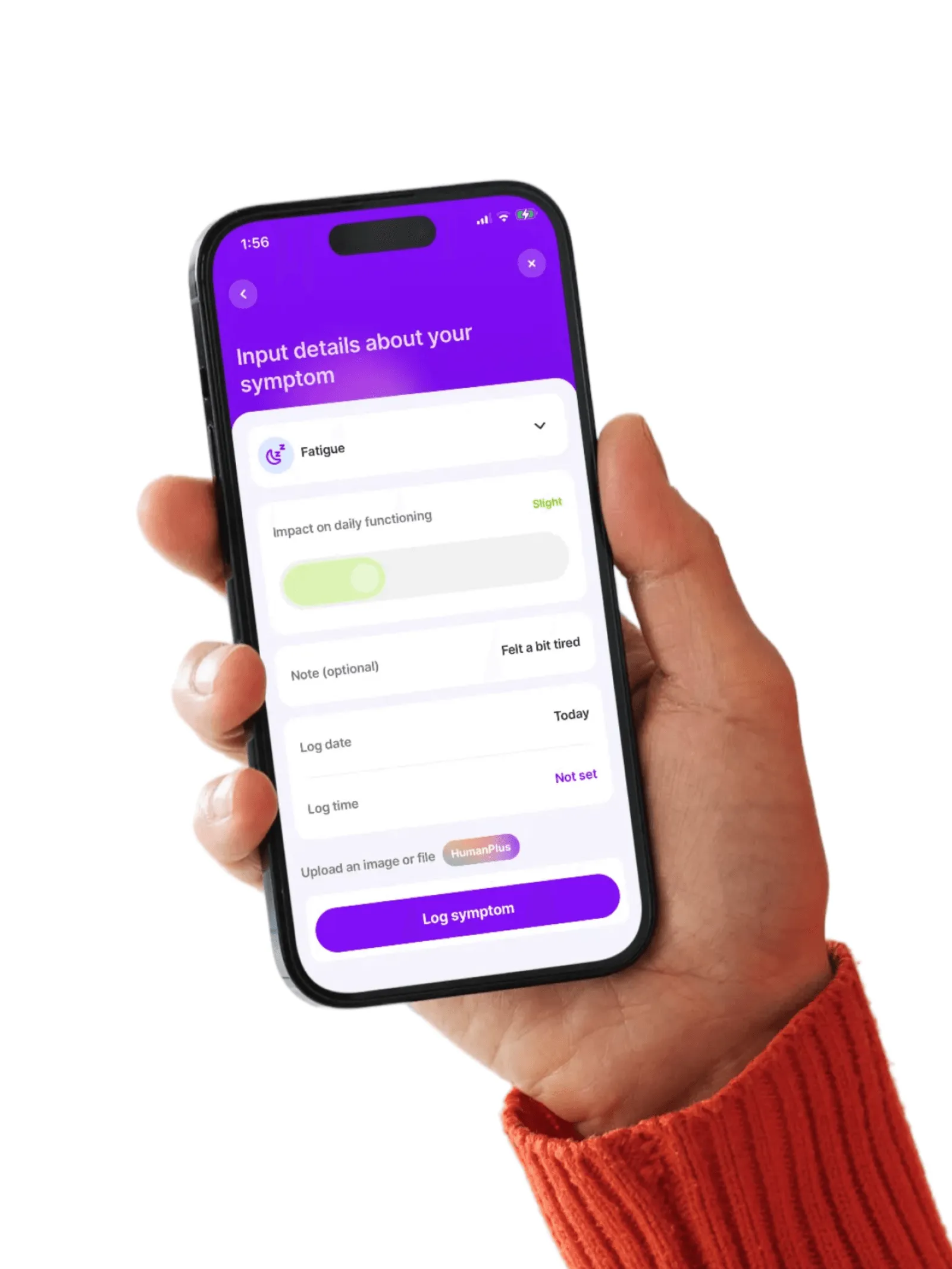
Use the app to log your experiences
Get a more holistic view of your condition by tracking your daily symptoms in the Human Health app.


Pro tip
Endometriosis and adenomyosis can feel similar and often occur together. A detailed symptom record gives your doctor more to work with when understanding what might be causing your symptoms.
.png)


