Bowel endometriosis: Common symptoms and how it overlaps with IBS

September 14, 2026

- Bowel endometriosis is a type of endometriosis where tissue similar to the lining of the uterus is found in or on parts of the bowel.
- The most common symptoms include abdominal pain, bloating, painful bowel movements, constipation, and diarrhea, often alongside other endometriosis symptoms.
- Symptoms of bowel endometriosis can overlap with IBS. Tracking your bowel symptoms alongside your menstrual cycle can help you identify patterns and give your doctor a clearer picture of what’s going on.
Bowel endometriosis is a type of endometriosis that can cause severe gastrointestinal symptoms.
Although they are separate conditions, bowel endometriosis often presents similarly to IBS. That’s a big reason why it can take so long to get the right diagnosis.
If you’ve been diagnosed with IBS but still feel that something doesn’t quite add up, particularly if your symptoms seem to change with your menstrual cycle, it’s worth knowing about the overlap with endometriosis.
In this article, we explore the common symptoms of bowel endometriosis, how they can overlap with IBS, and some of the features that may help distinguish between the two conditions.
Let’s get into it.
What is bowel endometriosis?
Endometriosis is a chronic inflammatory condition characterized by the growth of tissue similar to the lining of the uterus in other parts of the body. Endometriosis lesions commonly grow on the ovaries, fallopian tubes, and on the structures surrounding the uterus.
In bowel endometriosis, which affects 5–12% of people with endometriosis, lesions are found on or in parts of the gastrointestinal tract.
Bowel endometriosis most commonly affects the rectum and sigmoid colon, which make up the lower part of the large intestine. Less commonly, lesions can affect other parts of the bowel, including the appendix, ileum, and cecum.
Most bowel endometriosis lesions affect the outer layers of the bowel, although some extend deeper into the bowel wall. The location and depth of lesions can influence symptoms and treatment decisions.
Bowel endometriosis symptoms
Bowel endometriosis symptoms can vary from person to person and may depend on factors such as the location, size, and depth of lesions.
Symptoms can range in severity from mild to debilitating, and can include:
- Pelvic pain that gets worse around your period
- Painful menstrual cramps (dysmenorrhea)
- Pain during or after sexual intercourse (dyspareunia)
- Diarrhea
- Constipation
- Pain with bowel movements (dyschezia)
- Bloating and abdominal distension (often called endo belly)
Bowel symptoms that worsen around your period may raise suspicion of bowel endometriosis, but symptoms alone can’t confirm the condition. Many of these symptoms also overlap with other gastrointestinal conditions, including IBS.
Understanding the bowel endometriosis and IBS overlap
Bowel endometriosis and irritable bowel syndrome (IBS) are separate conditions, but they can present with very similar symptoms, making it easy to confuse the two.
IBS is a collection of gastrointestinal symptoms that often occur together. Even though an estimated 10–20% of people have IBS, we’re still not sure exactly what causes it.
Because the symptoms can overlap, bowel endometriosis can be mistaken for IBS or other gastrointestinal conditions.
To make matters more complex, research suggests that more than one in five people with endometriosis also have IBS. This can make it more difficult to work out what’s causing your symptoms.
Here’s how some of the features of bowel endometriosis and IBS compare:
Because symptoms such as bloating, diarrhea, constipation, and abdominal pain can be affected by many factors, including diet and other gastrointestinal conditions, it can be difficult to know what’s driving a particular symptom. Tracking what you eat alongside your symptoms and menstrual cycle may help you notice patterns to discuss with your doctor.
How is bowel endometriosis diagnosed?
If your doctor suspects bowel endometriosis, they’ll ask about your symptoms and medical history and may carry out a physical examination.
They may also use imaging such as a transvaginal ultrasound or MRI to look for signs of endometriosis and see whether the bowel is affected.
Diagnosing bowel endometriosis can be difficult because its symptoms can resemble those of other gastrointestinal conditions, and imaging doesn’t always provide a clear answer. Your doctor may recommend further tests depending on your symptoms and what the initial investigations show.
Bowel endometriosis can be difficult to identify
You shouldn’t have to live with recurring gastrointestinal symptoms and abdominal pain, especially if it affects your daily life. The challenge lies in getting the right diagnosis and not having your symptoms dismissed.
To make diagnosis easier, it’s a good idea to start tracking your bowel symptoms, no matter how severe they are. The Human Health app lets you easily track your symptoms alongside your menstrual cycle and diet, giving you a clear record to share with a doctor.
{{inline-cta-1}}
Frequently asked questions
What does bowel endometriosis feel like?
Bowel endometriosis can cause different symptoms for different people. For some, it can cause painful, sharp abdominal cramps, often during a bowel movement. Others experience severe, painful bloating and pressure in the abdomen and rectal area. The condition can impact gastrointestinal health, causing diarrhea, constipation, or both.
Are bowel endometriosis and IBS the same thing?
No, bowel endometriosis and IBS are different conditions that often share symptoms, and it’s possible to have both at the same time.
Bowel endometriosis is characterized by the growth of tissue similar to the lining of the uterus in the gastrointestinal system. IBS is a gastrointestinal disorder that causes symptoms including abdominal pain and changes in bowel movements.
How do I know if I have bowel endometriosis?
Symptoms alone can’t tell you whether you have bowel endometriosis. However, bowel symptoms that consistently worsen around your period, particularly alongside other endometriosis symptoms, may be worth discussing with your doctor.
When should I consider endometriosis if I’ve been diagnosed with IBS?
If you’ve been diagnosed with IBS but also experience painful periods, pain during sex, or bowel symptoms that consistently worsen around menstruation, it may be worth discussing endometriosis with your doctor.
Disclaimer: Human Health is a health tracking platform and does not provide medical advice, diagnosis, or treatment. The information in this guide is intended to support, not replace, conversations with qualified healthcare professionals.
Sources:
- Endometriosis, Office on Women’s Health
- Advances in the medical management of bowel endometriosis (2021)
- Gastrointestinal and Urinary Tract Endometriosis: A Review on the Commonest Locations of Extrapelvic Endometriosis (2018)
- Intestinal endometriosis: Diagnostic ambiguities and surgical outcomes (2019)
- Bowel Endometriosis: Current Perspectives on Diagnosis and Treatment (2020)
- Endometriosis, MedlinePlus
- Irritable bowel syndrome (IBS), The National Institute of Diabetes and Digestive and Kidney Diseases
- Endometriosis and irritable bowel syndrome: A systematic review and meta-analyses (2022)
- Diagnosis of Bowel Endometriosis Using Endoscopic Ultrasound-guided Fine Needle Aspiration (2023)
- Overview: Irritable bowel syndrome (2023)
This is a div block with a Webflow interaction that will be triggered when the heading is in the view.

Learn more

Adenomyosis vs. endometriosis: The key differences you need to know


The stages of endometriosis: What your stage means for you
.webp)
Endometriosis overview: Symptoms, early signs, and what it feels like
Endometriosis flare-ups: Potential triggers and how long they last

The endometriosis diet: What the research says and why your experience matters
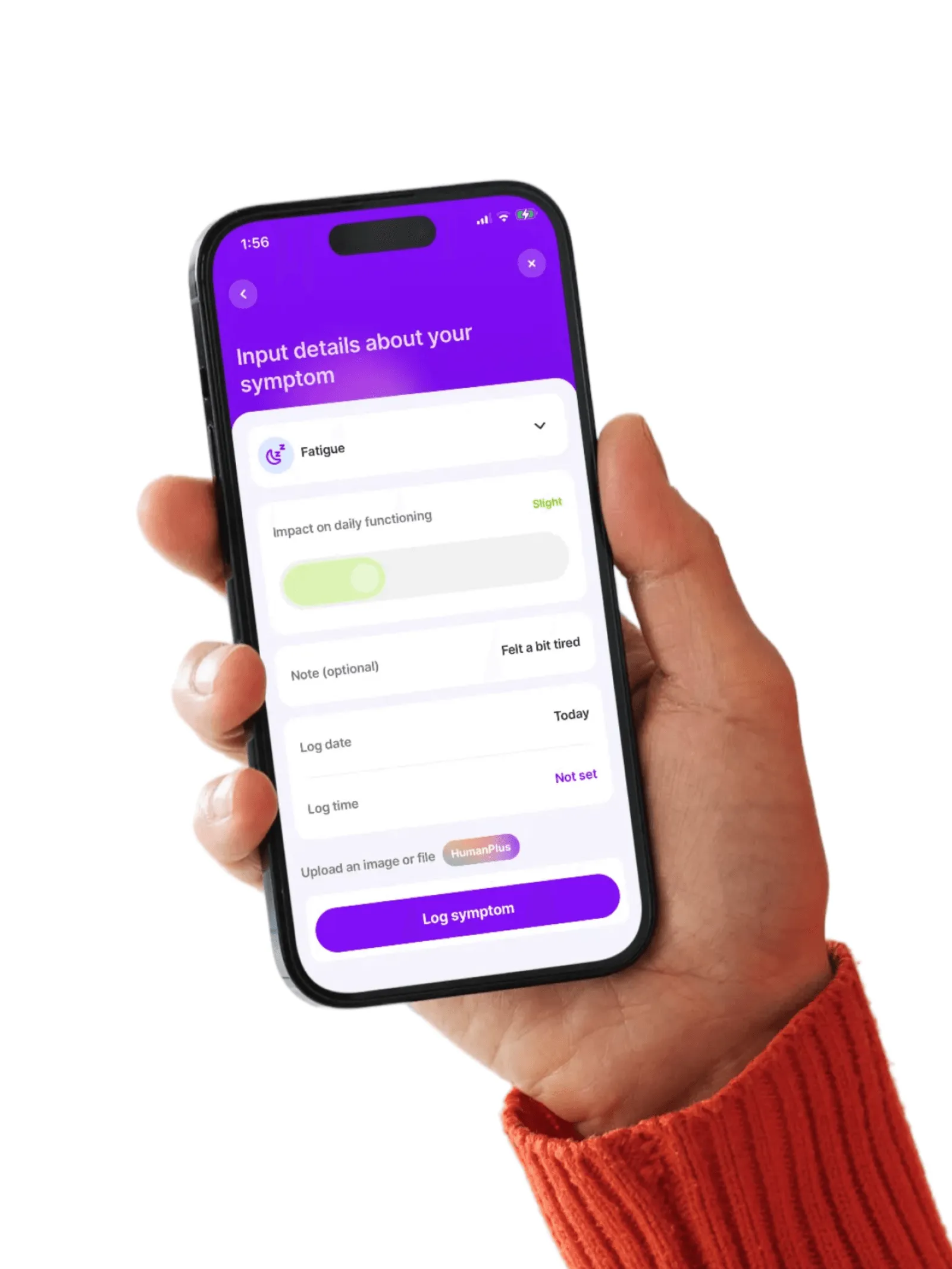
Start building a symptom record using the Human Health app
Track your bowel symptoms alongside your menstrual cycle and other symptoms to build a clearer picture of when they happen and what may be contributing to them.


.png)


