The endometriosis diet: What the research says and why your experience matters

September 15, 2026
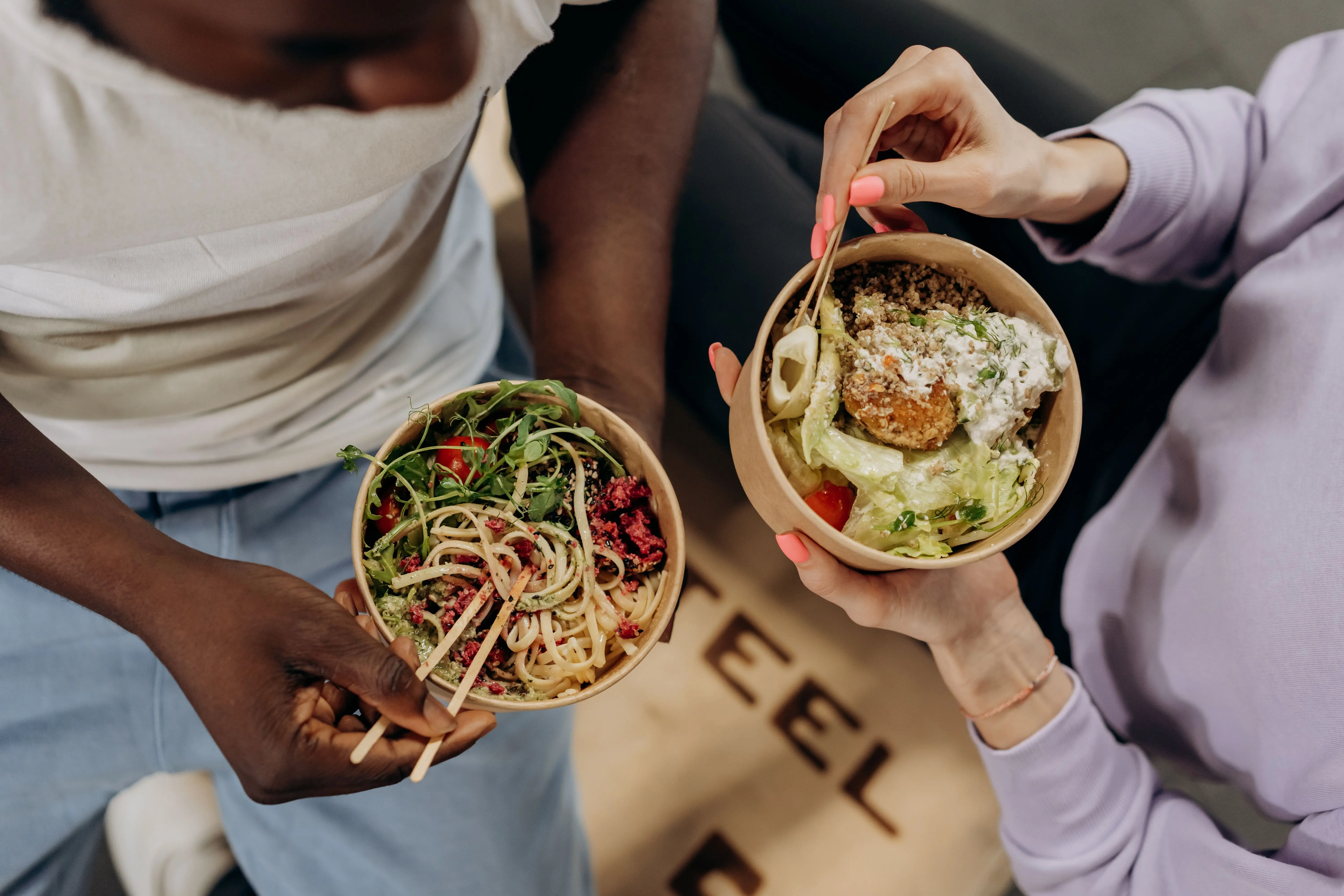
- Some people with endometriosis find that what they eat affects their symptoms, meaning they eat more of some foods and less of others.
- There is no universally recommended endometriosis diet, and the research is mixed. But that doesn’t invalidate individual experiences. Endometriosis affects everyone differently.
- Changing your diet won’t cure your endometriosis. But understanding the current research, exploring potential dietary adjustments, and tracking how you feel while making changes can all help you get a clearer picture of your condition.
If you have endometriosis, chances are you’ve heard of the “endometriosis diet.”
Perhaps you have come across advice about foods to eat or avoid to help manage your symptoms. You may have even noticed yourself that certain foods seem to make you feel better or worse.
But research into diet and endometriosis is still developing, and there’s currently no specific endometriosis diet proven to improve symptoms. That doesn’t mean your own experiences with food aren’t meaningful. It just means there isn’t one approach that research tells us will work for everyone.
In this article, we explore what the current research tells us about the connection between endometriosis and diet, including how changing what you eat may, or may not, impact your symptoms.
Here’s what you need to know.
The endometriosis diet: What does the research tell us?
Researchers have explored whether certain foods, nutrients, and dietary patterns could play a role in managing endometriosis. However, the evidence is often limited or mixed, and research doesn’t always give us a clear answer about whether a particular dietary change can help.
Endometriosis also affects everyone differently. Something that has little effect on someone else with the condition might help you. That’s why it so commonly involves trial and error.
The sections below look at some of the foods that have been studied, what the research has found so far, and, importantly, what we still don’t know.
Mediterranean-style diet
Some early research suggests that a Mediterranean-style diet may help with endometriosis symptoms.
A 2026 review identified two small studies in which people following this type of diet reported improvements in symptoms, including painful periods, pain during sex, and painful bowel movements.
However, larger, higher-quality studies are needed to better understand how much this type of diet can help.
Mediterranean-style diets are generally rich in:
- Fruits and vegetables
- Whole grains
- Beans and other legumes
- Nuts and seeds
- Olive oil
- Fish and seafood
They often contain smaller amounts of red and processed meat, highly processed foods, and refined carbohydrates.
Some foods commonly included in a Mediterranean-style diet are also sources of omega-3 fatty acids, which have been studied separately for their potential benefits in endometriosis.
{{pro-tip-1}}
Omega-3 fatty acids
Omega-3 fatty acids are known for their anti-inflammatory properties, which has led researchers to investigate whether they could help people with endometriosis.
A 2025 review looked at five studies carried out between 2001 and 2020. In these studies, omega-3 supplements were found to reduce some markers of inflammation. However, they didn’t significantly improve endometriosis-related pain or quality of life. More research is needed to understand whether omega-3s could have other benefits for people with the condition.
Foods that naturally contain omega-3 fatty acids include:
- Salmon, sardines, and tuna
- Walnuts
- Chia seeds
- Flaxseed oil
- Avocados
Fiber
A 2026 review found some promising evidence around fiber and endometriosis, including improvements in pain and quality of life in studies of fiber-rich diets.
However, researchers haven’t studied the effects of increasing fiber intake separately from other dietary changes, so we don’t yet know whether fiber itself can improve endometriosis symptoms.
Examples of foods high in fiber include:
- Whole fruits and vegetables
- Flaxseed
- Steel-cut oats
- Pumpkin and sunflower seeds
- Chickpeas, beans, and lentils
- Whole-grain rice
Low-FODMAP diet
A 2026 review found that a low-FODMAP diet may help reduce gastrointestinal symptoms in some people with endometriosis. In one study, 60% of participants noticed improvements in their overall GI symptoms.
However, research is still limited, and a low-FODMAP diet appears to help manage gastrointestinal symptoms rather than endometriosis itself.
A low-FODMAP diet limits certain carbohydrates that can contribute to digestive symptoms such as bloating, abdominal pain, constipation, and diarrhea.
Foods commonly limited include:
- Certain fruits, such as apples, pears, and peaches
- Certain vegetables, including onions, garlic, and cauliflower
- Wheat- and rye-based foods
- Beans and lentils
- Some dairy products, particularly those high in lactose
Lower-FODMAP options include:
- Fruits such as oranges, grapes, strawberries, and kiwi
- Vegetables such as carrots, potatoes, tomatoes, and zucchini
- Rice, oats, and quinoa
- Lactose-free dairy products and some hard cheeses
- Eggs, fish, and unprocessed meat
Vitamins and minerals
You may have heard that nutrients such as magnesium, zinc, vitamin C, and vitamin D can help with endometriosis symptoms.
So far, though, there isn’t enough evidence to recommend increasing your intake of any particular vitamin or mineral to manage the condition.
A 2026 review found mixed or limited evidence for supplements including vitamin D, magnesium, and zinc. Some studies of combined vitamin C and vitamin E supplements have reported improvements in endometriosis-related symptoms, but more research is needed.
Importantly, most of this research has involved supplements rather than food. This means we can’t assume that eating more foods containing these nutrients will have the same effects.
That being said, foods containing vitamins and minerals such as magnesium and zinc are generally part of a balanced, nutritious diet.
What about foods to avoid with endometriosis?
There isn’t any strong evidence that everyone with endometriosis needs to avoid particular foods.
A 2025 review looked at several foods and drinks that have been studied in relation to endometriosis, including:
- Alcohol
- Red and processed meat
- Foods high in saturated and trans fats
- Caffeine
The review tells us that some studies have found associations between these foods and the risk of developing endometriosis. However, this doesn’t mean that avoiding them can improve symptoms in people who already have the condition.
Evidence around individual foods and endometriosis symptoms is limited. For example, some people report that reducing coffee helps their symptoms, but researchers haven’t established a clear relationship between caffeine and endometriosis.
So while all this means there’s no universal list of endometriosis “trigger foods,” you may still find that particular foods affect your symptoms. Tracking what you eat alongside how you feel may help you identify patterns that are relevant to you.
Important note: The connection between different foods and endometriosis symptoms is still not well understood. Whether or not your diet affects your symptoms is specific to you and may change over time.
{{pro-tip-2}}
How to find out whether foods affect your endometriosis symptoms
Published research can only give you information, not individualized advice for your situation. You need to figure out how your specific endometriosis symptoms affect you, including how they may or may not be impacted by the foods you eat.
If you’re curious about how a specific food may be affecting your symptoms, you could try temporarily removing it from your diet before reintroducing it and tracking how you feel throughout the process.
Important note: Restricting or eliminating foods may not be appropriate for everyone. If you have a history of disordered eating, consider making any dietary changes with support from a doctor or registered dietitian.
Step 1: Track your symptoms and food intake
Before you remove the food from your diet, track your symptoms and what you eat in a journal. The goal is to get a baseline understanding of how you feel and what you are eating before making changes.
You can use this information to help you understand how food changes may be impacting your symptoms. If you only vaguely remember how you felt before you removed a food, it’s tricky to understand how removing it has or hasn’t helped.
Step 2: Make one change at a time
If you decide to remove a particular food from your diet, you may need to avoid it for a few weeks before reintroducing it.
The exact timeframe can vary depending on the food and your circumstances, so consider speaking to your doctor or a dietitian about how to approach this safely.
Depending on the food you remove, this change could be quite drastic for you. So don’t stress if you don’t do it perfectly. During this time, be sure to keep tracking your symptoms and what you eat to collect more data.
Step 3: Slowly reintroduce the food
If you decide to reintroduce the food, add it back into your diet while continuing to track your symptoms. Try to avoid making other major dietary changes at the same time, as this can make it harder to understand what you’re noticing.
Keep tracking how you feel as you reintroduce the food, even if the changes feel minimal or not different at all.
The endometriosis diet isn’t a miracle fix
There is no specific “endometriosis diet” proven to improve symptoms in everybody with the condition. Research into diet and endometriosis is still developing, and there isn’t enough evidence to recommend one particular way of eating.
That being said, some people notice that certain foods or eating styles improve or worsen their symptoms. So, if you find that changing how you eat makes life with endometriosis easier, there’s no reason to dismiss your own experience simply because the research hasn’t caught up.
Changing your diet won’t cure endometriosis. But if you want to better understand the relationship between what you eat and your symptoms, tracking could help.
In the Human Health app, you can track when you follow specific dietary approaches, such as a Mediterranean or low-FODMAP diet, alongside your symptoms and menstrual cycle. You can also use journal entries to record dietary changes, such as when you remove or reintroduce a particular food.
{{inline-cta-1}}
Frequently asked questions
What is the endometriosis diet?
A universally recommended endometriosis diet doesn’t exist yet. Researchers are still trying to understand how diet affects endometriosis symptoms.
However, some people find that changing their dietary habits, including avoiding foods that worsen their symptoms, can help make the condition more manageable.
What foods should you not eat with endometriosis?
There are no specific foods that everyone with endometriosis should avoid. Research hasn’t established a universal list of foods that trigger or worsen endometriosis symptoms. However, some people find that particular foods affect their symptoms and may choose to limit or avoid them as a result.
Can changing my diet cure my endometriosis?
No, changing your diet cannot cure endometriosis. There is no specific diet proven to treat the condition. However, some people find that dietary changes help them manage particular symptoms, even though what helps can vary from person to person.
Disclaimer: Human Health is a health tracking platform and does not provide medical advice, diagnosis, or treatment. The information in this guide is intended to support, not replace, conversations with qualified healthcare professionals.
Sources:
- The Role of Lifestyle and Diet in the Treatment of Endometriosis: A Review (2026)
- Effect of omega-3 polyunsaturated fatty acid on endometriosis (2025)
- Omega-3 fatty acids, The National Institutes of Health, Office of Dietary Supplements
- Dietary Fiber in Endometriosis: Mechanisms, Evidence, and Potential Clinical Benefits—Up-to-Date Review (2026)
- High-fiber foods, The National Cancer Institute
- Low-FODMAP Diet for Gastrointestinal Symptoms in Endometriosis: A Systematic Review (2026)
- The Role of Dietary Supplements in the Treatment of Endometriosis: A Critical Review (2026)
- The Role of Nutrition in Endometriosis Prevention and Management: A Comprehensive Review (2025)
- Food allergy, intolerance, or sensitivity: What’s the difference, and why does it matter?, Harvard Health
This is a div block with a Webflow interaction that will be triggered when the heading is in the view.

Learn more

Adenomyosis vs. endometriosis: The key differences you need to know

The stages of endometriosis: What your stage means for you
.webp)
Endometriosis overview: Symptoms, early signs, and what it feels like
Endometriosis flare-ups: Potential triggers and how long they last

Endometriosis pain locations: Where it hurts and why
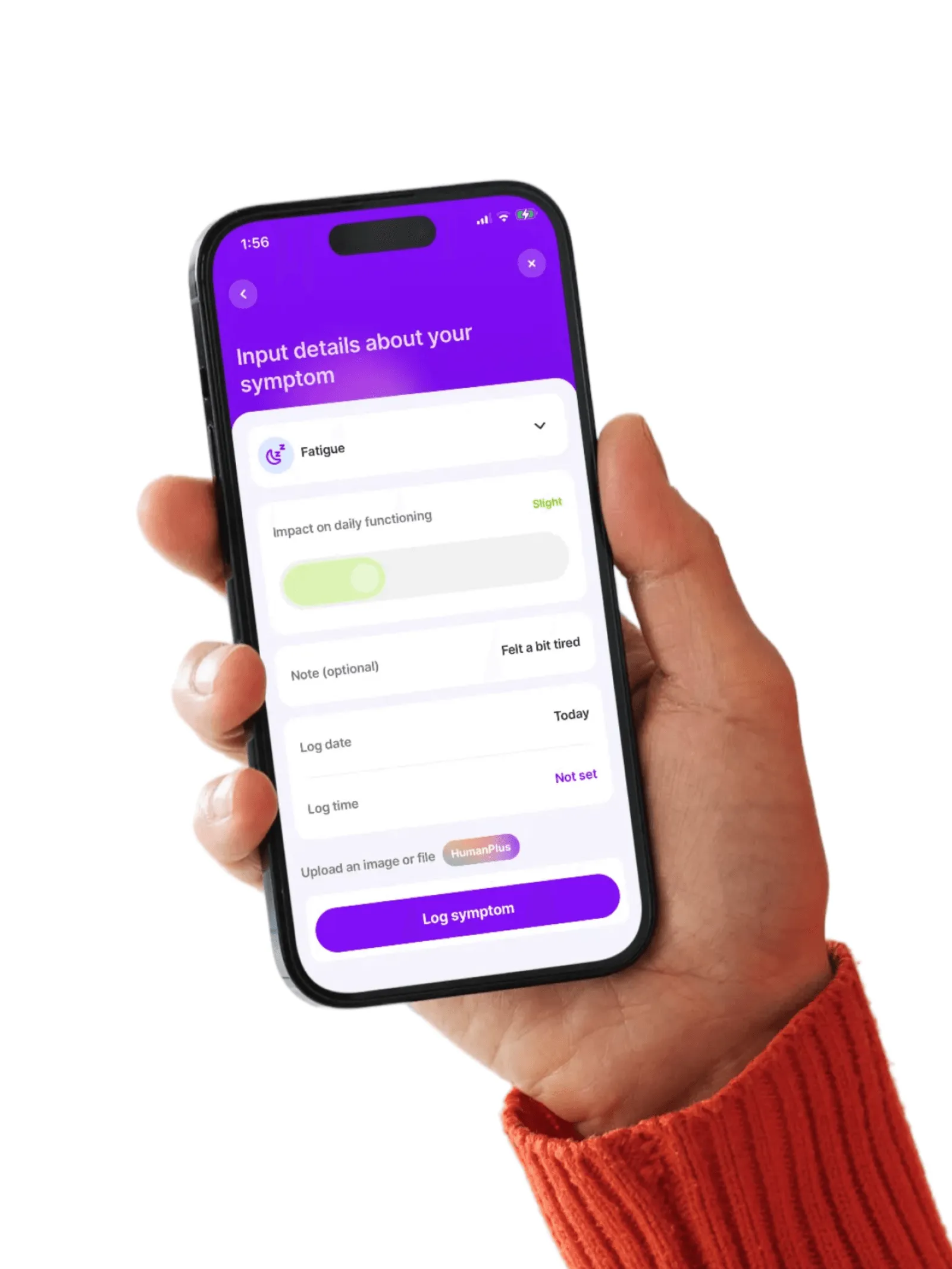
Track your diet and symptoms in the app
Keeping a record of dietary changes alongside your symptoms can help you look back at how you felt over time and give you something concrete to discuss with your doctor.


Pro tip
If you decide to try the Mediterranean-style diet, you can track when you follow it in the Human Health app alongside your symptoms.
Pro tip
If you experience endometriosis flare-ups, keeping a record of your symptoms and any dietary changes can help you look back at what was happening around the time they occurred.
.png)


