Endometriosis fatigue: Understanding the connection

October 1, 2026
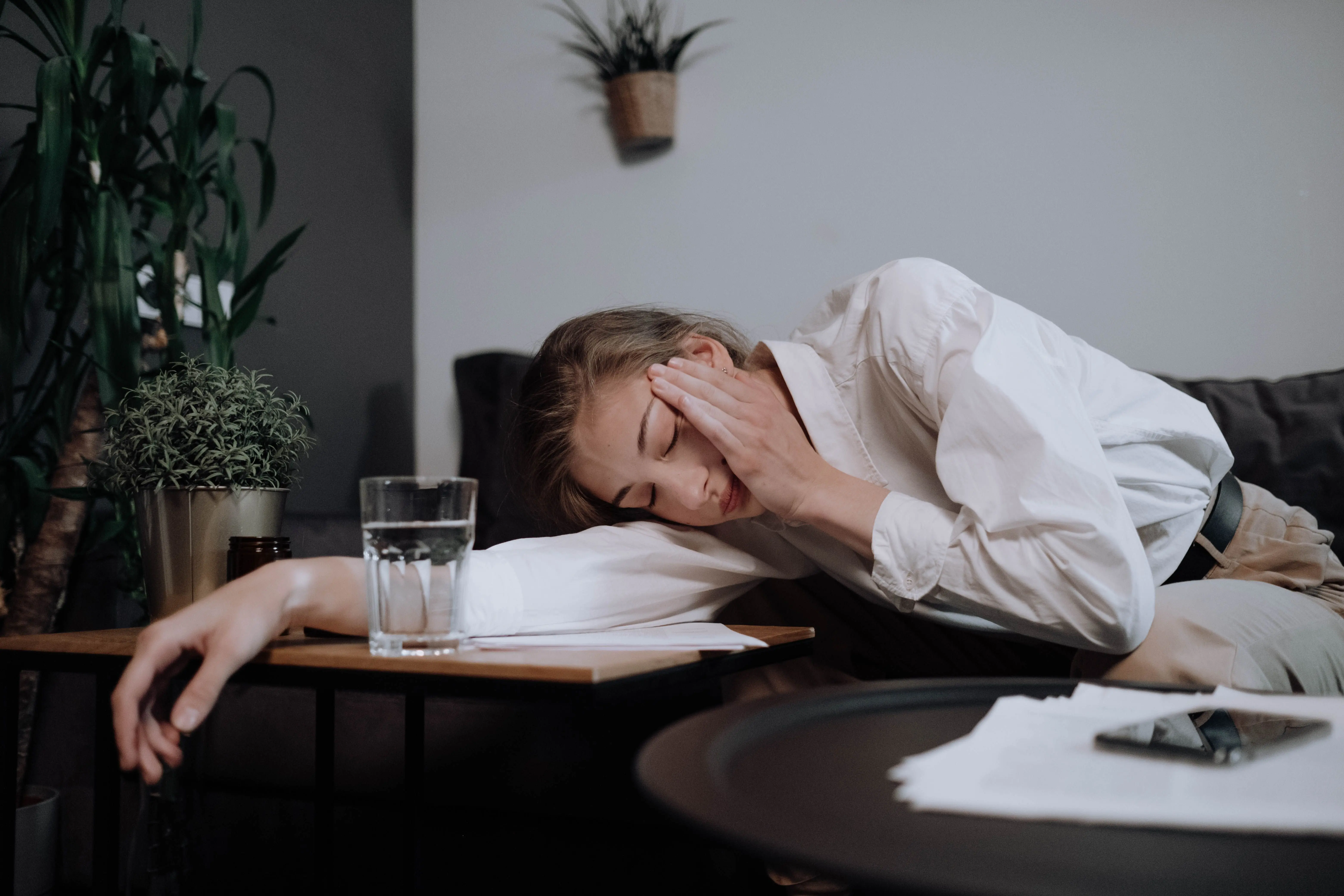
- Endometriosis is a chronic condition where tissue similar to the lining of the uterus grows in other areas of the body, causing pain and other symptoms.
- Fatigue is a common but often overlooked symptom of endometriosis that can significantly affect energy levels and daily life.
- Fatigue can be difficult to recognize and describe. Tracking your energy levels alongside your other symptoms can help you understand its impact over time and communicate it more clearly to your doctor.
Despite being a common symptom of many health conditions, fatigue is very easy to dismiss, especially when it comes and goes.
Many people find fatigue quite difficult to explain, and because it’s invisible, other people may not realize how much it is affecting you. You can look well while struggling with the energy to work, socialize, exercise, or manage everyday tasks.
If you have endometriosis and regularly feel fatigued, you may be wondering whether there’s a connection. If you don’t have an endometriosis diagnosis, fatigue alongside other symptoms may be one of the reasons you’re considering speaking to a doctor.
In this article, we explore the connection between endometriosis and fatigue, why fatigue can happen, what it can feel like, and things that can help manage its impact.
Here’s what you need to know.
Endometriosis fatigue is a real thing
Fatigue is a subjective feeling of tiredness that influences your energy levels, mood, and ability to focus. Most people have experienced fatigue at some point.
Endometriosis fatigue is complex and personal. It’s also common, affecting many people with endometriosis. Unfortunately, that doesn’t mean it’s well-understood or widely recognized.
We still don’t know exactly what causes endometriosis fatigue, but there are several theories:
Inflammation
Endometriosis causes inflammation, which may contribute to fatigue.
Researchers think that prolonged exposure to inflammatory proteins called cytokines could affect processes in the nervous system involved in physical and mental fatigue. However, the exact role inflammation plays in endometriosis fatigue is still being studied.
Pain
Pain may contribute to fatigue in people with endometriosis.
In a 2018 study, people with endometriosis who experienced pain were more likely to experience frequent fatigue. However, fatigue was also independently associated with endometriosis, suggesting that pain alone doesn’t explain why fatigue is so common.
Poor sleep
People with endometriosis are more likely to experience sleep disorders or have poor sleep compared to those without the condition. This can make fatigue more common and more severe.
Other health conditions
Endometriosis can occur alongside other health conditions. Some of these can also cause or contribute to fatigue. This can make it difficult to know whether your fatigue is related to endometriosis, another condition, or several factors at once.
These include:
- Chronic pain and fatigue conditions, including ME/CFS and fibromyalgia
- Autoimmune conditions, including lupus and autoimmune thyroid disorders
- Celiac disease
- Migraine
Having endometriosis doesn’t mean that you will develop any of these conditions. If you’re experiencing persistent or unexplained fatigue, it’s worth discussing it with your doctor, as they can help investigate whether endometriosis, another health condition, or a combination of factors may be contributing.
Evaluating your endometriosis fatigue
If you are feeling fatigued for reasons you cannot explain, that is something worth exploring.
There is no test that can diagnose fatigue. Keeping track of your energy levels over time can help you understand when fatigue happens, how long it lasts, and how much it affects your daily life.
Doing this before a medical appointment can make it easier to explain what you’ve been experiencing. During your appointment, your doctor may ask questions about your fatigue, and you’ll be better prepared to answer them if you have a symptom record to refer to.
For example, your doctor might ask:
- How long have you been experiencing fatigue?
- Do you notice that your fatigue comes and goes, or is it constant?
- When was the last time you didn’t feel fatigued?
- Do certain situations make your fatigue worse or better?
- How have you been sleeping recently?
Ways to manage endometriosis fatigue
Fatigue can be challenging to manage, especially when it affects your daily life. What helps will depend on what’s contributing to your fatigue and how it affects you.
Talking to your doctor
If fatigue is affecting your daily life, talk to your doctor. They can help explore what might be contributing to it and whether any changes to your treatment or support could help.
You might not be experiencing your worst fatigue on the day of your appointment, so having a record of your energy levels and other symptoms can help you explain what you’ve been experiencing over time.
Planning around your flare-ups when you can
Many people find that endometriosis fatigue worsens during an active flare-up or at specific times in their menstrual cycle.
If this is true for you, planning around your menstrual cycle where possible may make periods of increased fatigue easier to manage. Front-loading tasks, avoiding busy commitments, and prepping food in advance can reduce the demands on your time and energy when fatigue is worse.
Prioritizing healthy habits
Looking after basics like sleep, nutrition, and physical activity may help support your overall energy levels.
What feels manageable will depend on how fatigued you are, so it’s important to adjust these habits to your energy levels rather than pushing yourself when your symptoms are worse.
Asking for help
Endometriosis fatigue can sometimes make your typical routine or workload feel like too much. Asking friends or family for help with everyday tasks can give you space to rest and manage your energy.
Understanding your fatigue as part of the bigger picture
Fatigue can be an important part of how endometriosis affects you, even though it can be difficult to describe or easy to overlook.
It can also be hard to remember exactly how often you felt fatigued, when it was worse, or what other symptoms you were experiencing at the same time. Tracking your energy levels alongside pain, sleep, your menstrual cycle, and other symptoms with the Human Health app gives you a record to look back on and share with your doctor.
Over time, this can help you build a clearer picture of how fatigue fits into your wider experience of endometriosis.
{{inline-cta-1}}
Frequently asked questions
What’s the difference between fatigue and feeling tired?
Ordinary tiredness usually improves with sleep or rest. Fatigue can feel more persistent or overwhelming and may interfere with your ability to carry out everyday activities. It may not improve as much as you would expect with rest.
Endometriosis fatigue can affect people differently, but if tiredness is persistent and affecting your daily life, it’s worth discussing it with your doctor.
Is fatigue common in people with endometriosis?
Yes, fatigue is a common endometriosis symptom. Research has found that 54–74% of people who live with moderate to severe endometriosis pain experience fatigue.
However, more research is needed to understand the link.
How long does endometriosis fatigue last?
There’s no set length of time that endometriosis fatigue lasts. It can vary considerably from person to person and may also change over time.
For some people, fatigue may worsen at particular points in the menstrual cycle or alongside other endometriosis symptoms, while others may experience it more persistently.
Disclaimer: Human Health is a health tracking platform and does not provide medical advice, diagnosis, or treatment. The information in this guide is for educational purposes only and is not a substitute for professional medical care. Always consult your doctor or healthcare provider with questions about your health.
Sources:
- Endometriosis, StatPearls (2026)
- Endometriosis, MedlinePlus
- Fatigue – a symptom in endometriosis (2018)
- Role of Inflammation in Human Fatigue: Relevance of Multidimensional Assessments and Potential Neuronal Mechanisms (2017)
- Sleep disorders in patients with endometriosis; a cross-sectional study (2024)
- Perceived effectiveness of endometriosis therapies on fatigue: an international survey (2025)
- Endometriosis and comorbidities: molecular mechanisms and clinical implications (2026)
- Impact of elagolix treatment on fatigue experienced by women with moderate to severe pain associated with endometriosis (2019)
This is a div block with a Webflow interaction that will be triggered when the heading is in the view.

Learn more

Bowel endometriosis: Common symptoms and how it overlaps with IBS

Endometriosis flare-ups: Potential triggers and how long they last
Endometriosis clinical trials and research: How to get involved
Can you get pregnant with endometriosis? Understanding how the condition affects fertility
How endometriosis is diagnosed: What you need to know
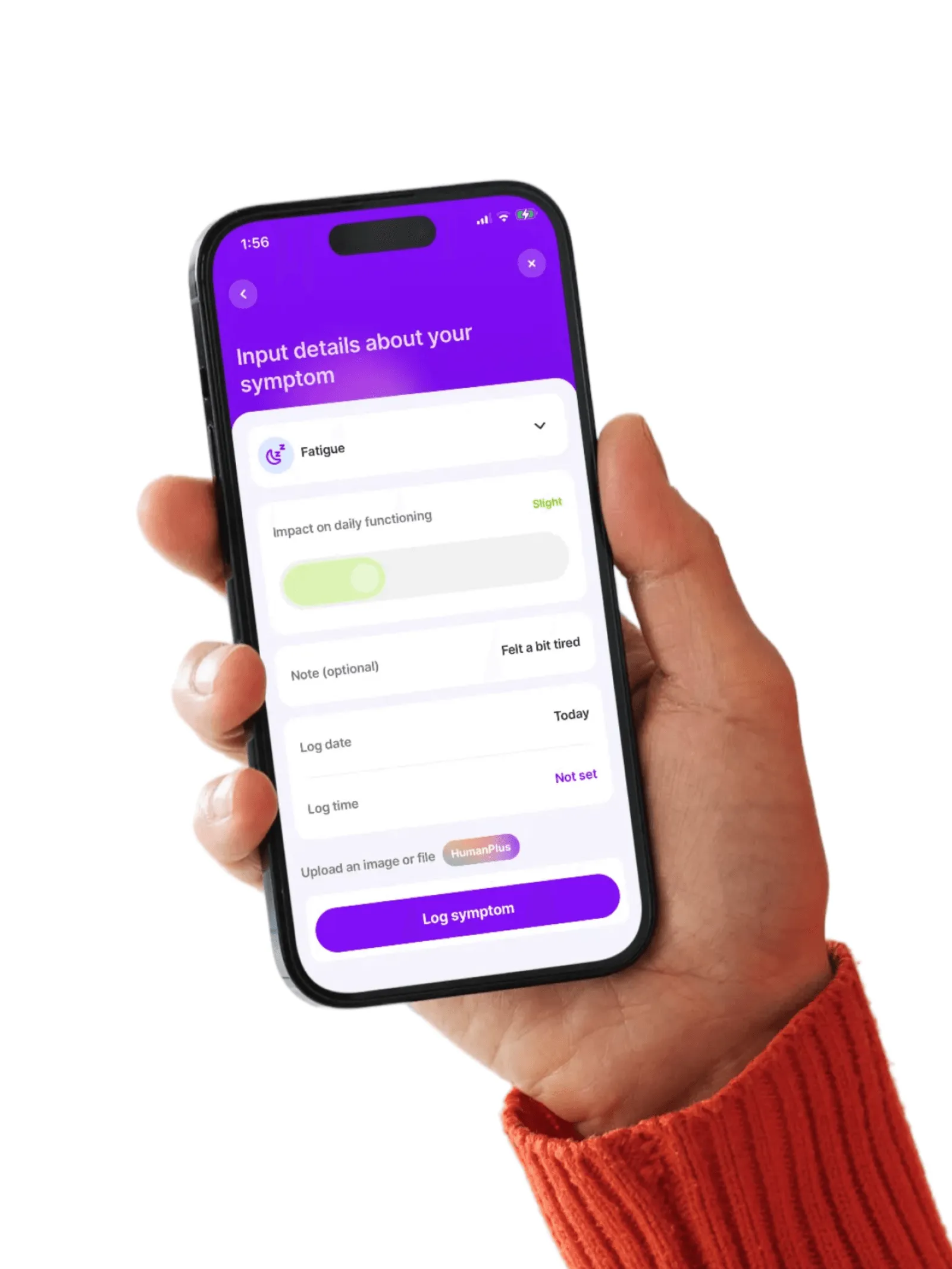
Start tracking your fatigue and other symptoms
Document your fatigue in the Human Health app. Having a record to refer back to can help you give your doctor a clearer picture of what you’ve been experiencing and make the most of your appointments.


.png)


